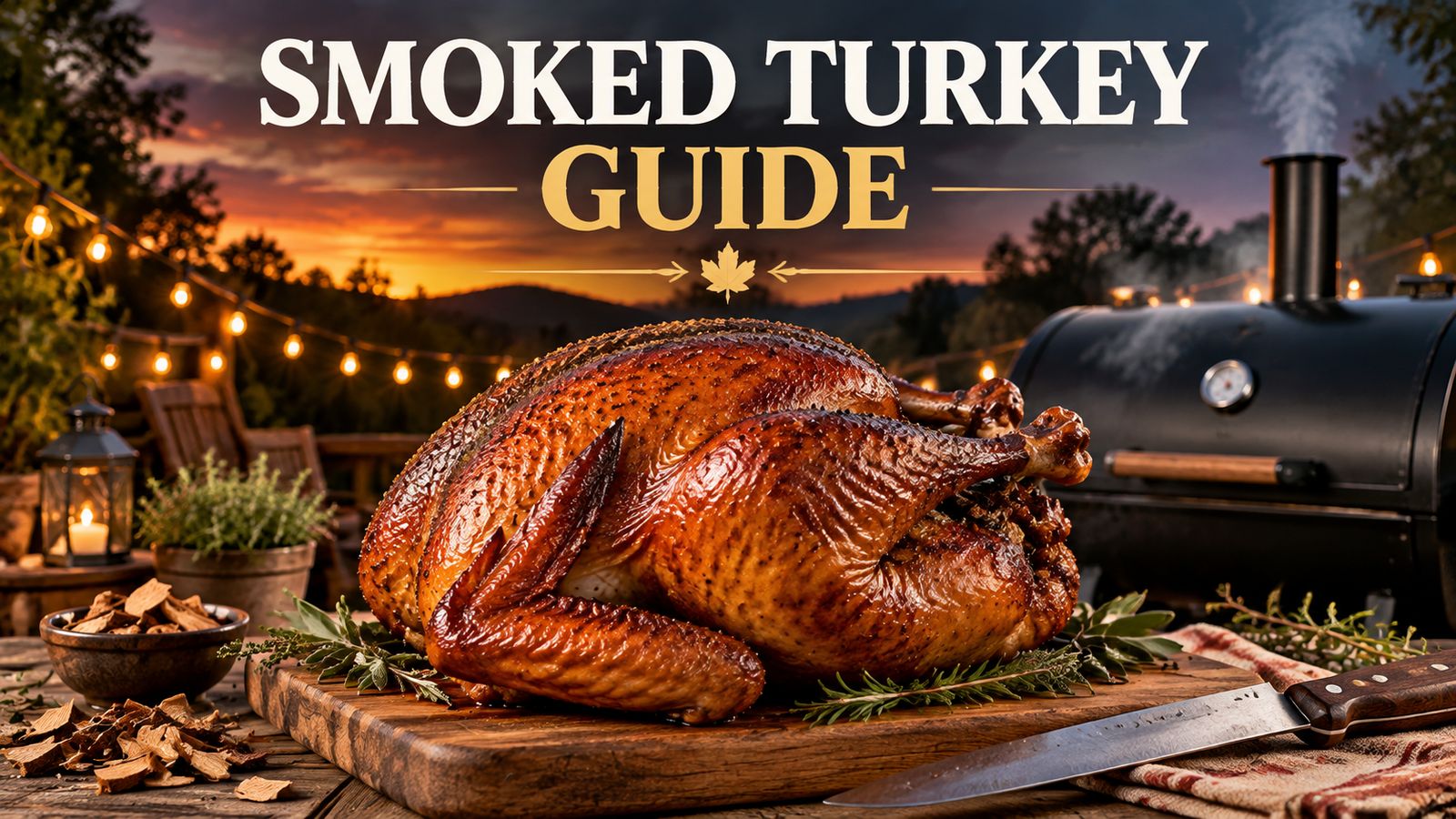
Smoked turkey is Thanksgiving with a backyard accent: deep golden skin, meat flavoured with wood smoke, and a flavour that no oven can quite copy. It asks for patience rather than skill. Brine the bird, choose the right wood, keep the smoker steady and the smoke thin, and the turkey does the rest. The result is a centrepiece that tastes as good cold in sandwiches the next day as it does carved at the table. This Thanksgiving smoked turkey guide covers brine, wood, smoker setup, and timing for deep flavour.
Brine First: Wet Brine vs Dry Brine
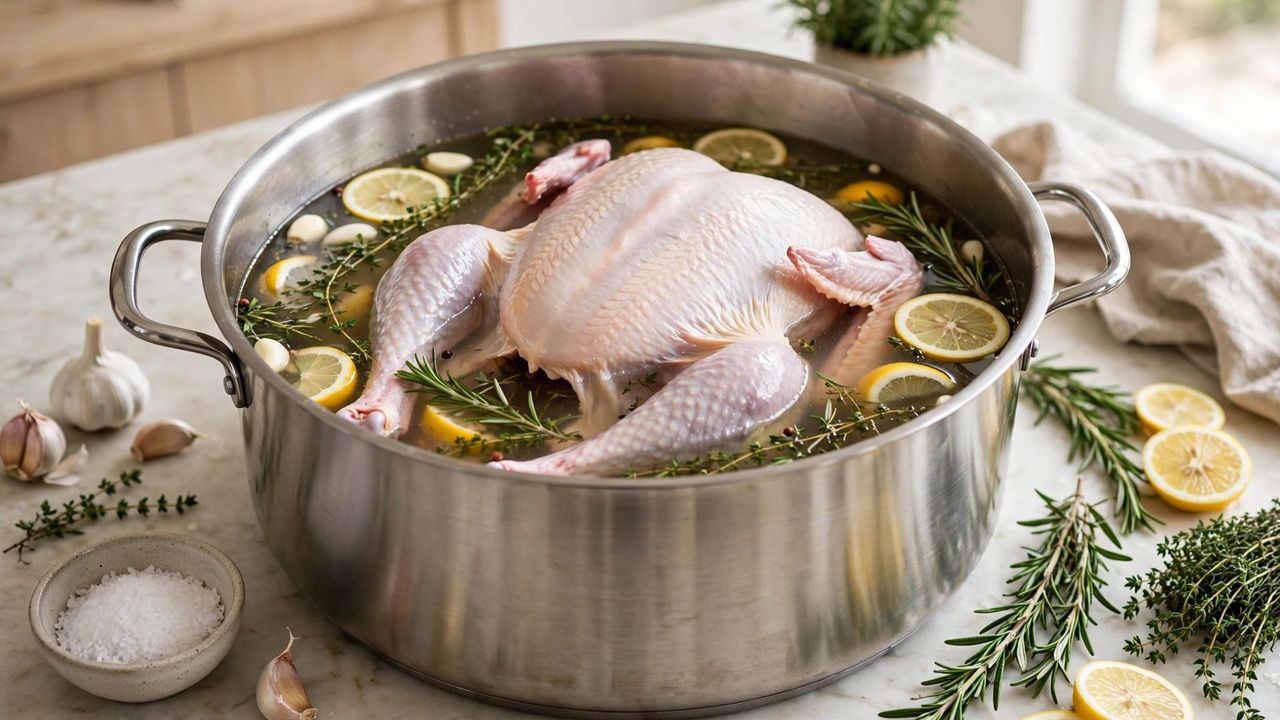
Brining seasons the turkey deeply and helps it stay juicy through a long smoke. A wet brine soaks the bird in salted, flavoured water, while a dry brine rubs salt and seasonings over the skin and lets the bird rest uncovered in the fridge. Both work well; wet brining suits cooks with a large container and fridge space, while dry brining suits cooks who want crisp skin and simpler handling. The turkey brining guide compares the two methods in full.
Whatever brine you choose, keep the turkey cold throughout, rinse or pat dry only as your recipe directs, and season the skin again before smoking. A brined bird needs less extra salt in rubs and gravies, so taste before adding more. Plan brining a day or more ahead, so smoking day starts with a bird that is ready to go.
Choosing Wood for Deep Flavour
Wood is the seasoning of smoked turkey, and mild woods suit poultry best. Apple and cherry give a gentle sweetness and a warm colour, oak gives a medium, steady smoke that suits a long cook, and pecan adds a nutty richness. Strong woods such as hickory and mesquite can overpower turkey if used heavily, so use them sparingly or blended with a milder wood, especially on a first smoke. Use wood chunks or chips as your smoker directs, and aim for thin, steady smoke rather than thick billows.
Soaking wood is a matter of smoker style, so follow your equipment's guidance. What matters more is keeping the smoke clean: thick white smoke can taste bitter, while thin blue smoke flavours gently. Keep vents adjusted, avoid opening the smoker often, and let the wood do its work without constant fussing.
Smoker Setup and Timing for Smoked Turkey
Set the smoker up for a long, steady cook at a low temperature, with the turkey on the grate and a drip tray below to catch juices for gravy. Place a thermometer where it measures the smoker's heat, not just the air near the lid, and check the bird in the thickest part of the breast and thigh with a food thermometer. Time varies with bird size, smoker, and weather, so trust the thermometer over the clock, and allow extra time rather than rushing the finish.
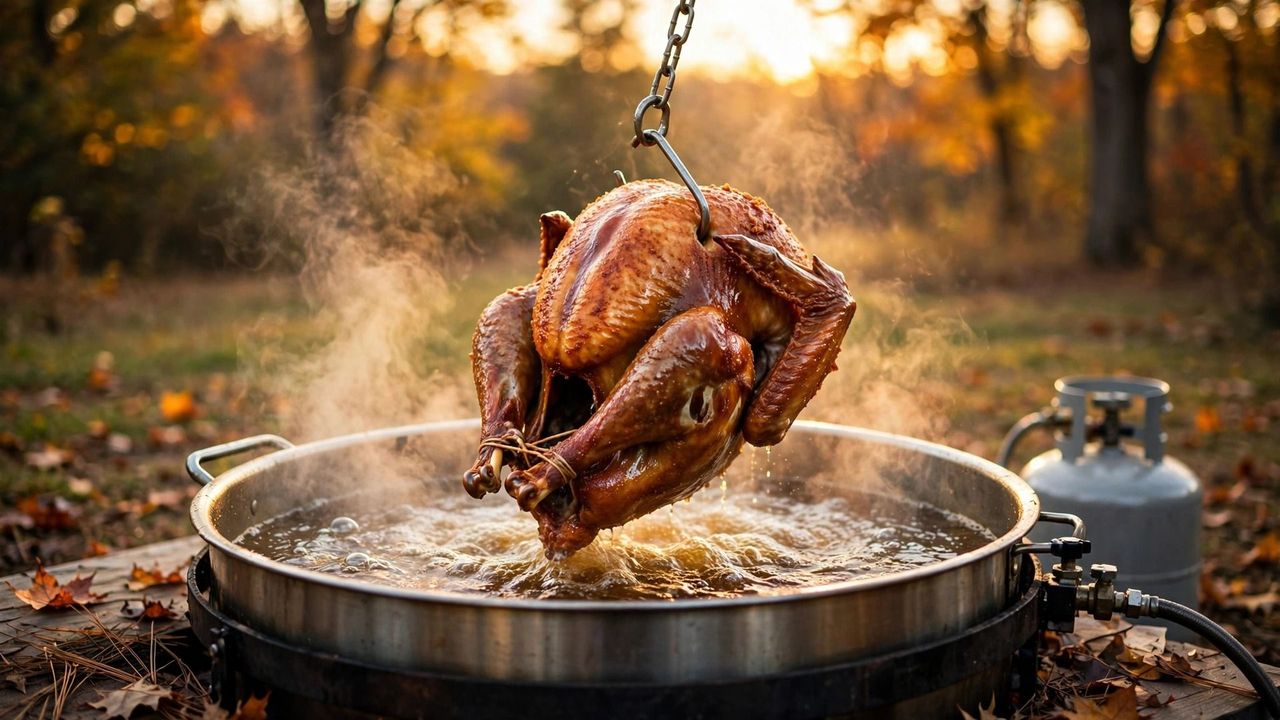
Rest the turkey after smoking, tented loosely, so juices redistribute and carving stays clean. Resting also gives the cook time to finish sides and gravy, as the Thanksgiving countdown timeline plans for. The turkey frying guide offers a different outdoor method for cooks who prefer a faster, crisp-skinned bird.
Carving, Gravy, and Serving Smoked Turkey
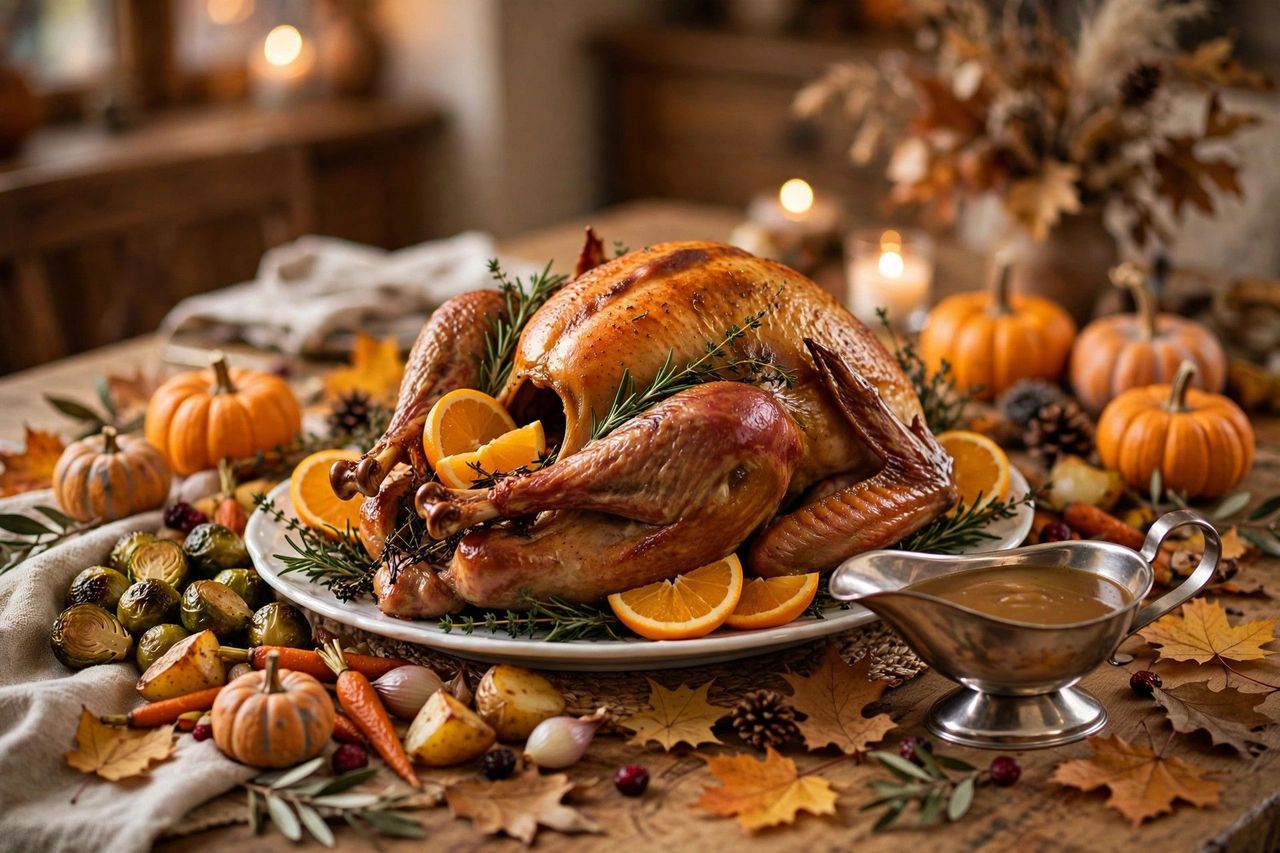
Carve smoked turkey as you would a roasted bird: remove the legs and wings, slice the breast, and arrange the meat on a warm platter with herbs. Smoked drippings make a rich gravy, but taste them first, since smoke flavour concentrates in the juices; blend smoked drippings with stock if the smoke flavour is strong. Serve with familiar sides from the Thanksgiving side dishes guide, and let the turkey's flavour be the talking point.
Leftovers keep the smoke flavour well. Refrigerate carved turkey promptly, and use it in sandwiches, soups, and salads from the Thanksgiving leftover recipes guide. Smoked turkey sandwiches with cranberry sauce are a strong case for cooking a larger bird than the table strictly needs.
Troubleshooting a Smoked Turkey
If the skin is dark but the bird is not done, tent it loosely with foil so the skin does not darken further while the inside catches up. If the smoke tastes bitter, the fire may have been too smoky or the wood too strong; use less wood, keep vents open enough for clean airflow, and choose a milder wood next time. If the breast dries out, brine next time, check the thermometer earlier, and rest the bird well. Each smoke teaches the next, so note the wood, brine, and timings that worked.
Conclusion
Smoked turkey is a patient cook's reward: a good brine, a mild wood, steady thin smoke, a thermometer check, and a proper rest. Start with apple, cherry, or oak, keep the smoker steady, and let the bird finish in its own time. The result is a deeply flavoured centrepiece that turns Thanksgiving into a backyard celebration.
Smoked Turkey Helpful Finds
Carving knives, cutting boards, and a pepper grinder for seasoning and serving a smoked bird.
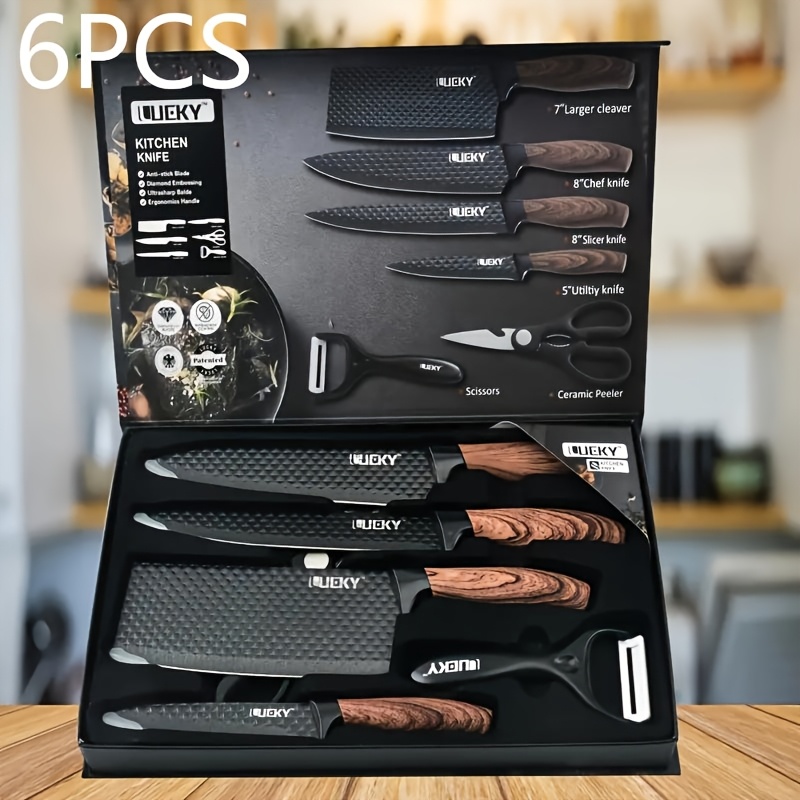
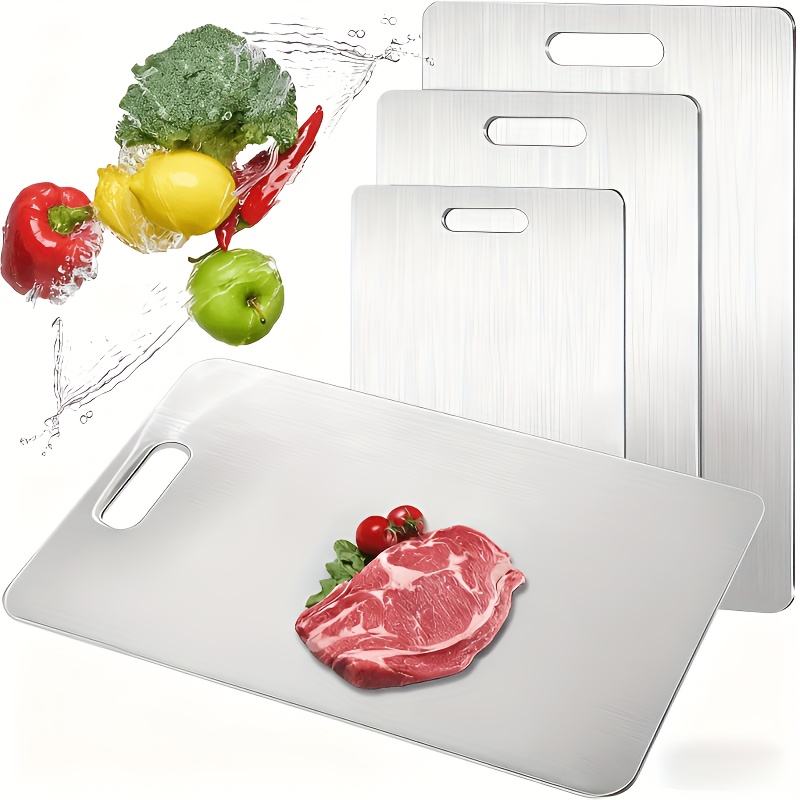


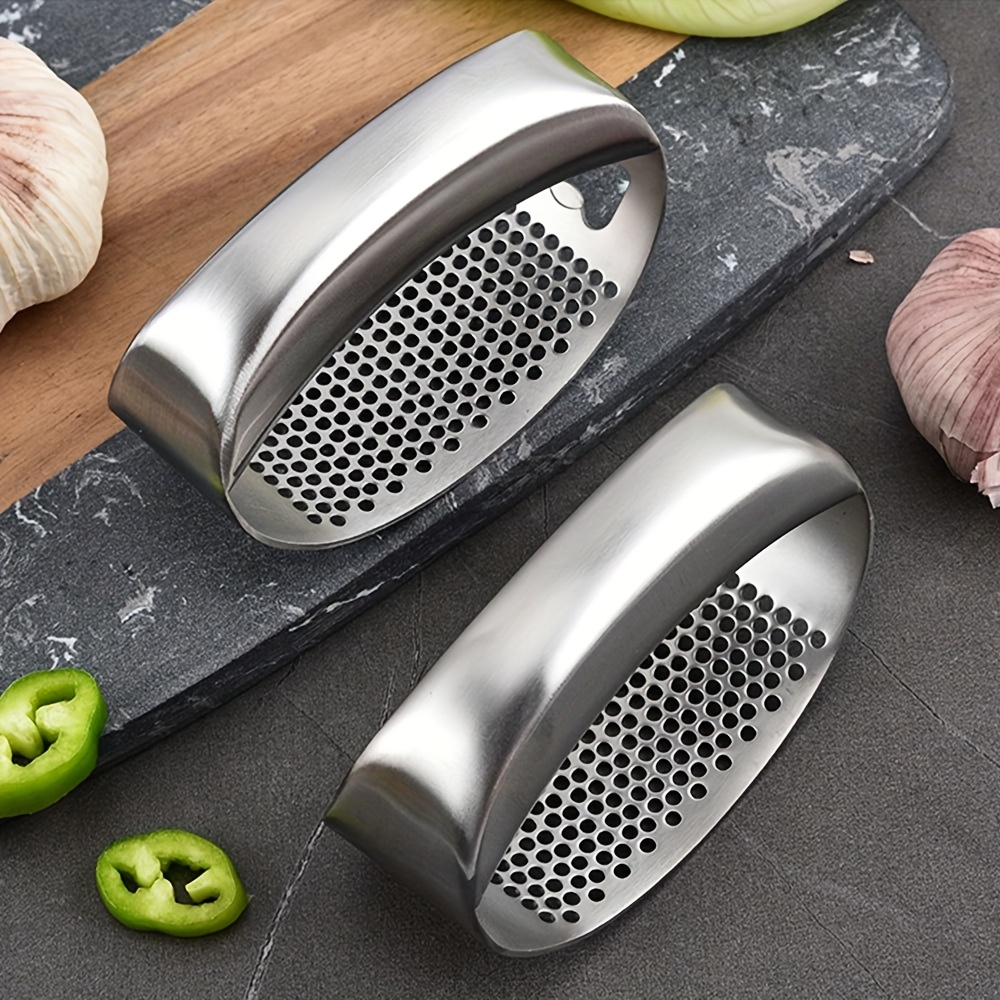


As an affiliate, EventBuzz may earn a commission on qualifying purchases at no extra cost to you.