
Halloween 2026 Date: When Is Halloween, History & Significance Explained
Published October 9, 2026 · Updated October 9, 2026 · By EventBuzz Team
If you are already planning your costume, your party, or your trick-or-treat route, the first question is always the same: when is Halloween this year? The good news for 2026 is that Halloween lands on one of the best possible days of the week, which means bigger celebrations, longer parties, and no rush to get home on a school or work night.
In this guide, we cover the exact Halloween 2026 date, the day of the week, where the festival came from, how its most famous traditions began, and how people celebrate it today in the United States, the United Kingdom, and around the world — including the growing interest in Pakistan and South Asia.
Halloween 2026 Date: Saturday, October 31
Halloween 2026 falls on Saturday, October 31, 2026. Halloween is always celebrated on October 31, the evening before All Saints' Day on November 1. The date itself never changes — only the day of the week changes from year to year.
A Saturday Halloween is special. In many years, Halloween arrives on a weekday, and celebrations have to be squeezed around work schedules, homework, and early bedtimes. In 2026, most families, students, and party hosts get the whole day to prepare and the whole evening to celebrate, with Sunday to recover. Expect larger neighbourhood trick-or-treat crowds, more adult costume parties, and record numbers of decorated homes.
Here is a quick reference for the years around it:
- Halloween 2025: Friday, October 31
- Halloween 2026: Saturday, October 31
- Halloween 2027: Sunday, October 31
Because Halloween 2026 is on a Saturday, many towns and schools will hold their parades, trunk-or-treat events, and costume contests on the day itself rather than moving them to the nearest weekend.
The Ancient Origins: Samhain and the Celtic New Year
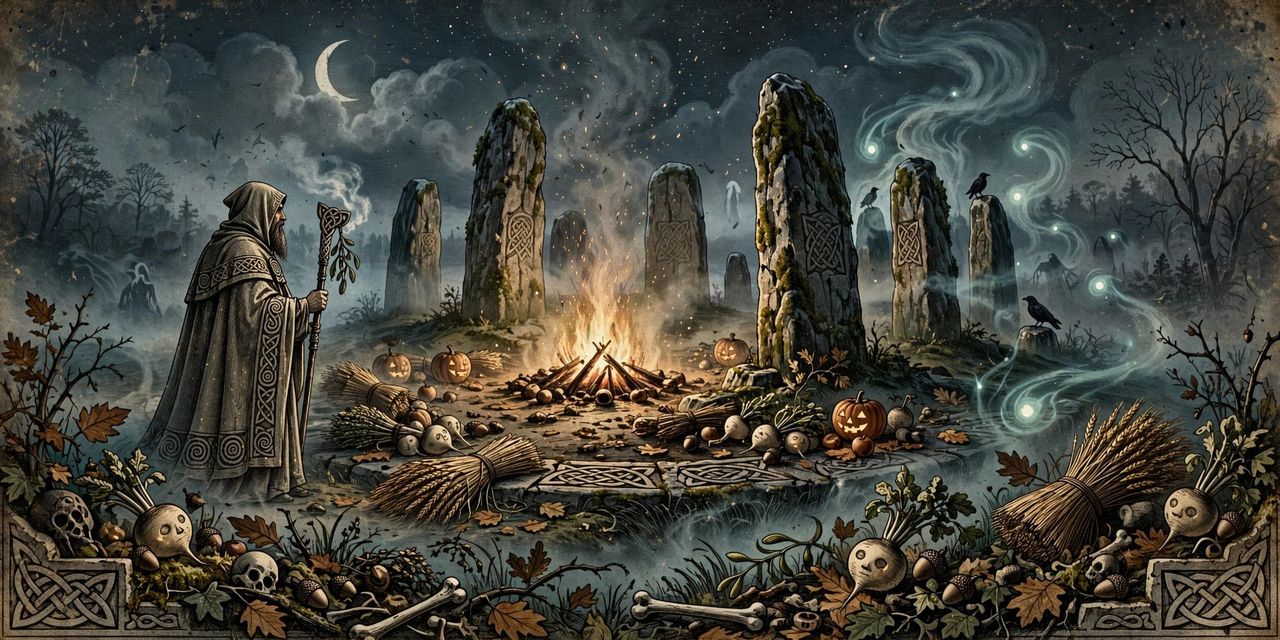
Halloween's roots reach back more than 2,000 years to Samhain (pronounced "sow-in"), an ancient Celtic festival celebrated in what is now Ireland, Scotland, and parts of northern France. For the Celts, November 1 marked the beginning of the new year and the start of the dark winter season. Samhain, held on the night of October 31, was the moment when the harvest ended and the cold months began.
Celtic belief held that on this night the boundary between the world of the living and the world of the dead grew thin. Spirits were thought to walk the earth, and people lit large bonfires to guide friendly spirits and ward off harmful ones. Families left food offerings outside their doors, both to honour ancestors and to keep wandering spirits from causing trouble. Many of today's Halloween customs — costumes, bonfires, treats left at doorsteps — echo these early rituals in a playful, modern form.
People also dressed in rough costumes made from animal skins and cloth. The idea was practical as well as spiritual: if spirits were roaming the village, dressing like one of them might help you pass unnoticed. That simple idea slowly evolved into the costume tradition we know today.
From All Hallows' Eve to Halloween
As Christianity spread through Celtic lands, the church established All Saints' Day on November 1, a day to honour saints and martyrs, followed by All Souls' Day on November 2, dedicated to remembering the dead. The evening before All Saints' Day became known as All Hallows' Eve — "hallow" being an old word for a holy person or saint. Over centuries of everyday speech, "All Hallows' Eve" shortened first to "Hallowe'en" and finally to "Halloween."
Rather than replacing the older customs, the new holy days absorbed many of them. Bonfires, costumes, and food for the dead sat comfortably alongside prayers for saints and souls. This blending of traditions is one reason Halloween feels both spooky and festive at the same time: it carries layers of meaning gathered over many centuries.
In medieval England, "souling" was a common All Hallows' custom. Poor people, often children, went door to door offering prayers for the dead in exchange for small round cakes called soul cakes. In Scotland and Ireland, "guising" saw children dress up and perform a song, joke, or trick in exchange for fruit, nuts, or coins. When Irish and Scottish immigrants carried these customs to North America in the 1800s, souling and guising met, mixed, and eventually became trick-or-treating.
How Trick-or-Treating, Pumpkins, and Costumes Began
Trick-or-treating. In early 20th-century America, Halloween was sometimes marred by pranks that went too far. Communities responded by organising family-friendly house-to-house visits, and by the 1930s parties, parades, and doorstep treats had become the norm. After the Second World War, as suburbs grew and commercially produced candy became cheap and widely available, the phrase "trick or treat" settled into the culture. The "trick" became mostly a playful joke; the treat became the real point of the evening.
Jack-o'-lanterns. Irish folklore tells of a character called Stingy Jack who, in legend, tricked the devil and was doomed to wander the night with only a burning coal inside a hollowed-out turnip. In Ireland and Scotland, people carved scary faces into turnips and potatoes to frighten away Jack and other wandering spirits, placing a light inside. In North America, immigrants found the native pumpkin: bigger, softer, easier to carve, and glowing beautifully. The turnip lantern became the pumpkin jack-o'-lantern, now the most recognisable symbol of Halloween.
Costumes. From Celtic disguises to medieval guising to today's shop-bought and handmade outfits, dressing up remains the heart of the holiday. Early American Halloween costumes were homemade and often spooky; by the mid-1900s, licensed character costumes made it easy for children to become their favourite heroes for a night. Today, Halloween costumes are a form of creativity for all ages — funny, frightening, glamorous, or clever.
The Significance of Halloween Today
Modern Halloween means different things to different people, and that flexibility is a big part of its staying power. For children, it is a night of imagination, community, and sweets, often their first experience of knocking on neighbours' doors and being welcomed. For families, it is a rare festival that everyone can enjoy together: carving pumpkins in the afternoon, walking the neighbourhood at dusk, and sharing stories afterwards.
For adults, Halloween is a creative outlet: themed parties, horror movie marathons, costume competitions, and haunted attractions. For businesses, it is one of the biggest seasonal events of the year, driving sales of costumes, decorations, candy, and entertainment. For many communities, it is also charitable: food drives, school fundraisers, and charity haunted houses often run through late October.
There is also a gentler significance beneath the fun. Like its ancestors Samhain and All Souls' Day, Halloween gives people a light-hearted way to think about fear, darkness, and even death — and to laugh at them. Dressing as something scary, in a safe and joyful setting, is a small act of courage that children and adults have shared for generations.
How Halloween Is Celebrated Around the World
United States: Trick-or-treating, costume parties, haunted houses, pumpkin patches, and horror films dominate late October. Many neighbourhoods compete informally for the most impressive decorations, and some homes hand out treats to hundreds of children on Halloween night.
United Kingdom and Ireland: The lands where Halloween began still celebrate with guising in Scotland, bonfires, apple-bobbing, fireworks in some areas, and a growing American-style trick-or-treat culture. Ireland's city of Derry is famous for one of Europe's largest Halloween festivals.
Mexico and Latin America: The days around Halloween connect with Día de los Muertos (November 1–2), a beautiful tradition of altars, marigolds, food, and remembrance for loved ones who have died — distinct from Halloween, but sharing its season of honouring the dead.
Pakistan and South Asia: Halloween is not a traditional festival in Pakistan, but interest is growing in big cities. Schools, cafés, malls, and expat communities in Karachi, Lahore, and Islamabad host costume parties, themed baking, and movie nights, while families enjoy the creative side of the festival at home. For South Asian readers, Halloween 2026's Saturday date makes it easy to join the fun with a small friends-and-family gathering.
Wherever it is celebrated, the pattern is the same: dress up, share food, enjoy a few friendly frights, and spend time together at the start of the darker season.
Key Dates Around Halloween 2026
- Early October: Decorations, costumes, and pumpkins appear in shops; party planning begins.
- Mid-October: Pumpkin patches, haunted attractions, and school events reach their peak.
- Saturday, October 31, 2026: Halloween night — trick-or-treating typically runs from late afternoon to about 8–9 p.m. in most neighbourhoods.
- Sunday, November 1: All Saints' Day; also a popular day for post-Halloween sales.
- November 1–2: Día de los Muertos celebrations in Mexico and beyond.
Frequently Asked Questions
What day is Halloween 2026?
Halloween 2026 is on Saturday, October 31, 2026. Halloween is always on October 31; only the weekday changes each year.
Why is Halloween celebrated on October 31?
October 31 was the date of the Celtic festival of Samhain and later became All Hallows' Eve, the night before All Saints' Day on November 1. The name "Halloween" is a shortened form of "All Hallows' Eve."
Is Halloween a public holiday?
No. Halloween is a widely celebrated festival but not a federal or public holiday in the US or UK, so schools, offices, and shops generally remain open. In 2026 this matters less, since Halloween falls on a Saturday.
What time does trick-or-treating start?
It varies by neighbourhood, but most communities start between 5:00 and 6:00 p.m. and finish by 8:30 or 9:00 p.m. Check local council, school, or neighbourhood announcements as Halloween approaches.
How can I celebrate Halloween in Pakistan or South Asia?
Host a small costume get-together, carve or paint pumpkins (or use local gourds), bake themed treats, watch a family-friendly spooky film, and share Halloween wishes with friends. Many malls, schools, and cafés in major cities also run ticketed Halloween events in late October.
Conclusion
Halloween 2026 arrives on Saturday, October 31 — the perfect setup for a full day of costumes, creativity, and community. Behind the candy and costumes sits a festival with more than 2,000 years of history, from Celtic bonfires at Samhain to All Hallows' Eve, from soul cakes and turnip lanterns to trick-or-treating and glowing pumpkins. Knowing that story makes the celebration richer, whether you are hosting a big party or enjoying a quiet family evening.
Ready to plan the rest of your Halloween? Explore our other guides:
Share this guide with friends who are already asking when Halloween is this year — and start planning your Saturday, October 31 celebration now.
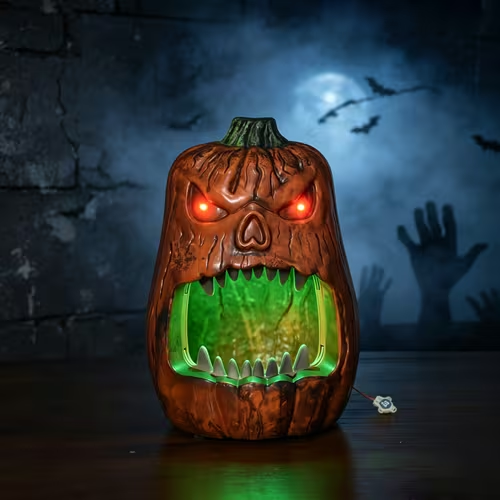
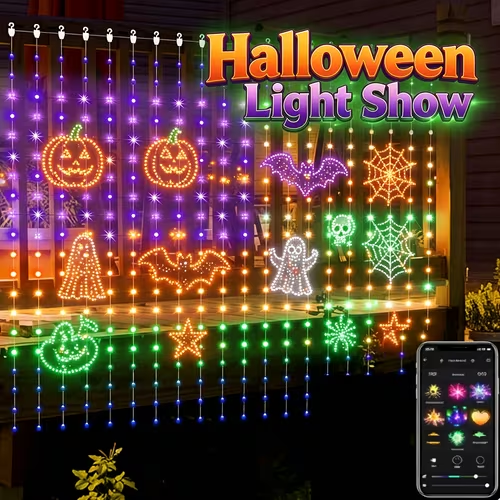
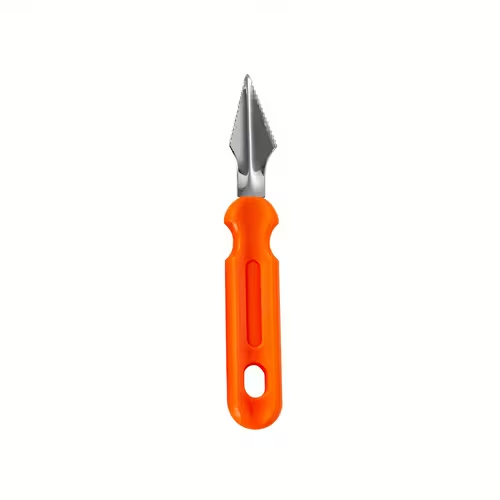
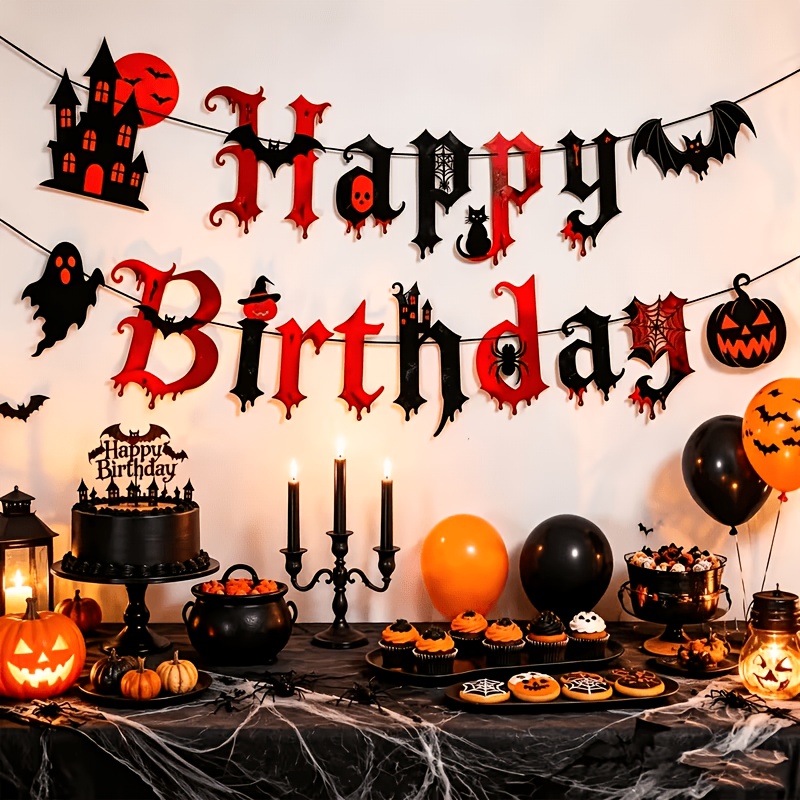
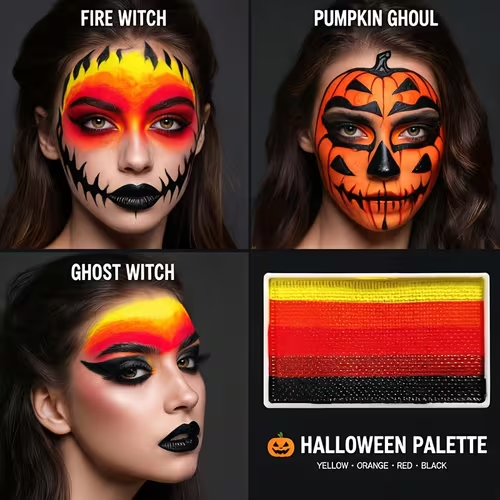
Halloween Party Picks
Costumes, decorations and party essentials to make your Halloween 2026 unforgettable.
Prices shown at the time of publishing and can change. Links take you to AliExpress, where shipping and delivery details are shown.