Christmas traditions around the world share a heartbeat, light in the darkest weeks, food worth gathering for, gifts that carry love, but the customs built on that heartbeat are gloriously different. In one country families queue for fried chicken; in another they exchange books and read past midnight; in a third, thirteen mischievous visitors arrive one by one. This tour of christmas traditions around the world visits 15 countries, sticking to widely documented customs and saying plainly where an origin is debated, so you can share every fact at the table with confidence.
Several stops connect to deeper guides: the season that frames many of them begins in our explainer on what Advent is, and the celebrations continue past December 25th in our pieces on the 12 days of Christmas and Three Kings Day. Pack a warm drink and an open mind; we start where the modern Christmas market was born.
Germany, Austria and Sweden: Markets, Candles and Light
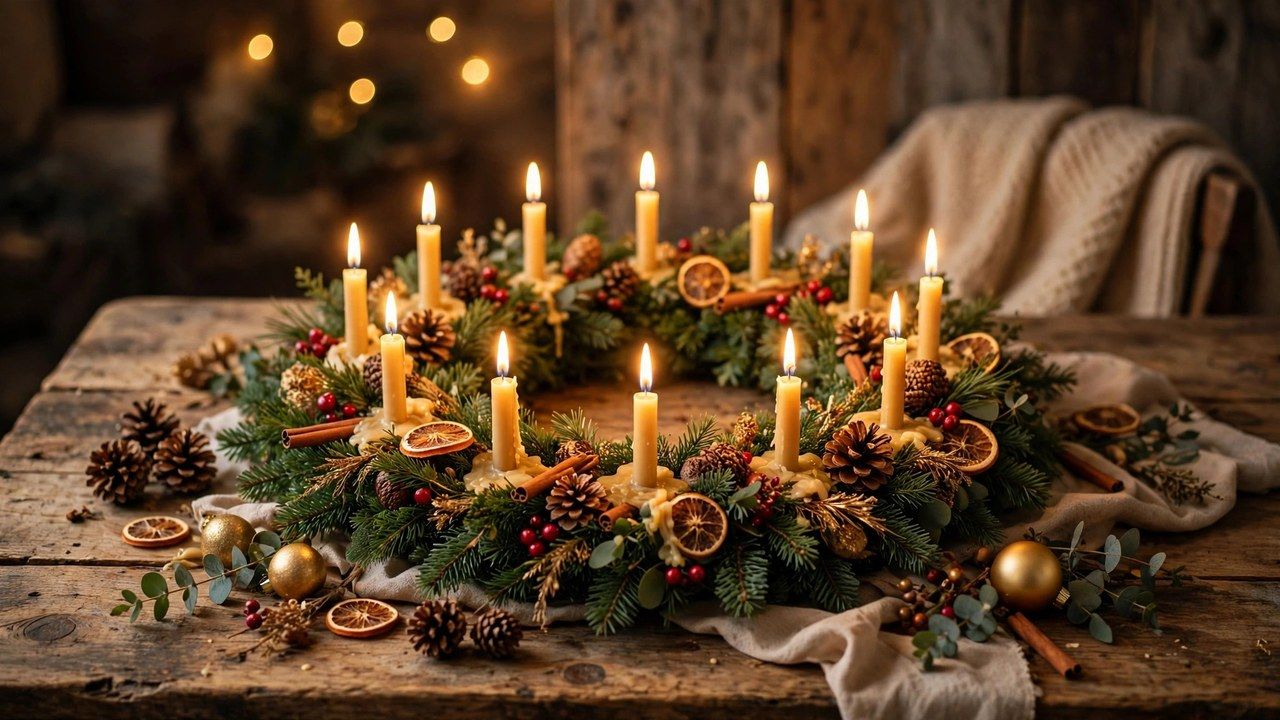
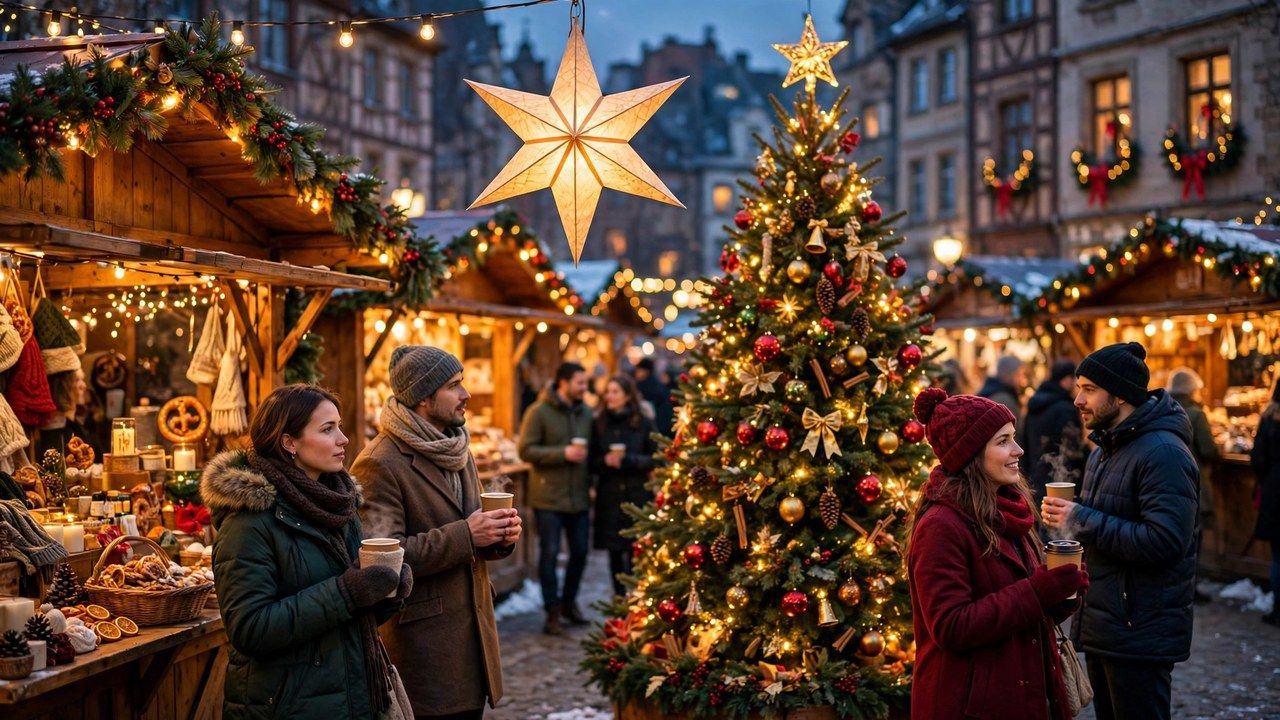
Germany gave the world the Christmas market tradition, with towns filling their squares with wooden stalls, spiced drinks and carved decorations, and many families still mark St. Nicholas Day on December 6th, when children leave out shoes or boots for small gifts. German homes also popularized the Advent wreath and calendar, now loved worldwide. Austria shares the market culture but adds a shiver: on the night of December 5th, Krampus, a horned figure from Alpine folklore, traditionally accompanies St. Nicholas in some regions, a custom whose roots in older winter folklore are debated by historians.
Sweden answers the northern darkness with St. Lucia’s Day on December 13th, when processions led by a girl wearing a crown of candles bring songs and saffron buns to schools, churches and workplaces. Sweden also gave Christmas one of its most watched landmarks, the Gävle Goat, a giant straw goat erected each year in the town of Gävle. In many Swedish homes, Christmas Eve afternoon gathers the family around televised holiday specials, a cozy national appointment before the main meal and gifts.
The Philippines, Japan and Australia: Long Seasons, New Customs
The Philippines is often described as having one of the world’s longest Christmas seasons, with decorations and carols appearing as early as September in the so called “Ber months.” Families hang star shaped lanterns called parol, a beloved symbol of the season, and many attend Simbang Gabi, a series of dawn Masses in the nine days before Christmas. The celebration peaks with Noche Buena, a midnight feast after Mass on Christmas Eve that can run until the small hours.
Japan, where Christians are a small minority, celebrates Christmas as a festive, romantic season of lights and cake rather than a religious holiday. A famous modern custom is the Christmas fried chicken dinner, popularized by a hugely successful 1970s marketing campaign, alongside strawberry topped Christmas cake shared by couples and families. Australia flips the season entirely: Christmas falls in summer, so traditions include beach trips, outdoor barbecues, cold seafood alongside roast meats, and community Carols by Candlelight concerts held in parks on warm evenings.
Mexico, Spain and Italy: Faith, Feasts and Gift Bringers
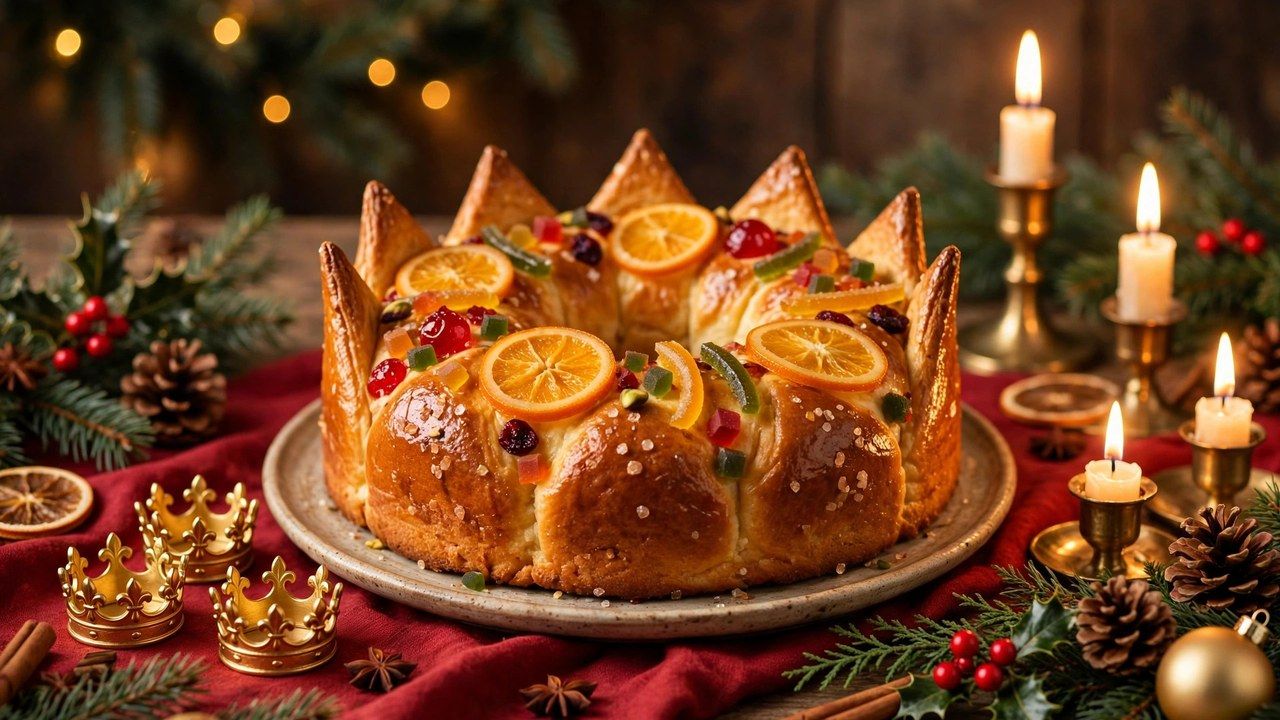
In Mexico, Las Posadas runs from December 16th to 24th, with nightly processions reenacting Mary and Joseph’s search for shelter, ending in gatherings with food, song and piñatas. Mexico also gave Christmas the poinsettia, a plant native to the region and long associated with the season there before it spread worldwide. Spain builds toward January 6th, when the Three Kings bring gifts, celebrated with parades on the evening of January 5th, and shares the excitement of El Gordo, the famous Christmas lottery drawn on December 22nd.
Italy stretches the season from early December to Epiphany on January 6th, when La Befana, a kindly witch like figure from folklore, traditionally delivers sweets to children, with lumps of coal candy for the naughty in playful versions of the tale. Nativity scenes, called presepi, are a point of craft pride, with Naples famous for its elaborate hand made figures. Many Italian families center Christmas Eve on a seafood meal, a tradition commonly known as the Feast of the Seven Fishes in Italian American communities.
Iceland, Poland and Ethiopia: Yule Lads, First Stars and a January Christmas
Iceland counts thirteen Yule Lads, mischievous figures from folklore who visit one per night in the thirteen nights before Christmas, leaving small gifts in children’s shoes, or a potato for the ill behaved in the playful telling. Iceland also gave the world Jólabókaflóð, the Christmas book flood: books are the classic gift, exchanged on Christmas Eve and read late into the night with hot chocolate, a tradition rooted in the country’s publishing season and wartime history.
In Poland, the heart of Christmas is Wigilia, the Christmas Eve supper, traditionally begun when the first star appears in the evening sky and built around twelve meatless dishes in many families, with an extra place often set at the table for an unexpected guest. Ethiopia celebrates Genna on January 7th in the Ethiopian calendar tradition, marked by church services, traditional dress, and communal feasting, a reminder that Christmas Day itself falls on different dates across Christian traditions.
The Netherlands, the United Kingdom and the United States
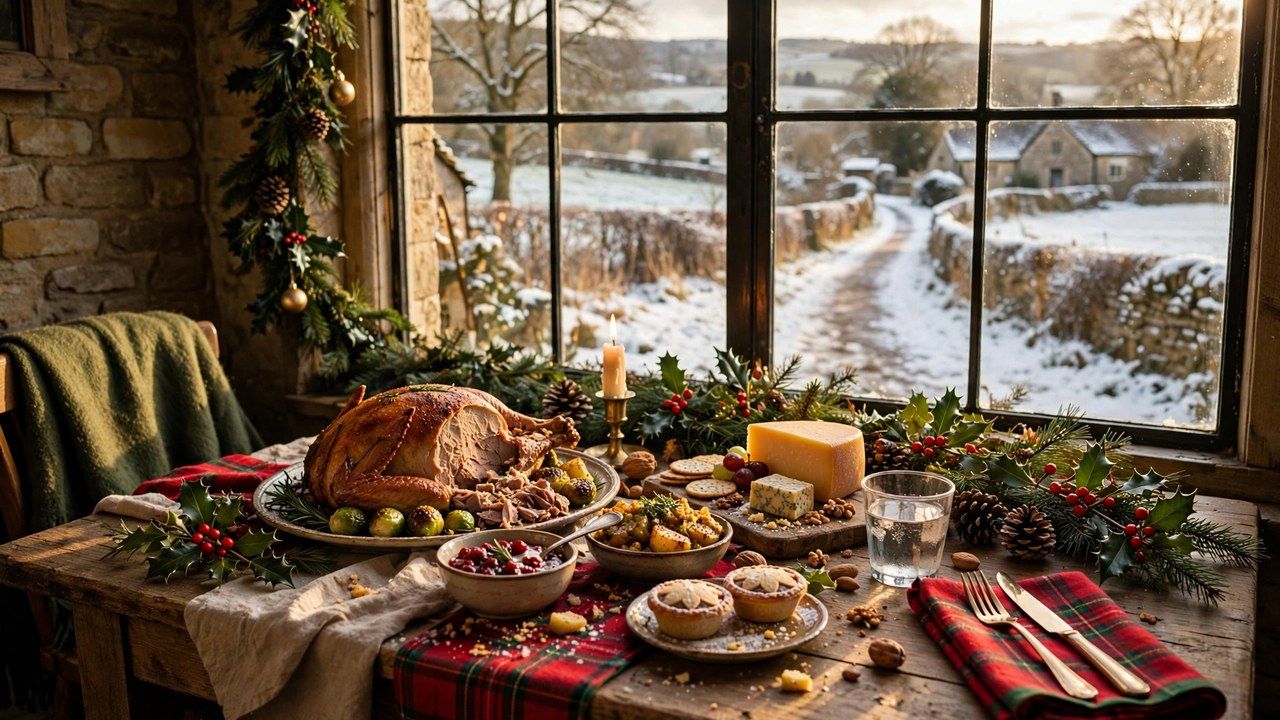
In the Netherlands, the great gift giving day for many families is December 5th, Sinterklaas Eve, honoring St. Nicholas, whose arrival by boat in November is a national televised event. Gifts come with humorous poems, and children leave shoes out with treats for Sinterklaas’s horse. The United Kingdom contributes Christmas crackers, the paper tubes invented in Victorian London that pop, spill a paper crown and a small joke, and the tradition of Boxing Day on December 26th, now a day of sport, sales and leftovers.
The United States blended immigrant traditions into its own mix: German trees, British cards and carols, Dutch Santa roots, and homegrown additions like electric tree lights, neighborhood light displays and tracking Santa on Christmas Eve. Regional flavors shine too, from luminaria lined streets in the Southwest to coastal boat parades. The thread through every country on this page is the same one you will find in our look at the history of Santa Claus: each culture reshapes the season in its own image, and recognizes itself in the result.
Bringing the World to Your Table
You do not need a passport to borrow wisely from this tour. Pick one custom and give it a real place in your season: exchange books on Christmas Eve like Iceland, set an extra place like Poland, hang a star lantern like the Philippines, or begin your Eve supper when the first star shows like families in Warsaw. Borrow with credit and curiosity, learn the story behind the custom, and your own traditions gain depth instead of novelty.
Schools and families often build a traditions week in December, one country per evening at dinner, with a food, a song, or a craft from each. Our guide to how to say Merry Christmas in 40 languages pairs perfectly with that project, greeting by greeting. However you travel this list, the destination is the same insight children grasp instantly and adults love remembering: the whole world is celebrating, each in its own language, and every version is an invitation.
Conclusion
From dawn Masses in Manila to candle crowns in Sweden, from fried chicken in Tokyo to books in Reykjavík, Christmas traditions around the world prove that one celebration can wear a hundred beloved shapes. Learn a few, borrow one with respect, and share the stories at your own table this year. The season gets bigger every time we discover how someone else keeps it, and there is no warmer way to travel in December than this.