For millions of families, Christmas does not end in December at all. Three kings day, the feast of Epiphany, falls on Wednesday, January 6, 2027, and in Spain, across Latin America and in many other communities it is the real gift-giving day of the season, the morning children have actually been waiting for. If December 25 is the headline, January 6 is the beloved second act.
This guide explains who the three kings were in the story, why their gifts mattered, and how the day is celebrated, from Spain’s eve parades to Mexico’s rosca cake and France’s galette. It closes the season our 12 days of Christmas guide counts through, ending the day after Twelfth Night.
What Three Kings Day Actually Commemorates
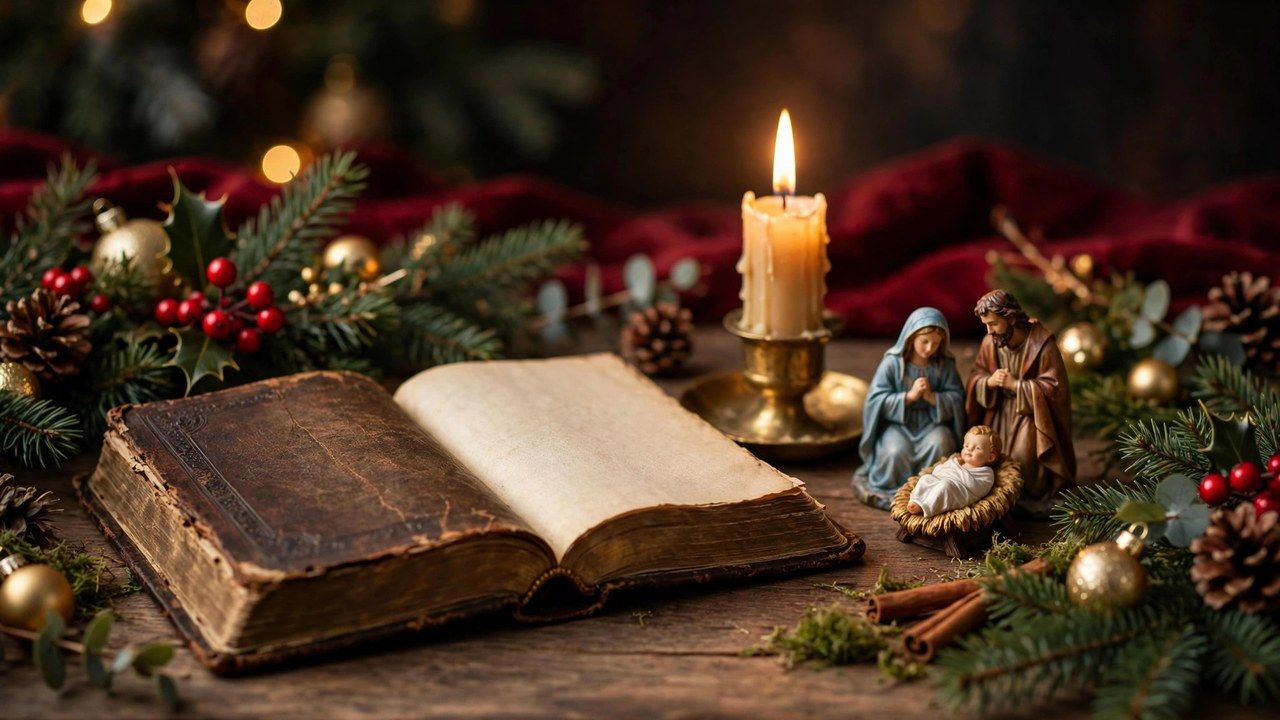
Epiphany marks the visit of the Magi, the wise men from the East who, in the Gospel of Matthew, followed a star to Bethlehem and presented the child Jesus with gifts of gold, frankincense and myrrh. The feast celebrates revelation: the moment, in Christian teaching, when Christ was shown to the wider world beyond Bethlehem, which is why Epiphany is sometimes described as a second, wider Christmas.
Details people assume are in the text often are not. Matthew does not say there were three kings, does not name them and does not call them kings at all; the number three was inferred from the three gifts, and the familiar names, Melchior, Caspar and Balthazar, come from later tradition. None of that diminishes the feast. It simply means the day carries centuries of storytelling layered over a short, powerful account, which is exactly how beloved traditions grow.
The Three Gifts and What They Symbolize
| Gift | What it was | Traditional symbolism |
|---|---|---|
| Gold | A precious metal fit for royalty | Kingship: a gift for a king |
| Frankincense | A fragrant resin burned in worship | Divinity: a gift for a priest or a god |
| Myrrh | A resin used in burial and medicine | Mortality: a gift pointing to sacrifice |
Whether or not every giver understood all that symbolism, the trio of gifts explains why the Magi became such rich figures in art and tradition: an elderly king, a middle-aged king and a young king in many depictions, representing the stages of life and, in medieval art, the known continents bringing the world to Bethlehem. Children who set out three gifts, three crowns or three shoes on January 5 are reenacting that layered story in miniature.
Spain: The Cabalgata and the Morning of January 6
Spain keeps Three Kings Day, Día de los Reyes Magos, as one of the biggest celebrations of the year. On the evening of January 5, towns and cities hold the Cabalgata, a parade in which the three kings process through the streets, often throwing sweets to children. That night, children leave their shoes out, sometimes with food for the kings and water or straw for their camels, and wake on January 6 to the season’s main presents.
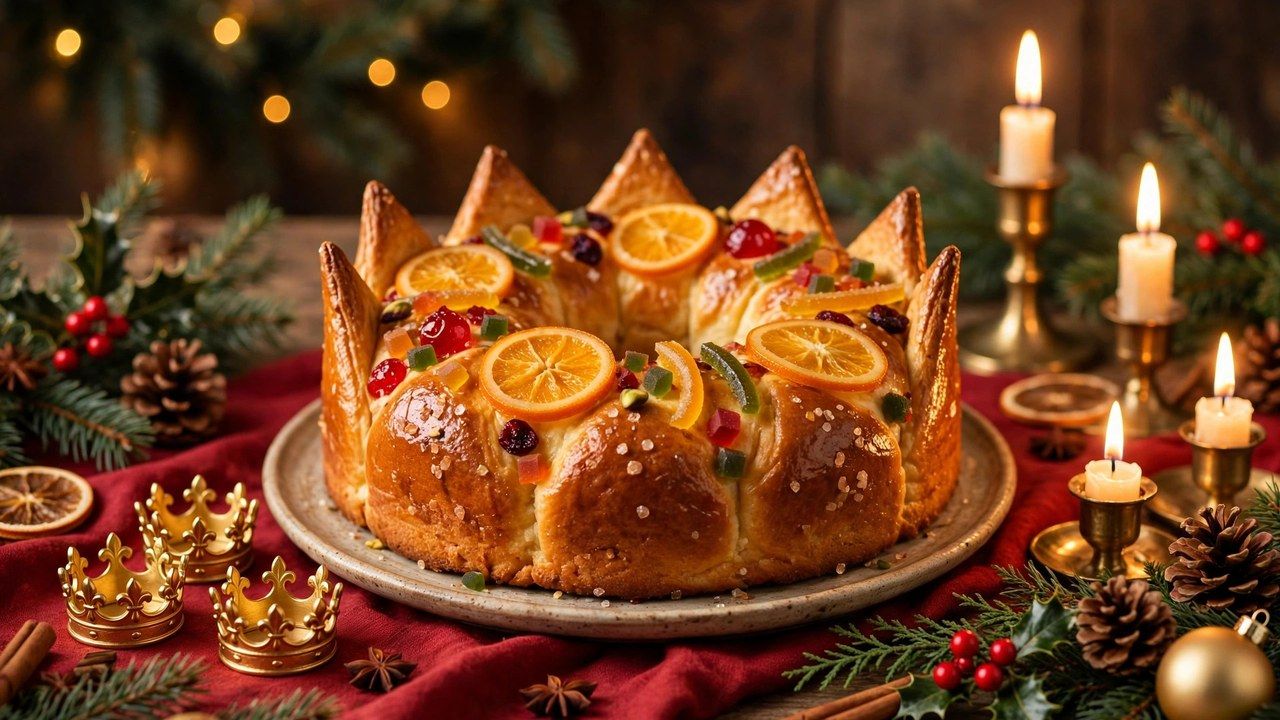
The day itself is a public holiday in Spain, given to family meals and the roscón de Reyes, a ring-shaped sweet bread decorated with candied fruit like a crown. The pattern will feel familiar to anyone who read our traditions around the world guide: in much of the Spanish-speaking world, the season simply runs longer, and gift anxiety in December is balanced by a second, joyful deadline in January.
Rosca de Reyes: The Cake With a Secret Inside
In Mexico, the rosca de reyes is the centerpiece of January 6 gatherings: an oval or ring-shaped sweet bread, decorated with candied fruits, with one or more small figurines of the baby Jesus hidden inside the dough. Whoever finds the figurine in their slice traditionally takes on a role in the Candlemas celebration on February 2, often hosting tamales for the group, which is why finding it is met with cheers and groans in equal measure.
Spain’s roscón hides a similar pair of surprises, traditionally a small figure and a dry bean: the figure brings luck and a paper crown, the bean brings the bill for the cake. The shared logic across both cakes is lovely: the season’s last feast hides a small fate inside dessert, and the celebration quietly arranges its own sequel in February.
France’s Galette, Italy’s Befana and Other January 6 Tables
Northern France celebrates with the galette des rois, a puff pastry and almond frangipane cake eaten through January, containing a tiny charm called a fève. The youngest person at the table traditionally sits underneath it and decides who receives each slice, and whoever finds the fève is crowned king or queen for the day with the paper crown the cake is sold with. Southern France has its own brioche version, shaped like a crown and studded with candied fruit.
Italy adds a beloved extra character: La Befana, a kindly witch figure who delivers sweets to children on the night of January 5 into Epiphany morning, leaving coal-shaped candy for the naughty in a tradition that blends Epiphany with folklore. In Germany and Austria, January 6 brings Sternsinger, star singers who go door to door in costume, sing, collect for charity and write a blessing in chalk above the door, a custom we return to below.
Three Kings Day in the United States
American celebrations are strongest where Spanish, Mexican, Puerto Rican and other traditions run deep. In Puerto Rican tradition, children fill a box with grass for the kings’ camels and place it under their beds on January 5, finding gifts in the morning. Many Latino families in the US keep a rosca gathering on January 6 even when December 25 carried the main presents, turning the day into a cultural anchor as much as a feast.
Some cities hold their own Three Kings parades and events, and churches mark Epiphany on the nearest Sunday or on the day itself with pageants and the blessing of homes. If your household is new to the day, the friendliest entry point is the table: buy or bake a ring cake, hide a small token where tradition allows, and let January 6 become the season’s gentle finale rather than an afterthought. Our Christmas prayers guide and Bible verses guide fit the day’s reflective side.
The Chalked Door Blessing and Twelfth Night’s Farewell
One of the day’s most distinctive customs is the chalk blessing written above front doors in parts of Germany, Austria, Poland and beyond: a sequence like 20 + C + M + B + 27 for 2027. The letters carry a double meaning: the initials tradition assigns to the three kings, and the Latin phrase Christus mansionem benedicat, “may Christ bless this house.” Families renew it each Epiphany as the star singers visit or at church.
Paired with Twelfth Night on January 5, Epiphany closes the whole arc: the tree comes down, the last cake is cut, and the house is blessed for the year ahead. As endings go, it beats the anticlimax of December 26 by some distance, which is the argument our Boxing Day guide makes from the other end of the season.
How to Celebrate Three Kings Day at Home
Keep it simple and food-led. Put out shoes or a small box of “grass” (shredded green paper does fine) on the evening of January 5. Serve a ring cake on the 6th and let whoever finds the hidden token wear the paper crown. Save one small gift per person for the morning, especially for children, so the day has its own discovery in it. Then take the decorations down together afterward, which turns a chore into a closing ceremony.
Honest pros and cons of adopting the day: pros include a longer, calmer season, a meaningful story for children, and one more feast built around cake, which is never a hard sell. Cons are mostly practical: January 6 is a workday in the US, and energy for one more celebration varies. The scaled version, cake and candles only, keeps the heart of it in under an hour.
Conclusion
Three Kings Day on Wednesday, January 6, 2027 is the season’s true full stop: kings, cakes, crowns and a blessed doorway. Whether it is the main event in your family’s tradition or a new discovery, it gives Christmas the ending it deserves, twelve days after it began.