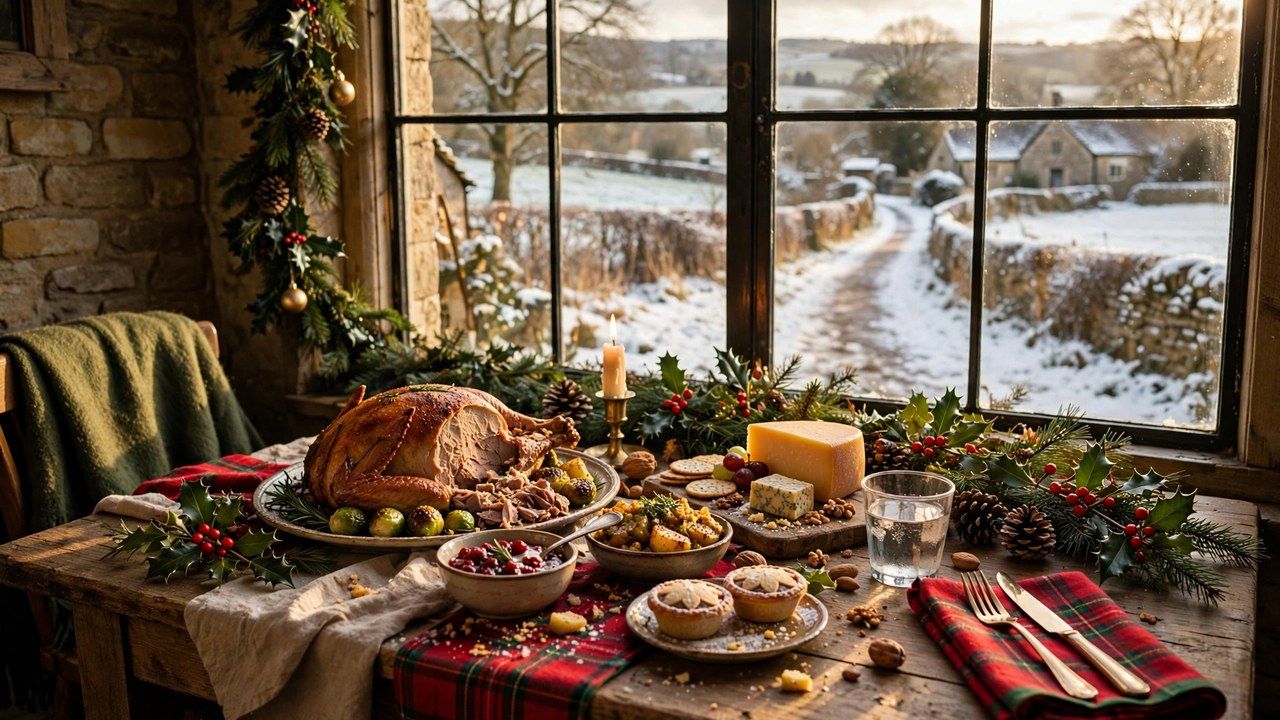
Here is the surprise hiding inside one of the most searched Christmas questions: the 12 days of christmas do not count down to Christmas at all. They begin on Christmas Day itself, Friday, December 25, 2026, and run through Tuesday, January 5, 2027, ending on the eve of Epiphany. That means the famous season most people treat as finished on December 26 is, by the older calendar, only just getting started.
This guide explains where the twelve days come from, how they differ from Advent, what the carol has to do with them, and simple ways modern families stretch the celebration across them. If you are planning the run-up instead, our Christmas countdown ideas and the explainer what is Advent cover the season before December 25.
The Short Answer: December 25 to January 5
The twelve days, also called Christmastide, are the festive season in the traditional Christian calendar that starts with the feast of Christmas Day and ends the day before Epiphany. Day one is December 25. Day twelve is January 5. The following day, January 6, is Epiphany, also known as Three Kings Day, which our Three Kings Day guide covers in full.
| Day | Date (2026 to 2027) | A simple way to mark it |
|---|---|---|
| 1 | Friday, December 25 | Christmas Day itself: the main feast |
| 2 | Saturday, December 26 | Boxing Day: leftovers, walks and giving |
| 3 | Sunday, December 27 | A slow family day, games and thank-you notes |
| 4 | Monday, December 28 | Visit or call someone who was alone on the 25th |
| 5 | Tuesday, December 29 | Use a gift properly: read the book, play the game |
| 6 | Wednesday, December 30 | Pantry feast from what the holiday left behind |
| 7 | Thursday, December 31 | New Year’s Eve inside the season, not after it |
| 8 | Friday, January 1 | A fresh walk and one kind resolution kept small |
| 9 | Saturday, January 2 | Thank-you cards written and actually sent |
| 10 | Sunday, January 3 | Invite neighbors or friends for an easy supper |
| 11 | Monday, January 4 | Give something away: food bank or charity bag |
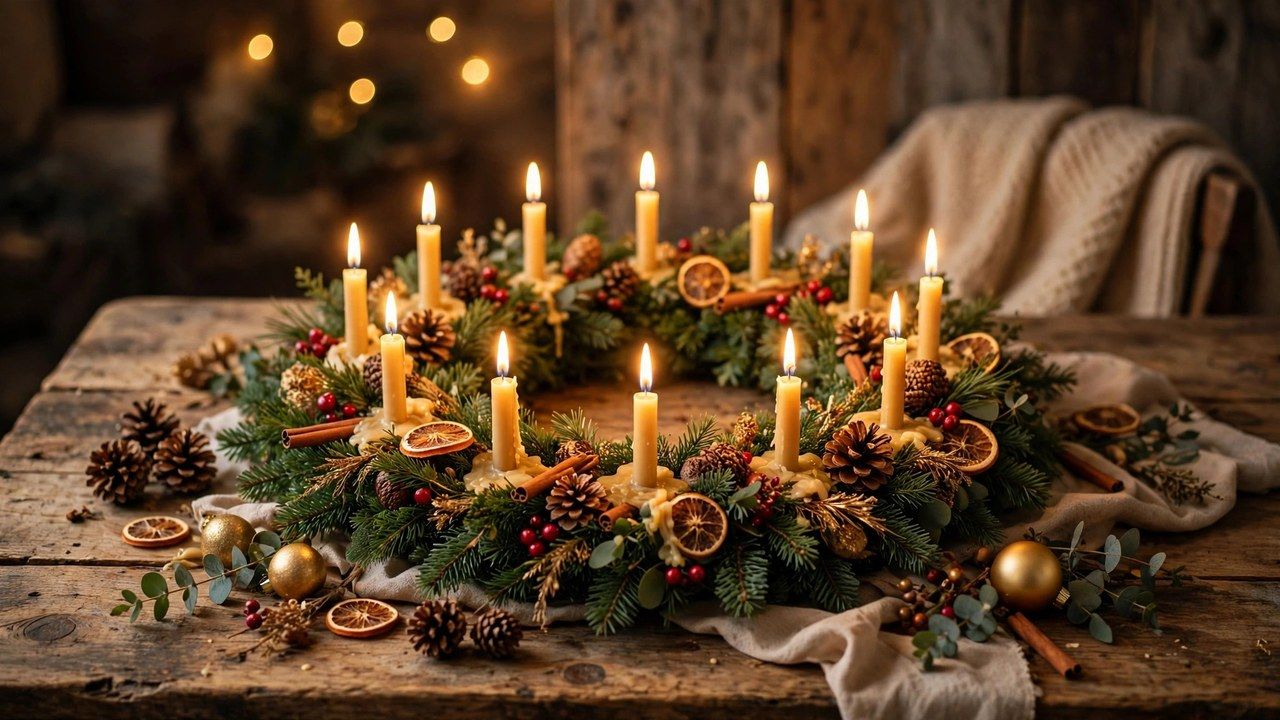
| 12 | Tuesday, January 5 | Twelfth Night: cake, candles and the tree’s farewell |
Notice what this calendar does to the usual holiday mood. Instead of one enormous day followed by a flat, grey letdown, the celebration is spread across nearly two weeks at a pace a real household can actually enjoy.
Advent and the Twelve Days Are Opposite Seasons
The confusion is understandable, because December is crowded. Advent is the season of waiting and preparation that comes before Christmas. In 2026 it begins on Sunday, November 29, and runs to December 24. Advent calendars count those waiting days, opening one door at a time toward the feast. The twelve days sit on the other side of the line: they are the feast itself, extended.
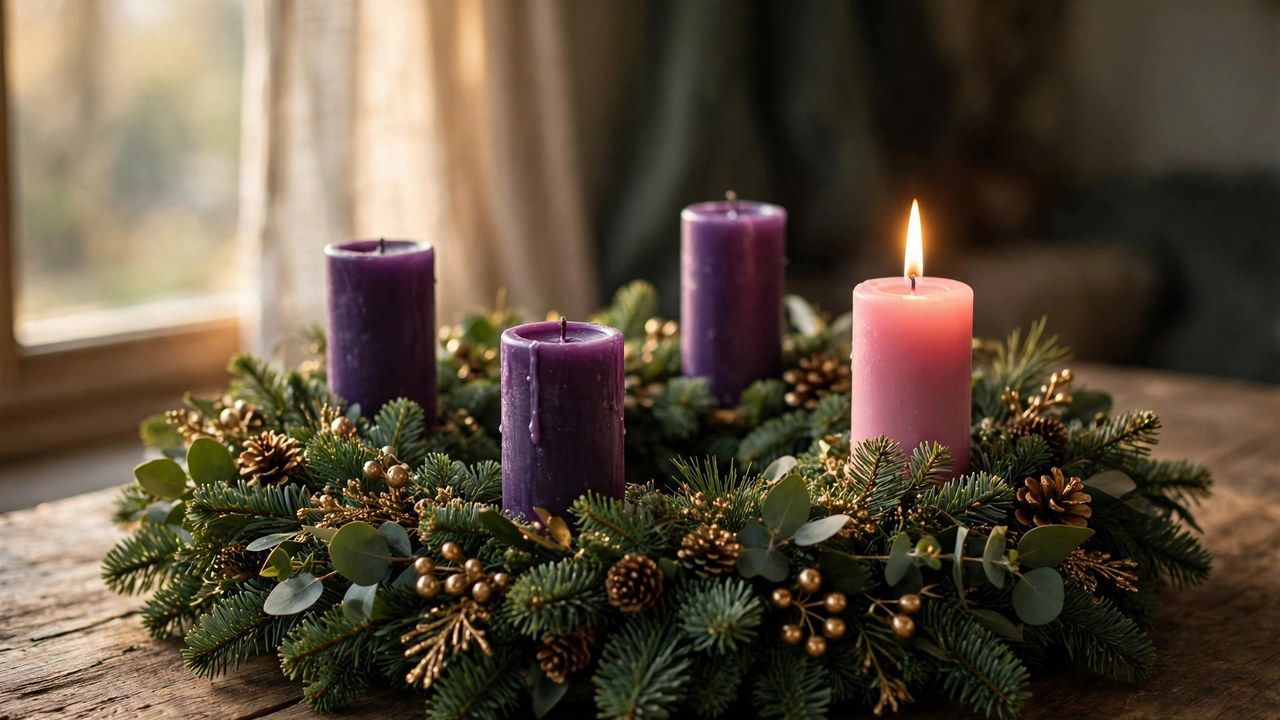
A useful way to hold the two apart is this: Advent asks, “are we ready?” Christmastide answers, “now we celebrate.” Households that keep both often light Advent candles in December, keep decorations up through January 5, and only then take the tree down. Our Christmas Eve traditions guide sits right at the hinge between the two seasons.
Where the Tradition Comes From
The twelve day feast took shape in the early centuries of the church, when major feasts were celebrated not as single days but as seasons. Christmas, like Easter, was considered too large for one day, so the celebration stretched to Epiphany, the feast marking the visit of the Magi and, in Eastern tradition, the baptism of Christ. Over time the days in between gathered their own observances, including St. Stephen’s Day on December 26 and other saints’ days.
In much of Europe the season shaped ordinary life: work slowed, visiting and feasting filled the days, and Twelfth Night, the evening of January 5, became a final party of games, cake and role-reversing mischief in earlier centuries. Many of the customs in our Christmas traditions around the world roundup belong to these twelve days rather than to Christmas Day itself.
The Carol: A Memory Game, Not a Shopping List
The song “The Twelve Days of Christmas,” first published in England in the late 1700s, is built as a cumulative memory game: each verse repeats every gift before it, which is why it is both beloved and quietly exhausting to sing. The gifts, from partridges to drummers, pile up as the joke. A popular modern claim says each gift secretly encodes religious teaching; historians generally treat that decoding as a later invention rather than the song’s original purpose, so enjoy it as a story, not a certainty.
One detail the song does get right is timing: the giving happens “on” the twelve days after Christmas, matching the calendar above. If your family sings it, try starting on December 25 and adding one verse per day. Children who cannot sit through all twelve verses on Christmas Day manage it happily in daily installments.
How Families Mark the Days Now
You do not need a plan for every day. The modern version of Christmastide is mostly a permission slip: keep the lights on, keep visiting, and stop treating December 26 as the end. Families often keep the tree and decorations up until Twelfth Night or Epiphany, save one present to open on a later day, and use the quieter days for the gatherings that never fit before the 25th.
Small rituals work better than grand ones. A walk on the second day, a board game tournament spread across several evenings, thank-you notes on the third or fourth day, and a special cake on Twelfth Night give the season a shape without a schedule. Our Christmas Day schedule guide handles the big day itself; the twelve days are deliberately the slower sequel.
There is also a practical gift hiding in this calendar: it gives the season a second, calmer shopping and visiting window. Friends who could not meet before the 25th can meet on the 29th without apology, gifts can be exchanged in the quiet week when nobody is exhausted, and the sales after Christmas stop being a frenzy and become a stroll. Families who try the twelve day rhythm once rarely go back to cramming everything into a single day.
Common Misconceptions, Corrected Gently
“The twelve days end on Christmas.” They begin there. Advent calendars ending on December 24 or 25 are counting a different season. “Taking the tree down on December 26 is traditional.” The older tradition keeps it up until January 5 or 6; early removal is a modern habit, and either choice is fine as long as it is a choice. “Twelfth Night is January 6.” Twelfth Night is the evening of January 5, the eve of Epiphany, though celebrations blur across both. “It is only a religious observance.” Its roots are religious, but its modern life, as a slower, longer holiday, belongs to anyone who wants it.
Honest Pros and Cons of Celebrating All Twelve Days
Pros: the holiday pressure drops, because not everything has to happen on one day; visits, rest and leftovers all get their moment; and the house stays festive through the darkest stretch of winter. Cons: work and school schedules ignore the tradition, real trees may be drying out by early January and need water and care, and some people genuinely prefer a clean break on the 26th. The middle path most households land on is simple: decorations up until January 5 or 6, no obligations in between.
Conclusion
The 12 days of christmas are not a countdown but a continuation: December 25 to January 5, from Christmas Day to the doorstep of Epiphany. Think of Advent as the held breath and these twelve days as the long exhale, and the whole season suddenly makes sense.