Boxing Day is the quiet day after the loud one. Christmas Day is the feast, the family, the tree and the presents; Boxing Day is the morning after, when the house is still decorated, the fridge is still full, and nobody has to be anywhere. It falls on December 26, the day after Christmas Day, and in 2026 it is a Saturday, which makes it an easy day to spend exactly as you like. In Britain, Canada, Australia and New Zealand it is a public holiday, a day of rest, leftovers, sport and sales. This guide tells the history of Boxing Day, the traditions that still survive, how to spend a relaxing day at home, and how to shop the sales wisely if you choose to go out.
What Is Boxing Day and Where Does It Come From
Boxing Day is December 26, the day after Christmas Day. Its name comes from the Christmas box: in Britain in the seventeenth and eighteenth centuries, servants, tradespeople and the poor received a box on the day after Christmas, containing money, gifts and leftovers from the Christmas feast. Servants, who had worked on Christmas Day serving their employers, were given December 26 as a day off, and they took their box home to their families. The tradition was also linked to the church: alms boxes in churches were opened on December 26, the feast day of St. Stephen, and the money was given to the poor. Over time, Boxing Day became a public holiday in Britain and across the Commonwealth: the United Kingdom, Canada, Australia and New Zealand all observe it, and it is also marked in Ireland as St. Stephen's Day. In the United States it is not a public holiday, though the sales have crossed the Atlantic. The box is gone, but the spirit remains: a day after the feast, given over to rest, to family, and to sharing what is left.
Boxing Day Traditions Around the World
Boxing Day is celebrated differently in every country that observes it. In the United Kingdom, it is a day of leftovers, long walks, and sport: football matches, horse racing and, in some villages, the traditional fox hunt, now held as a trail hunt. In Canada, Boxing Day is the biggest shopping day of the year, with sales rivalling Black Friday, and it is also a day for family, skating and hockey. In Australia, Boxing Day is the start of the Sydney to Hobart yacht race, watched from the harbour, and the first day of the Boxing Day Test cricket match in Melbourne, which draws crowds of tens of thousands. In New Zealand, Boxing Day is a day for the beach, the cricket and the sales. In Ireland, December 26 is St. Stephen's Day, and the tradition is the Wren Day: groups of people in straw costumes, called wrenboys, go from house to house singing and collecting money for charity. In South Africa, December 26 is the Day of Goodwill, a day for rest and for giving to others. The details change, but the pattern is the same: the feast is over, and the day belongs to rest, to sport, and to the people you did not see yesterday.
A Relaxing Boxing Day at Home
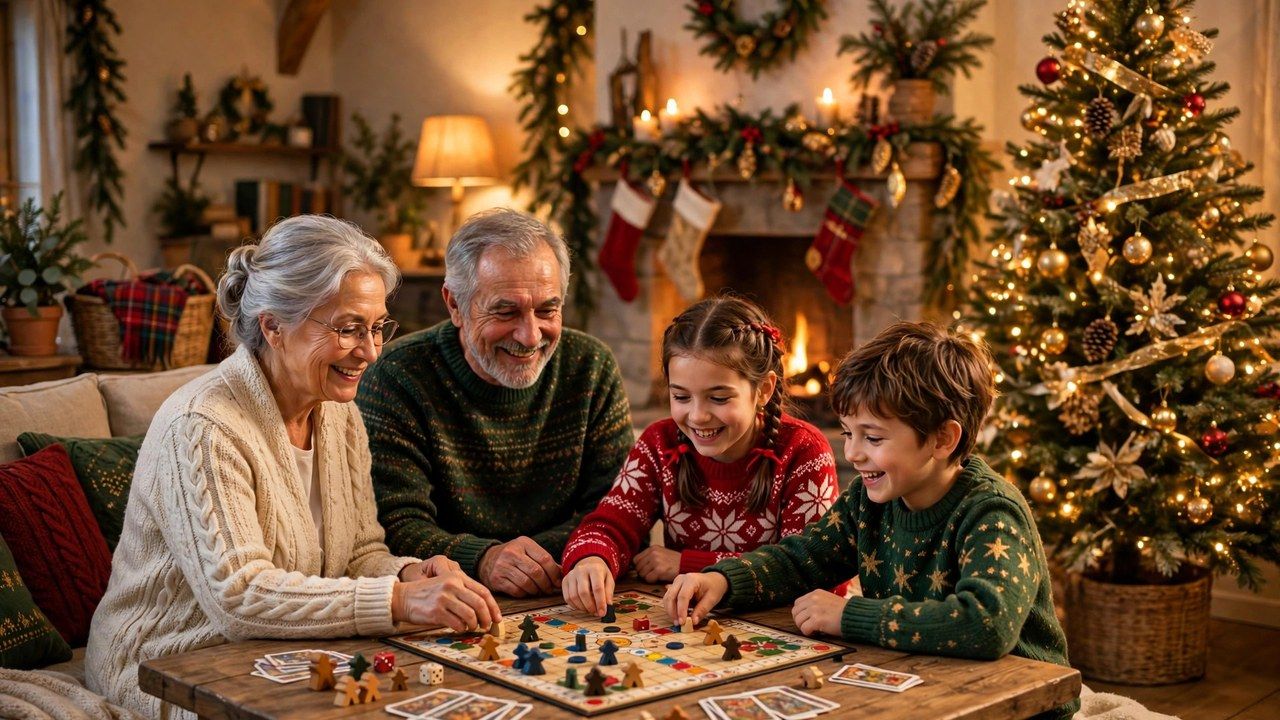
The best Boxing Day is a slow one. Sleep in, because nobody has to be anywhere. Eat the leftovers for brunch: cold turkey, bubble and squeak, and the last of the Christmas pudding, eaten in front of the tree. Go for a walk in the afternoon, because the fresh air after two days indoors is the best medicine, and because the streets are quiet. Play a board game in the evening, or watch a film together, or read a book by the fire. Leave the decorations up: the tree and the lights look best on Boxing Day, when there is time to sit and look at them. Do not do the washing up all at once: do it in small batches through the day, or leave it until tomorrow. Do not start the new year yet: Boxing Day is not for resolutions, it is for rest. If you have guests staying, give them a late breakfast and a quiet afternoon, and let them leave when they are ready. The house does not need to be tidy on Boxing Day; it needs to be comfortable. For more ideas for a slow day at home, see our Christmas movie night ideas and our Christmas games for family.
Leftovers: What to Cook and How to Store Them
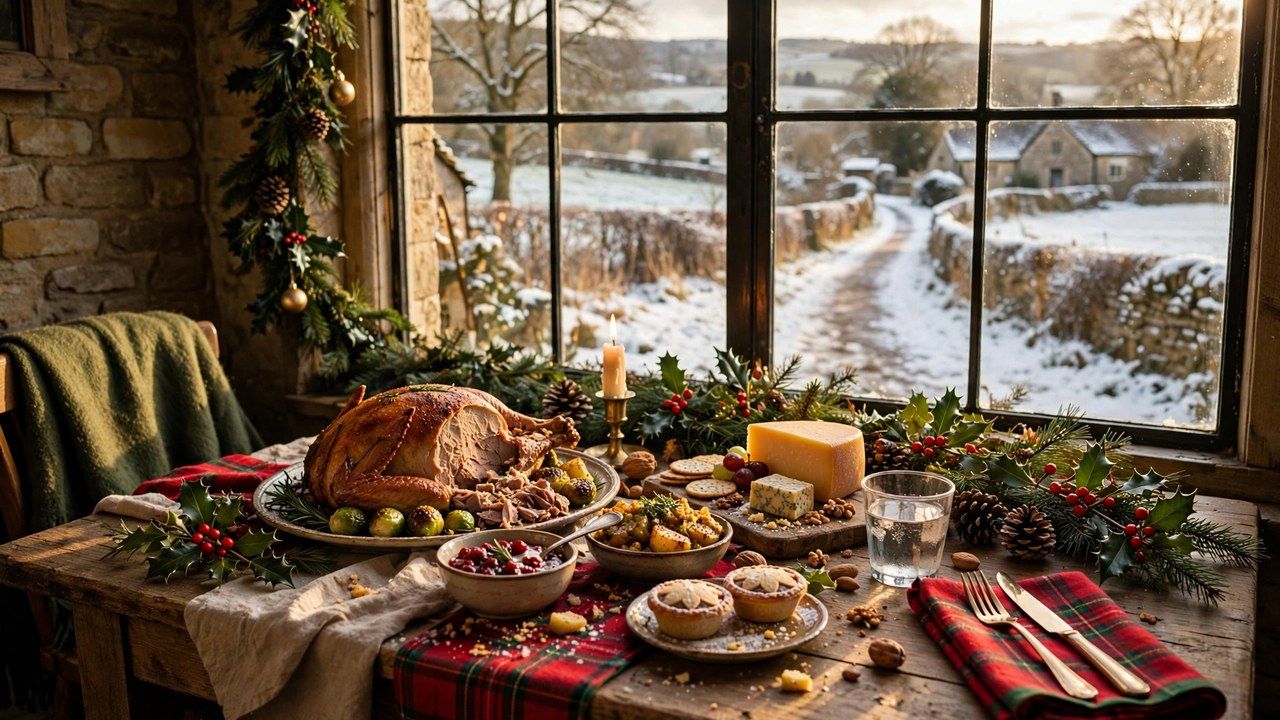
Leftovers are the heart of Boxing Day, and they need care. Cool the turkey, the ham and the vegetables within two hours of the Christmas meal, and store them in the fridge in sealed containers. Turkey keeps for three to four days in the fridge, and it is best eaten cold in sandwiches, or warmed gently in a pie. Bubble and squeak, made from leftover roast potatoes, sprouts and cabbage fried together in a pan, is the classic Boxing Day lunch, and it takes twenty minutes. Cold ham with pickles and bread is the simplest Boxing Day meal, and it needs no cooking at all. The Christmas pudding can be reheated in slices, fried in butter, and served with custard. Freeze what you cannot eat in three days: turkey freezes well for a month, and it makes a good curry or pie in January. Do not leave leftovers at room temperature for more than two hours, and do not reheat them more than once. Label the containers with the date, so you know what is safe to eat. For the Christmas menu itself, see our Christmas dinner menu.
Boxing Day Sales: How to Shop Wisely
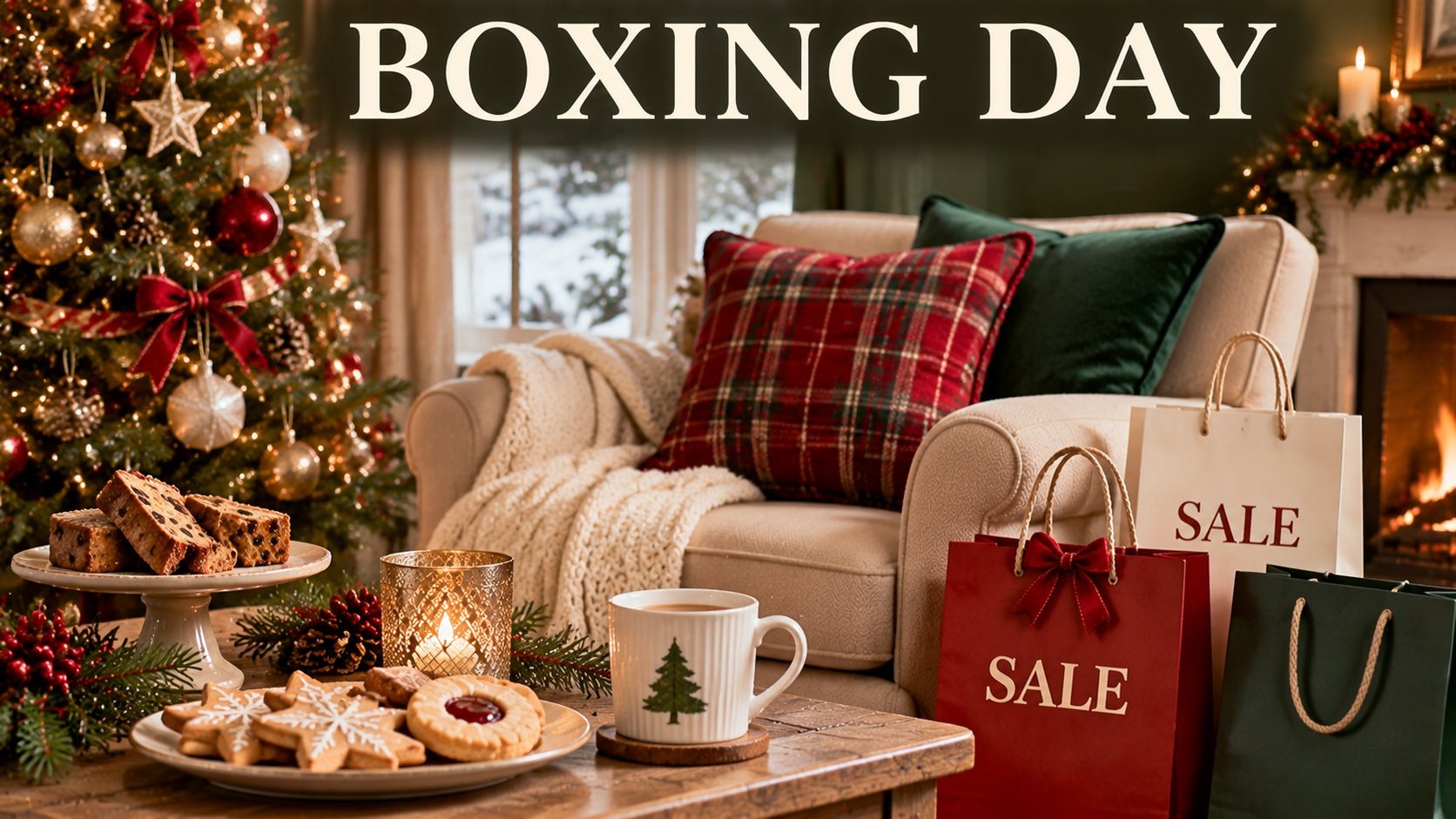
The Boxing Day sales are the biggest shopping event of the year in Britain and Canada, and they need a plan. Before you go out, make a list of what you actually need, and set a budget, because the sales are designed to make you buy what you do not need. Check the price of anything expensive before you buy it, because some sale prices are the same as the price last month, and a few are higher. Go early if you want the best choice, or go late if you want the deepest discounts, but do not go twice. Shop online if you can, because the queues are long and the crowds are real, and many of the best deals are online-only. Buy next year's Christmas decorations in the sales, because they are the deepest discounts of the year, and buy wrapping paper, cards and lights for next December. Do not buy a television or a sofa on Boxing Day unless you have researched it first, because the biggest discounts are often on last year's models. Keep the receipts, because sale items can be returned, and check the returns policy before you buy. For the deals themselves, see our Boxing Day deals.
Sport on Boxing Day
Sport is the second tradition of Boxing Day, after rest. In England, the football fixtures on Boxing Day are a tradition that goes back more than a century: every team in the league plays, the grounds are full, and the matches are the first thing many people watch after lunch. Horse racing is the other Boxing Day sport, with meetings across the country, and the King George VI Chase at Kempton Park is the feature race of the day. In Australia, the Boxing Day Test at the Melbourne Cricket Ground is one of the great events of the sporting year, and the Sydney to Hobart yacht race starts on the same day. In Canada, Boxing Day is a day for hockey: the World Junior Championship often starts on December 26, and families watch it together. If you do not follow sport, Boxing Day is still a good day for a walk, a swim, or a game in the garden: the point is to be outside, moving, after two days of eating indoors. Watch the sport, or play it, or ignore it entirely: Boxing Day belongs to you.
Boxing Day With Family and Friends
Boxing Day is the day for the people you did not see on Christmas Day. Invite the friends who spent Christmas alone, or the family who live too far away to come on the 25th, and give them a simple meal: cold turkey, ham, bread, pickles and the last of the pudding. Do not cook a second feast: the point of Boxing Day is that the cooking is already done. Play a board game, or watch a film, or sit by the fire and talk. If you have children, let them play with their new toys, and do not tidy them away: the house is allowed to look lived in on Boxing Day. If you are visiting someone, take a small gift: a bottle, a box of biscuits, or a bunch of flowers, and do not stay too long. The best Boxing Day visits are short and warm. For games, see our Christmas games for family, and for the party plan, see our Christmas party ideas.
Giving Back on Boxing Day
Boxing Day began as a day of giving, and the giving is still part of it. The original Christmas box was for the poor, and the alms boxes in churches were opened for them on December 26. Today, the giving takes different forms: donate the toys your children have outgrown to a charity shop, take the extra food to a food bank, or give the clothes you no longer wear to a shelter. Volunteer for an afternoon at a shelter or a food bank, if you can, because they need help most on the days after Christmas. Give the money you saved in the sales to a charity, or give your time to a neighbour who is alone. The giving does not need to be large: a small, thoughtful gift, given without being asked, is the spirit of the original box. For more on the season of giving, see our Christmas traditions around the world.
Boxing Day in 2026: Dates and Planning
In 2026, Boxing Day falls on Saturday, December 26, the day after Christmas Day, which is a Friday. Because it is a Saturday, most people have the whole weekend to recover: Christmas Day on Friday, Boxing Day on Saturday, and Sunday, December 27, as a third day of rest before the working week. If you are shopping the sales, the shops open early on Saturday, and the best choice is in the morning. If you are staying home, plan a slow day: a late breakfast, a walk, a film, and an early night. If you are travelling, book early, because the trains and roads are busy on Boxing Day, and the fares are higher than usual. The decorations can stay up until Twelfth Night, January 5, so there is no rush to take them down. Boxing Day 2026 is a Saturday, which makes it the easiest Boxing Day to enjoy in years: two days of rest after Christmas, and no work until Monday. For the history of the season, see our What is Boxing Day.
Conclusion
Boxing Day is the quiet day after the loud one: December 26, a day of rest, leftovers, sport and sales, with its roots in the Christmas box given to servants and the poor. In 2026 it falls on a Saturday, which makes it an easy day to spend exactly as you like: sleep in, eat the leftovers, go for a walk, watch the sport, or shop the sales with a list and a budget. Keep the decorations up, keep the cooking simple, and keep the day slow. For more about the day, see our What is Boxing Day, our Boxing Day deals, and our Christmas traditions around the world.