
A gratitude tree turns thankfulness into something you can see. Each paper leaf carries one note, and as the tree fills, the whole family can see how much good the year held. It is simple to make, it costs almost nothing, and it gives children and adults the same quiet job: to notice one good thing and write it down. This Thanksgiving gratitude tree guide turns thankful notes into a family tradition, with paper leaves guests add through the day.
The tree works best when it is part of the room, not hidden away. Place it where guests pass it, keep blank leaves and pens beside it, and invite everyone to add a leaf. The Thanksgiving hosting checklist can help you fit the tree into the arrival plan, and the Thanksgiving conversation starters guide offers more ways to share stories at the table.
How to Make a Gratitude Tree
Start with branches. Cut a few bare branches from the garden, or use a large branch in a tall, heavy vase weighted with stones so it cannot tip. Paper leaves can be cut from coloured card in leaf shapes, with a hole punched at the stem end and a loop of twine or ribbon through it. Keep a basket of blank leaves, pens, and extra twine at the base.
For a tabletop version, use a small branch in a jar, or a drawn tree on a large sheet of paper pinned to the wall, with paper leaves stuck on. For a lasting version, use a small artificial tree that can be stored and reused. Whichever form you choose, keep the leaves within reach of children, and place the tree away from walkways, flames, and food preparation areas.
24 Thankful Note Prompts
Use these 24 prompts when someone does not know what to write. One prompt per leaf is enough, and a short note is better than a long one.
Gratitude for people. (1) A family member who helped you this year. (2) A friend who made an ordinary day better. (3) A teacher, neighbour, or colleague who taught you something. (4) Someone you miss, and a happy memory of time with them. (5) A guest at the table, and what you enjoy about their company. (6) Someone who showed you kindness when you needed it.
Gratitude for home and food. (7) A meal you shared that you still think about. (8) A corner of your home where you feel most at ease. (9) Food on the table today, and the hands that prepared it. (10) A warm home on a cold day. (11) A garden, a view, or a walk near home that you love.
Gratitude for moments. (12) A morning that started well and set the tone for the day. (13) A laugh that you still remember clearly. (14) A quiet moment alone that helped you rest. (15) A celebration, big or small, from this year. (16) A new place you visited, or a familiar place you returned to.
Gratitude for challenges and growth. (17) A hard time that taught you something useful. (18) A skill you learned or improved this year. (19) A habit you changed for the better. (20) A fear you faced, even in a small way.
Gratitude for small joys. (21) A song, a book, or a film that lifted your mood. (22) A smell, taste, or sound that feels like home. (23) A pet, a plant, or a wild animal that made you smile. (24) A small kindness you gave, and how it felt.
A Gratitude Tree Ritual That Fits Your Family
Choose a rhythm and keep it simple. Some families add one leaf per person each evening in the week before Thanksgiving. Others add leaves only at dinner, with each guest writing one note before dessert. Some families read the leaves aloud after dinner, while others keep them private and read them together later. Any rhythm works, as long as it is regular and unforced.
Let children write or draw their notes, and help younger children by writing down what they say. Let older guests write as much or as little as they wish, and never require anyone to share a note aloud. A gratitude tree should feel welcoming, not like homework. If a guest prefers to hang a blank leaf or a drawing, that counts too.
Reading, Keeping and Displaying the Leaves
After Thanksgiving, gather the leaves and read them together, or keep them in an envelope marked with the year. Some families tie the leaves into a bundle and hang them the following year beside new leaves, so the tree carries its own history. Others press a few favourite leaves into a scrapbook or a frame.
Store paper leaves flat and dry, away from sunlight, so the ink does not fade. If the tree itself is artificial, pack it with the leaves in a labelled box, ready for next November. The Thanksgiving morning traditions guide offers more ways to build a family ritual, and the Thanksgiving bingo guide offers a livelier activity for after the tree is read.
Conclusion
A gratitude tree asks for very little and gives a great deal: branches, paper, pens, and a moment of attention each day. Fill it slowly, read it together, and keep the leaves. Year after year, the tree will hold a record of what your family was thankful for, in their own words.
Shop the Look: Gratitude Tree Supplies
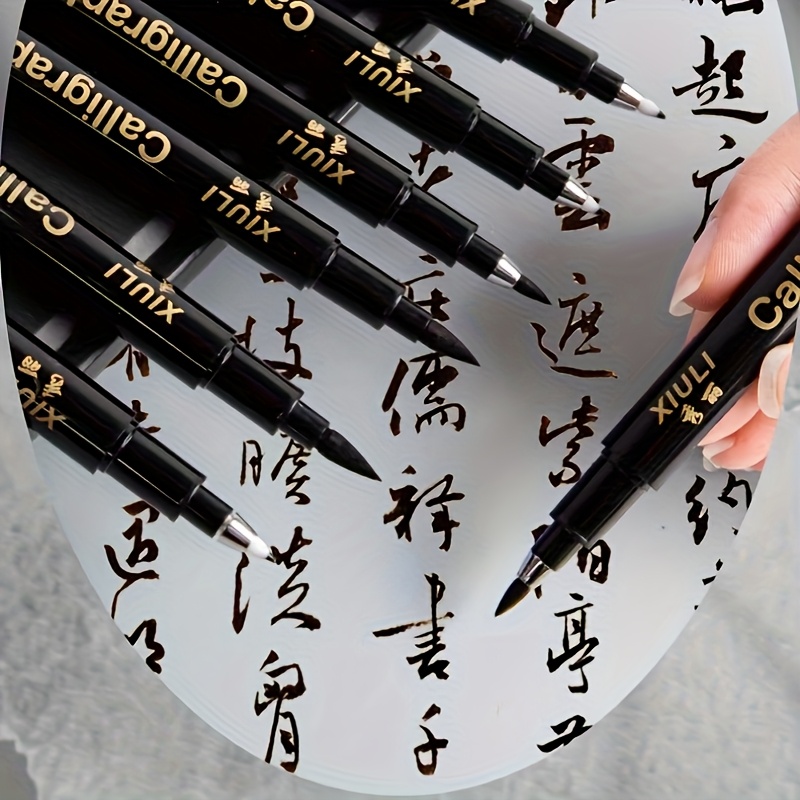
Vases to hold branches, lights to dress the tree, and pens for writing thankful notes.





As an affiliate, EventBuzz may earn a commission on qualifying purchases at no extra cost to you.