A frozen turkey is the one Thanksgiving job that cannot be rushed at the last minute. Thawing is slow by design: the bird must stay cold while the centre thaws, so the outside does not spend hours at a temperature where bacteria can grow. The good news is that safe thawing is simple once it is planned. Choose the fridge method when you have time, use the cold water method when you need speed and can stay nearby, and have a backup plan ready in case the turkey is still icy on the morning you planned to cook it. This guide covers how to thaw a Thanksgiving turkey safely, with fridge thawing and cold water thawing for the main methods.
Thawing in the Fridge: The Safest Method
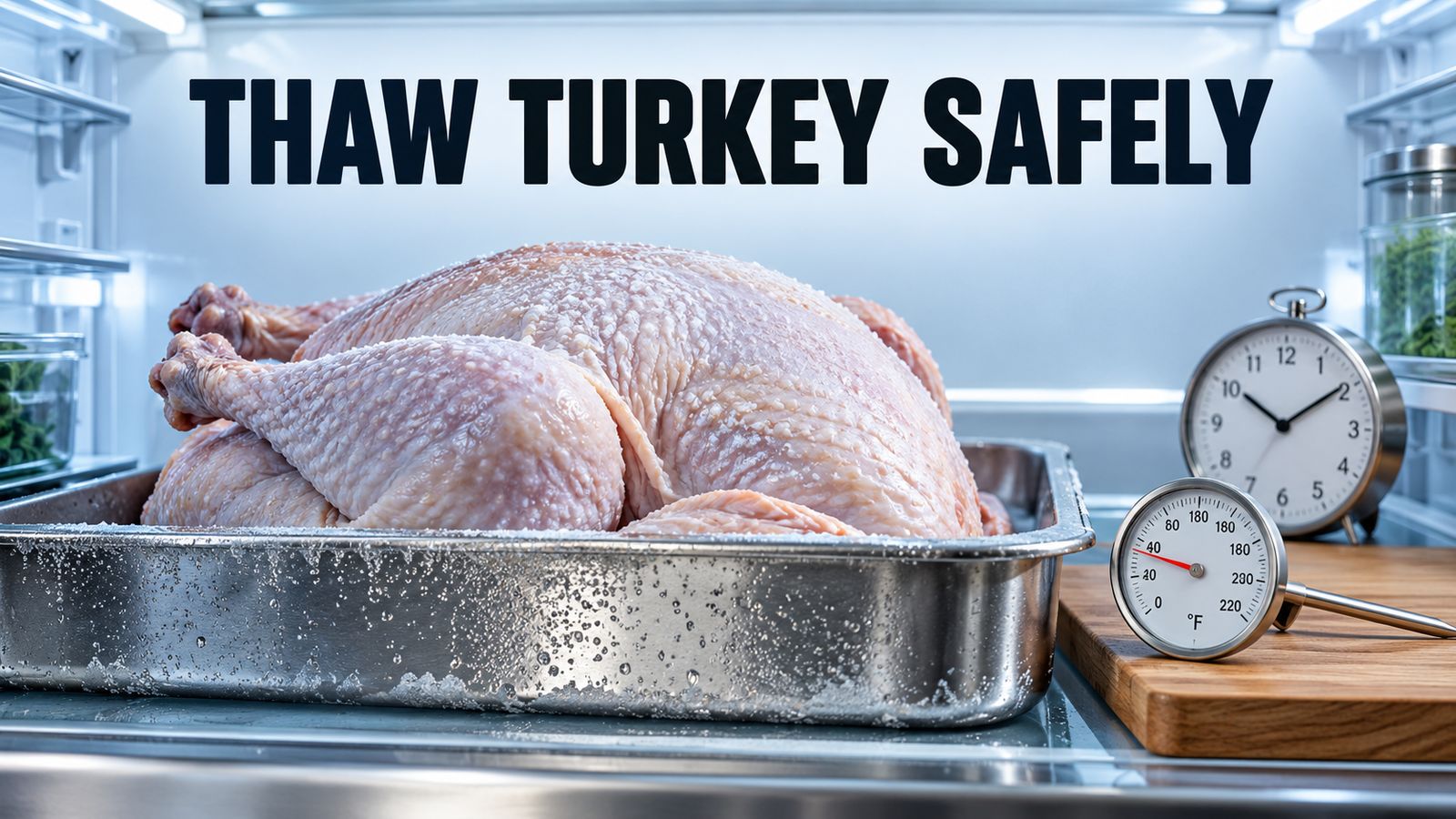
Fridge thawing is the most forgiving method because the turkey stays cold from start to finish. Keep the turkey in its original wrapping, place it on a tray or in a shallow pan with a rim, and set it on the lowest shelf of the fridge so any juices cannot drip onto food below. The tray catches drips and keeps the fridge clean. Leave plenty of time: a large turkey needs several days in the fridge, while a smaller bird or a turkey breast needs less time, so start earlier than you think you need to and check the bird a day before cooking.
Once thawed in the fridge, the turkey can safely wait there for a short time before cooking, which gives you useful flexibility if plans shift by a day. Do not refreeze a turkey that has thawed in the fridge and then sat out at room temperature, and do not leave a thawed turkey sitting on the counter. Keep it cold, keep it covered, and move it from the fridge to the oven or cooker without a long stop at room temperature. Your Thanksgiving countdown timeline is the right place to write the thawing start date down, so it is not left to memory in a busy week.
Cold Water Thawing: Faster, With Steady Attention
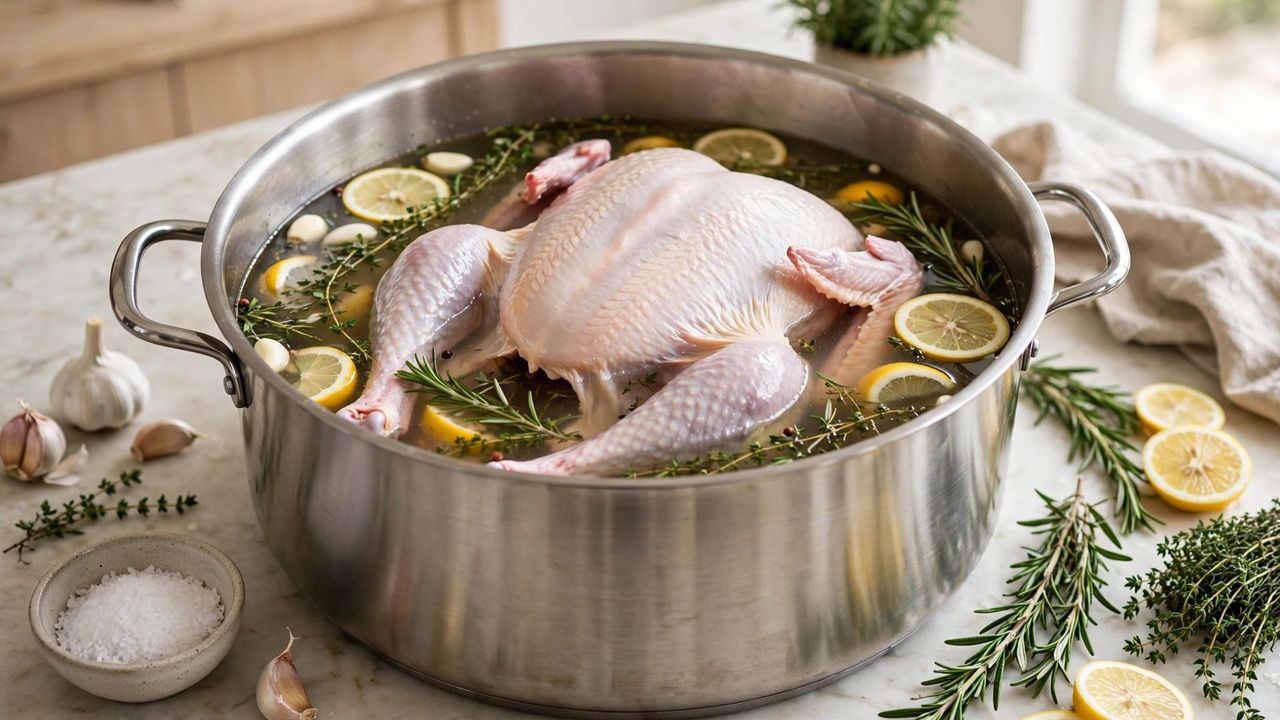
Cold water thawing is the faster option, but it asks for attention. Keep the turkey sealed in leak-proof wrapping, submerge it fully in cold water in a clean sink or a large container, and change the water often so it stays cold. Warm or hot water is not a shortcut: it warms the outer layers while the centre stays frozen, which is exactly what safe thawing tries to avoid. A turkey thawed in cold water should be cooked promptly once it is thawed, rather than returned to the fridge for another day.
Check the bird as you go. The breast, thighs, and the cavity should feel pliable, with no hard icy core, and the giblet packet inside the cavity should come out easily. If the centre still feels frozen, keep going with fresh cold water and patience rather than forcing the bird into the oven. Rushing a partly frozen turkey leads to uneven cooking, with the outside overdone before the inside is cooked through. Pair this method with the Thanksgiving turkey recipes guide once the bird is ready, so the cooking plan is already decided.
Last Minute Fixes When the Turkey Is Still Frozen
If the turkey is still partly frozen on cooking day, do not panic and do not put a frozen bird in a slow cooker. The slow cooker heats too gently for a frozen bird, and the centre can stay at an unsafe temperature for too long. Instead, consider the options that keep the meal safe and on time. A smaller turkey breast thaws and cooks far faster than a whole bird, and it can be the main event while the frozen bird stays safely in the fridge for another day. Many cooks also plan a second centrepiece, such as a roast chicken or a hearty vegetarian main, so dinner does not depend on one bird.
Another honest fix is to change the menu rather than the safety rules. Serve the sides, soups, and desserts you already planned, as in the Thanksgiving side dishes guide, and let the turkey be the dish that follows when it is fully thawed and properly cooked. Buying a fresh, never-frozen turkey is another option where available, but only if it fits the budget and the shop still has stock. What never works is thawing at room temperature on the counter, thawing in hot water, or cooking a frozen bird in a low oven and hoping for the best.
Safe Handling From Fridge to Table
Safe thawing is only half the job; safe handling finishes it. Wash hands before and after handling raw turkey, keep raw turkey and its juices away from ready-to-eat food, and clean boards, knives, and surfaces that touched raw poultry before they touch anything else. Remove the giblets, pat the bird dry only if your recipe calls for it, and avoid rinsing raw poultry, which can spread droplets around the sink. Cook the turkey until it is cooked through, checking the thickest parts with a food thermometer rather than judging by colour or by time alone.
After dinner, the same care applies to leftovers. Carve the turkey off the bone, refrigerate leftovers promptly in shallow containers, and do not leave perishable food sitting out for hours while guests linger. The Thanksgiving leftover recipes collection turns those leftovers into new meals, but only if they were stored promptly and kept cold. When in doubt about a bird that has spent too long at room temperature, the safe choice is to discard it rather than risk a spoiled meal.
Thawing Planning Checklist
Write the plan down a week ahead. Note the day thawing starts, the method you will use, and the day you will check the bird. Clear a shelf low in the fridge, find a tray with a rim, and make sure the sink or container for cold water thawing is clean and large enough. Check the Thanksgiving grocery list at the same time, so the thermometer, roasting pan, and storage containers are already in the kitchen before the busy days arrive.
On the day before cooking, press the breast and thighs, check the cavity, and confirm the bird moves freely and feels fully thawed. If it does not, switch to the cold water method with fresh cold water and steady attention, or switch the menu to the backup plan. A calm check the day before is what turns thawing from a worry into a routine step, and it leaves cooking day free for the parts of Thanksgiving that deserve the attention.
Conclusion
Safe thawing is mostly planning: start early in the fridge, use cold water only with attention and fresh water, never thaw on the counter or in hot water, and never cook a frozen bird in a slow cooker. Keep the turkey cold, keep juices contained, check doneness with a thermometer, and refrigerate leftovers promptly. With the thawing date written down and a backup plan in mind, the turkey arrives at the oven ready, and the rest of the day can unfold without a last minute scramble.
Turkey Thawing Helpful Finds
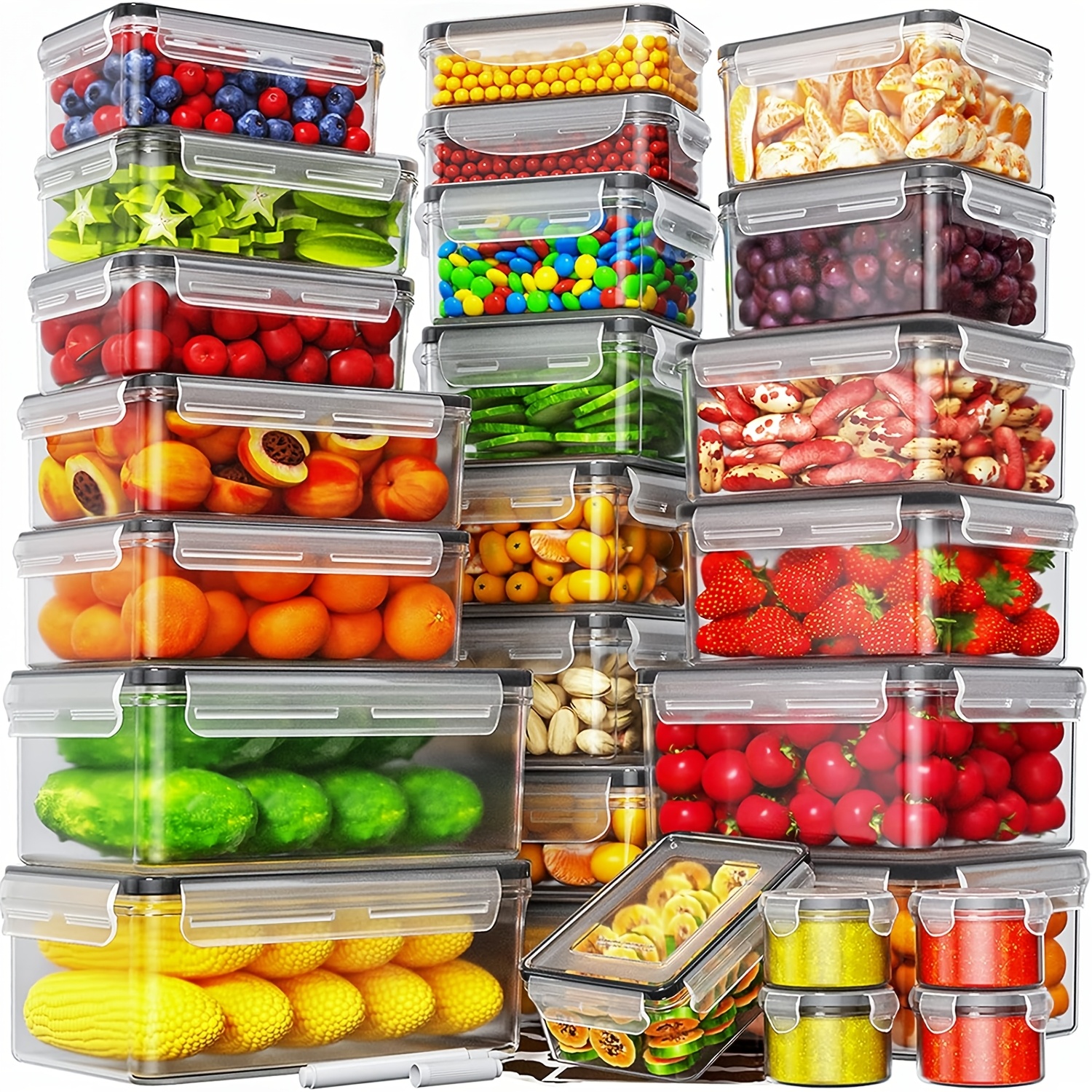
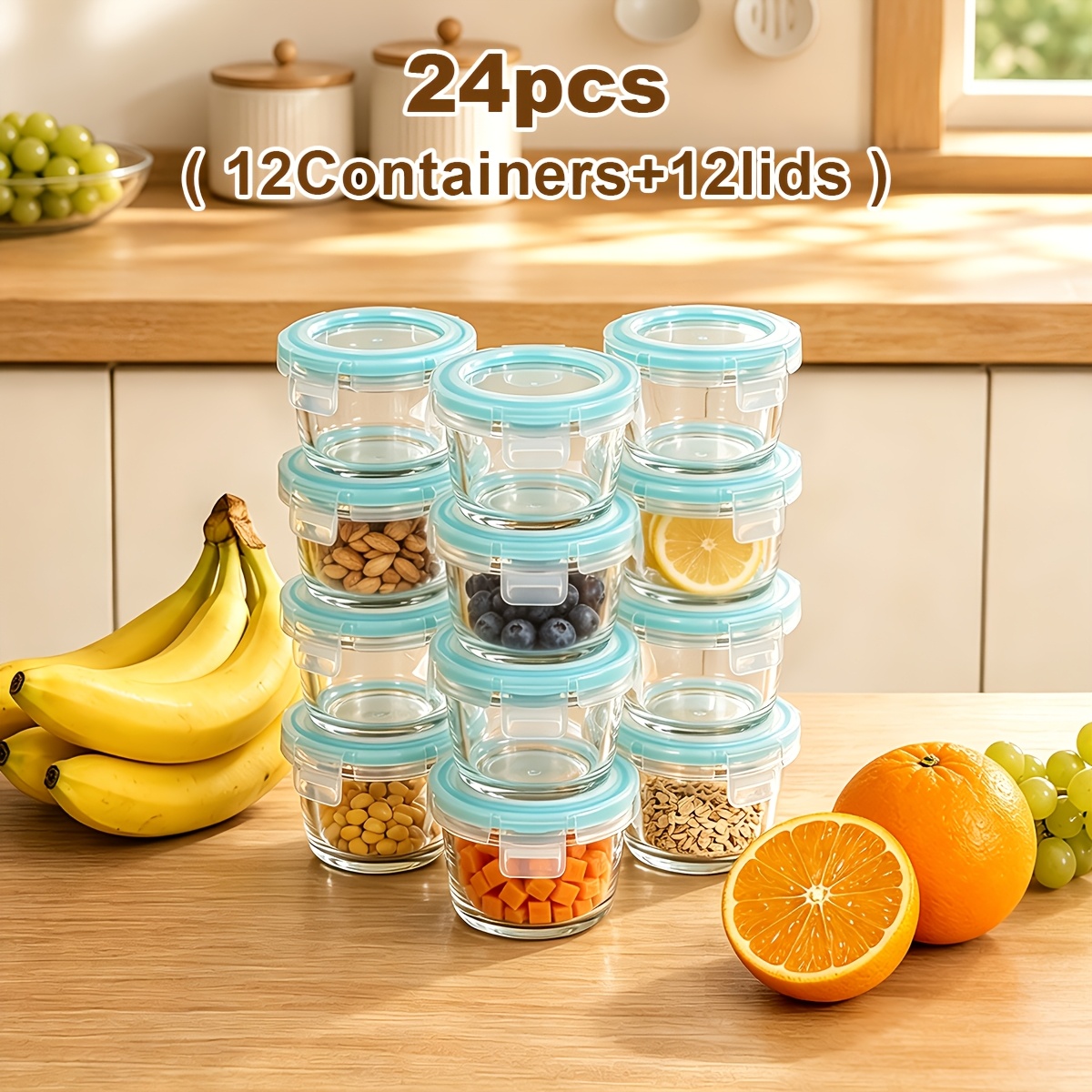
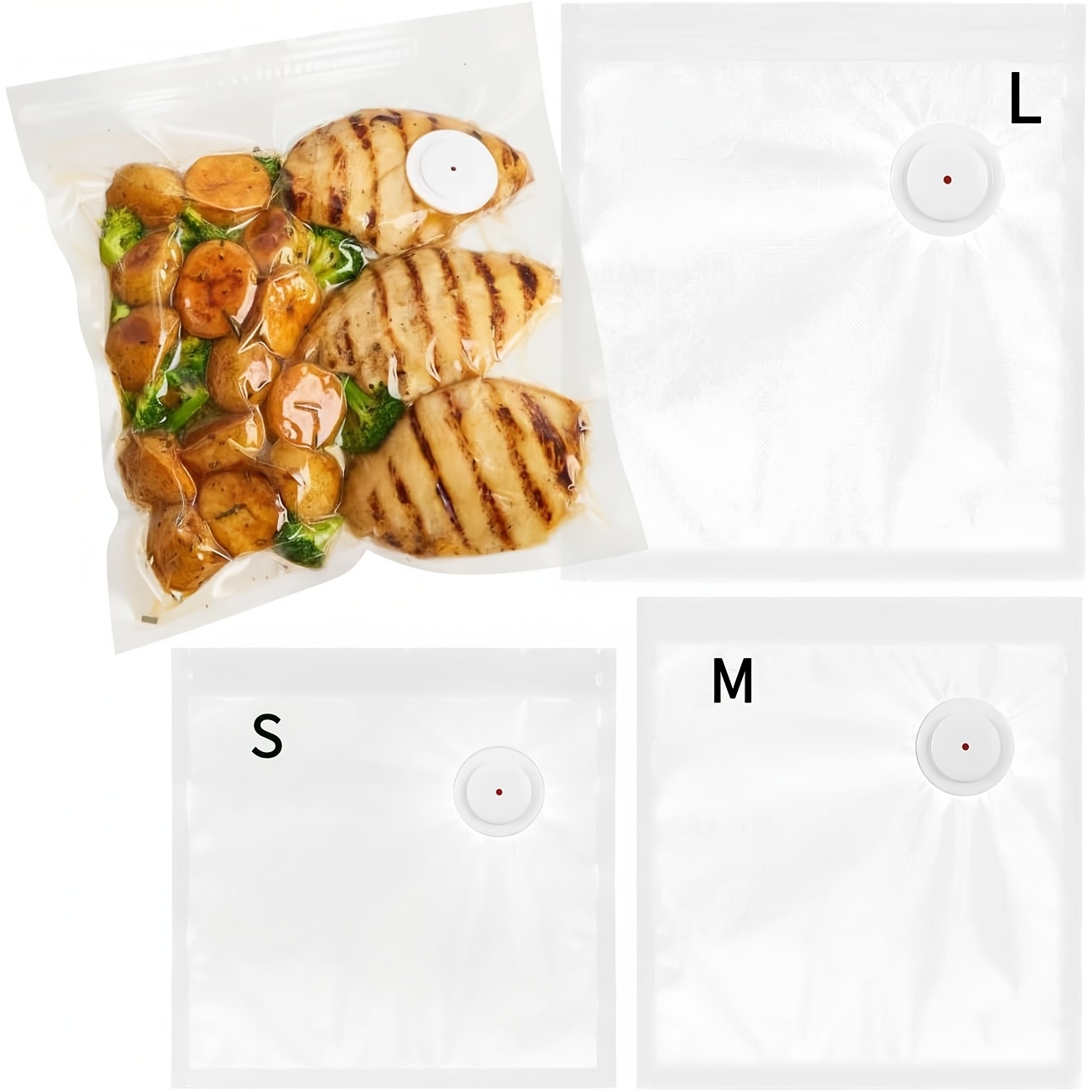
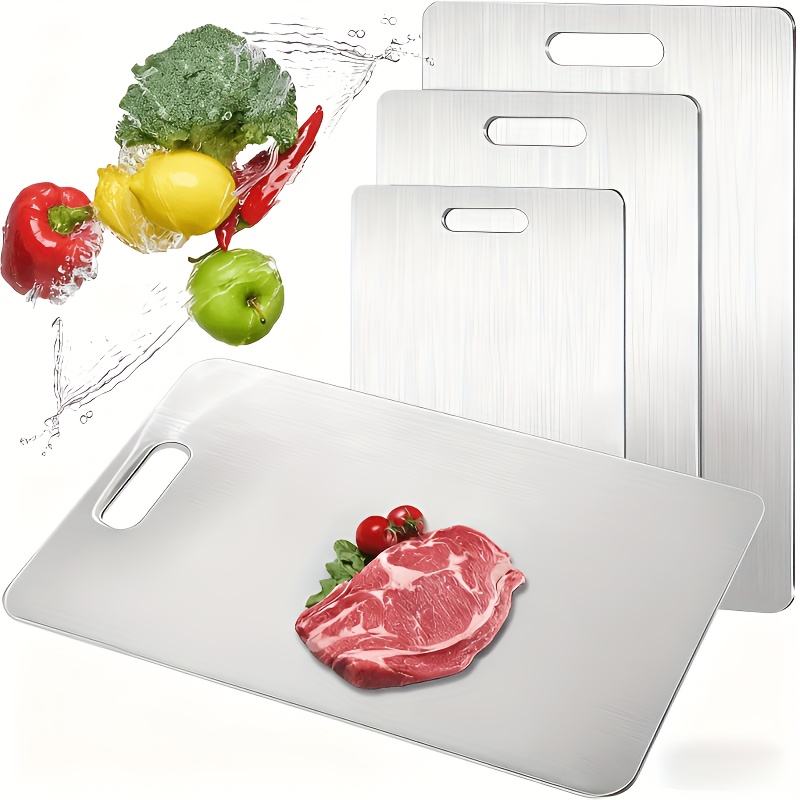
Storage containers, cutting boards, and fridge organisation for safe thawing, handling, and leftovers.

As an affiliate, EventBuzz may earn a commission on qualifying purchases at no extra cost to you.