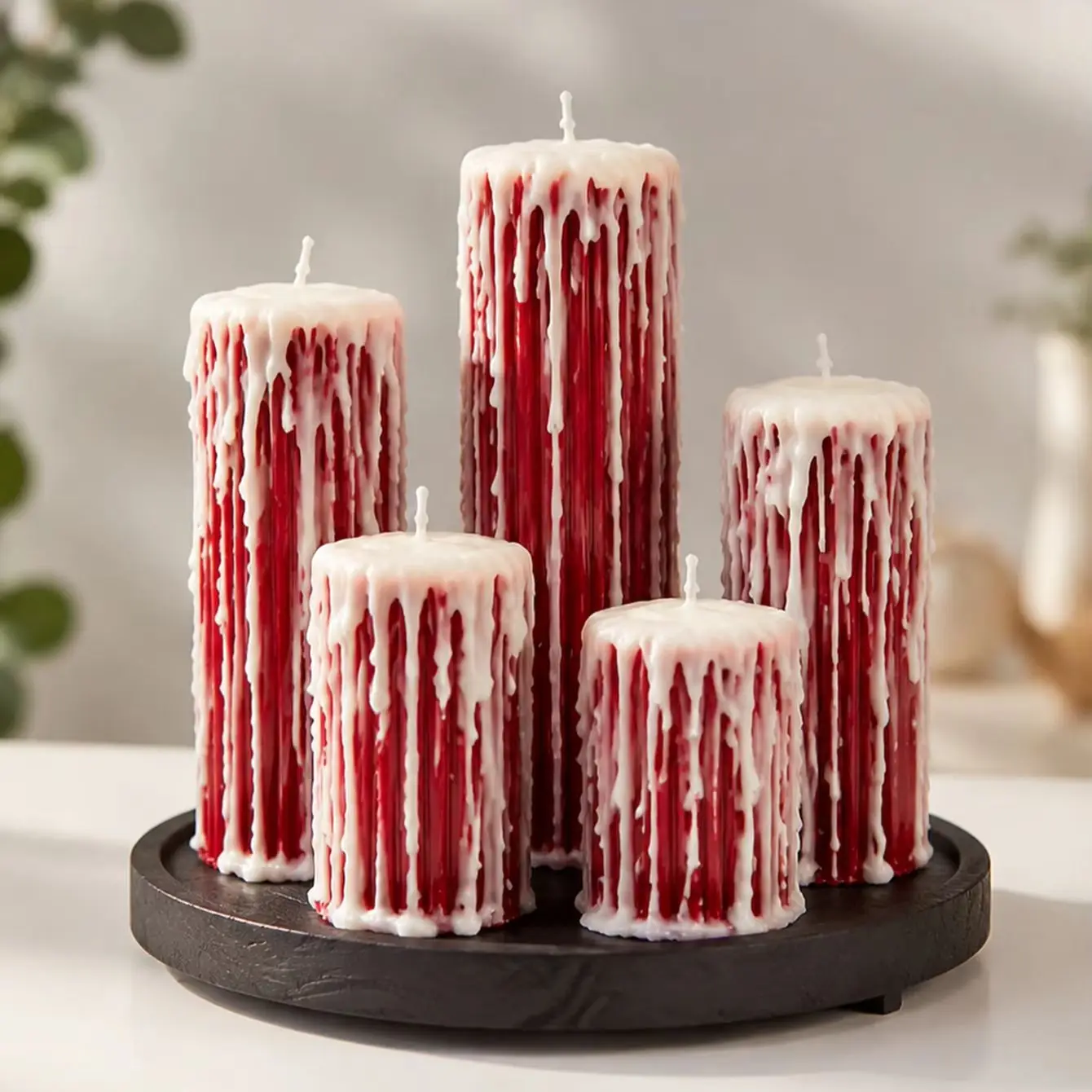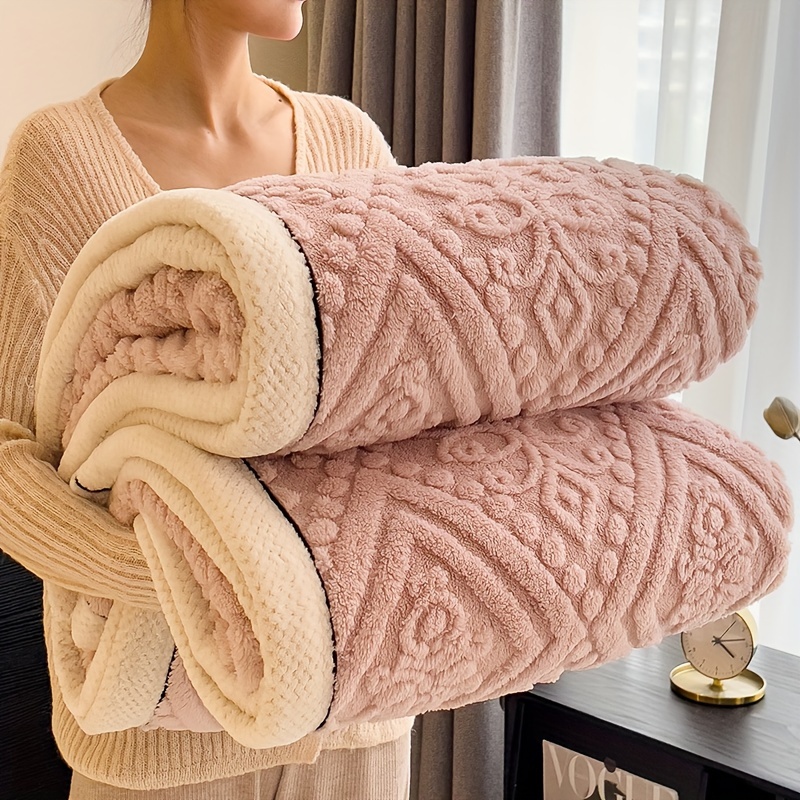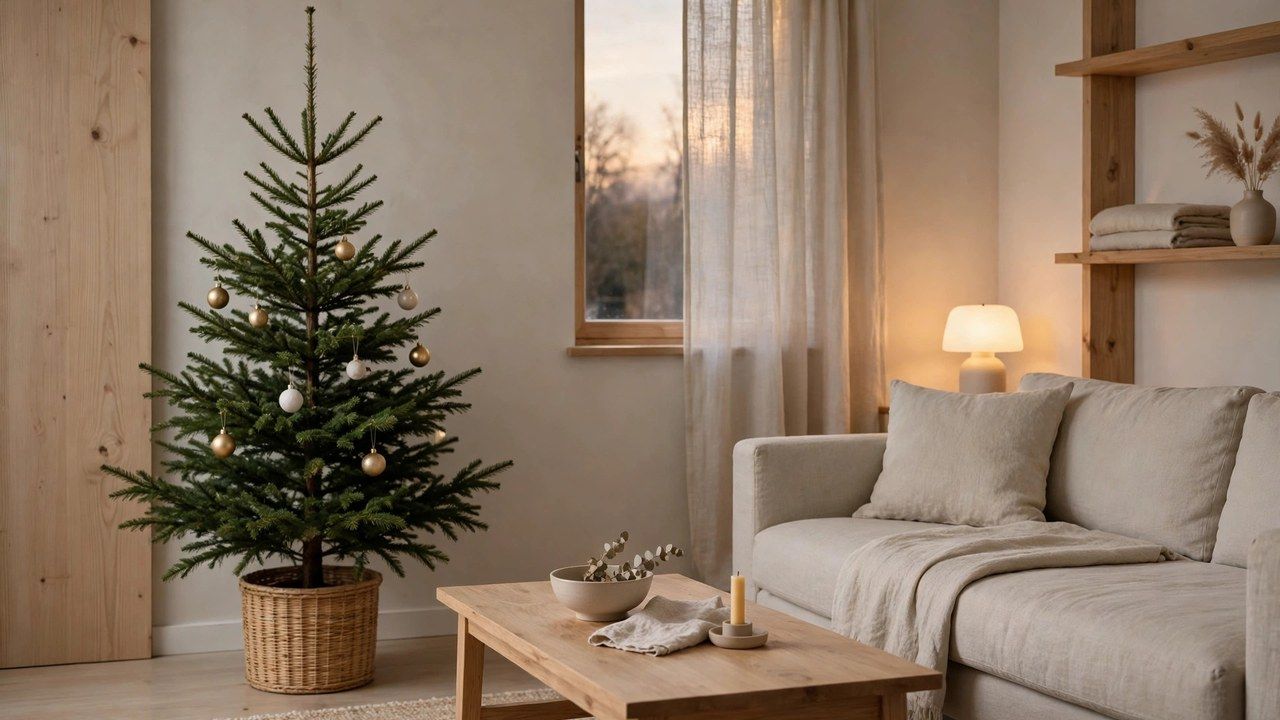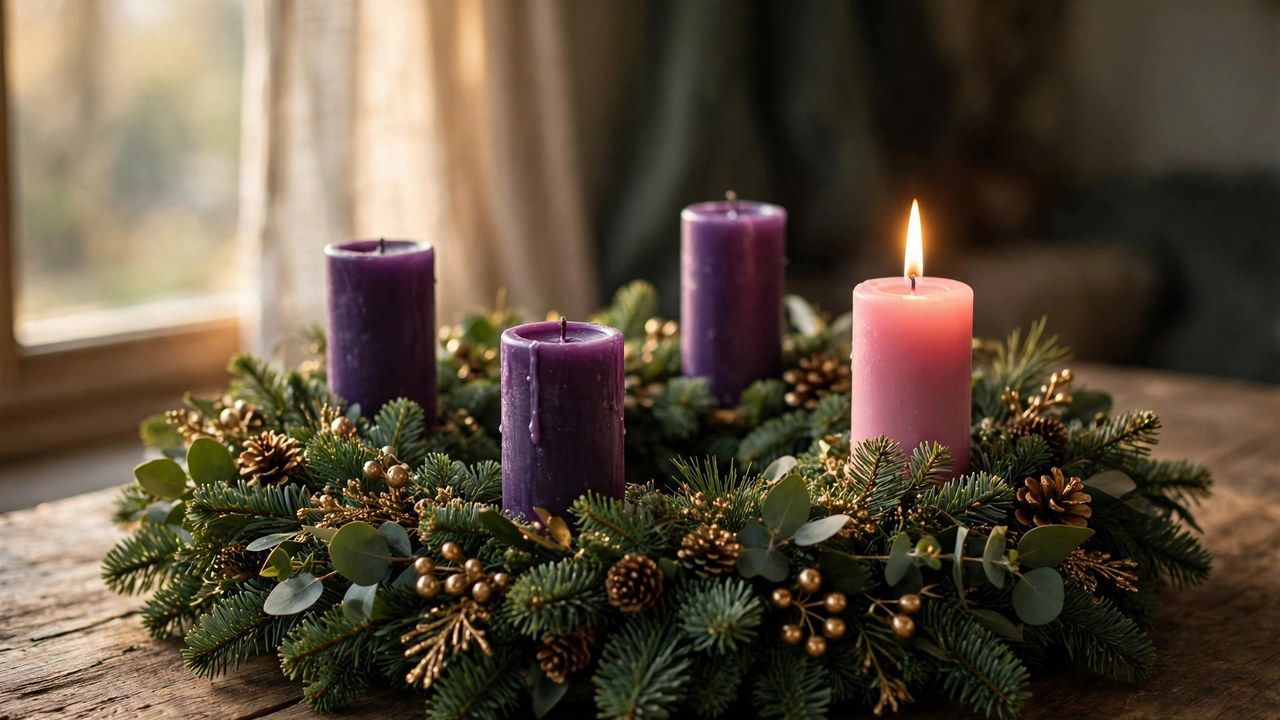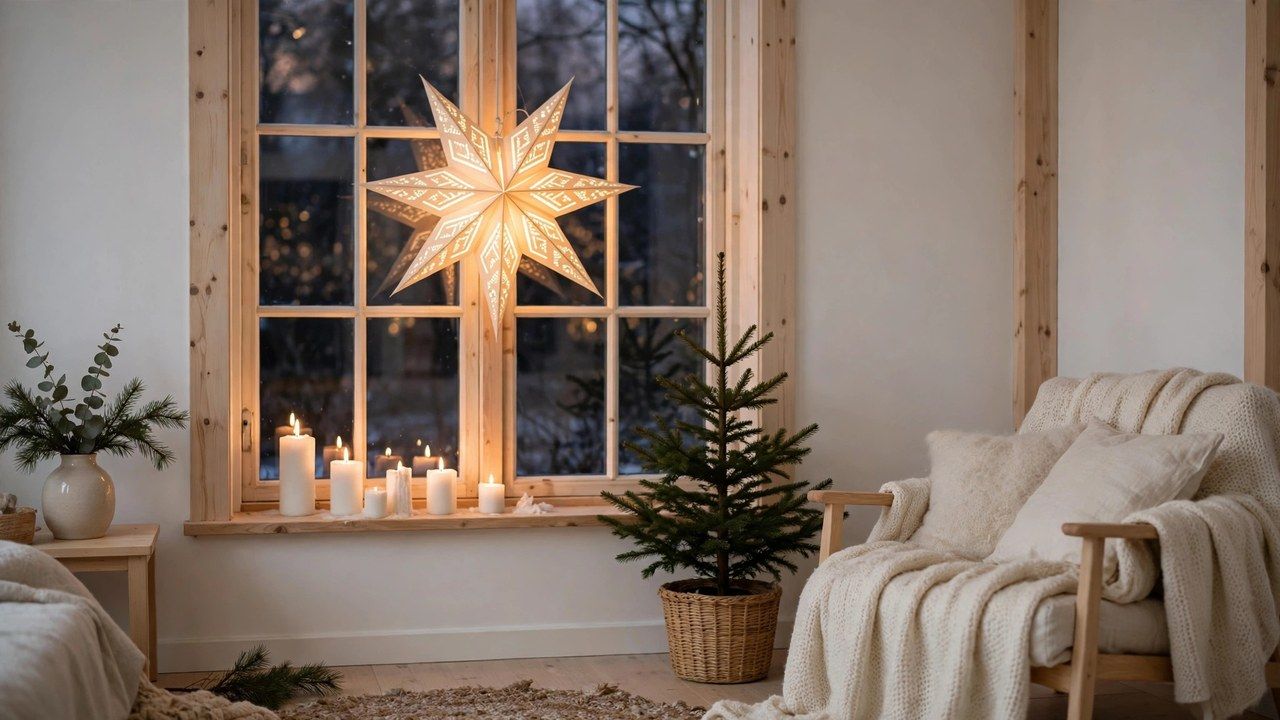
Scandinavian christmas decor is the deep breath of the holiday styles. In the far north, December is dark for most of the day, and the Scandinavian answer is not more decoration but more light, placed carefully in white, calm rooms. The look rests on pale wood, natural textiles, paper and straw, restrained greenery and candles everywhere, all in service of hygge, the Danish and Norwegian art of feeling warm, safe and unhurried. The candle and textile picks in the Scandinavian picks section below are chosen for exactly that job.
A useful distinction first: this is a named cultural aesthetic, not just minimalism with a tree. Our minimalist decor guide pursues calm through reduction in any palette. Scandinavian style has specific materials, motifs and rituals, tomte figures, straw goats, paper stars, Advent candles, that carry centuries of northern winter in them.
Hygge Is the Brief, Decor Is Just the Method
Hygge is often translated as coziness, but it is closer to a practice: creating warmth and togetherness deliberately when the world outside is cold and dark. In a Scandinavian Christmas room that means light at human height, places to sit close, hot drinks within reach, natural materials under the hand, and an absence of visual noise. Every object in the room should either give light, give warmth or hold a memory.
This is why the style suits modern life so well despite its age. It asks you to remove things until the room feels calm, then add candles until it feels alive. If you decorate in that order, calm first, glow second, you will land in the right place even with pieces no Scandinavian would recognize.
The Palette: White on White, Wood, One Quiet Red
The base is white in its warm forms: painted walls, pale floors, white and undyed linen, sheepskin and raw wool in cream and oatmeal. Light woods, pine, birch and ash, supply the warmth that stops white feeling cold. Green comes only from the tree and simple greenery. Red, the traditional accent, appears the way it does in a Swedish cottage: a ribbon, a cushion stripe, heart ornaments, small and deliberate against all that calm.
Black is the style’s secret punctuation: an iron candle holder, a picture frame, the silhouette of a paper star’s cord. Used in tiny amounts it sharpens the white without disturbing it. Silver and glitter mostly stay out; the northern light palette prefers matte, woven and carved surfaces, which is why it photographs so softly.
Candlelight: The Heart of the Northern Christmas
Scandinavians burn more candles per person than almost anyone, and December is why. Candlelight is not an accent in this style; it is the lighting plan. Cluster white candles on the table, the windowsill, the mantel and the steps of an Advent candle holder, and let them, rather than ceiling lights, define the evening room. A clean white candle set, like the one in our picks below, is the single most authentic purchase the style asks for.
The Advent tradition structures the month: four candles, one lit on each Sunday of Advent, which begins Sunday, November 29, 2026, as our Advent explainer describes. Safety is part of the tradition’s modern form: candles in holders on stable surfaces, never near the tree or curtains, never left burning in an empty room, and quality LED candles welcomed in the risky places, especially with children and pets.
Paper, Straw and Wood: The Material Language
The classic Scandinavian Christmas objects are made of humble materials worked beautifully. Paper stars hang in windows, glowing from a bulb inside, a sight across Scandinavian towns all December. Straw becomes wreaths, stars and the julbock, the Yule goat, one of the oldest figures of the northern Christmas. Turned and carved wood becomes candle holders, small trees and hearts. Red and white woven hearts, made from paper or fabric, hang on the tree.
These materials share a quality the style values over luxury: they look handmade because they often are, or honestly could be. A family afternoon making paper hearts and stars is not preparation for this Christmas style; it is the style, celebrated correctly. Children’s work belongs on the Scandinavian tree without apology or editing.
The Tree: Green, Honest and Lightly Dressed
The traditional tree is a real spruce or fir where possible, chosen for shape rather than perfection, and dressed with restraint: white and straw ornaments, red hearts, wooden figures, real candles in some traditional homes (a practice modern safety guidance replaces with LED versions), and plenty of green left visible. The tree should look like it is wearing a few beloved things, not a full costume.
At its base, keep the calm going: a simple woven or light wood collar, gifts wrapped in brown or white paper with string and a sprig of green, a sheepskin or woven rug beneath. The decorating order in our tree decorating guide still applies; simply stop two steps earlier than feels finished, and let the tree breathe.
Textiles and the Table: Where Warmth Is Felt
| Layer | Scandinavian choice | Effect |
|---|---|---|
| Throws | Cream flannel, wool, chunky knit | Warmth you can see from the door |
| Cushions | Linen, red stripe or heart motifs | The palette’s one gentle pattern |
| Table linen | White or undyed, woven texture | A calm field for candles and food |
| Centerpiece | Advent candles, moss, a few cones | Light and nature, nothing tall |
| Serving | Wood boards, white stoneware | Food as the color on the table |
The flannel throw in our picks earns its place here even though its pattern is quiet: a soft, thick layer over a chair or sofa end is the most-used object in a hygge room. Paired with the white candles, it covers the style’s two non-negotiables, warmth to touch and light to sit by. Our living room decor guide shows how these layers compose with a sofa and mantel.
Tomte, Gnomes and a Little Folklore
The small bearded figure with the tall hat is the tomte or nisse, a household spirit from Scandinavian folklore who was believed to watch over the farm and expect a bowl of porridge at Christmas. Modern versions, soft and faceless under their hats, have traveled the world as garden-gnome cousins, but at home they still carry the folklore with them: place one by the door or the tree, and let him keep his small, watchful dignity.
Honest pros and cons of the style: pros include a room that feels calm in the most hectic month, pieces that are inexpensive, natural and reusable, and evenings that genuinely feel warmer. Cons are real: white textiles and December mud are enemies, minimal styling shows every stray object, and households that love abundance may find it spare. The Scandinavian answer to all three is the same: this is a style for the people in the room, not for display.
Conclusion
Scandinavian Christmas decor is white calm, light wood, paper and straw, and candles lit against the dark, all arranged so people can be warm together. Add light before objects, choose natural materials, dress the tree lightly, and keep a throw within reach of every seat. That is hygge, and it decorates better than any theme.