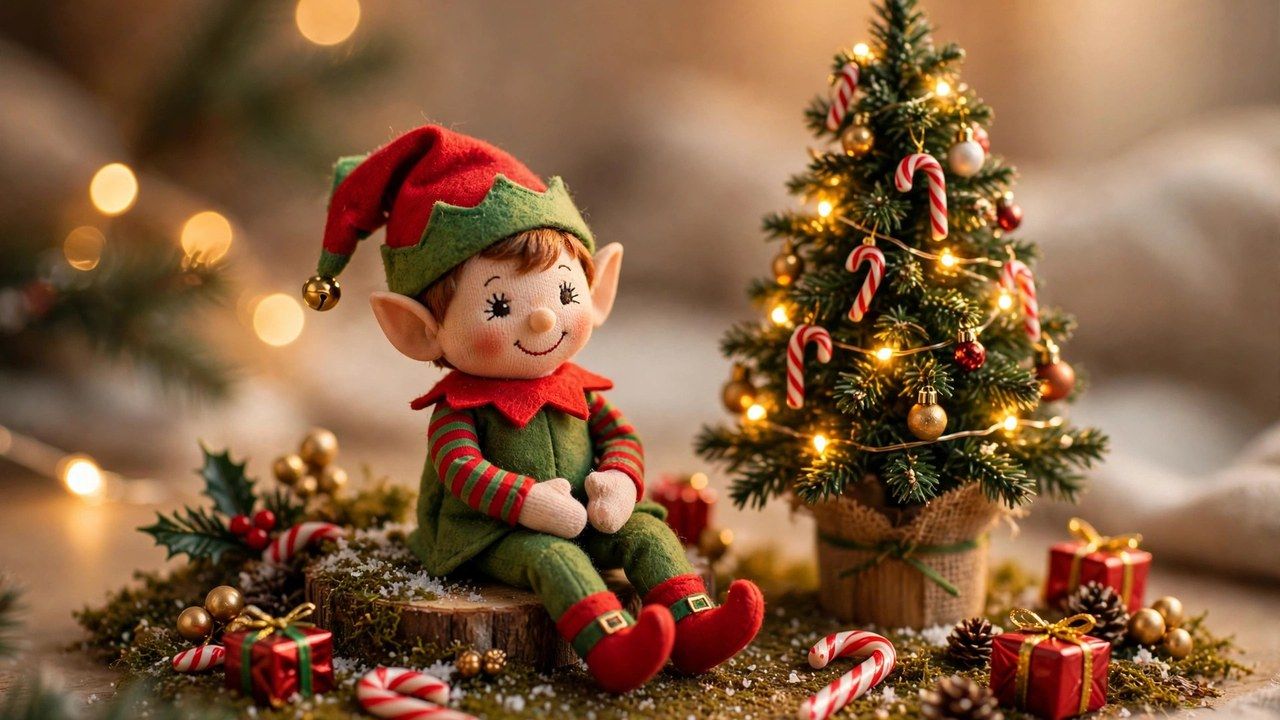
Every December, millions of parents perform the same nightly ritual: after the children are asleep, they move a small scout elf to a new hiding place and invent a tiny scene around it. Elf on the Shelf ideas are searched so heavily each year because that ritual is equal parts magic and pressure. This guide is here to lower the pressure. It is packed with easy, funny and genuinely last minute setups that take under five minutes and still produce the morning gasp every parent is chasing.
A quick note on terms: the elf tradition centers on a scout elf sent, in the story families tell, to watch over the household and report back each night. This guide uses the name descriptively to help families enjoy the tradition; any elf doll or figure you already own works for every idea below. Pair the season with our Santa tracker guide for Christmas Eve, and our Christmas family activities guide for the days around the elf’s visit.
How the Tradition Works, in One Honest Paragraph
The classic rules families play by are simple. The elf arrives in late November or early December, often during the period many families call Elf Return Week. Children name the elf, and from then on the elf cannot be touched by children during the day, in the story because the magic would fade. Each night the elf flies back to report, and each morning it reappears somewhere new, which is where you, the exhausted stage manager, come in.
Here is the part experienced parents want you to know: your family’s rules are your own. Plenty of households soften the no touching rule for younger children, skip report based behavior talk entirely, and treat the elf purely as a hide and seek game with jokes. The tradition survives every variation, because the real magic is not rules; it is a parent sneaking around at midnight for someone else’s delight.
Arrival Ideas: Start the Season With a Laugh
The arrival sets the tone, so make it funny rather than elaborate. Strong openers include the elf parachuting from a lampshade in a tissue parachute, arriving inside a roll of toilet paper rolled down the stairs, zip lining across the living room on a length of string between two points, or appearing in the fridge holding a tiny note complaining about the cold. A small welcome back note in wobbly elf handwriting multiplies the effect of any of them.
If your elf arrives with siblings or a pet figure in your family’s version, a group arrival multiplies the scene without multiplying your work: one banner, one joke, everyone in it. Keep the first morning easy to find for very young children. The season is long, and you can raise the difficulty of the hiding places as December deepens and your audience gets sharper. Our letters to Santa guide pairs beautifully with arrival week, when belief and excitement are at their peak.
The Five Minute Hall of Fame: Easy Classics
These are the setups veterans rotate all season because they take minutes and never fail. The elf in a marshmallow bubble bath in a mug or small bowl. The elf making snow angels in flour, sugar or rice sprinkled on a tray. The elf fishing in the sink or a bowl with a candy cane rod and gummy fish if you have them. The elf reading to a line of stuffed animals. The elf tangled, apparently mid disaster, in a string of Christmas lights or a roll of wrapping ribbon.
Add the elf in a shoe train with toys as passengers, the elf building a tower from toilet rolls or blocks, and the elf hiding inside the Christmas tree itself, peeking between branches, which is the single easiest high impact spot in the house. Keep a phone note of which classics you have used, because by December 18th every parent swears they have already done the flour angels twice. Our Christmas scavenger hunt guide borrows the same low effort, high delight philosophy.
Funny Scenes That Get the Biggest Laughs
Humor beats craftsmanship at every age. The elf holding a tiny roll of toilet paper over the Christmas tree, threatening decoration. The elf with a drawn on mustache, or giving one to a family photo with a removable marker on the glass. The elf caught mid snack in the cereal box, the cookie tin, or face down in a bowl of popcorn in front of the television. The elf doing yoga poses copied from a parent’s routine, or wearing a paper cape mid superhero landing off the bookshelf.
Bathroom humor, deployed once, is legendary with the six to nine age group: the elf leaving tiny mint or chocolate drop evidence near the sink is the scene children describe to grandparents unprompted. Use it once, enjoy the fame, and return to cleaner comedy. The golden rule of funny setups is implication over construction: the joke should read in one second from the doorway, because your audience will be half asleep and fully excited.
Last Minute Rescues for the Nights You Forget
Every parent forgets. The rescue ladder, in order of panic: first, the tree, which hides an elf in seconds and always delights. Second, inside a stocking, a shoe, a cereal box or a lunchbox for a morning reveal with zero setup. Third, sitting on top of the television, the fridge or a door frame with a note that says the elf was too tired from the flight and chose the first seat available, which converts your failure into lore.
For the true emergency, the note alone can carry a morning: the elf is hiding somewhere in this room, first to find it wins. Children experience this as a game upgrade, not a parental lapse. Build a small rescue kit in November: mini candy canes, a few marshmallows, cotton balls for snow, sticky notes and a pen for elf handwriting, and a short list on your phone. Our Christmas countdown ideas offer the same planned spontaneity for the rest of the calendar.
Ideas by Age: Toddlers to Tweens
Ages two to four need easy finds, gentle scenes and zero scary implications: the elf reading, bathing in marshmallows, or napping in a tissue bed at eye level. Ages five to seven are the golden audience, delighted by mess, jokes and treasure style hiding in roughly equal measure. Ages eight to ten appreciate craftier scenes, notes with clues, and humor aimed slightly higher, including the elf commenting on family life.
Tweens who are in on the secret can be promoted: let an older child run some nights for younger siblings, which preserves the magic and creates a new family role at exactly the age the old one fades. Many families retire the elf with a kind final letter when the youngest ages out, thanking the children for years of believing. That graceful ending is an idea worth stealing in itself, and it pairs with the keepsake thinking in our Christmas gifts for kids guide.
Kindness and Behavior: A Gentle Warning
The original framing of the elf as a behavior reporter makes some families uneasy, and modern parents increasingly rewrite it. An elf who arrives to spread kindness, leave jokes and suggest small good deeds, one scene might include a note proposing the children make a card for a neighbor, tends to age better than an elf who watches and judges. Children perform for surveillance briefly; they bloom under delight for a whole season.
Whatever framing you choose, avoid using the elf for threats in moments of December stress. The tradition is a gift you are giving your children, and keeping it playful protects both the magic and your own enjoyment of the midnight ritual. Parents who treat the elf as a comedy writing job for an audience of one household report the highest survival rate into year three and beyond.
A Simple Rotation Plan for the Whole Season
Surviving December is a scheduling problem, so solve it like one. Week one: arrival plus easy classics while excitement is high and hiding can be simple. Week two: funny scenes and the first messy setup. Week three: your five best ideas, because this is peak season and visiting cousins may be watching. Christmas week: notes, kindness missions and a farewell scene, with the elf departing on Christmas Eve or Christmas morning according to your family’s story.
Set a phone reminder for your usual elf moving time and keep the rescue kit stocked. The parents who enjoy this tradition are not the ones with craft skills; they are the ones with a list, a kit and a sense of humor about the nights it all goes sideways. That, in the end, is the entire secret.
Conclusion
Easy beats elaborate, funny beats perfect, and a forgotten night rescued with a note beats a masterpiece built at midnight in tears. Keep the kit stocked, rotate the classics, and remember that your children will remember the laughter, never the production values.