The puja thali is the centre of Diwali worship. On Diwali night, Sunday 8 November 2026, when the family gathers for Lakshmi Puja, everything needed for the aarti sits on this one plate: the diya, kumkum, rice, flowers, sweets and incense. A thoughtfully decorated thali does more than look pretty. It keeps the puja organised, so nothing is searched for in the middle of the prayer.
Thali decoration ideas for Diwali do not need to be grand or costly. A steel or brass plate, a little colour, fresh flowers and a steady hand are enough. Whether you are preparing your first thali or refreshing a family tradition, this guide covers classic designs, quick modern looks, and practical tips for keeping the thali tidy through the whole puja.
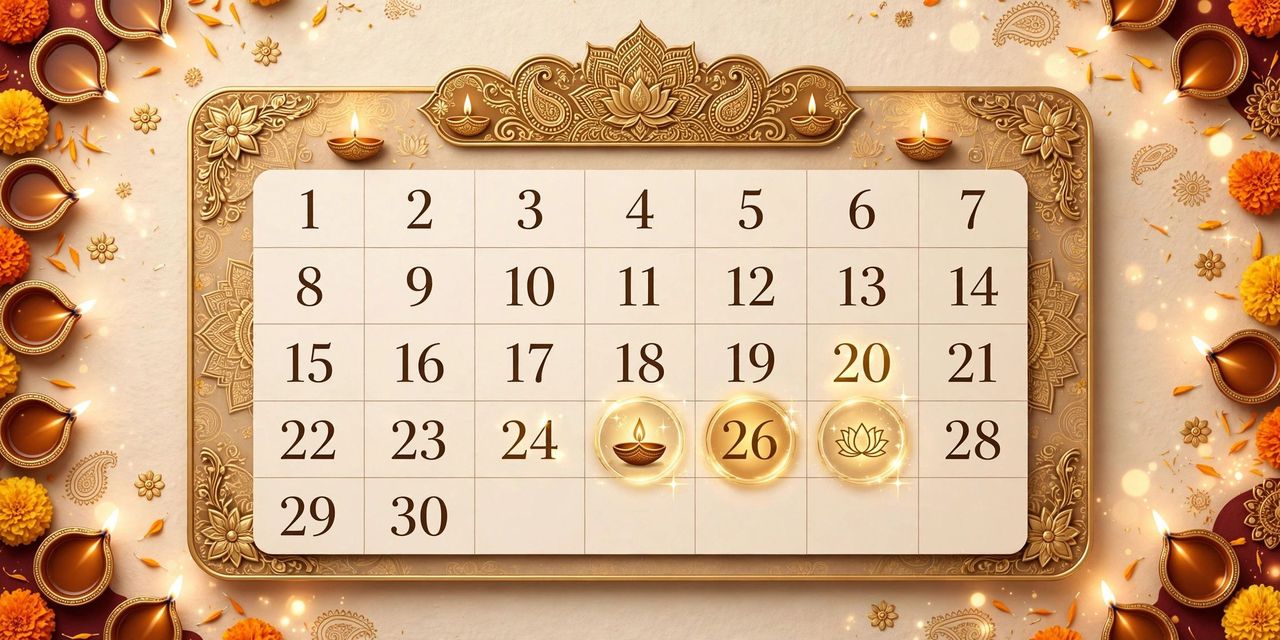
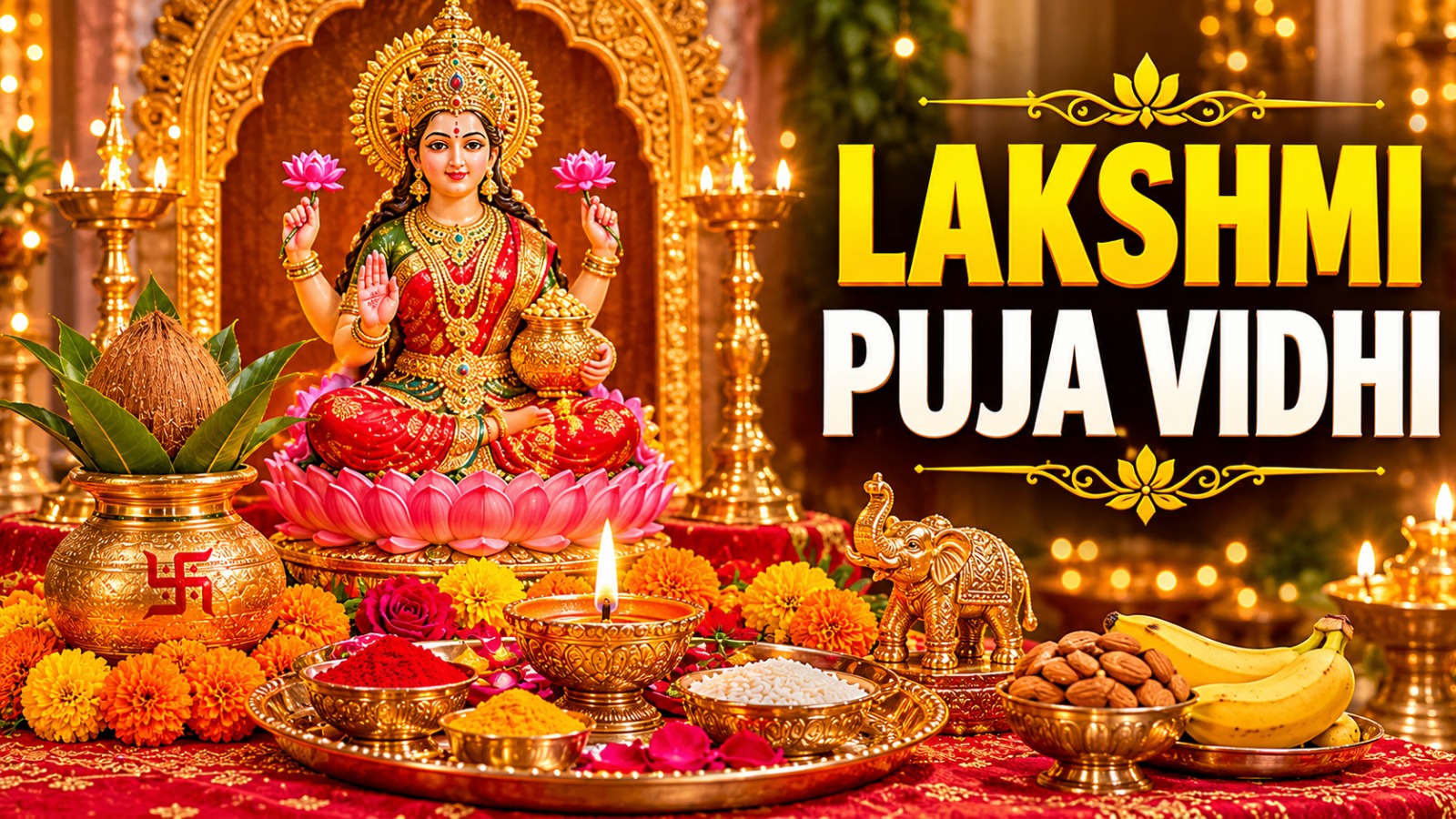
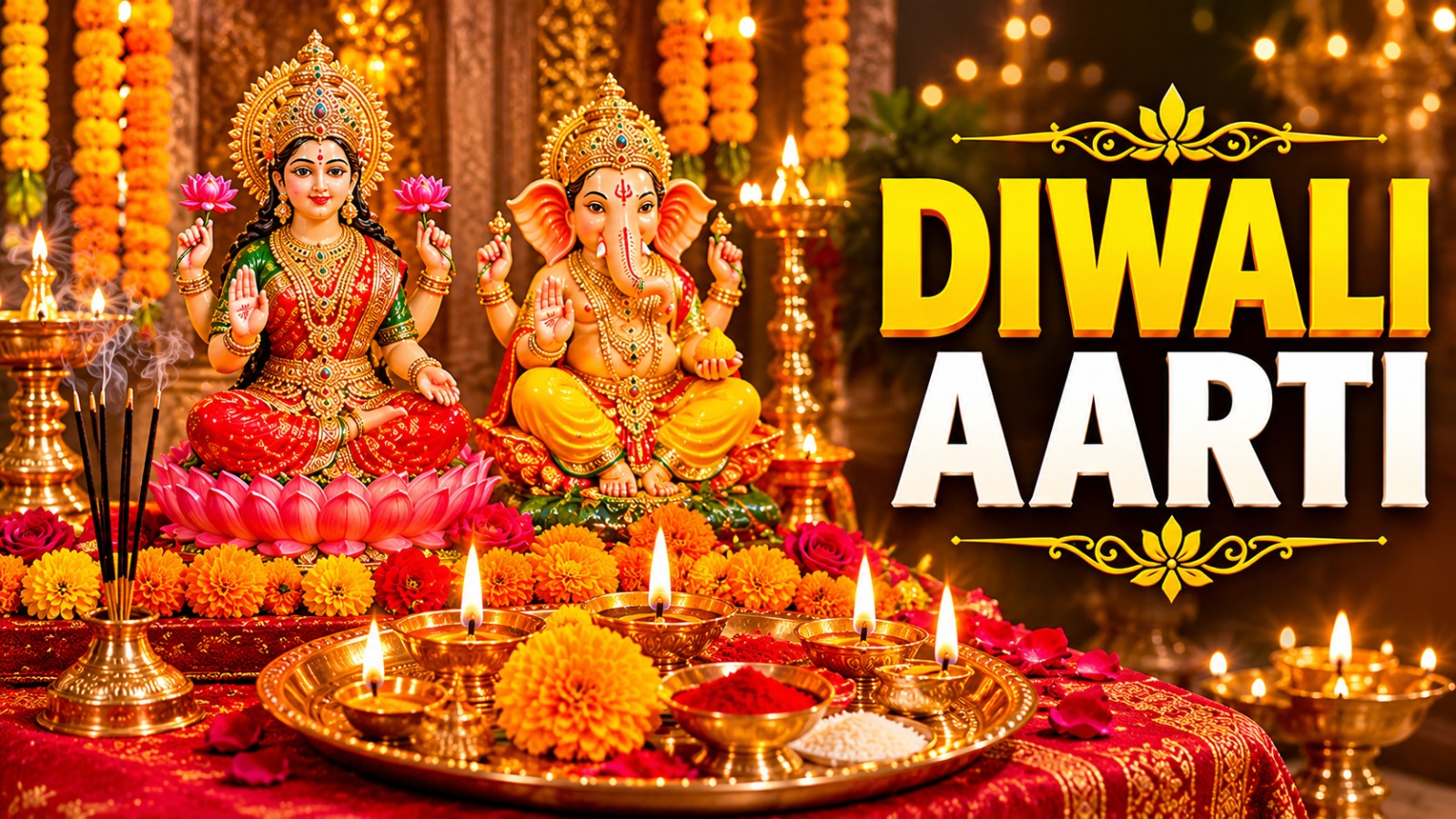
For the wider festival, see our Diwali 2026 date and Lakshmi Puja calendar, the Lakshmi Puja vidhi, and our guide to Diwali aarti and mantras.
What Goes on a Diwali Puja Thali
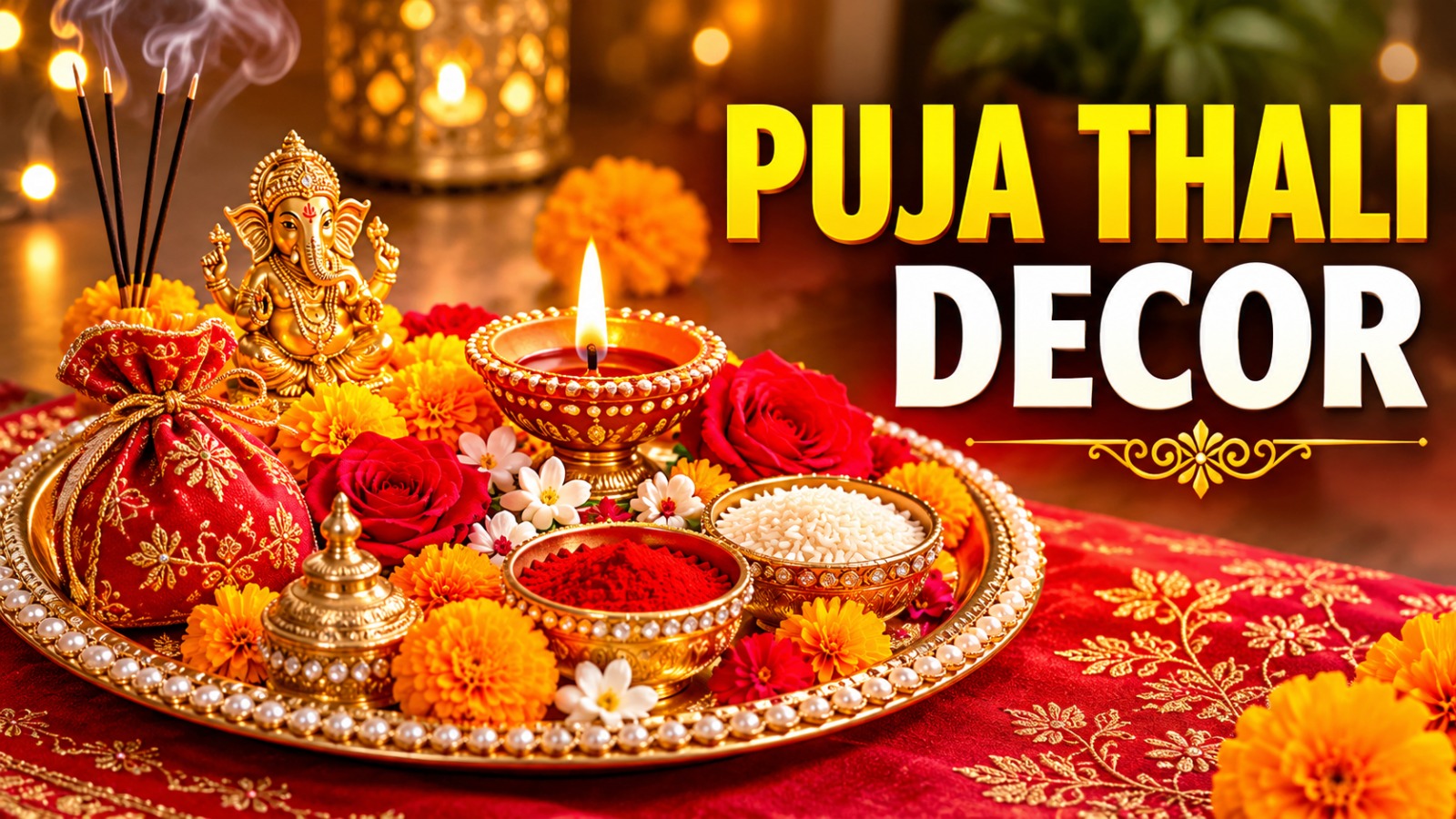
Before decorating, gather the essentials. A traditional Diwali puja thali holds a small diya with ghee or oil, kumkum and haldi in tiny bowls, unbroken rice, fresh flowers, a little gangajal or clean water, incense sticks, camphor, sweets, and a small bell. Some families add a coconut, betel leaves, coins for prosperity, and a kalash. Lay everything out first and check the list twice.
Keep the thali practical as well as pretty. Heavy items go in the centre, the diya sits where it will not be knocked, and small bowls stay upright. If children will carry the thali, keep it light and use a plate with a raised edge. A thali that is easy to hold is a thali that stays safe through the aarti.
Classic Decorated Thali Designs
The classic thali design starts with a brass or steel plate polished until it shines. Around the rim, stick a border of marigold petals, red and gold lace, or small mirror work. In the centre, place the diya on a small bed of rice or petals. Add kumkum and haldi in two tiny bowls on either side, and finish with a ring of flowers around the edge.
Another timeless look uses a red velvet or silk cloth as the base, with the plate sitting on top. Gold lace around the cloth edge, a few rose petals scattered on the plate, and a small Ganesha or Lakshmi motif in the centre give it a rich, traditional feel. This style photographs beautifully and suits families who keep the same thali for years.
Quick Modern Thali Ideas
If time is short, a modern thali can still look lovely. Use a plain white or gold plate, add a ring of artificial marigold flowers around the rim, and place a battery candle beside the real diya so the thali glows even before the flame is lit. A few metallic stickers, a printed Om or Swastik in the centre, and matching small bowls keep the look neat and quick.
A minimalist thali works well for small homes and flats. Choose three colours only, such as gold, red and green, and repeat them in the flowers, the cloth and the bowls. Leave some empty space on the plate so each item is visible. A simple thali is easier to carry, easier to clean, and often looks more elegant than a crowded one.
Decorating With Flowers and Colour
Flowers are the easiest way to decorate a puja thali, and marigolds are the classic Diwali choice. Their orange and yellow tones match the diya flame and stay fresh through the evening. Roses add fragrance, and a few green leaves give contrast. Arrange petals in small circles or lines rather than scattering them randomly, so the design looks deliberate.
Colour can come from kumkum, haldi and rangoli powder as well as flowers. A small swastik or lotus drawn in the centre of the plate with kumkum is traditional and meaningful. If you use coloured powder, apply it before placing the bowls, and keep a small spoon handy so the design stays crisp. Wipe the rim clean at the end so the plate still shines.
Thali Ideas for Kids and Families
Let children help decorate the thali, and Diwali becomes their festival too. Give them safe jobs: placing petals, sticking lace around the rim, arranging the small bowls, or drawing a simple rangoli on a paper circle to place under the plate. Their excitement adds to the puja, and the thali carries their effort as well as yours.
For a family puja, prepare one main thali for the Lakshmi Puja and a smaller one for the aarti that moves around the room. The small aarti thali holds just a diya, flowers and kumkum, so it is light enough to pass from person to person. Keep a spare diya and extra flowers nearby in case anything needs replacing during the evening.
Keeping the Thali Ready for Puja Night
Prepare the thali on Choti Diwali, Saturday 7 November, so Diwali evening is calm. Decorate the plate, fill the small bowls, and keep everything covered with a clean cloth until the puja begins. Check the diya wick, keep matches or a lighter nearby, and place the thali on a stable surface near the puja area, not on the floor where it can be knocked.
After the puja, clean the thali gently. Wash the plate, dry the bowls, and store the lace and decoration pieces in a small pouch for next year. Fresh flowers can go into the garden or compost. A thali cared for after Diwali is ready again next year, and the tradition continues without starting from scratch.
Helpful Finds for the Festival
A few soft candles and a fine cloth under the thali can lift the whole puja corner. These finds work well beside a decorated thali without taking attention away from it.
- Floral Battery Operated Candle Set Remote Timer Perfect
- 4pcs Peony Shaped Rose Scented Candle Gift Box Valentines
- Mindful Relaxation Scented Candles Natural Soy Wax
- Elegant 36 Gray Lace Table Runner 90cm Exquisite Embroidered
As an affiliate, EventBuzz may earn a commission on qualifying purchases at no extra cost to you.
Conclusion
A decorated puja thali is a small act of devotion in itself. The time spent polishing the plate, arranging the flowers and placing each item with care becomes part of the prayer. Whether your thali is classic brass, modern and minimal, or decorated by small hands, what matters is that it is ready, steady and made with love.
Prepare it a day early, keep it simple, and let the diya do the rest. When the aarti begins on Diwali night, a well-prepared thali lets the whole family focus on the prayer, not on finding the kumkum.