Lakshmi Puja is the heart of Diwali. On Sunday 8 November 2026, families across India and around the world will welcome Goddess Lakshmi into their homes, praying for prosperity, health and happiness in the year ahead. The puja is usually performed during the evening, in the pradosh period after sunset, when diyas are lit and the house glows.
If you are performing the puja at home for the first time, the steps can feel like a lot to remember. This Lakshmi Puja vidhi guide breaks them down in plain order, from preparation to aarti, so you can follow along calmly. Traditions vary by family and region, and your own family customs always come first, but the core sequence below is the one most homes follow.
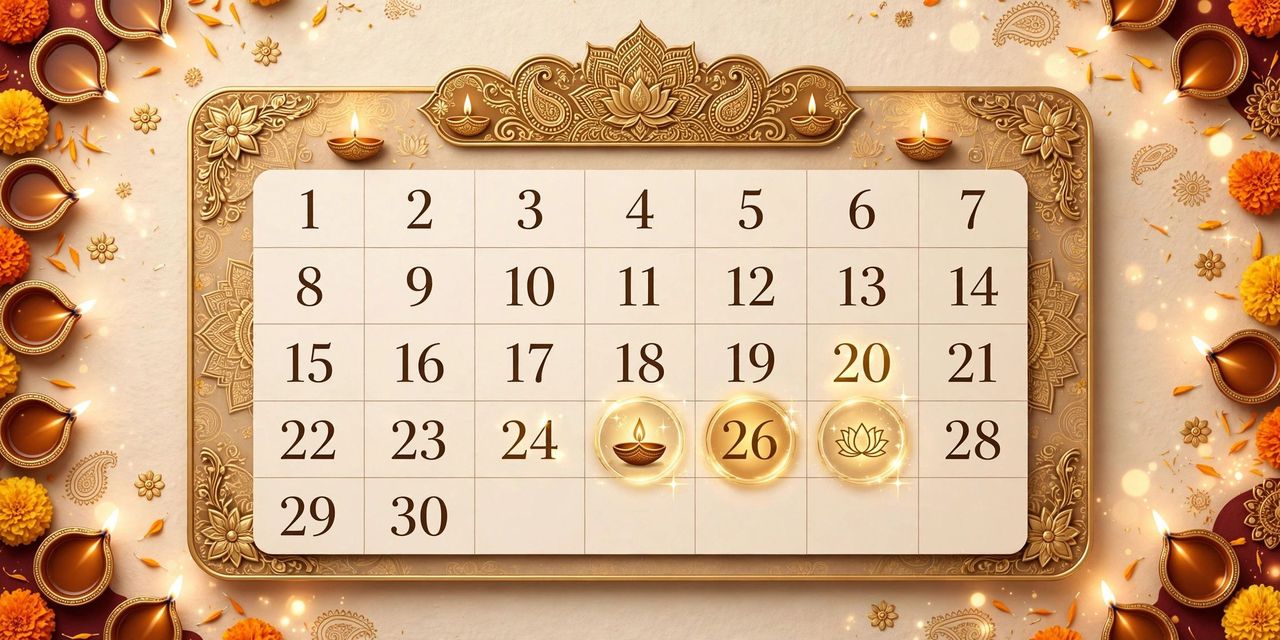
For the wider festival, see our Diwali 2026 date and Lakshmi Puja calendar, the puja thali decoration ideas, and our guide to Dhanteras 2026 date and puja guide.
Before the Puja: Preparation
Preparation begins in the morning. Clean the house, especially the entrance and the puja area, and finish the Diwali cleaning before the festival week ends. Dhanteras on Friday 6 November is the traditional day for buying something new for the home, often a utensil, a coin or a small item of gold or silver, as a symbol of prosperity.
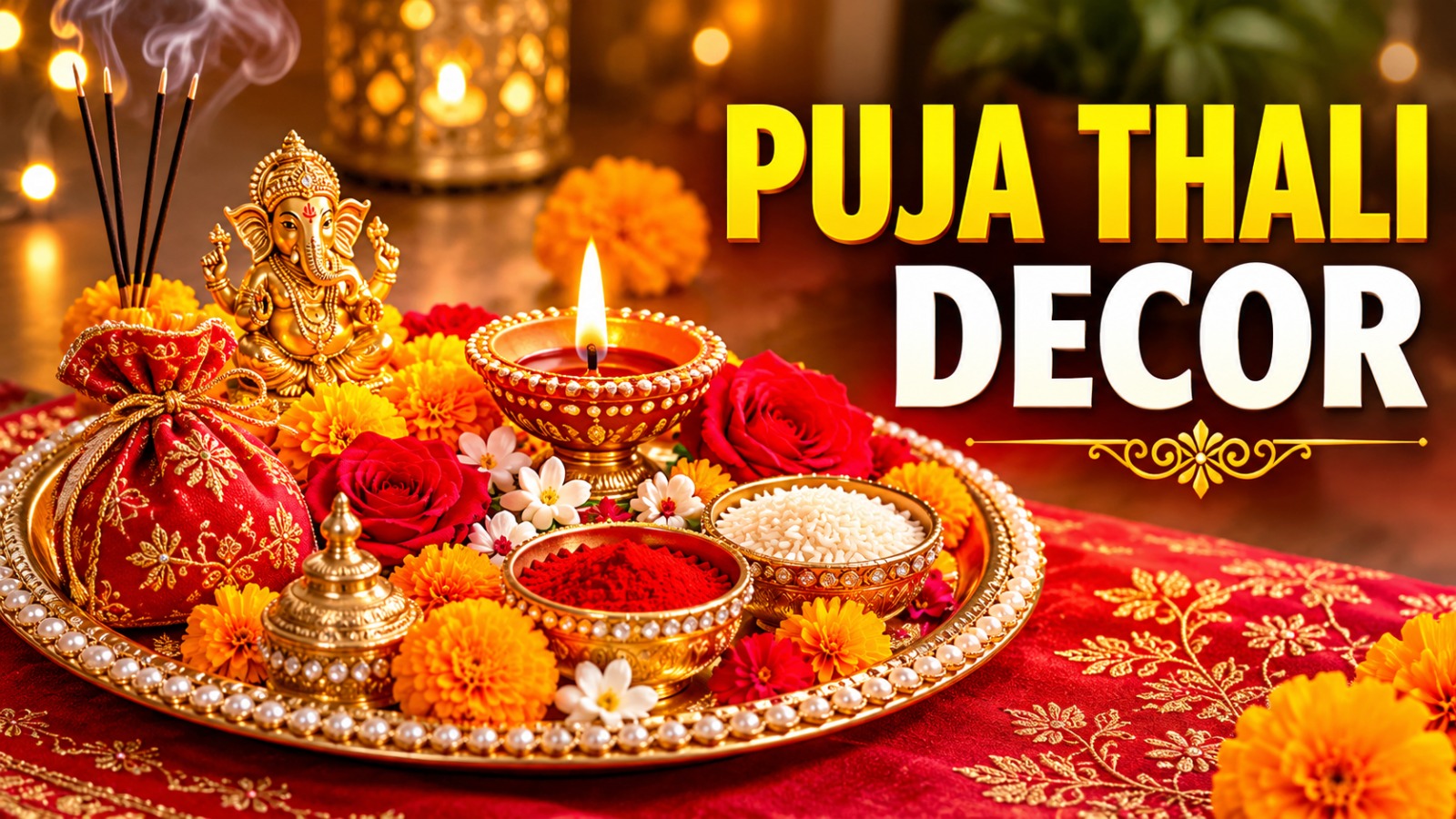
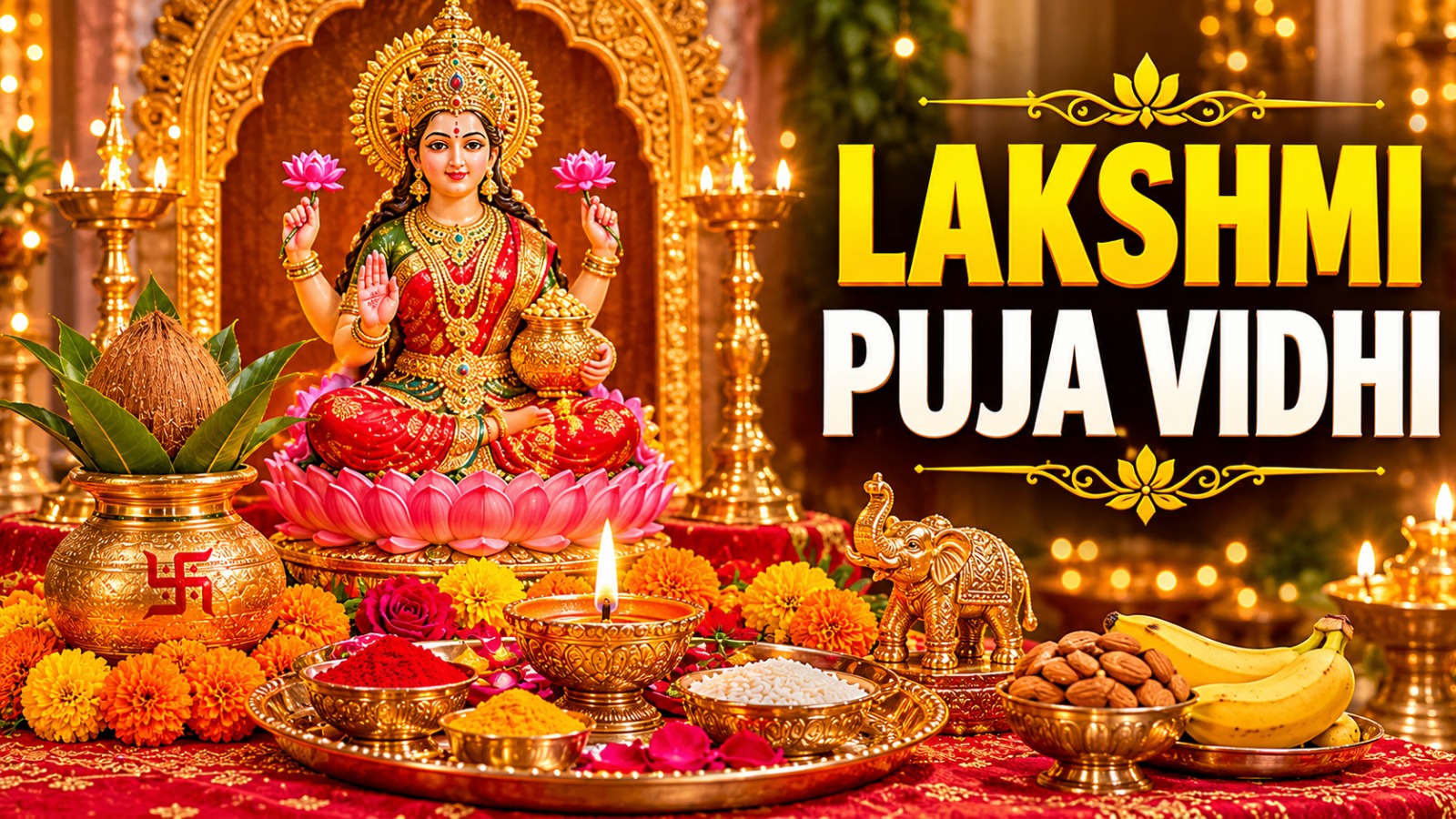
Set up the puja space in the evening. Lay a clean red or yellow cloth, place the idols or images of Ganesha and Lakshmi side by side, and keep a kalash with water, mango leaves and a coconut nearby if your family uses one. Arrange the puja thali with a diya, kumkum, haldi, rice, flowers, sweets, incense and camphor, and light diyas around the house before the puja begins.
Step 1: Sankalp and Ganesha Puja
Begin by sitting calmly before the idols with the family. The sankalp is a quiet intention: in your own words, state that you are performing this puja for the wellbeing of the family and the prosperity of the home. There is no need for elaborate words. A sincere, simple intention is enough.
Ganesha is worshipped first, as the remover of obstacles. Offer him water, flowers, kumkum and a modak or sweet, and chant his name with folded hands. Only after Ganesha is honoured does the main Lakshmi Puja begin. This order is followed in almost every Hindu puja, and it sets a calm, respectful tone for the evening.
Step 2: Invoking Goddess Lakshmi
Next, invite Goddess Lakshmi with flowers and water. Sprinkle a little water, offer flowers at her feet, and apply kumkum and haldi. Many families place coins, currency notes or a small jewellery box before the goddess as a symbol of wealth, and keep account books or work tools nearby to be blessed as well.
Offer the goddess her favourite things: lotus flowers if available, rose petals, sweets such as kheer or ladoo, fruits, and a new cloth or saree if that is your family custom. Light incense and the main diya, and keep the flame steady through the puja. The atmosphere should stay quiet and focused while the offerings are made.
Step 3: Mantras, Offerings and Aarti
During the puja, chant Lakshmi mantras or simply recite her name with devotion. If you do not know long mantras, a simple Om Shree Mahalakshmyai Namah repeated with focus is widely used. Offer flowers, rice and sweets after each round, and keep the family seated together rather than moving in and out of the room.
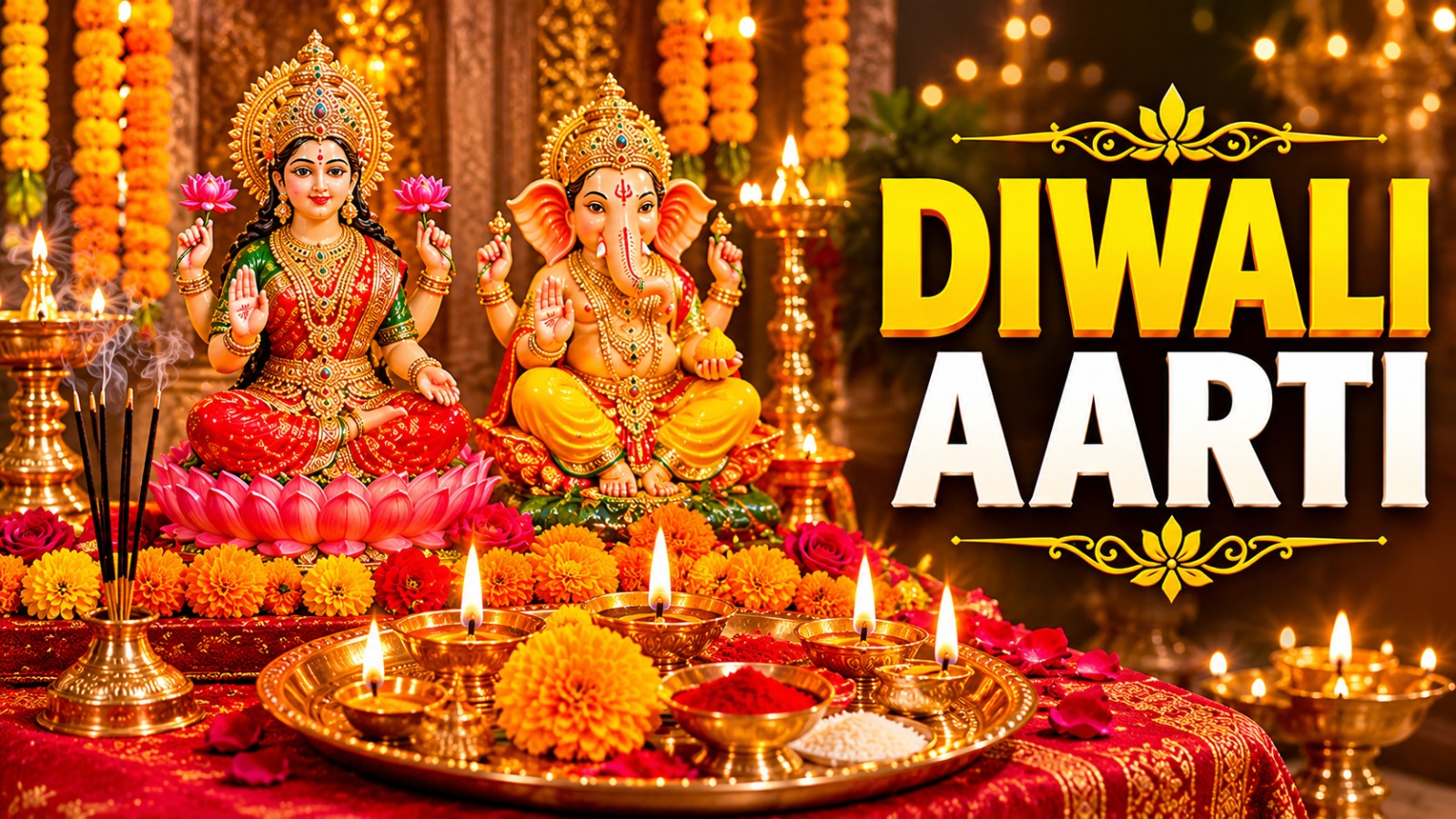
The aarti follows the offerings. Light camphor in the aarti plate, ring the bell softly, and move the aarti in slow circles before the goddess while singing the Lakshmi aarti. Pass the aarti to every family member so each person can take the blessing. Then distribute prasad, the sweets and fruits offered during the puja, to everyone present.
Step 4: Diyas, Rangoli and Family Time
After the puja, light diyas at the entrance, on windowsills, in the balcony and around the rangoli. The tradition says the light guides Lakshmi into the home and keeps darkness away. Place diyas safely on plates or trays, away from curtains and children's reach, and keep a watch on them until they burn down.
The rest of the evening belongs to the family. Share sweets, exchange greetings, call relatives who could not come, and enjoy the lights together. Many families also play a few traditional games or simply sit together with the house glowing. The puja is the centre of the night, but the togetherness around it is what makes Diwali memorable.
Common Mistakes to Avoid
The most common mistake is rushing the preparation and starting the puja late, with items still missing. Prepare the thali and the puja space before sunset, check the diya wicks, and keep extra flowers and sweets within reach. A calm start makes the whole puja feel different.
Another mistake is treating the puja as a performance for photos rather than a prayer. Keep phones aside during the main steps, involve children by giving them a flower or the bell to hold, and let everyone participate. Safety matters too: never leave diyas or camphor unattended, and keep water nearby in case a flame needs attention.
Helpful Finds for the Festival
Soft light and a clean, dressed table help the puja space feel calm and special. These finds suit a home puja corner and can be used again after Diwali.
- Mindful Relaxation Scented Candles Natural Soy Wax
- 4pcs Peony Shaped Rose Scented Candle Gift Box Valentines
- Table Runner Table Cover Peonies Roses Beige
- Led Acrylic Touch Crystal Table Lamp Plant Decorative Light
As an affiliate, EventBuzz may earn a commission on qualifying purchases at no extra cost to you.
Conclusion
The Lakshmi Puja vidhi is simple at its core: prepare with care, honour Ganesha first, welcome Lakshmi with flowers and offerings, and close with aarti and prasad. You do not need to know every mantra or own elaborate items. Sincerity, a clean home and a family gathered together are what the puja truly asks for.
This Diwali, on Sunday 8 November 2026, light the diyas, sit together, and let the prayer set the tone for the year ahead. May Goddess Lakshmi bless your home with health, peace and prosperity.