
Rangoli Designs for Diwali 2026: Easy & Beautiful Ideas for Home
Published October 10, 2026 · Updated October 10, 2026 · By EventBuzz Team
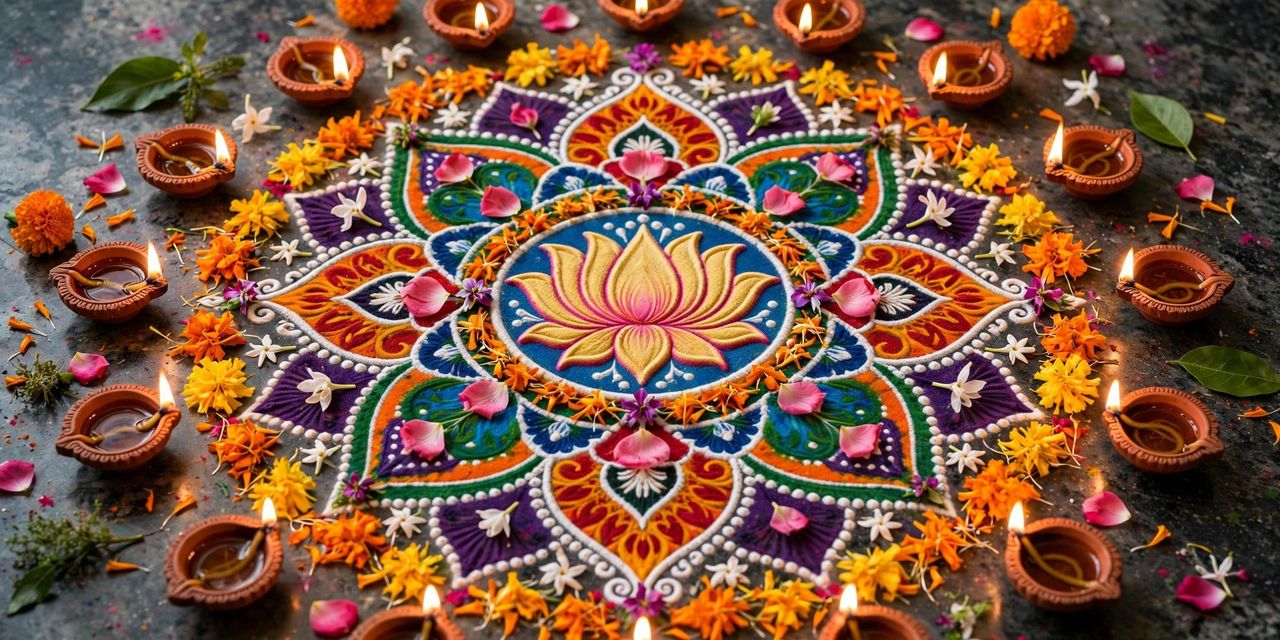
A rangoli at the doorstep is Diwali's way of saying welcome before a single word is spoken. The good news: a beautiful rangoli does not need an artist's hand. With a simple plan, a handful of colours and the step-by-step basics below, anyone can create a design worth photographing. This guide covers easy rangoli designs for Diwali 2026, from petal rangoli that children can help with to classic powder patterns, plus the colour palettes and placement ideas that make a doorway glow.
What You Need to Make a Rangoli
- Coloured powder (gulal style rangoli colours): white, pink, yellow, orange, green, blue and purple cover almost every design.
- Flower petals: marigold in orange and yellow, rose petals, and green leaves for contrast. Petal rangoli is forgiving and smells wonderful.
- Chalk or a white pencil: for sketching the outline before you commit to colour.
- Aids: a sieve or tea strainer for even powder, stencils for repeat motifs, and a small brush to rescue mistakes.
- Diyas and a centrepiece: a brass lamp, a small idol or a bowl of floating flowers for the centre.
- Space and time: a swept, dry floor at the entrance, balcony or puja corner, and 30 to 60 unhurried minutes.
Easy Rangoli in Five Steps
- Clean and mark the centre. Sweep the spot, then mark the exact centre with chalk. Every good rangoli grows outward from one point.
- Chalk the skeleton. Draw the outer circle and the main shapes (petals, diamonds, swirls) lightly. Symmetry comes from the sketch, not from luck.
- Fill big shapes first. Pour powder inside large areas using your fingers or a sieve, working from the centre outward so you never step on finished colour.
- Add detail rings. Dots, small circles and second outlines in a contrasting colour make a simple design look intricate.
- Outline in white and finish. A final white outline sharpens everything. Place diyas around the edge and your centrepiece in the middle, then photograph it before the first guest arrives.
Flower Petal Rangoli Designs
Petal rangoli is the beginner's best friend: no powder lines to control, easy corrections, and a natural fragrance. Try a marigold sunburst (concentric rings of orange and yellow petals around a diya), a rose and leaf mandala (pink petals alternating with green leaf shapes), or a petal pathway from the gate to the door for evening guests. Petals wilt by morning, so make these on Diwali day itself, Sunday, November 8, 2026, ideally in the afternoon.
Classic Coloured Powder Designs
Powder gives you the crisp, jewel-like rangoli of festival posters. Reliable classics include the eight-petal lotus, the peacock (one bold bird shape with a fanned tail of teardrops), geometric star-and-diamond patterns for modern homes, and the traditional swirl border that frames any central motif. Bold colour blocking beats fussy detail: three strong colours plus white outline looks professional from any distance.
Rangoli Ideas for Kids
Children love a corner of the design to call their own. Give them petal rangoli (safe, washable, mistake-proof), dot rangoli on a chalk grid, or stencil shapes they fill with one colour each. Small diya-ring circles are the perfect starter project, and our Diwali Images 2026 collection will give them proud photos to share.
Colour Palettes That Always Work
- Classic festive: marigold orange, deep pink, leaf green and white.
- Royal: purple, magenta, gold-yellow and white, stunning under warm diya light.
- Pastel modern: soft pink, mint, sky blue and white for a gentle, contemporary doorway.
- High contrast: dark floor, white base design, single bold accent colour — minimalist and striking.
Where to Place Your Rangoli
The main entrance is traditional, believed to welcome Goddess Lakshmi, so keep that spot for your best work. Add smaller rangolis at the puja corner, at the foot of stairs, on the balcony and beside the dining area. Pair the entrance design with the doorway decor in our Diwali Decoration Ideas at Home guide for a complete first impression.
Frequently Asked Questions
Which rangoli is easiest for beginners?
A flower petal circle. Draw one chalk circle, fill rings with marigold, rose and leaf petals, and ring it with diyas. It takes twenty minutes and always looks festive.
How do I keep rangoli lines neat?
Sketch the full design in chalk first, fill large shapes before small ones, and pour powder low and slow from a pinch or a sieve. Finish with a white outline to sharpen every edge.
How long does a rangoli last?
Powder rangoli survives two to three days indoors if nobody steps on it; outdoors it lasts until wind or rain arrives. Petal rangoli looks best for one day, so make it on Diwali morning or afternoon.
What can I use instead of rangoli powder?
Coloured rice, flower petals, lentils and pulses in natural colours, or coloured sand all work beautifully and are kinder to clean up. Avoid anything slippery on walking paths.
When should I make my Diwali rangoli in 2026?
Make powder rangoli on the evening of Saturday, November 7 (Choti Diwali) so it greets Diwali morning, and petal rangoli on Sunday, November 8 itself. See our Diwali 2026 calendar guide for the full five days.
Conclusion
One circle of colour at the door changes the whole mood of a home. Start simple, use bold colours, ring it with diyas, and your Diwali 2026 rangoli will be the most photographed thing in the house.
Happy Diwali 2026 — may your doorstep be a work of art.
Rangoli Making Picks
Stencils, colours and tools for easy rangoli designs.
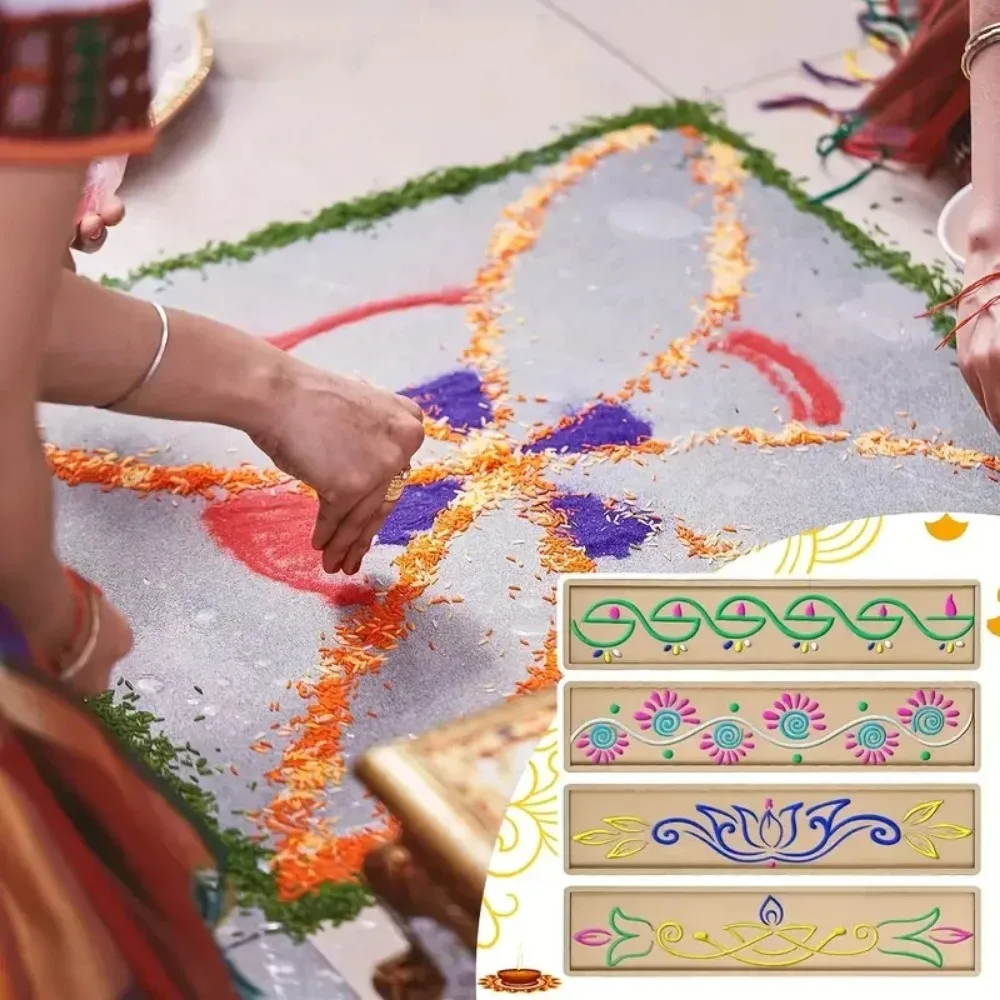
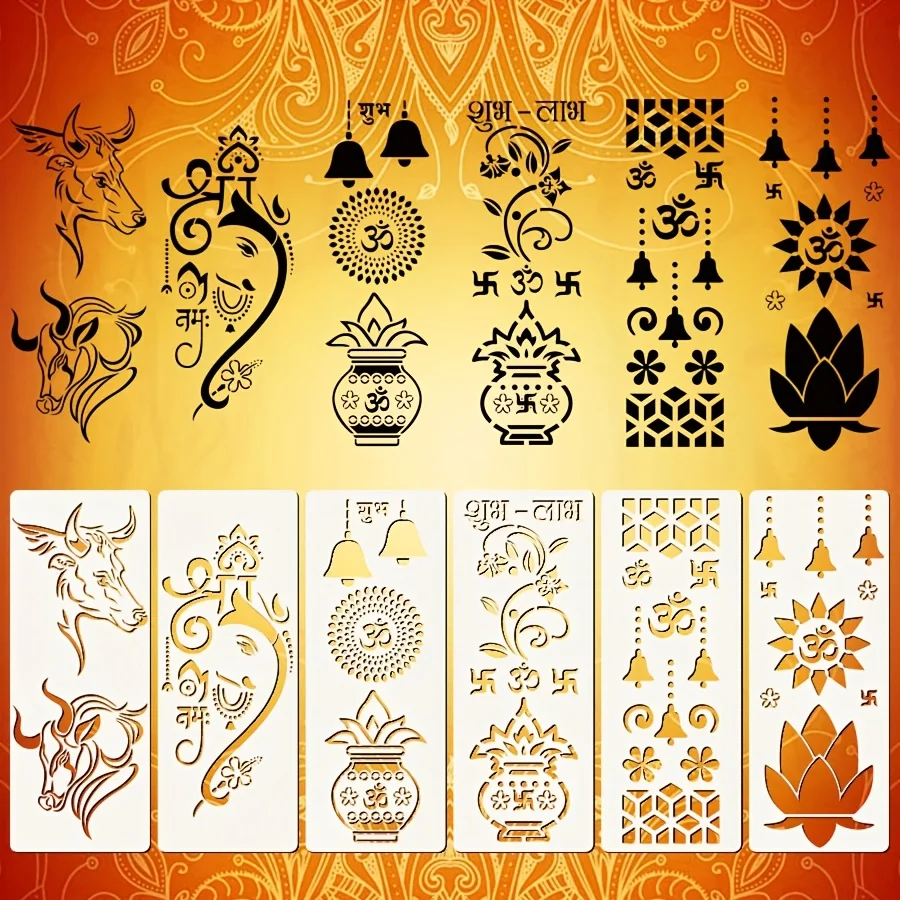
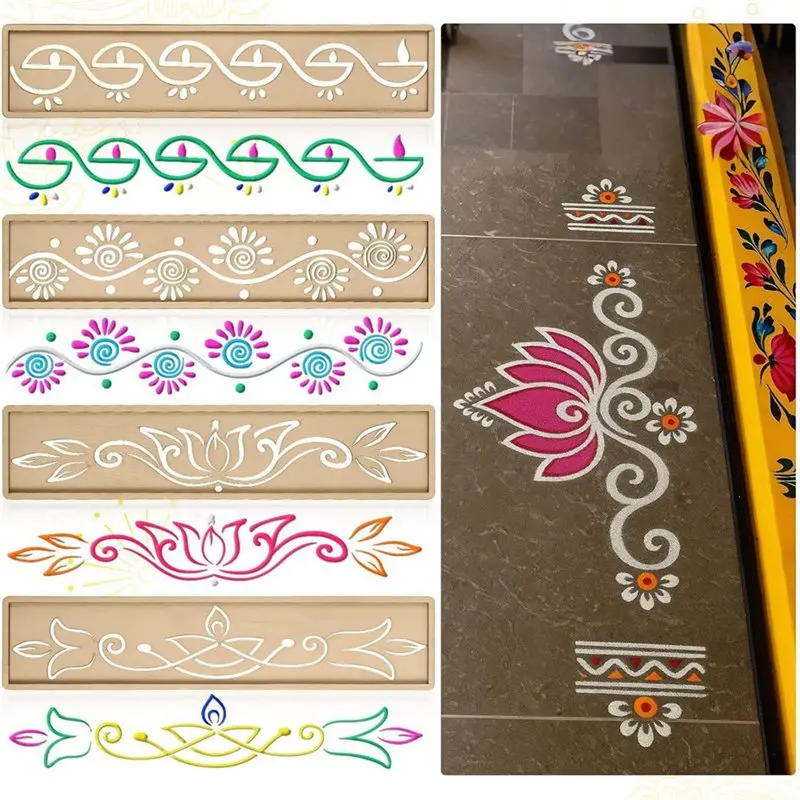


Prices shown at the time of publishing and can change. Links take you to AliExpress, where shipping and delivery details are shown.