Diwali is one of the most joyful festivals a school can celebrate, and it is also one of the most educational. For many children, the school celebration is where they first learn why diyas are lit, what the five days of the festival mean, and how the same festival is celebrated differently across India. Diwali falls on Sunday, 8 November 2026, with the festival running from Dhanteras on Friday, 6 November to Bhai Dooj on Tuesday, 10 November, so most schools will hold their celebration on Friday, 6 November or the last working day before the break.
A good school celebration balances excitement with order. Children need activities that keep them engaged, teachers need a plan that fits the timetable, and parents need to know the celebration is safe and inclusive. This guide gives practical Diwali celebration ideas for schools, organised by age group and by activity, so teachers can build a programme that fits their school.
Start With the Story of Diwali
Every school celebration should begin with the story, told simply and well. For younger children, the return of Lord Rama to Ayodhya after fourteen years, and the rows of lamps lit to welcome him home, is a story that captures the imagination. For older students, teachers can add the other traditions: the worship of Goddess Lakshmi on the main day, the story of Lord Krishna and Narakasura on Choti Diwali, and the bond between brothers and sisters celebrated on Bhai Dooj.
A short assembly is the natural place for the story. A ten-minute storytelling session, a small skit performed by students, or a puppet show for the youngest classes all work well. Keep the telling warm and inclusive, noting that Diwali is celebrated by Hindus, Jains, Sikhs, and many others, each with their own traditions. The message at the heart of every version is the same: light over darkness, and good over evil.
Follow the story with a simple question and answer session, so students can ask what they are curious about. Children ask wonderful questions at Diwali, from why diyas are lit to why the festival falls on a different date each year, and answering them honestly turns the celebration into real learning. For the full festival calendar, teachers can refer to our Diwali 2026 date and Lakshmi puja calendar.
Rangoli, Diya and Craft Activities
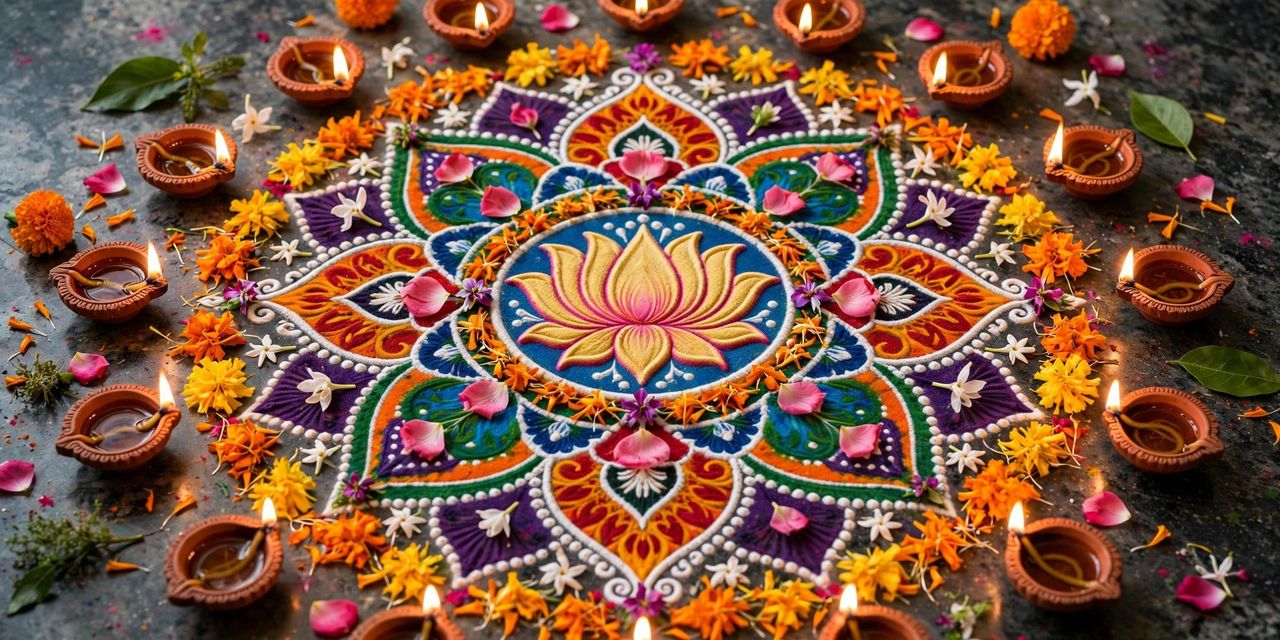
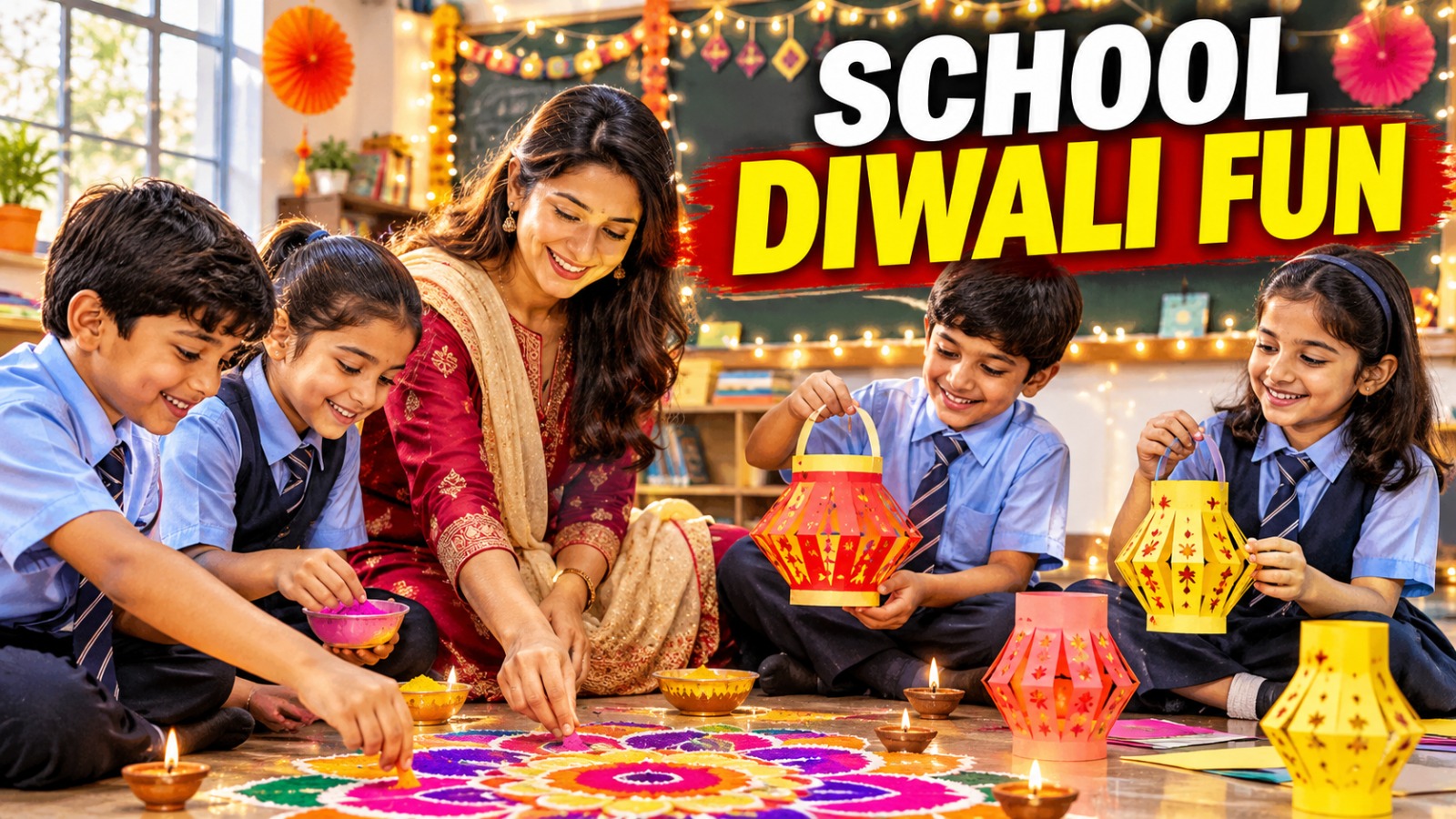
Crafts are the heart of a school Diwali celebration, because they let every child create something to take home. A rangoli competition is the classic activity: each class or house designs a rangoli at the school entrance or in the courtyard, using coloured powders, flower petals, or rice. For younger children, rangoli colouring sheets or rangoli made with coloured paper are safer and just as satisfying. Our guide to rangoli designs for Diwali 2026 has patterns for every skill level.
Diya decoration is another favourite. Students can paint plain clay diyas with bright colours and glitter, and take them home for the festival. For schools that prefer not to use real flames, paper diyas, lanterns made from coloured paper, and torans made from marigold-coloured crepe paper are beautiful alternatives. A greeting card competition, where students design a Diwali card for a family member, combines art with writing practice.
Organise crafts by age. Nursery and primary students do best with simple, guided crafts: paper diyas, handprint art, and colouring. Middle school students enjoy diya painting, lantern making, and rangoli design. Senior students can take on larger projects, such as decorating the whole school entrance or creating a Diwali exhibition for parents. Display the best work in the corridors, so the whole school can enjoy it.
Games, Quizzes and Competitions
Games keep the energy high after the assembly and the crafts. A Diwali quiz is easy to organise and works for every age: ten questions about the festival, its stories, and its traditions, played class by class or house by house, with small prizes for the winners. Mix easy questions with a few harder ones, and let students answer in teams so nobody feels put on the spot.
For younger children, a treasure hunt with Diwali-themed clues hidden around the classroom is a delight, and a fancy dress competition, where children come dressed as characters from the Ramayana or in festive clothes, always draws a crowd. For older students, a poster-making competition on themes like eco-friendly Diwali or the importance of light, a debate on celebrating safely, or a short essay competition adds depth to the fun.
Keep prizes small and equal, such as a certificate, a sweet, or a small gift for every participant, with a slightly bigger prize for the winners. The aim is participation and joy, not fierce competition, and every child who takes part should feel proud of what they made or did.
Celebrating Safely and Kindly
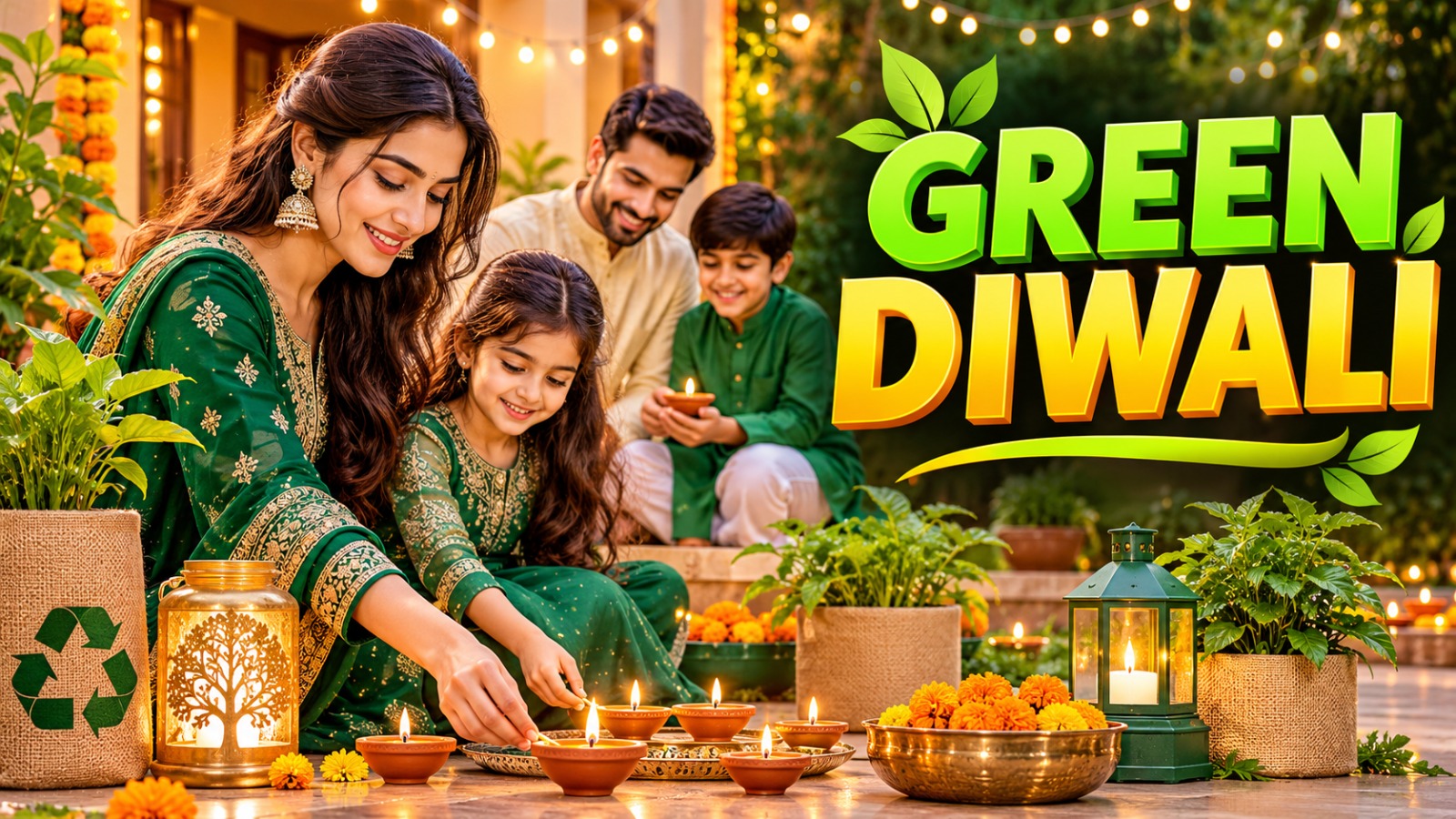
Safety is the most important part of a school Diwali celebration. Schools should celebrate without firecrackers, and teachers should explain why: crackers harm the air, frighten animals, and can injure children. A cracker-free celebration, with lights, music, crafts, and sweets, is every bit as joyful, and it models the responsible celebration students should carry home.
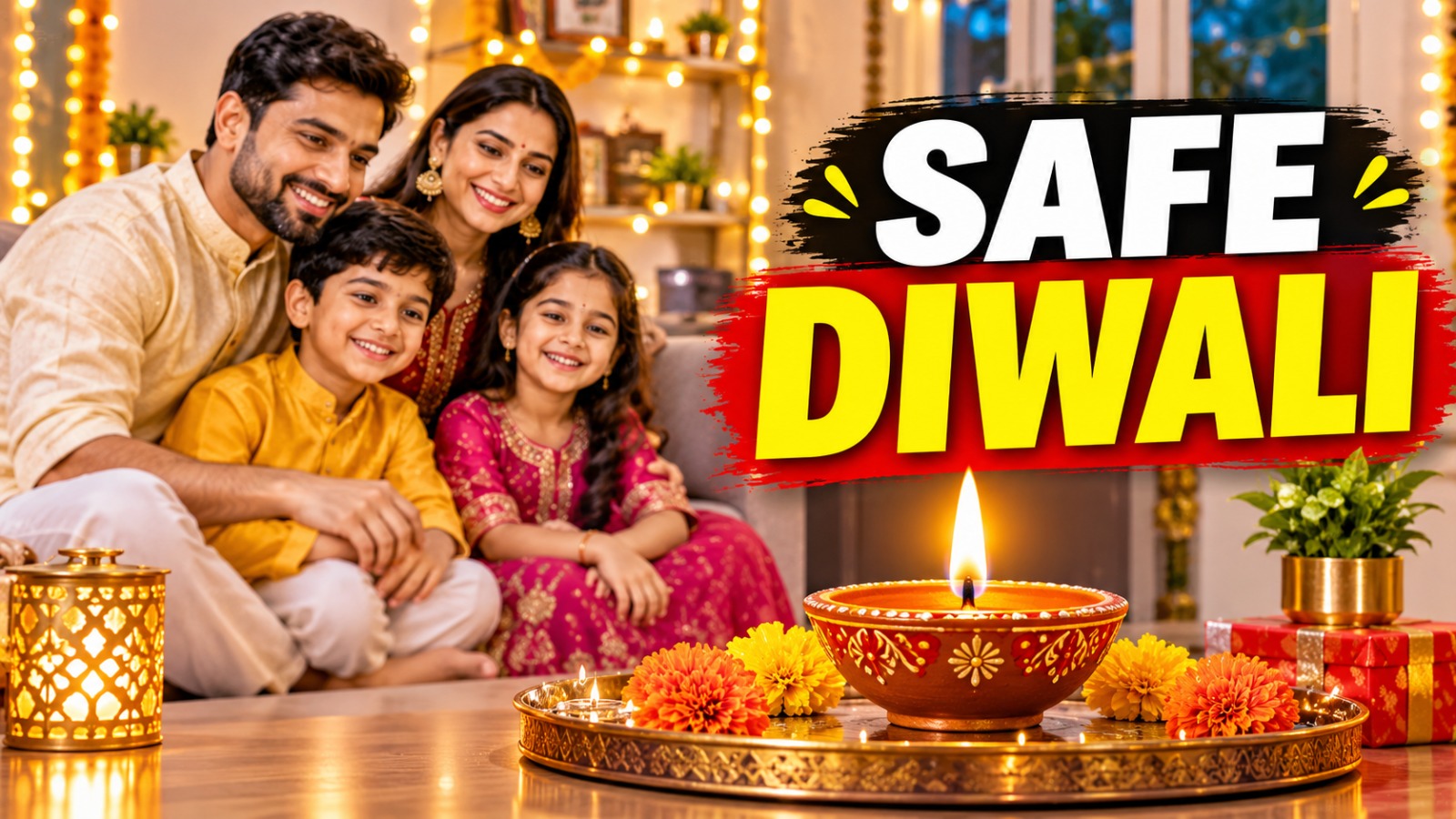
Use LED diyas and battery candles instead of open flames in classrooms, and keep any real diyas used in the assembly on a safe surface away from curtains and paper decorations, supervised by an adult at all times. Talk to students about firework safety at home as well: never light crackers alone, keep water nearby, and stay away from stray animals. Our Diwali safety tips for 2026 cover these points in detail for families.
Kindness is the other lesson of the day. Encourage students to include classmates who do not celebrate Diwali, to share their crafts and sweets, and to think about who in their neighbourhood might be alone during the festival. A celebration that is warm to everyone is the best lesson a school can teach.
Helpful Finds for the Classroom
A few practical pieces make classroom decoration and craft time easier. - battery-operated fairy lights are safe for classrooms and brighten any display, - LED strip lights can transform a stage or noticeboard for the assembly, and - battery candles give the warm glow of diyas without any flame.
- Led Strip Lights Room
- Battery Powered Fairy String Lights Silver Wire In
- Floral Battery Operated Candle Set Remote Timer Perfect
- Throw Blanket Fleece
As an affiliate, EventBuzz may earn a commission on qualifying purchases at no extra cost to you.
Conclusion
A Diwali celebration in school is at its best when it mixes learning with joy: a story told well, an assembly that brings everyone together, crafts that children take home with pride, games that include every student, and a clear message about celebrating safely and kindly. Plan it for the last day before the holiday, keep it cracker-free, and let students of every age take part. The children will go home excited for the festival, and the school will have given them a memory of Diwali that lasts far beyond the holiday.
For more ideas, see our eco-friendly Diwali guide for 2026 and the Diwali decoration ideas at home that students can try with their families.