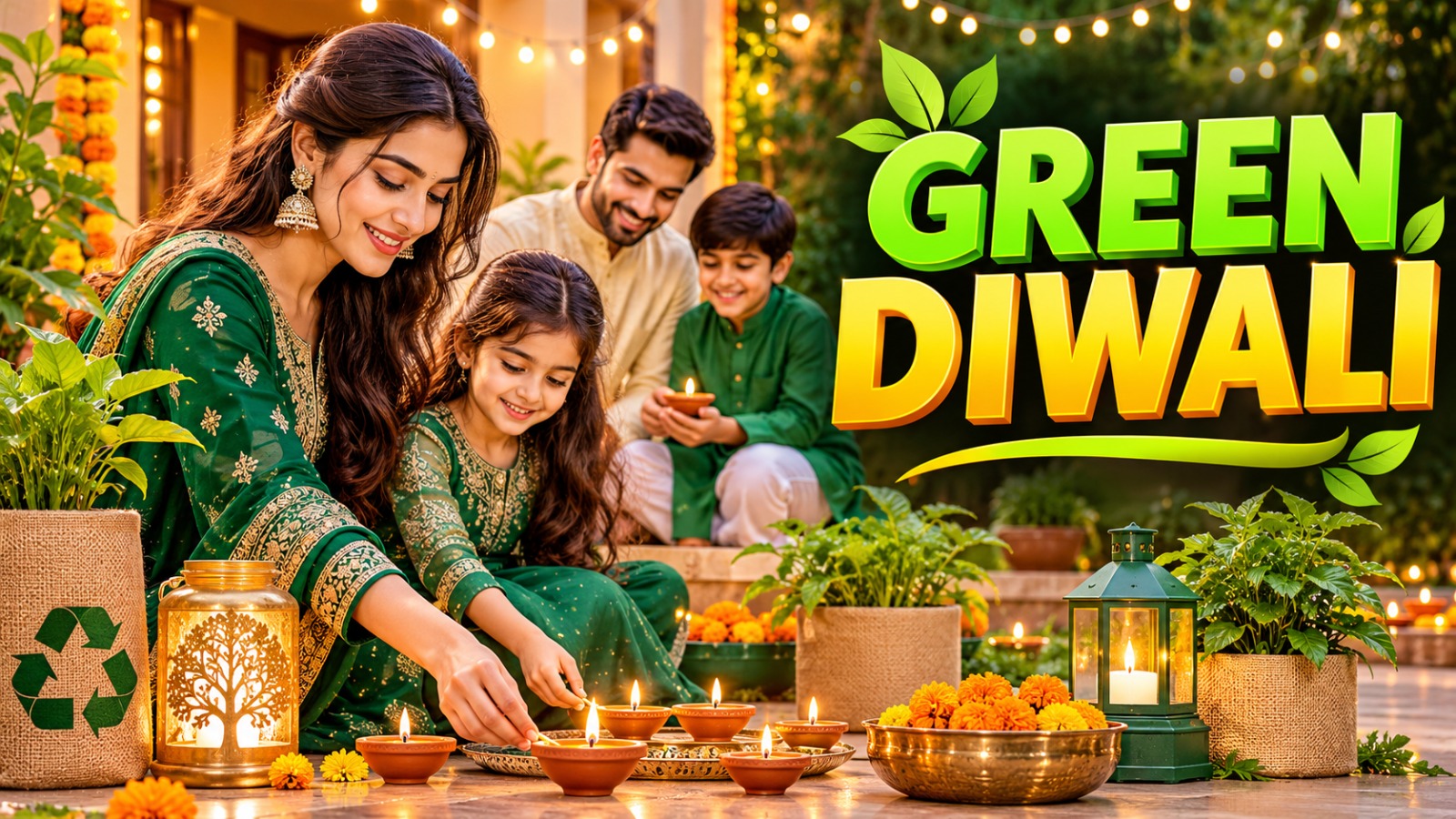
Diwali is a festival of light, and there is no reason the light has to come with smoke, waste, and noise. An eco-friendly Diwali is not a smaller Diwali. It is the same celebration with better choices: lights that use less power, decorations that come from nature and return to it, gifts that last, and food that feeds people instead of filling bins. The result is often more beautiful than the conventional version, because natural materials and warm light have a glow that plastic cannot copy.
This guide covers practical green Diwali ideas for 2026, from lighting and decor to gifts and food, plus a simple one-week plan that makes the switch easy. Diwali 2026 falls on Sunday, November 8, so there is still time to make the change this year, even if you start today.
Why Go Green This Diwali
The case for a green Diwali is simple. Firecrackers fill the air with smoke that lingers for days and troubles children, older people, and pets. Single-use plastic decorations and cheap string lights break after one season and end up in landfill. Chemical rangoli colours stain floors and wash into drains. None of this is part of the festival's meaning, which is light overcoming darkness, and all of it can be replaced without losing any of the joy.
Lights Without Waste: LED, Solar, and Flameless
Lighting is the heart of Diwali, and it is also the easiest place to go green. LED fairy lights use a fraction of the electricity of old bulbs, stay cool to the touch, and last for many seasons. Choose warm white rather than harsh white, because warm light matches the glow of diyas and looks better in photographs. A string of star-shaped LED fairy lights along a window or balcony gives a festive look with very little power.
Solar lights are the next step. A solar fairy light strip charges during the day and glows through the evening without any wiring or electricity cost, which makes it ideal for balconies, gardens, and outdoor paths. Place the small solar panel where it gets direct sunlight, and the lights will switch on by themselves at dusk. For indoor spaces, battery-powered fairy lights on thin silver wire can be draped anywhere without a socket nearby, and they are safe around children and curtains because they stay cool.
Clay Diyas and Natural Decor
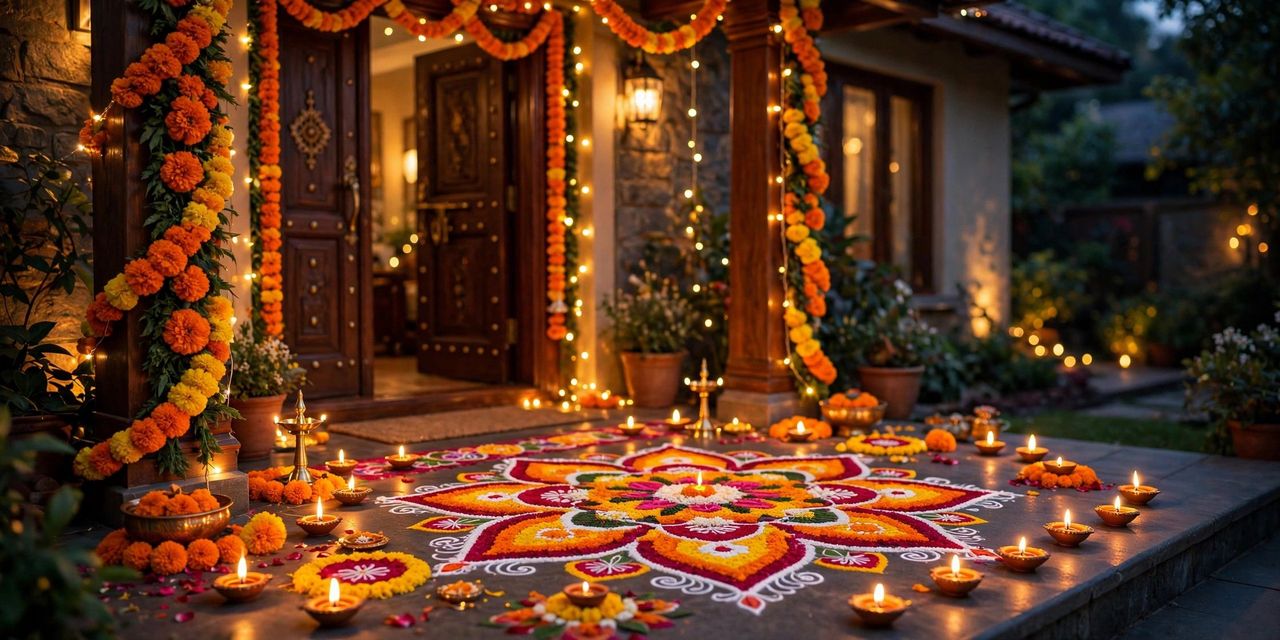
The clay diya is already the most eco-friendly decoration in the festival, and it deserves the starring role. Buy plain earthen diyas from local potters rather than plastic or painted ones, and fill them with oil or ghee and a cotton wick. A row of clay diyas along a windowsill, a balcony, or the entrance looks more beautiful than any electric decoration, and the flames move gently in a way no bulb can copy. After the festival, broken diyas can be crushed into garden soil, and whole ones can be washed and reused next year.
For the rest of the decor, choose natural materials. Marigold and rose flowers, mango leaves, and banana stems make a traditional toran that smells wonderful and composts after the festival. A brass or steel urli filled with water, flower petals, and a floating diya is a beautiful centrepiece that needs no plastic. For more ideas, see our Diwali decoration ideas at home, and choose the natural options in every room.
Eco Rangoli: Flowers, Rice, and Natural Colours
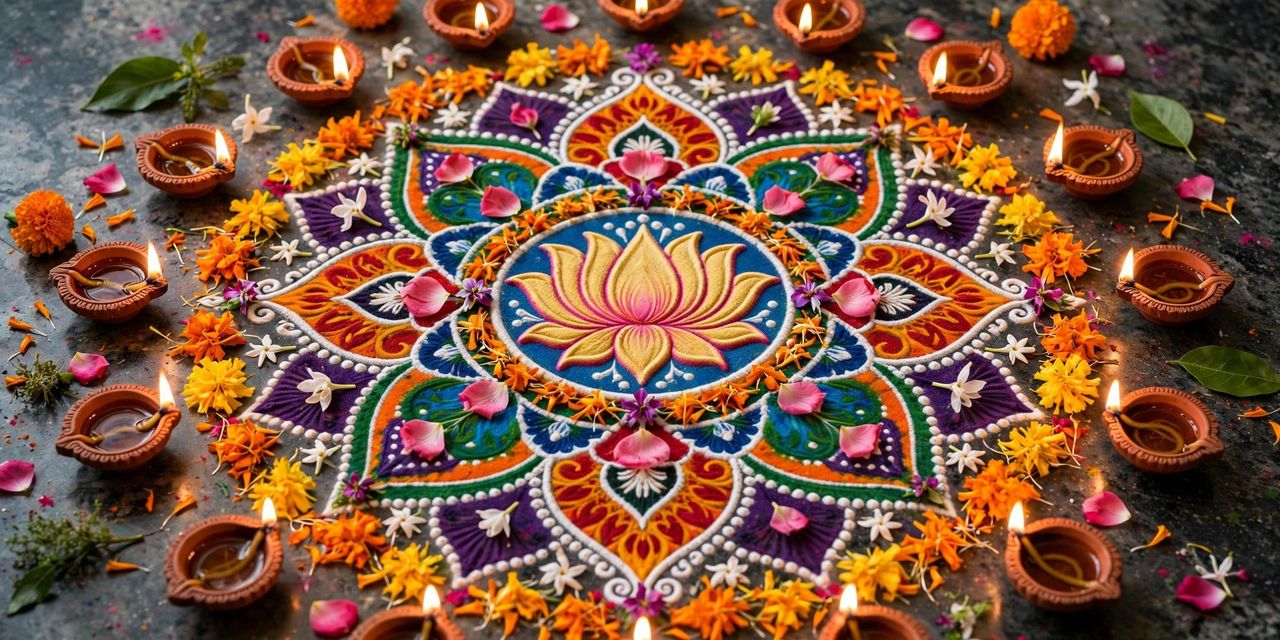
Rangoli is one of the most creative parts of Diwali, and it is easy to make it eco-friendly. A flower rangoli made from marigold, rose, and jasmine petals is stunning, smells wonderful, and composts after the festival. Rice flour, pulses, and lentils in different colours make crisp patterns that are traditional and fully natural. For colour, use turmeric for yellow, kumkum for red, and dried flower powder for pink, instead of chemical colours that stain floors and harm the soil.
Keep the rangoli near the entrance or the puja room, where it is seen most, and add a few diyas around the edges for the evening. Sweep up the petals and powder the next morning and add them to the compost, and the rangoli leaves nothing behind except a good memory.
Green Gifts and Wrapping
Diwali gifts are a chance to give something useful rather than something that will be thrown away. Plants are the classic green gift: a small potted plant, a herb kit, or a flowering plant in a clay pot is thoughtful, lasts long after the festival, and suits every age. Handmade soaps, beeswax candles, and reusable cloth bags are practical gifts that people actually use. For food lovers, homemade sweets in a steel box beat packaged sweets in plastic every time.
Wrapping matters as much as the gift. Use cloth wrapping, newspaper decorated with a stamp, or a reusable gift bag instead of plastic wrapping paper and tape. A simple cloth square tied with a ribbon looks elegant and can be reused by the receiver. If you must use paper, choose plain paper without glitter or foil, which cannot be recycled, and skip the plastic ribbon.
Low-Waste Food and Party Tips
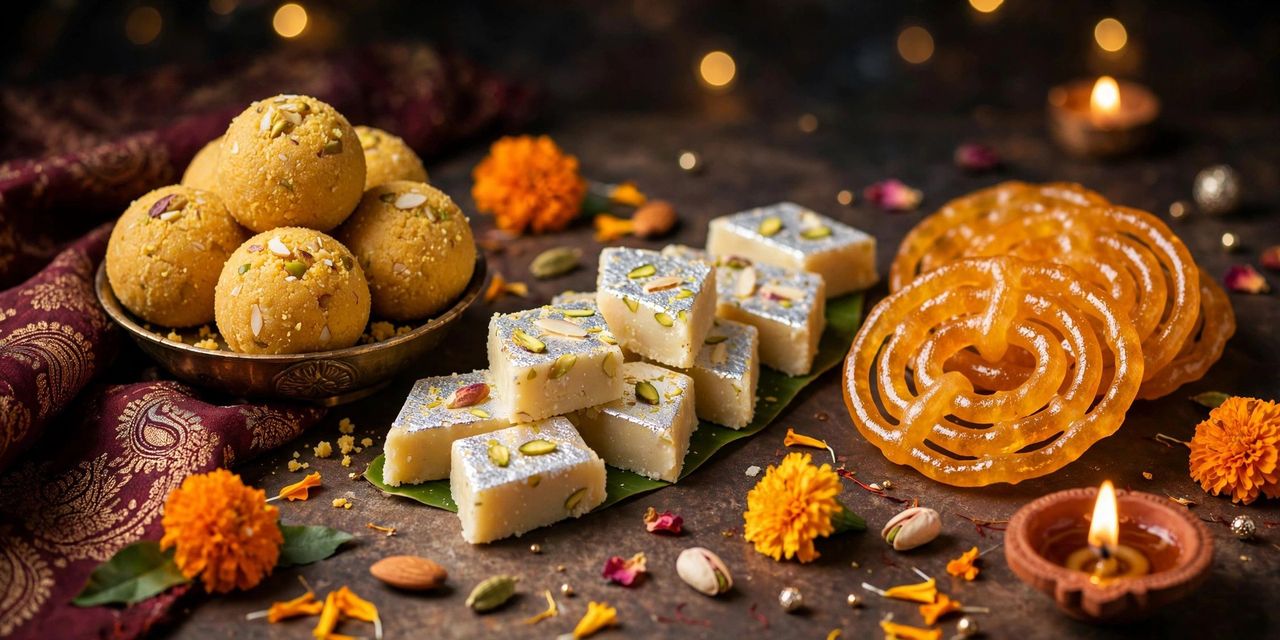
Festive food is central to Diwali, and it is also where most festival waste is made. Cook the amount your family will actually eat, and plan the menu a day ahead so nothing is bought twice. Homemade sweets and snacks use less packaging than store-bought ones, and they taste better too. For recipes, see our Diwali sweets and recipes, and choose the ones that use ingredients you already have.
Serve food on steel, brass, or ceramic plates rather than disposable ones, and keep cloth napkins instead of paper. If guests are coming, ask them to bring their own containers for leftovers, which is a tradition in many families and avoids plastic boxes. Compost vegetable peels and flower waste, and store leftover food properly so it is eaten the next day instead of thrown away.
A Simple Green Diwali Plan
Start one week before Diwali. On the first day, list what you already own: lights, diyas, decor, and gift wrap, and buy only what is missing. On the second day, order clay diyas from a local potter and buy flowers and natural materials. On the third day, make the rangoli materials and the gift wrapping ready.
Green Finds for a Sustainable Diwali
These finds from QA Affiliate fit a green Diwali: reusable lights and flameless candles that last for many festivals.
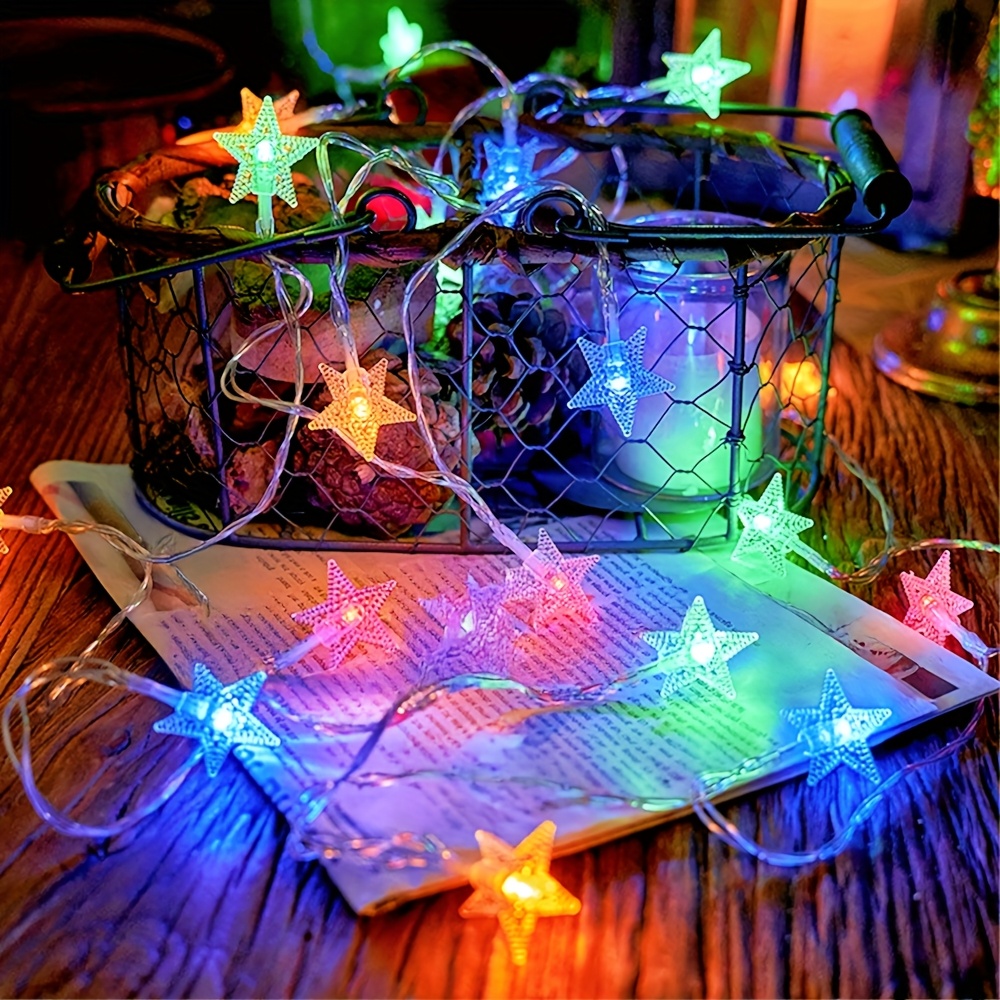
Star Fairy Lights 40 LED Star String Lights
Energy-saving LED star lights that give a festive glow with very little power, reusable for years.
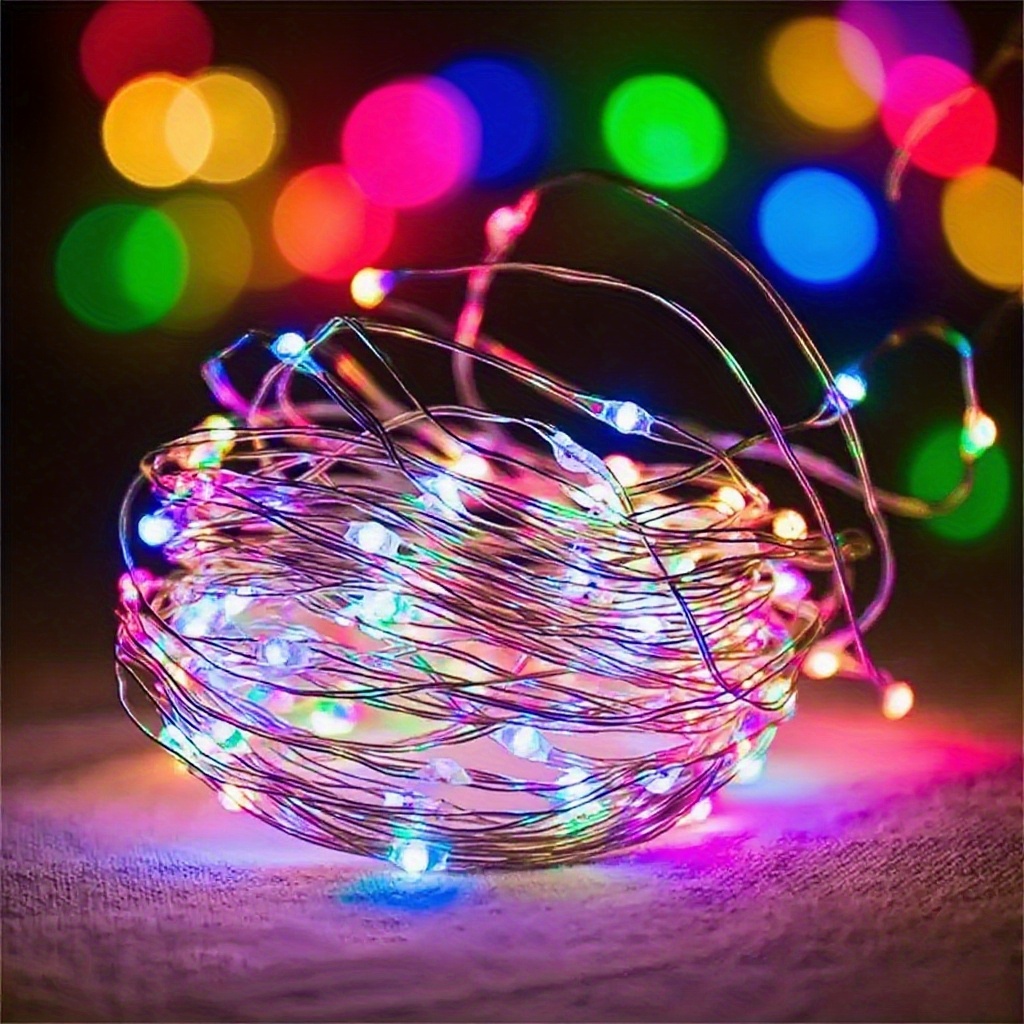
Battery Powered Fairy String Lights (Silver Wire)
Cool, battery-powered fairy lights on thin silver wire, easy to drape anywhere without a socket.
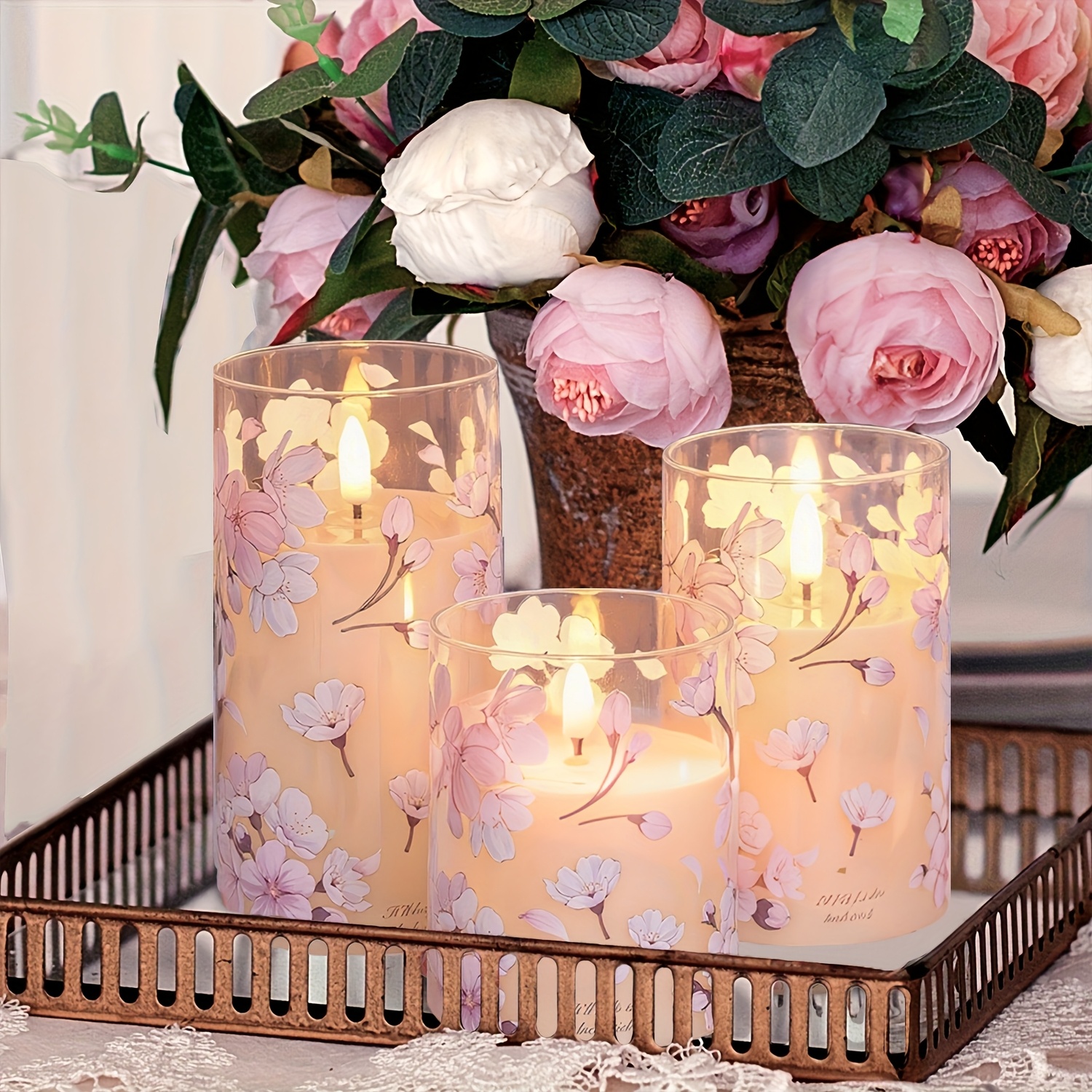
Floral Battery Operated Candle Set with Remote & Timer
Flameless candles with a remote and timer, the safe glow of a candle without any flame or smoke.
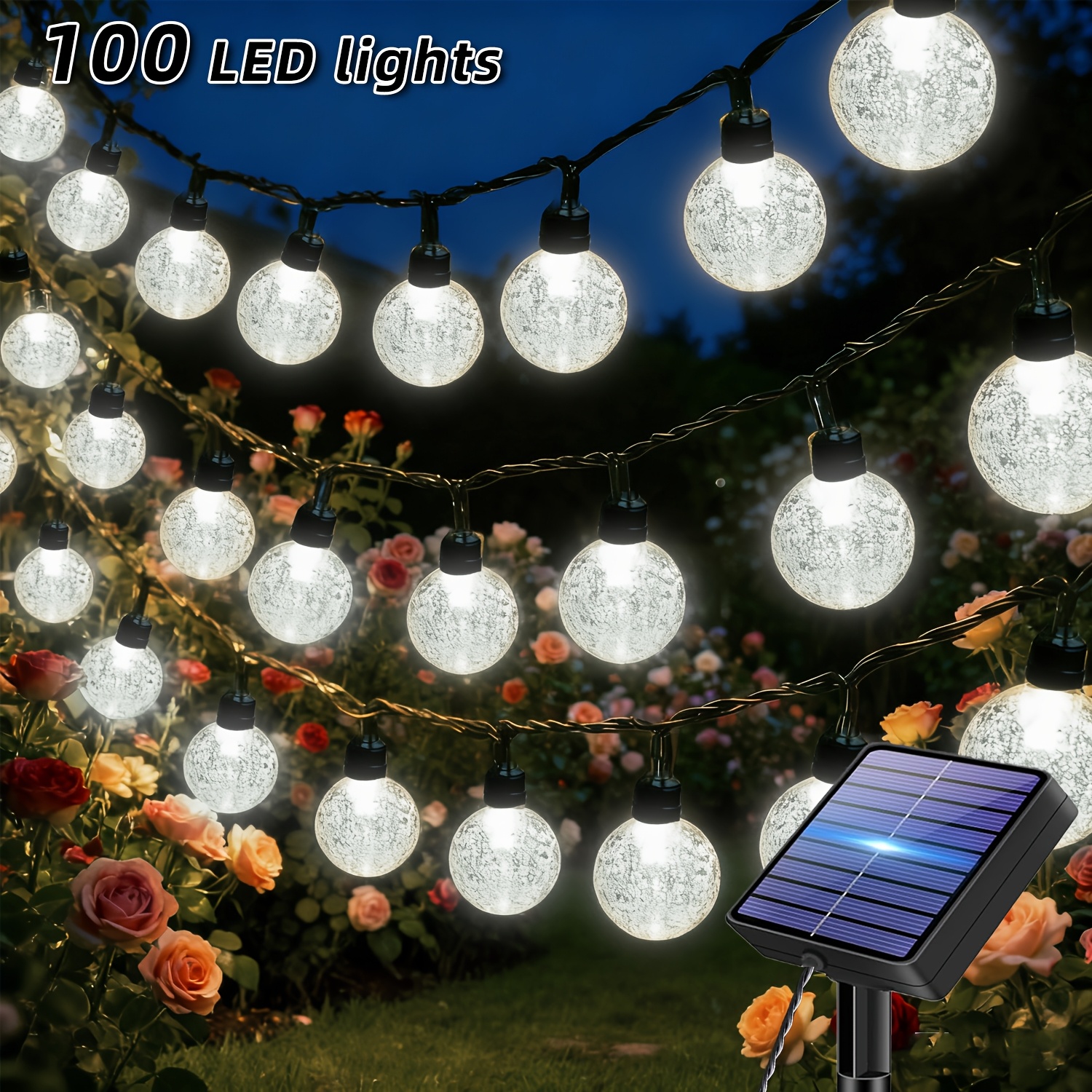
Solar Fairy Light Strip (Outdoor Garden, Spherical)
A solar-powered fairy light strip for gardens and balconies that charges by day and glows by night.
As an affiliate, EventBuzz may earn a commission on qualifying purchases at no extra cost to you.
Conclusion
An eco-friendly Diwali is not a compromise. It is the same festival of light, celebrated with lights that last, decorations that grow from the earth, gifts that are useful, and food that is shared rather than wasted. The clay diya, the marigold, the LED string, and the homemade sweet are all older and newer at once, and together they make a Diwali that feels both traditional and thoughtful. Try one green change this year, and let the festival grow greener with every year that follows.
For more festive ideas, see our rangoli designs for Diwali 2026, Diwali decoration ideas at home, and Diwali sweets and recipes. You can also browse more festive finds on the QA Affiliate homepage.