Some people are genuinely hard to shop for — not because they are picky, but because they already own the obvious gift in every category. Another gadget, another generic gift set, another thing to find space for: none of it lands. The way through is to stop shopping for objects and start shopping for outcomes. The best gifts for people who have everything in 2026 are experiences they would not book themselves, consumables that end instead of accumulating, upgrades of things they already love, and personal touches money alone cannot shortcut.
This guide organizes those strategies by type, with honest trade-offs for each, and ends with one ready-to-order option in the gift pick section below for the person on your list who loves jewelry. For a wider starting list, browse our main Christmas gift ideas guide first, then return here when the standard ideas run out.
Why This Person Is So Hard to Shop For
People who 'have everything' usually share three traits: they buy what they want when they want it, their tastes are specific and known mainly to themselves, and their home has no obvious gaps left to fill. A gift succeeds with them when it proves observation, not expenditure — you noticed something about how they live. Every strategy below is built to deliver that proof.
It also explains the failures: gifts that duplicate what they own, gifts that demand storage or display space, and gifts chosen from generic 'luxury' lists that could be for anyone. If a present could be re-gifted without the giver noticing, it was never personal enough for this recipient.
The Golden Rule: Upgrade It, Experience It, or Let It End
Filter every idea through one of three doors. Upgrade: replace something they use daily with a notably better version of the same thing. Experience: give an outing, a class, a tasting or a service that creates a memory instead of an object. Ending: give something luxurious that gets consumed — exceptional food, drink, candles or bath goods — so it delights and then politely disappears. Gifts that pass none of the three doors are the ones that end up in a closet.
Seasonal surveys consistently suggest experience gifting is a large and growing share of holiday giving — our dedicated experience Christmas gifts guide explores that door in depth — and consumables have the practical virtue of never needing a shelf.
Experiences They Would Never Book Themselves
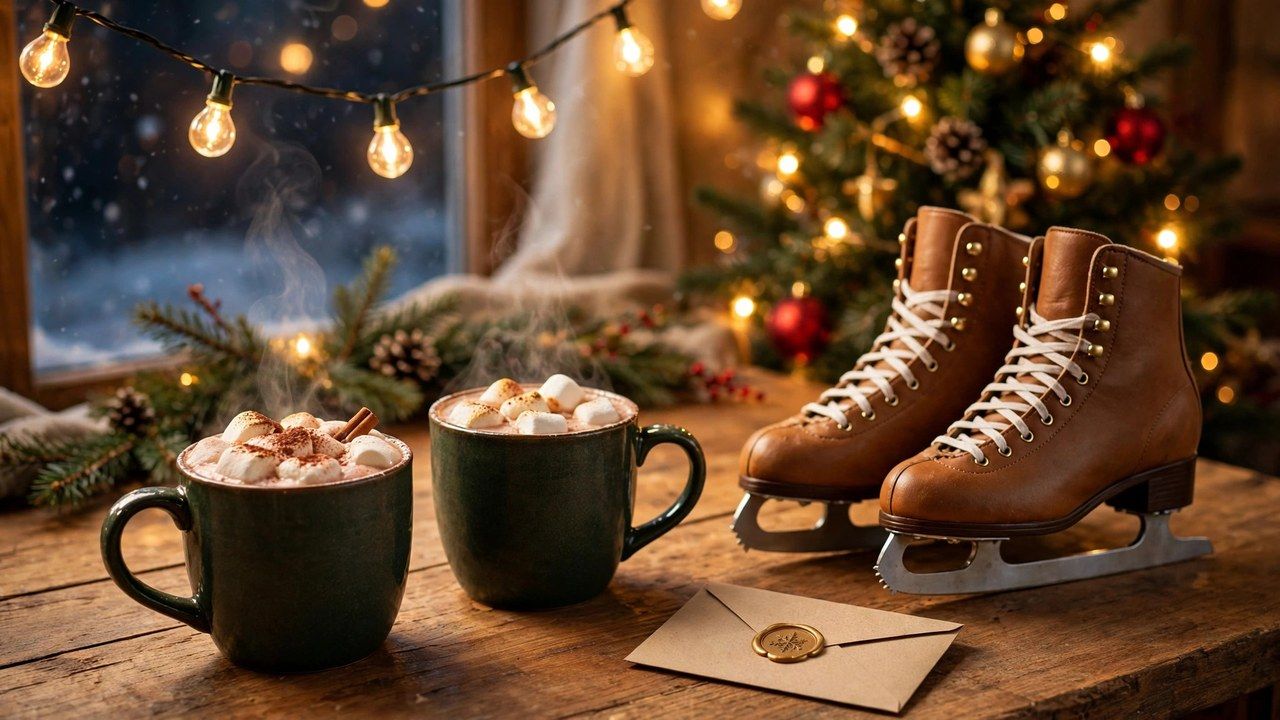
The best experience gifts are slightly indulgent versions of things the person already enjoys: a better seat, a private version of a public thing, a class in the hobby they mention but never prioritize. Cooking people light up at a chef-led class; stressed people at a massage or spa booking made for a specific date rather than an open voucher; culture lovers at exhibition tickets paired with lunch. The detail that makes it thoughtful is doing the booking. An experience that requires the recipient to organize it is a task wearing a bow.
Present it properly: a card with the date, the plan, and what you have arranged. That small ceremony turns a booking confirmation into a gift moment under the tree.
Consumables: Luxury That Politely Disappears
Consumables solve the storage problem completely, so the quality bar is the whole gift. Go for the exceptional version of a category they already enjoy: the small-batch version of their favorite treat, the seasonal limited release, the bakery box from the place with a line out the door. Average versions of consumables read as filler; excellent versions read as connoisseurship.
Build a small themed collection rather than one large item — three related treats with a note explaining each choice feel curated, and our Christmas gift baskets guide shows how to assemble that format well.
Upgrades: Listen for the Complaints
Upgrade gifts are hidden inside everyday grumbles. The knife that never stays sharp, the worn wallet, the earbuds with the failing battery, the blanket that has seen better decades — each complaint is a gift brief. Replacing a loved, tired item with a superior version of the same thing says 'I pay attention' more clearly than any novelty.
| Listen for | Upgrade angle | Risk to check |
|---|---|---|
| 'This old thing still works, mostly' | A premium version of that exact tool or accessory | They may be attached to the old one — upgrade alongside, not instead |
| 'I keep meaning to try…' | The class, ticket or starter kit for that interest | Choose beginner-friendly formats; avoid gear that demands commitment |
| 'I never treat myself to…' | The treat itself, at the level they skip | Consumable treats carry the least risk of all |
| 'My favorite shop closed' | A sourced alternative or a nostalgic equivalent | Verify the replacement's quality before wrapping your reputation in it |
Personal: The Category Money Cannot Shortcut
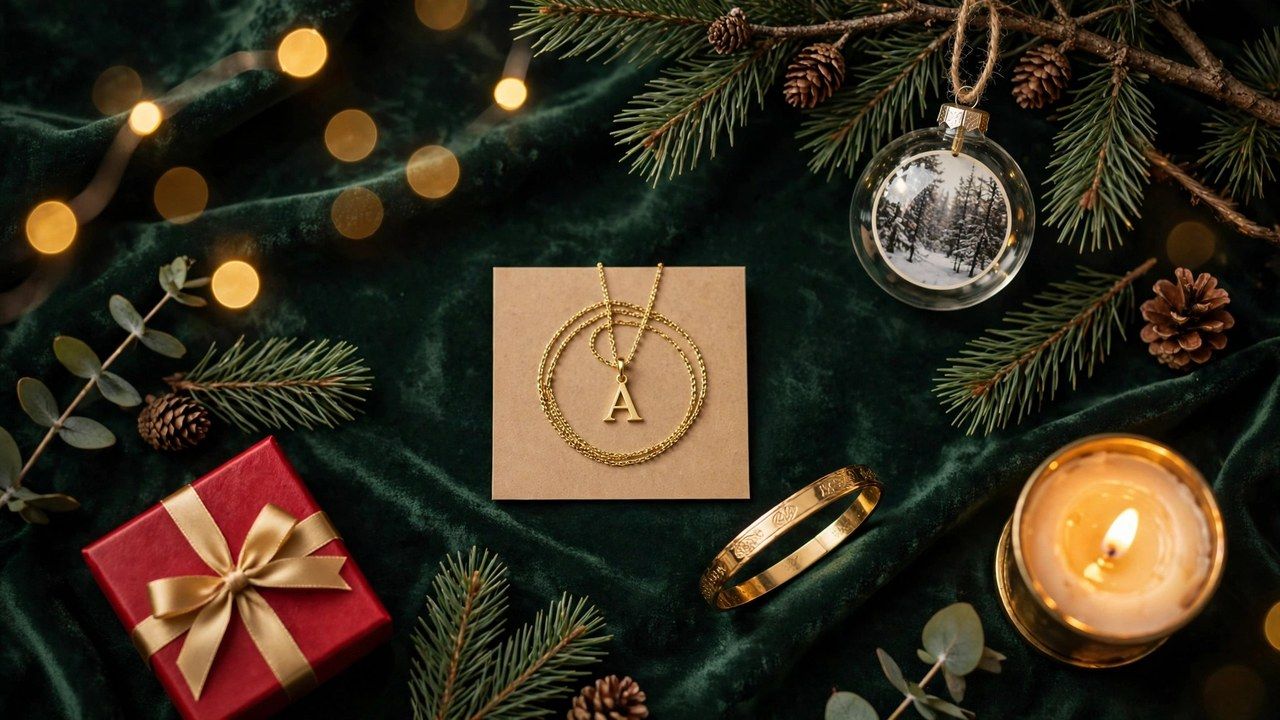
When objects fail, meaning succeeds. A framed photo from a trip you shared, a first edition or print connected to their obsession, a donation in their name to the cause they actually support, or a letter that says the unsaid thing — these are the gifts people who have everything keep. Our personalized Christmas gifts guide covers made-to-order versions of this idea, and our DIY Christmas gifts guide covers the handmade end, where your time is visibly the ingredient.
Services and the Gift of Time
For the person whose calendar is fuller than their shelves, services are the luxury category: house cleaning before their holiday hosting, car detailing, a handyman visit for the list of small repairs, or a standing coffee delivery. Arrange and pay in advance, present the booking in a card, and make redemption effortless. Time gifts fail only when they create scheduling work for the recipient — remove yourself from their to-do list, not add to it.
For the Jewelry Lover: A Gift-Ready Option
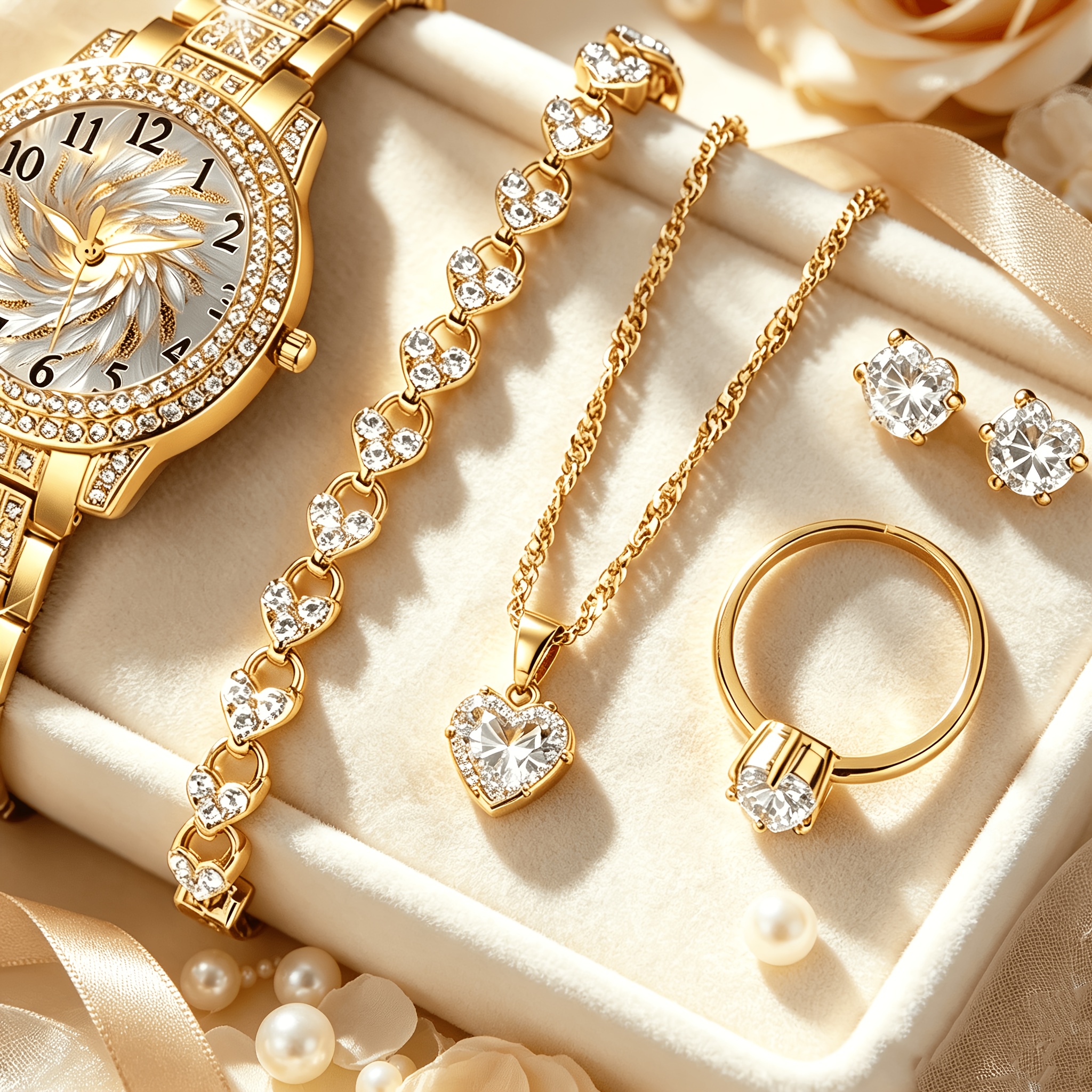
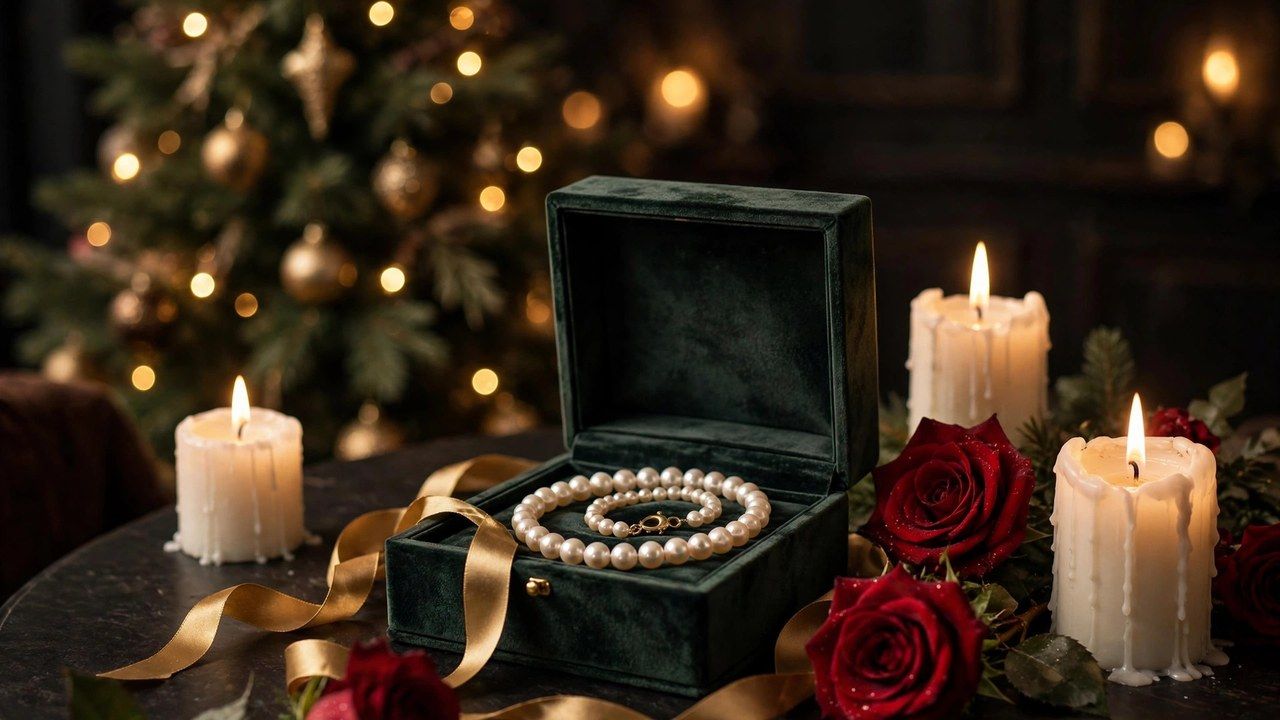
One object category still works for this recipient when it is chosen as a set rather than a single piece: coordinated jewelry that arrives gift-boxed and ready to wear with holiday outfits. A bundled set gives the recipient options to mix with pieces they already own instead of one more standalone item competing for space. We have included one such bundle in the picks section — check the seller's page for current details, and order with delivery time to spare.
What to Avoid, Honestly
Pros of the strategies above: they cannot duplicate what the person owns, they respect their space, and they demonstrate observation. The traps to avoid: 'luxury' versions of things they do not use; oversized statement objects for a home with no spare surfaces; gift cards alone, which confess you gave up (a gift card attached to a specific plan is different); and anything that requires assembly, maintenance or a subscription they must manage. Our luxury Christmas gifts guide and gifts under $100 guide can help calibrate spend once you have chosen a direction.
Conclusion
Shopping for gifts for people who have everything stops being hard when you change the question from 'what don't they own?' to 'what would improve, delight or disappear gracefully?' Upgrade what they love, book what they would not book, serve what gets happily consumed, and make it personal. That is the whole secret, and it works every year.