A gift basket solves three Christmas problems at once: it suits people you do not know intimately, it turns several modest items into one abundant-looking present, and it travels beautifully from office gifts to doorstep deliveries. Interest in christmas gift basket ideas has surged this season, and the choice that defines yours is simple: buy ready-made, or build it yourself. This guide compares the two honestly, lays out five themed builds that work for real recipients, and gives you the assembly method professionals use — including a small set of orderable components in the basket components section below, framed honestly as DIY fillers rather than a finished basket.
Building for a crowd or an office? Basket logic scales wonderfully — and our coworker gifts guide covers the per-person budget side of group gifting.
Ready-Made vs DIY: The Honest Comparison
| Factor | Ready-made basket | DIY basket |
|---|---|---|
| Effort | Minutes — order and done | An afternoon of shopping and assembly |
| Personal fit | Generic themes; you hope the mix suits them | Every item chosen for this person |
| Value | You pay for assembly, basket and presentation | Budget goes into contents; the basket itself is reusable |
| Risk | Filler items and small portions hiding under cellophane | Your own curation — which is also the reward |
| Best for | Distance gifts, corporate lists, no time at all | Family, neighbors, hosts, anyone you know even slightly |
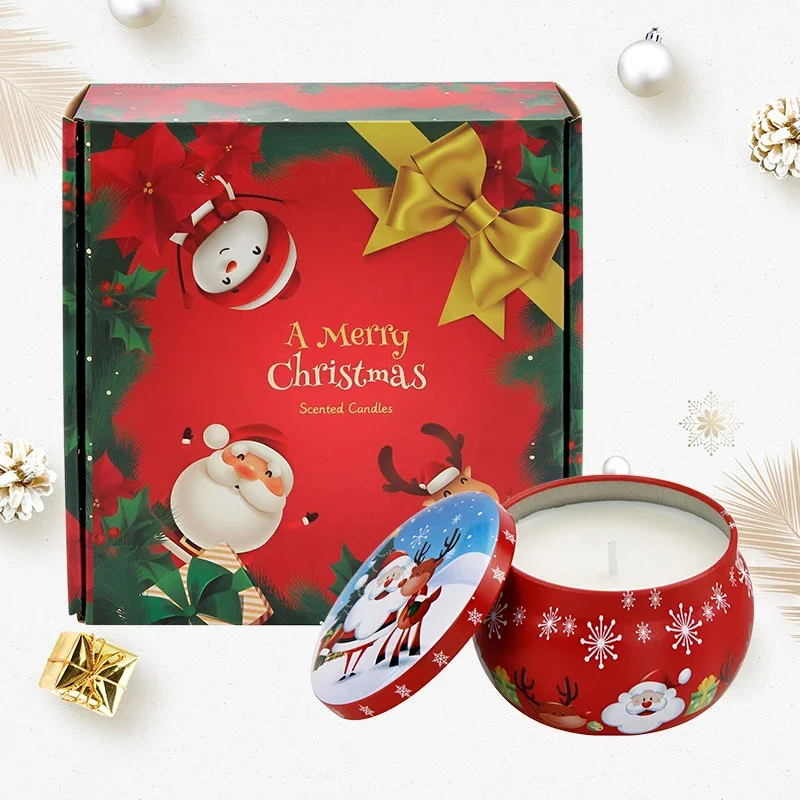
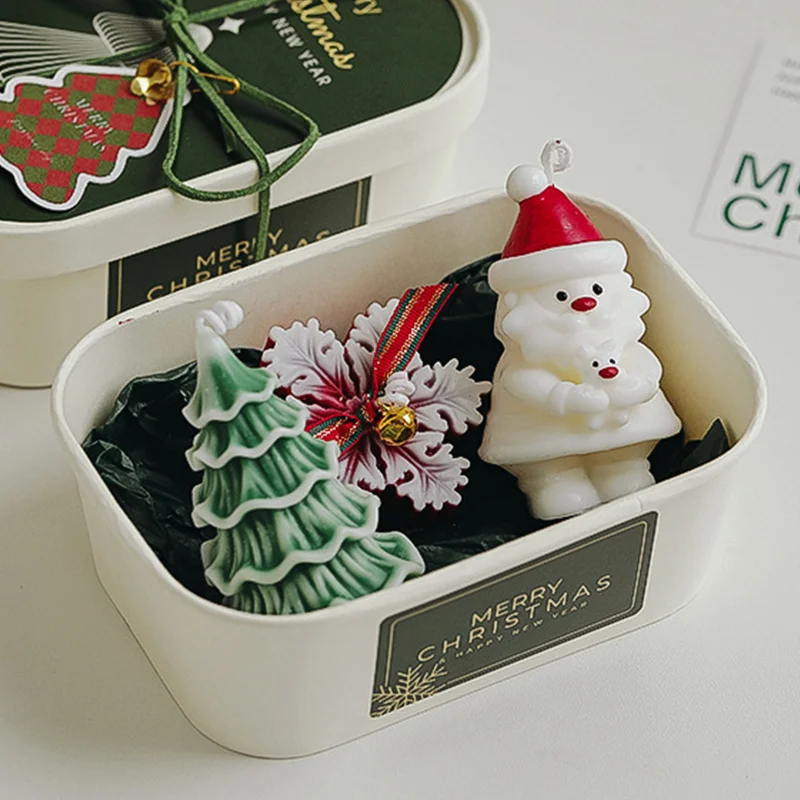
The middle path is underrated: buy one or two strong components online — the candle sets and throw in our components section are chosen for exactly this — then finish the basket locally with fresh treats. You get personal curation without hunting every single item.
The Assembly Method (Why Some Baskets Look Abundant and Others Look Sad)
Professional baskets obey physics. Start with a container slightly smaller than you think — abundance is density, not size. Build a raised base inside (crumpled tissue or shredded paper) so items sit high and visible. Place the tallest item at the back center, anchor pieces at the sides, and fill forward and downward in descending height, like a tiny amphitheater. Every item should be visible without excavation. Finish with one soft element draped at the front — a throw or cloth napkin — and one natural accent. Wrap in cellophane only if the basket must travel; otherwise a ribbon on the handle and a handwritten tag complete it. Keep the color story to two or three tones and the basket instantly looks designed.
Five Themed Builds That Work
The Cozy Night In Basket
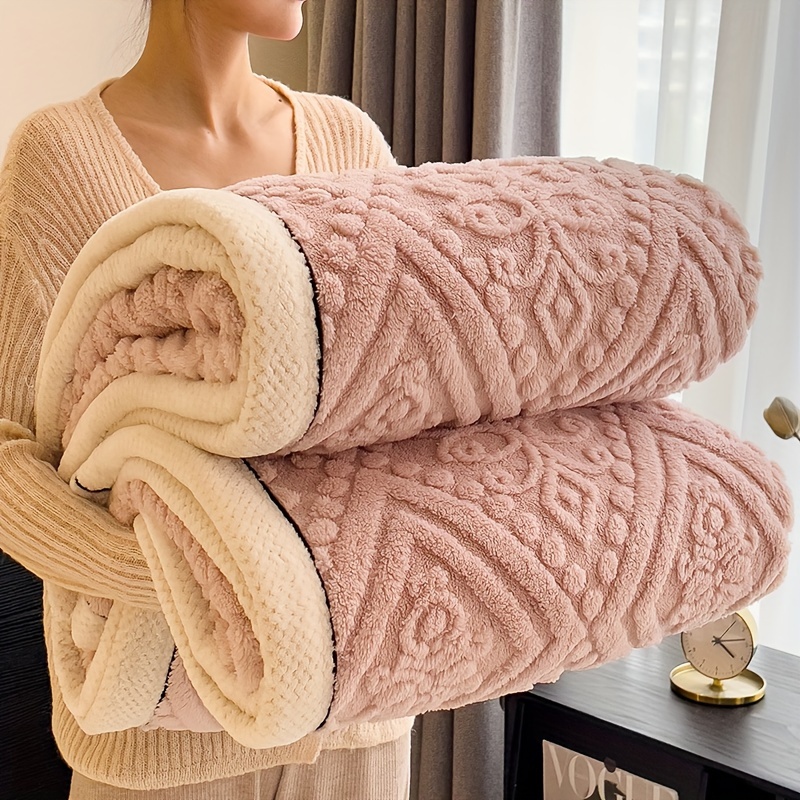
Built around the flannel throw from our components: add a scented candle, cocoa or tea, a small sweet treat and warm socks. For neighbors, new parents and anyone whose December needs slowing down. This is the highest-success theme in the entire basket world.
The Candle Lover's Basket
Two candle sets with different characters — the four-piece scented set for variety, the cute themed set for charm — plus matches in a pretty holder and a small tray. Ideal for hosts and homebodies. Candles also anchor our table styling ideas in the Christmas table settings guide.
The Baker's Basket
A quality baking mix or your own jarred dry ingredients, cookie cutters, a tea towel, and something baked by you to prove the concept. For the friend who actually bakes — recipes from our Christmas cookie recipes make the homemade element.
The Host Basket (The One You Bring, Not Send)
Candles, good napkins, a treat for tomorrow morning (hosts never eat at their own party), and a small luxury for the cook alone. Arrive with it; do not expect it to be opened or served that night — say so, kindly, when you hand it over.
The Office or Client Basket
Shareable, shelf-stable, beautifully neutral: treats that a whole team can open, a candle set for the office, nothing personal, nothing perishable-fast, and a card signed by actual humans. Delivered early in December, before the office empties.
Choosing Components That Earn Their Place
Every item in a basket should pass one test: would this be a decent small gift alone? The candle sets in our picks pass it — a four-piece scented set can be the basket's anchor or split across two baskets, and the themed cute set adds the charm shot every basket needs. The flannel throw passes it as the soft front-drape and the gift's lasting element after treats are eaten. What fails the test: shredded filler sold as content, miniature versions of products nobody buys full-size, and anything included only to raise the item count. Recipients can feel the difference in one glance, which is why honest components matter more than quantity.
Baskets by Recipient, Quickly
- Neighbors: Cozy Night In, delivered early evening with a card — see our neighbor gifts guide for doorstep etiquette.
- Grandparents: Comfort plus memory: treats, a candle, and a framed photo placed visibly at the top of the basket.
- Teachers: Small, shelf-stable and shareable in the staff room, with a class-signed card doing the emotional work.
- Long-distance family: Ready-made earns its fee here — or ship components flat (the throw travels beautifully) with assembly instructions disguised as a card joke.
Honest Pros and Cons
Pros: baskets flatter modest budgets, suit semi-known recipients gracefully, combine treats (gone in a week) with one lasting piece (kept for years), and photograph beautifully for long-distance reassurance. Cons: ready-made baskets hide filler and markup; DIY baskets eat an afternoon and can sprawl in cost if you shop without a theme; and perishables demand timing. Theme first, components second, assembly last — in that order, the cons stay small.
Budgeting a Basket Without the Slow Creep
DIY baskets fail financially in one predictable way: item-by-item drift, where six "small" additions quietly double the intended spend. Prevent it with the anchor-plus-three rule. Fix the total first. Spend roughly half on the anchor — the lasting piece, like the throw or the candle set from our components — then divide most of the remainder among exactly three supporting items (a treat, a drink or bake, one charming small), and reserve the last slice for the container, wrap and card. If a fourth supporting item tempts you in the shop, it must replace one of the three, not join them; the swap discipline is what keeps a generous basket from becoming an expensive pile.
For multiple baskets, the economics improve further: anchors bought as sets split across baskets, treats bought in bakery quantities, and one wrapping session for the whole row. This is how experienced givers produce five beautiful baskets for the price of two ready-made ones — the method, not the money, is the luxury. Track the per-basket total on your phone as you shop, and stop at the number without negotiation. A basket that respects its budget can be repeated for everyone who deserves one, and that repeatability is the real generosity.
Delivering and Shipping Baskets Without Casualties
A beautiful basket that arrives scrambled is a rumor of a gift. For hand delivery, transport the basket flat in a box or on a tray in the car — never on a seat where braking rearranges it — and carry it by its base, not its handle, which on most decorative baskets is the weakest structure in the building. For shipping, the honest advice is to ship the components, not the artwork: pack the anchor and items flat with tissue between them, include the basket collapsed or nested if the design allows, and let the card carry a light instruction — "some assembly of joy required" — that turns the rebuild into part of the fun. If the basket absolutely must travel assembled, choose ready-made from a shipper who does it professionally; their packaging engineering is precisely what their markup pays for.
Keeping a Basket Log (So Next Year Is Easier)
Serious basket-givers keep a tiny log: who received which theme, which components landed best, and what the per-basket total actually was. Three lines per basket, written in January while memories are fresh, convert this year's effort into next year's head start — no repeated themes for the same neighbor, no re-buying the candle set someone already owns two of, and a budget history that keeps the anchor-plus-three rule honest. It takes four minutes and compounds every single year, which is more than can be said for most Christmas systems.
Conclusion
Pick the theme, buy components that would each make a decent gift alone, assemble high and dense, and let one soft element and a handwritten tag finish the job. Whether yours is ready-made, fully DIY or the smart hybrid, it will look — and feel — like abundance. For every other format on your list, our main Christmas gift ideas guide has the full map.