Introduction
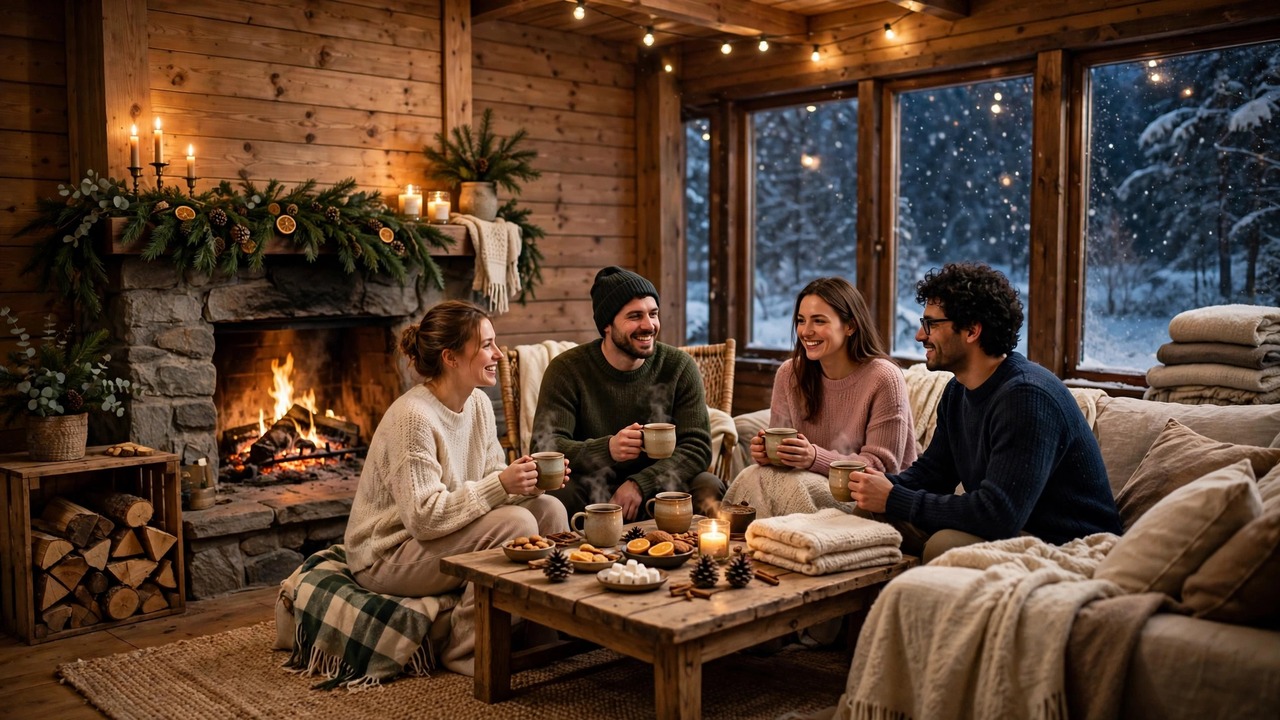
Winter gatherings have their own charm. Short days, warm light, and time indoors make them ideal for unhurried conversation and shared food. Planning a winter gathering well means thinking about comfort first: warmth, light, seating, and a pace that suits the season.
This guide covers the practical steps for planning a winter gathering that feels welcoming from arrival to goodbye.
Choose the Right Kind of Gathering
Start by deciding what kind of gathering fits the season and the guests. A quiet dinner, a casual afternoon tea, a games evening, or a small family gathering all work well in winter, but each needs a different plan.
A smaller gathering often suits winter best, because indoor space is limited and guests appreciate a calm atmosphere. Choose a format that matches the space available and the energy of the group, rather than trying to fit a large event into a small room.
Plan for Warmth and Light
Comfort is the foundation of a winter gathering. Check heating in advance and arrange seating away from cold draughts. Provide blankets or throws if guests will sit for a long time, especially in a larger room.
Lighting makes a large difference in winter. Use warm lamps rather than harsh overhead light. Candles in safe holders, fairy lights, and lamps at different heights create a cosy atmosphere and help guests relax.
Clear the entrance area so guests can remove coats and shoes comfortably, and provide a place to hang coats.
Send Clear, Early Details
Winter weather and shorter days can affect travel, so send details early and clearly. Include the start time, the address, parking or transport notes, and anything guests should bring.
Ask about dietary needs and any accessibility needs in advance. Knowing these early allows the menu and layout to be planned properly, without last-minute changes.
Confirm numbers a few days before the gathering, so food and seating can be adjusted if needed.
Plan Food for a Cold Season
Winter food should be warm, filling, and easy to serve. Soups, stews, baked dishes, and warm drinks are natural choices, alongside simpler cold options for variety.
Prepare as much as possible in advance. Dishes that can be kept warm without constant attention free the host to spend time with guests. Label dishes clearly for dietary needs, and keep water available alongside warm drinks.
Keep the serving area simple. Guests should be able to help themselves without crowding the kitchen.
Pace the Gathering Gently
Winter gatherings suit a gentle pace. Plan a welcome period, a main food period, and time for conversation or a simple activity. Avoid filling every minute with planned entertainment.
One shared activity, such as a game, a story, or music, is often enough. Leave plenty of time for guests to talk. The best winter gatherings feel unhurried, not scheduled to the minute.
Plan the ending too. A clear, gentle close, such as serving a final warm drink, helps guests leave feeling cared for rather than rushed.
Practical Tips
- Choose a gathering size that fits the indoor space comfortably.
- Check warmth, lighting, and coat space before guests arrive.
- Send details early, including travel and timing notes.
- Ask about dietary and accessibility needs in advance.
- Choose warm, make-ahead food that does not need constant attention.
- Keep the pace gentle, with one shared activity and plenty of conversation time.
- Close the gathering calmly, with a final drink or a simple goodbye moment.
Related finds for a warm winter gathering
For warmth and comfort at a winter gathering, these finds fit the plan above: a soft throw for seating areas, an insulated bottle for warm drinks, and battery-operated candles for safe, warm light.
- Throw Blanket Fleece
- Thermos Bottle Stainless Steel Thermal Water Bottle Cup Thermal Coffee Mug Insulated Vacuum Tumbler Rubber Paint Sports Kettle
- Floral Battery Operated Candle Set Remote Timer Perfect
Conclusion
A good winter gathering is built on warmth, light, and time. When guests feel comfortable, well fed, and unhurried, the season itself does much of the work. Plan early, keep the format simple, and focus on people rather than perfection. That is what makes a winter gathering memorable.