Introduction
A seasonal event budget does not need to be complicated, but it does need to be written down. Without a budget, small costs add up quickly. With a simple budget, the host can make clear choices, avoid last-minute spending, and enjoy the event without financial worry.
This guide explains how to plan a seasonal event budget step by step, using simple categories and practical controls.
Start with an Overall Limit
Start by deciding an overall limit for the event, based on what the host can comfortably spend. This limit is a guide, not a target to reach. Spending less than the limit is a success, not a failure.
Write the limit down. Every later decision can then be checked against it: does this choice fit within the overall limit, or does something else need to be reduced?
If costs are shared with others, agree the sharing arrangement early and in writing, so there is no confusion later.
Break the Budget into Categories
Breaking the budget into categories makes it easier to control. Useful categories for most seasonal events include:
- Venue or space costs, if any.
- Food and drinks.
- Decoration.
- Activities or games.
- Tableware and serving items, if new items are needed.
- Invitations or printing, if used.
- A small contingency amount for unexpected needs.
Assign a rough share of the overall limit to each category, based on what matters most for the event. Food usually takes the largest share, while decoration and activities can often be kept smaller.
Use What You Already Own First
Before buying anything, check what is already at home. Tableware, serving dishes, candle holders, lights, and decoration from previous events can often be reused.
Reusing items reduces costs and reduces waste. A reused item refreshed with a new ribbon, a candle, or a natural touch can look new without new spending.
Borrowing from trusted friends or family is another useful option for items needed only once, such as extra chairs, serving dishes, or a large table. Return borrowed items promptly and in good condition.
Control Food Costs Without Reducing Quality
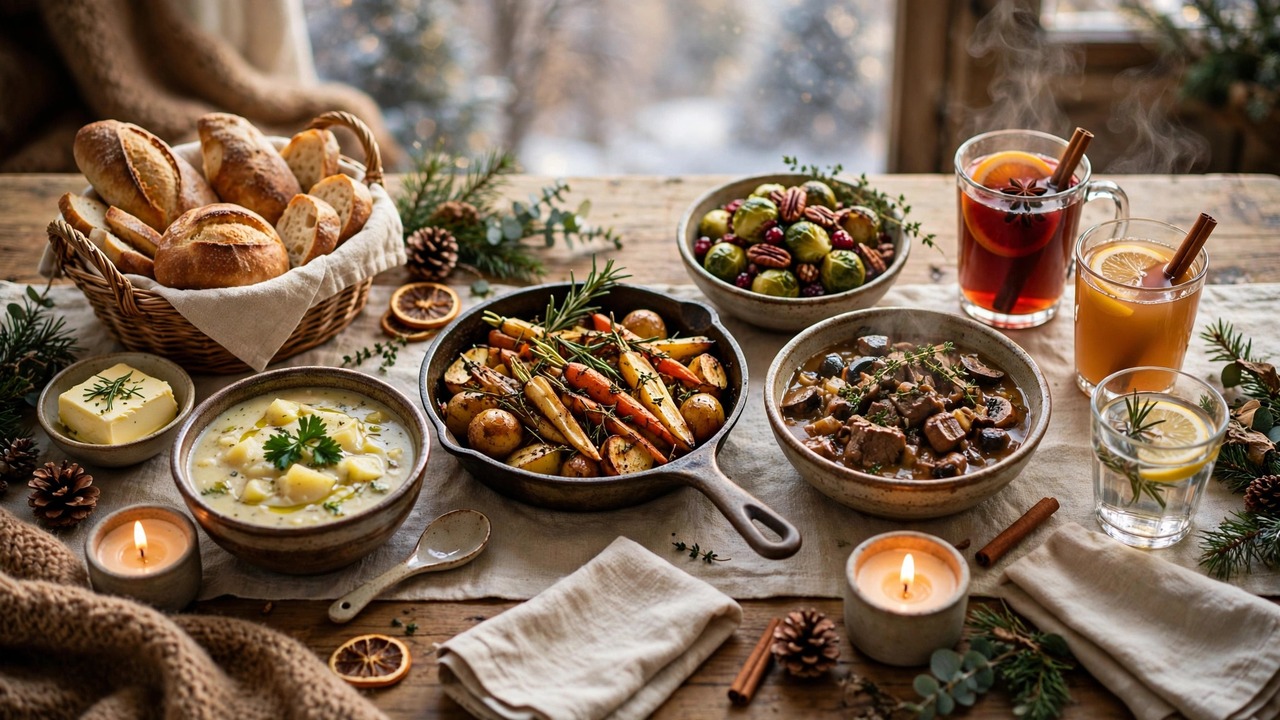
Food is usually the largest cost, so it deserves careful planning. Choose a menu that is simple, seasonal, and make-ahead where possible. A smaller menu, well cooked, is better than a large menu with many expensive dishes.
Plan quantities based on confirmed guest numbers, not on guesswork. Overbuying food wastes money and creates waste. Ask guests to confirm attendance early, and finalise numbers a few days before the event.
Consider shared food options for casual events, such as guests bringing a dish, if the group is comfortable with that arrangement. Agree this early, so the menu remains balanced and dietary needs are still covered.
Track Spending as You Go
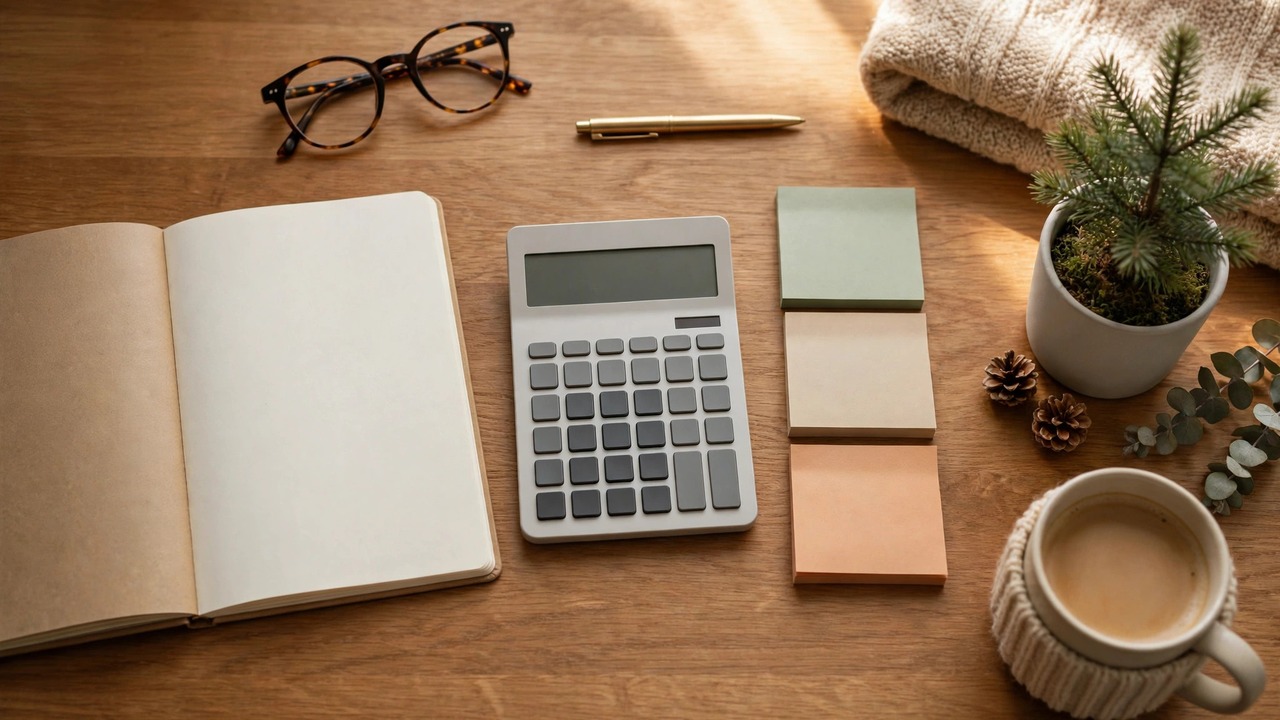
Keep a simple spending record: what was bought, for which category, and how much was spent. Update it as purchases are made, not at the end.
Compare spending against the category limits regularly. If one category goes over its share, reduce spending in another category, rather than increasing the overall limit without thought.
Keep receipts in one place. Receipts help track spending and make it easier to return unused items if needed.
Avoid Last-Minute Spending
Last-minute spending is the most common cause of budget overruns. Avoid it by buying basics early, preparing in advance, and refusing new ideas in the final days before the event.
If a last-minute idea arises, ask whether it is truly needed, or whether the event will work well without it. Most last-minute purchases are not essential.
Leave a small contingency amount in the budget for genuine unexpected needs, such as extra guests or a broken item. A contingency is not for new decoration ideas, but for real needs that could not be predicted.
Practical Tips
- Decide an overall limit first and write it down.
- Break the budget into simple categories.
- Use and reuse items already at home before buying new ones.
- Borrow single-use items from trusted friends or family where appropriate.
- Plan food quantities from confirmed guest numbers, not guesses.
- Choose a simple, seasonal, make-ahead menu.
- Track spending as you go, by category, with receipts kept together.
- Avoid new purchases in the final days before the event.
- Keep a small contingency for genuine unexpected needs only.
- Review spending after the event and note lessons for next time.
Related finds for budget-friendly decoration
For decoration that stays within a simple budget, these finds fit the plan above: reusable string lights, a garland for the table or doorway, and battery-operated candles that can be used again.
- 1pc Star Fairy Lights 40 Led Star String Lights
- 20 led rose garland string lights 2m floral vine
- Floral Battery Operated Candle Set Remote Timer Perfect
Conclusion
Seasonal event budget planning is about clarity and control, not about restriction. Decide an overall limit, break it into categories, use what you already own, plan food carefully, and track spending as you go. A budget planned this way protects the host from worry, and leaves more attention for guests, which is the real purpose of the event.