Dinner rolls are the quiet heroes of Thanksgiving. They mop up gravy, hold leftover turkey, and give small hands something to do while dinner finishes. Soft, warm, and glossy with butter, they belong in a linen-lined basket at the centre of the table, and they are far easier to make than their bakery shine suggests. The dough is forgiving, the shaping is simple, and most of the work can be done the day before. These Thanksgiving dinner rolls recipes cover soft make ahead rolls, shaping, baking, and freezer guidance for the bread basket.
What Makes Thanksgiving Dinner Rolls Soft
Softness comes from enrichment and care. Milk, butter, and a little sugar or honey enrich the dough, while thorough kneading builds the structure that traps air and stays tender. A dough that is too dry bakes firm, while a dough that is slightly soft and tacky bakes pillowy, so add flour gradually and stop when the dough is smooth and elastic rather than stiff. Warm ingredients help the yeast work, but hot liquid can harm it, so keep milk and water comfortably warm, not hot.
Rising matters as much as mixing. Let the dough rise in a warm, draught-free spot until it is puffy and roughly doubled, then shape, and let the shaped rolls rise again until they look plump and spring back slowly when pressed. Rushing the rise gives dense rolls, while a patient rise gives the soft, airy crumb guests remember. The dinner rolls recipes guide has more roll styles to compare.
Shaping Dinner Rolls for the Bread Basket
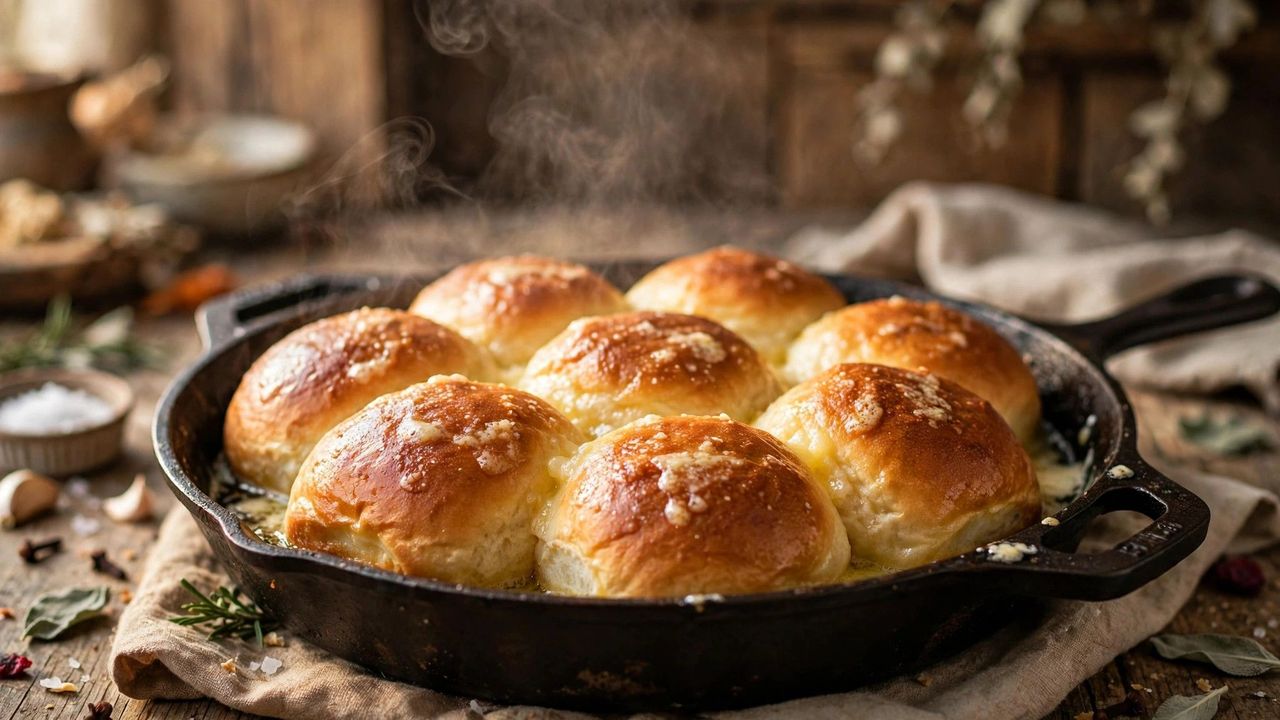
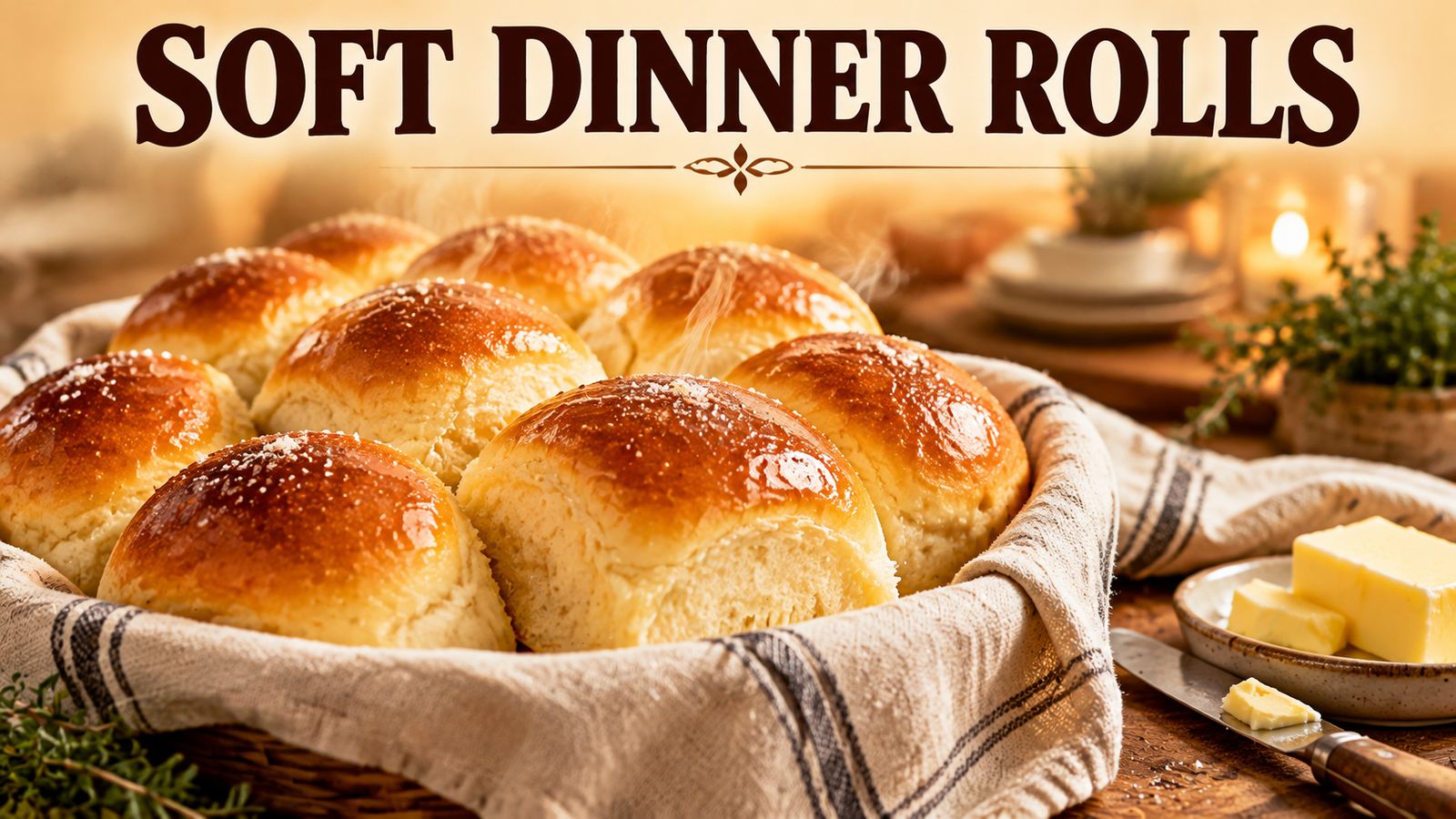
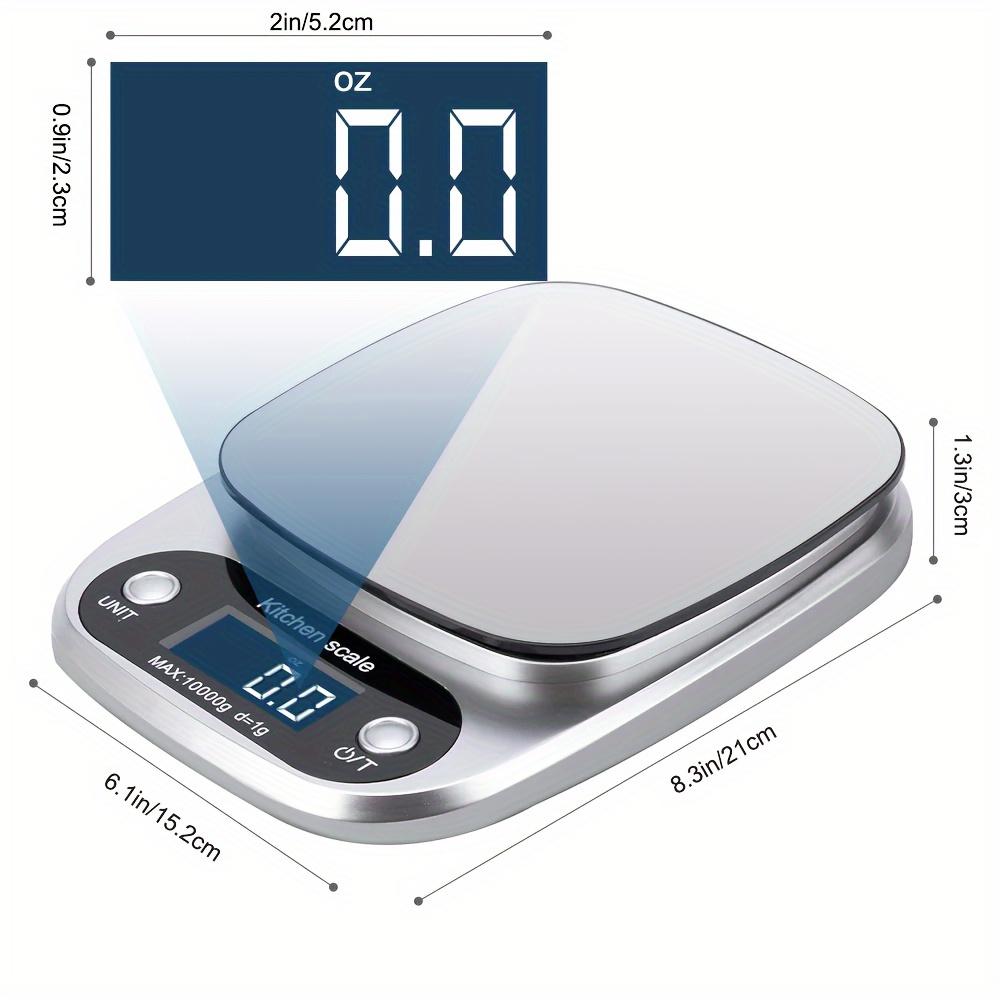
Divide the dough evenly, using a scale for the neatest basket, and shape each piece into a smooth round by tucking the edges underneath and rolling gently under a cupped hand. Place rolls close together in a baking tin for soft, pull-apart sides, or spaced apart on a tray for rolls with a firmer crust all round. Brush with milk or beaten egg for shine, or with melted butter for a softer, richer top.
Classic shapes suit Thanksgiving well: plain rounds, knots tied loosely, crescents rolled from triangles, and cloverleaf rolls made from three small balls in a muffin tin. Keep shapes simple and even, so every roll bakes in the same time. A basket lined with a clean cloth keeps rolls warm and looks festive at the table. Scatter a few herb sprigs around the basket for a festive look.
Make-Ahead and Freezer Guidance
Rolls suit making ahead in two ways. Make the dough the day before, let it rise slowly in the fridge overnight, then shape and bake on the day. Or bake the rolls fully, cool them completely, and freeze them in a sealed bag, then thaw and warm them in a low oven before serving. Both routes give warm rolls without a morning of dough work on Thanksgiving day itself.
For the best result, warm baked rolls just before serving and brush them with melted butter as they come out of the oven. The Thanksgiving countdown timeline helps fit roll baking around the turkey's oven time. Leftover rolls freeze well too, and they make excellent next-day sandwiches with the Thanksgiving leftover recipes guide.
Baking, Butter, and Serving
Bake rolls in a hot oven until deeply golden on top and sounding hollow when tapped underneath. A thermometer in the centre of a roll, if you use one, should show the roll is cooked through, and the crumb should be soft and steamy when torn open. Serve with good butter, and consider a flavoured butter with herbs, honey, or roasted garlic for the bread basket.
Place the basket where guests can reach it easily, with a bread knife and extra butter nearby. Rolls belong beside the soup, the salad, and the main course, so do not save them for the end of the meal. The Thanksgiving appetizers guide shows how bread and rolls fit the grazing part of the day too.
Troubleshooting Dense or Dry Rolls
Dense rolls usually mean a short rise, old yeast, or too much flour. Check the yeast is in date, let the dough rise until truly puffy, and measure flour carefully, adding it gradually. Dry rolls often mean overbaking or a lean dough, so enrich the dough a little more and take the rolls out as soon as they are golden. Tough crusts soften with a butter brush and a cloth over the basket, which traps steam as the rolls cool.
If rolls spread flat, the dough may have over-risen or the oven may have been too cool. Shape firmly, rise just until plump, and bake in a properly hot oven. Each batch teaches the next, so note the flour amount, rise time, and oven behaviour that gave the best basket.
Conclusion
Soft Thanksgiving dinner rolls come from an enriched dough, patient rising, even shaping, and a hot oven, finished with butter and served warm. Make the dough or the baked rolls ahead, freeze if needed, and warm them before the meal. A basket of warm rolls, passed hand to hand, is one of the simplest pleasures of the Thanksgiving table.
Dinner Roll Baking Helpful Finds
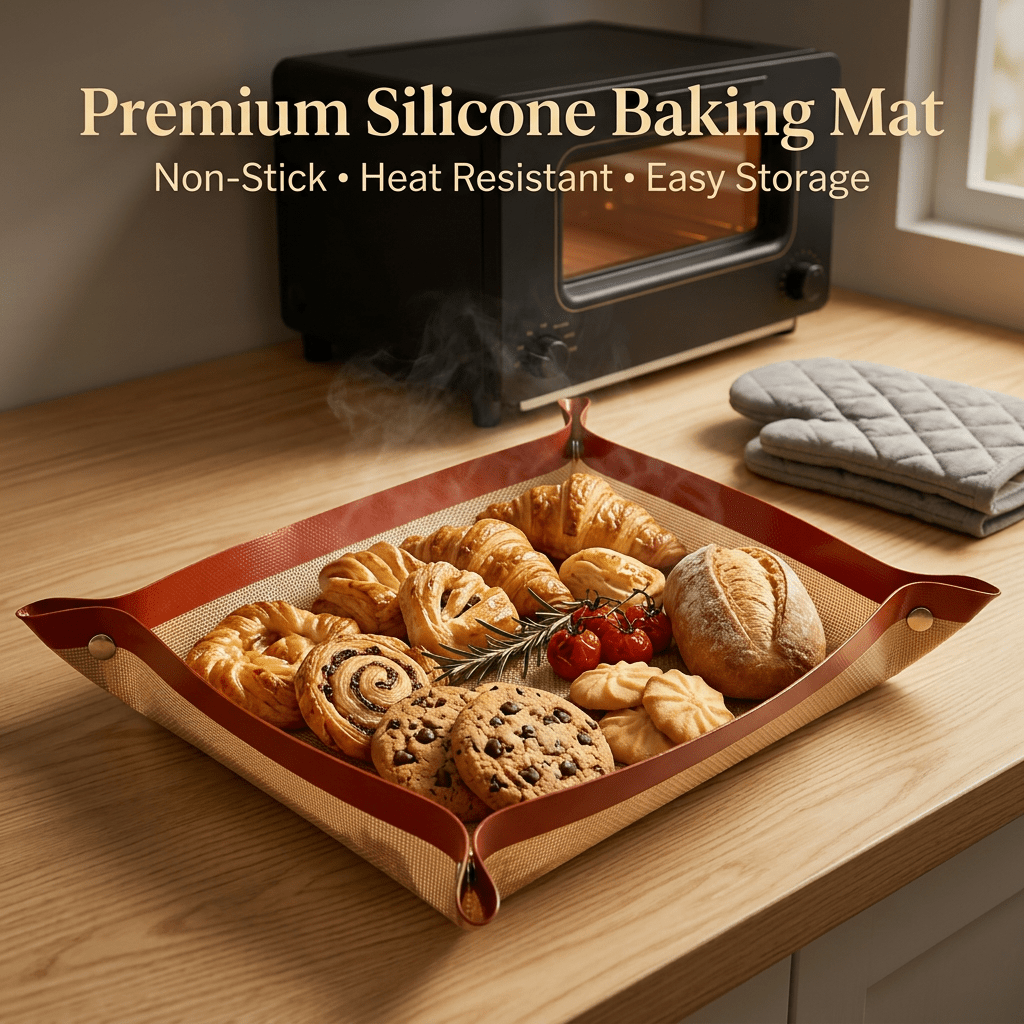
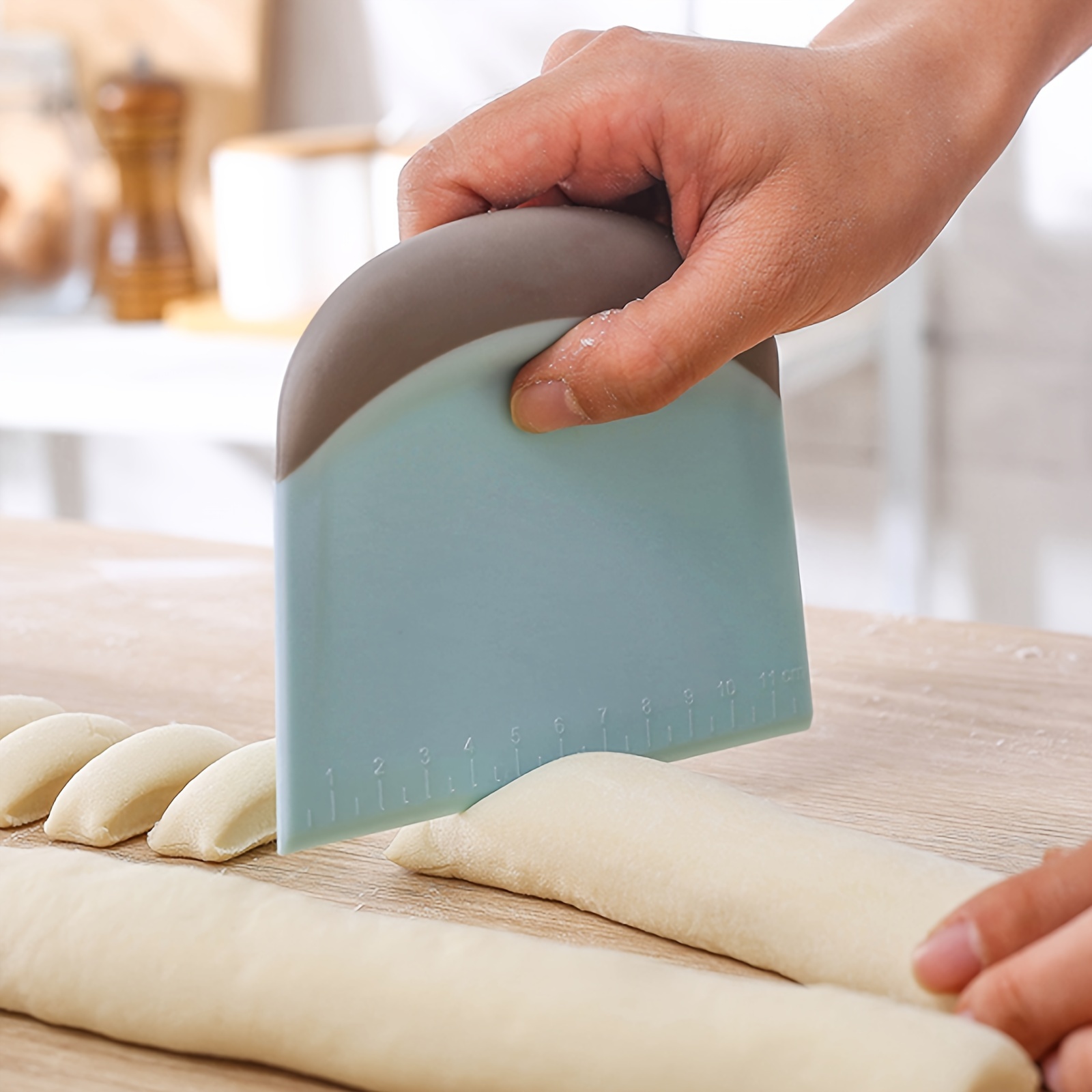
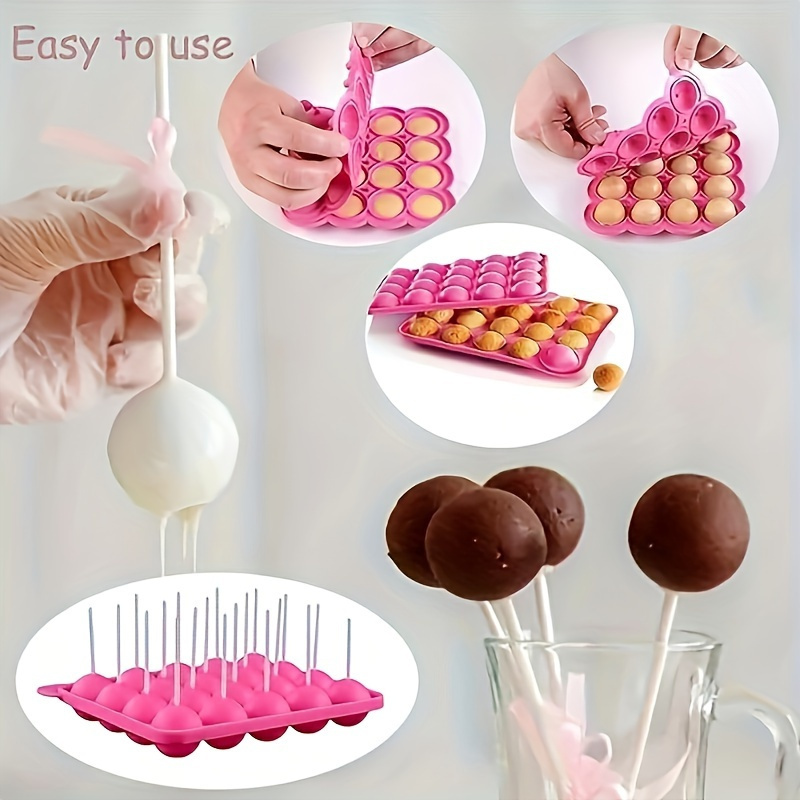
A baking mat, dough whisk, dough cutter, and cookie cutter for shaping and baking rolls.



As an affiliate, EventBuzz may earn a commission on qualifying purchases at no extra cost to you.