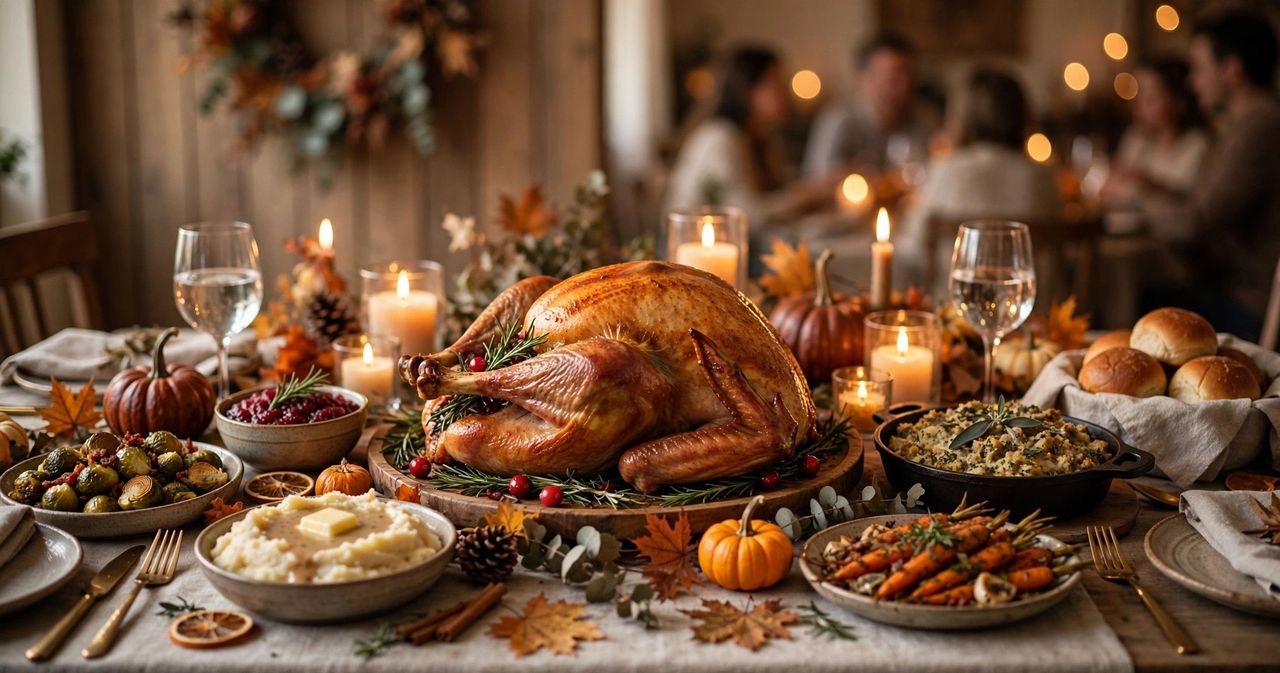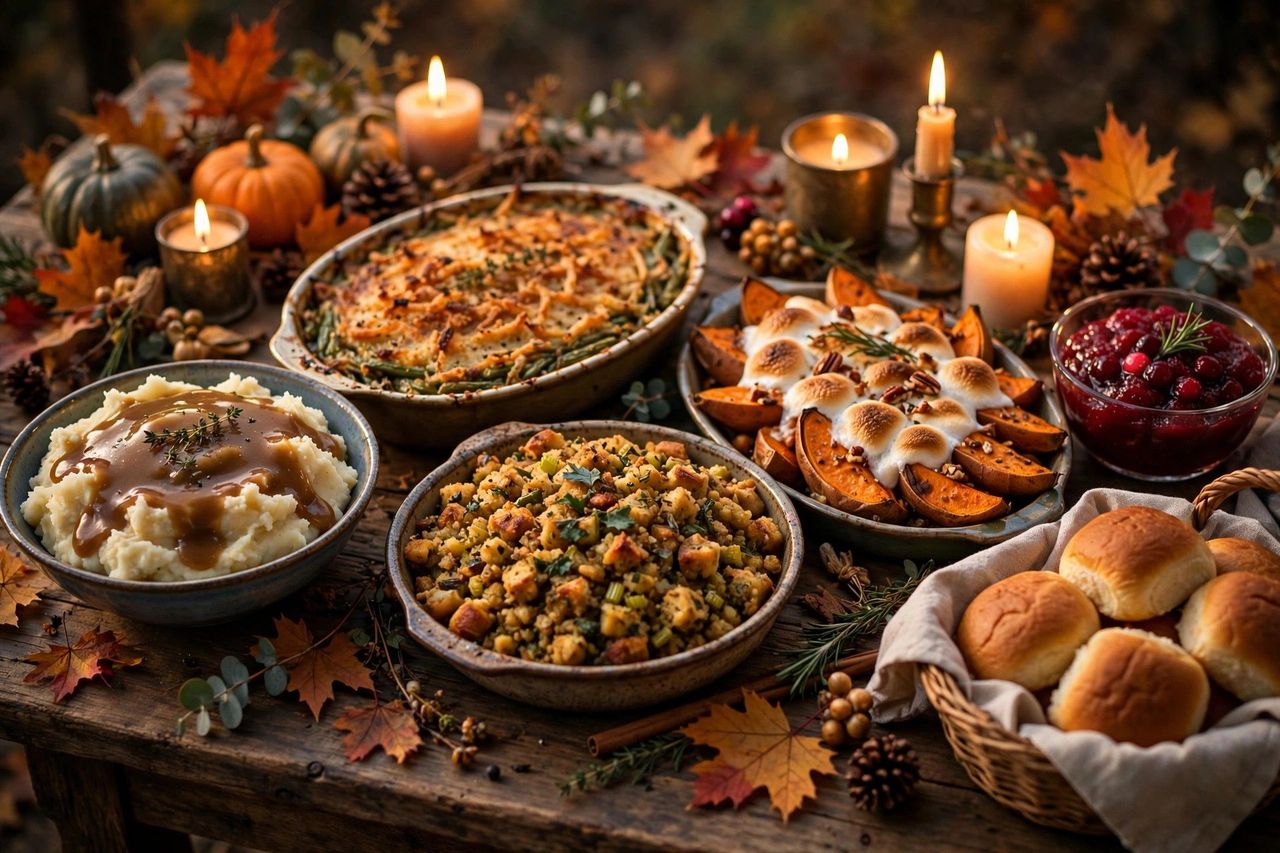
Nothing gets a Thanksgiving table smiling faster than a basket of warm, fluffy dinner rolls. They mop up gravy, cradle leftover turkey sandwiches, and disappear faster than any other bread on the table. Store-bought rolls cannot compete with homemade: the smell of baking bread alone sets the holiday mood. The good news is that great rolls are not difficult. With the right recipe and a little planning, you can serve bakery-quality rolls without adding chaos to Thanksgiving morning.
The Perfect Classic Dinner Roll
The ideal Thanksgiving roll is soft, pillowy, and lightly sweet with a golden, buttery top. Start with a buttermilk-based dough: buttermilk tenderizes the crumb and adds a gentle tang. Combine warm buttermilk (around 110°F, warm to the touch but not hot) with active dry yeast and a spoonful of sugar, let it foam for 5 to 10 minutes, then mix in flour, melted butter, an egg, and salt. Knead for 8 to 10 minutes until the dough is smooth and springs back when poked.
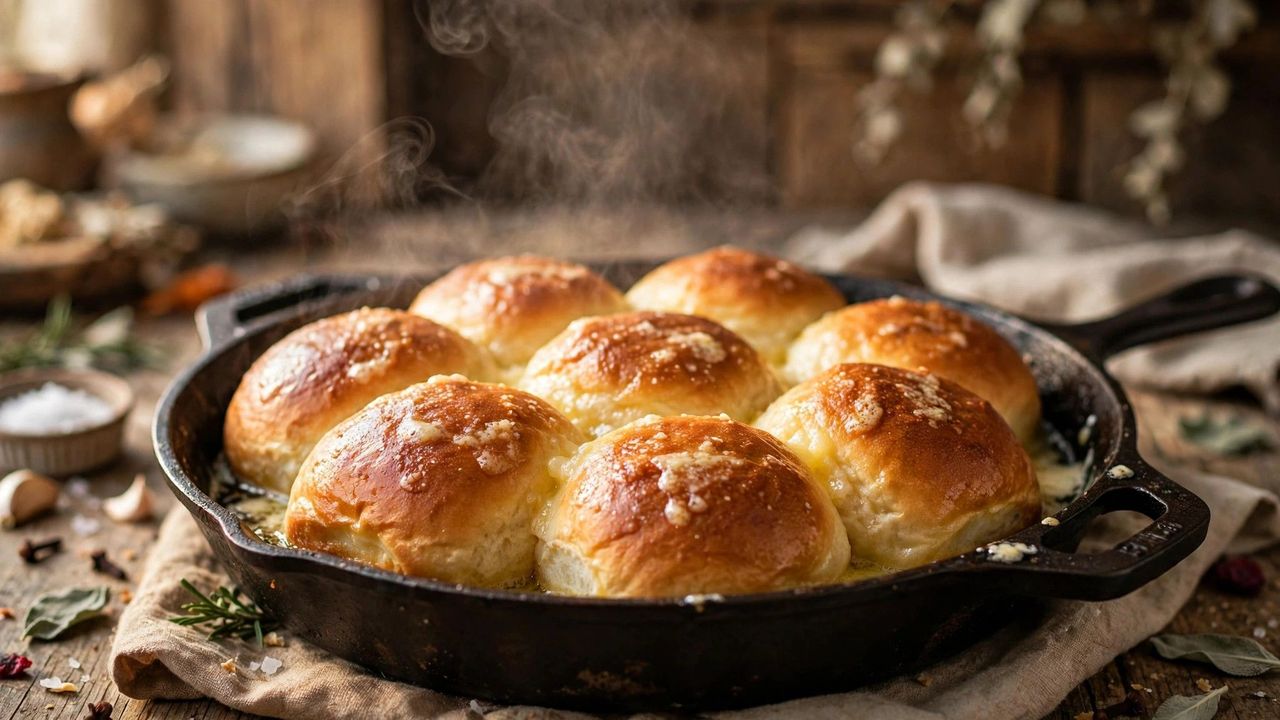
Let the dough rise in a warm spot for about an hour, until doubled. Divide into 12 to 15 equal pieces, roll each into a smooth ball by tucking the edges underneath, and arrange them snugly in a buttered 9x13 pan or cast-iron skillet so they rise against each other. That crowding is what gives dinner rolls their signature pull-apart softness. Brush with melted butter before and after baking at 375°F for 18 to 22 minutes, until deeply golden.
For extra-fluffy insurance, try the tangzhong method: cook 3 tablespoons of flour with half a cup of water into a thick paste, cool it, and add it to the dough. This Japanese technique pre-gelatinizes starches so the dough holds more moisture, giving you rolls that stay soft for days instead of hours. It adds five minutes and transforms the texture.
Make-Ahead and Freezer Magic
Rolls are one of the best make-ahead items on the Thanksgiving menu. Nobody should be kneading dough while the turkey needs attention. Pick the timeline that fits your schedule:
- Night before: shape the rolls, cover the pan tightly, and refrigerate overnight. On Thanksgiving, let them sit at room temperature for 45 to 60 minutes, then bake fresh.
- Up to 1 month ahead: bake fully, cool completely, wrap tightly in foil then a freezer bag. Reheat from frozen at 300°F for 15 to 20 minutes; they taste freshly baked.
- Freeze the dough: after shaping, freeze the rolls on a tray, then bag them. Thaw in the fridge overnight and bake the next day.
- Day-of shortcut: if your dough is slow to rise, turn the oven to 200°F for 2 minutes, turn it off, and let the dough rise inside with the door closed. The gentle warmth cuts rising time noticeably.
Flavor Twists Worth Trying
Once you have the basic dough down, small additions create entirely different rolls. Garlic herb rolls get a brush of melted butter mixed with minced garlic, parsley, and parmesan right out of the oven. Honey wheat rolls swap half the all-purpose flour for whole wheat and replace the sugar with honey for a nuttier, heartier roll that pairs beautifully with savory sides.
Parker House rolls, the Boston classic, are folded rather than balled: roll each piece into an oval, brush with butter, fold in half, and let rise. Sweet potato rolls add a cup of mashed sweet potato to the dough for a gorgeous orange crumb and natural sweetness that fits the Thanksgiving table perfectly. And for the carb-on-carb crowd, a pan of buttery pull-apart milk bread rolls never survives past the appetizers.
Troubleshooting: Why Rolls Go Wrong
Dense rolls usually mean one of three things: the yeast was dead, the dough was under-kneaded, or it under-proofed. Always proof yeast in warm liquid first if you are unsure; it should foam within 10 minutes. Water hotter than 120°F kills yeast, so test with your finger. Knead until the dough passes the windowpane test: stretch a small piece thin enough to see light through without tearing.
Flat, spread-out rolls come from over-proofing. If the shaped rolls more than double and look puffy and fragile, they have gone too far; the gluten structure collapses in the oven. Slightly under-proofed is always safer than over-proofed. Dry rolls mean too much flour. Measure by spooning flour into the cup and leveling, never scooping, and keep the dough slightly tacky during kneading. You can always add flour, but you cannot take it away.
Serving and Storing
Serve rolls warm, ideally within 30 minutes of baking, in a cloth-lined basket that keeps them cozy. Put out good butter, honey butter (softened butter whipped with honey and a pinch of salt), and flaky sea salt. For a crowd, plan 2 to 3 rolls per person; they vanish faster than you expect.
Leftovers keep at room temperature for 2 days in an airtight container, or freeze for a month. Refresh day-old rolls with 5 minutes in a 350°F oven, or split and toast them for the ultimate leftover turkey sandwich. Stale rolls are not a failure; cube them for the best croutons or breadcrumbs you have ever had, and your stuffing will thank you.