
Sehri & Iftar Explained: Timings, Rules & Healthy Eating Tips
Published October 10, 2026 · Updated October 10, 2026 · By EventBuzz Team
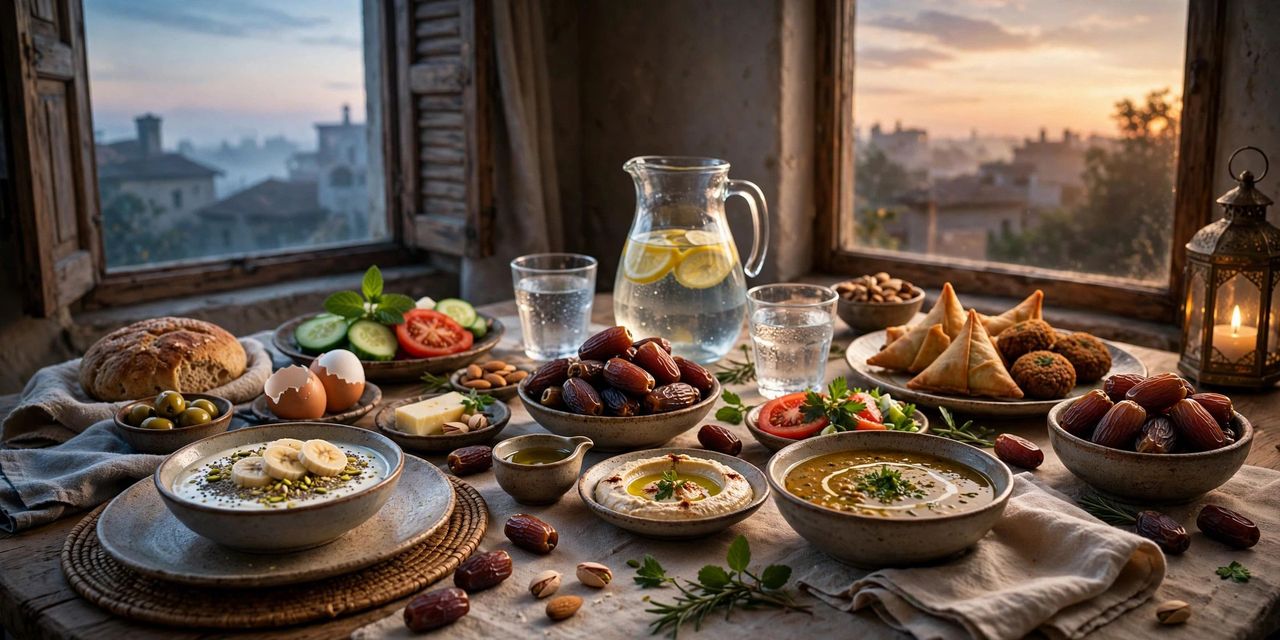
Two meals hold the whole rhythm of Ramadan together. Sehri starts the fast in the quiet before dawn, and iftar ends it in the glow of sunset. Whether this is your first Ramadan or your fiftieth, understanding how these meals work, when they happen and how to eat well at both makes the month calmer and healthier. For practical fasting habits, continue to our guide on how to fast in Ramadan.
What Is Sehri?
Sehri, also called suhoor, is the meal eaten in the last part of the night, before dawn. It is a blessed and recommended meal, even if it is only a sip of water, because it gives the body the fuel and hydration it needs for the day ahead. Families often wake together, eat slowly and make dua in the peaceful minutes before Fajr. The meal ends when the time of Fajr begins, at true dawn, and from that moment eating and drinking stop until sunset.
What Is Iftar?
Iftar is the meal that breaks the fast at sunset, the moment the Maghrib prayer time begins. The classic way to open the fast is with dates and water, following the practice of the Prophet Muhammad, peace be upon him, followed by prayer and then the main meal. Iftar is famously social: families gather, mosques host community tables, and sharing food with a fasting person is considered a deed with its own reward.
How the Timings Are Determined
Both timings follow the sun, not the clock on the wall. Sehri ends at Fajr, when the first light of dawn spreads across the sky, and iftar begins at Maghrib, when the sun has fully set. Because the days lengthen and shorten through the year, and because Ramadan moves through the seasons over the decades, the fasting day can be short in winter and long in summer. Your local mosque timetable, a reliable prayer app or your national calendar will give the exact minutes for your city. In Ramadan 2027, expected to begin on Monday, February 8, the fasts in many regions will be relatively short winter fasts; see our Ramadan 2027 dates guide for the expected calendar.
Who Is Exempt From Fasting?
Fasting is a duty for healthy adult Muslims, and Islam is gentle with those who cannot fast safely. The following people are excused, and many make up the fasts later or feed a needy person for each missed day, according to their situation and scholarly guidance.
- People who are ill, when fasting would harm them or slow recovery; missed fasts can be made up after Ramadan.
- Travellers on a genuine journey, who may fast later when they are settled.
- Older people for whom fasting is a lasting hardship, who commonly feed a poor person for each day instead.
- Pregnant and breastfeeding women who fear harm for themselves or their child, making up the days or feeding the needy as advised.
- Women during menstruation, who do not fast those days and make them up afterwards.
- Children who have not reached puberty, though many families let older children practise with partial fasts.
Anyone unsure about their own case should ask a trusted scholar and, where health is involved, their doctor.
Healthy Eating Tips for Sehri
- Choose slow energy foods: oats, whole grains, eggs, yogurt, lentils and fruit keep you full for longer.
- Drink plenty of water across the night, and finish with a good glass before the time ends.
- Go easy on very salty and spicy food, which can make the next day thirstier.
- Never skip sehri entirely if you can help it; even a light meal softens the whole fast.
Healthy Eating Tips for Iftar
- Open with dates and water, pause for Maghrib prayer, then sit down to the main meal.
- Start with soup or salad so fried favourites do not take over the whole plate.
- Eat slowly; your stomach has been resting all day and rewards gentle portions.
- Rehydrate steadily through the evening rather than all at once.
Keep the duas of both meals close with our Ramadan duas for Sehri and Iftar.
Frequently Asked Questions
What time does Sehri end?
Sehri ends when the Fajr prayer time begins, at true dawn. Your local mosque timetable gives the exact minute for your city, and it moves slightly earlier or later each day.
What time is Iftar?
Iftar is at sunset, the moment Maghrib begins. The fast is traditionally broken with dates and water, followed by the Maghrib prayer and then the main meal.
Can I fast without eating Sehri?
The fast remains valid, but sehri is strongly recommended and makes the day far easier. Even a small meal and water before dawn is better than nothing.
Who does not have to fast in Ramadan?
People who are ill, travelling, elderly and frail, pregnant or breastfeeding with fear of harm, and women during menstruation are excused, making up the days later or feeding the needy according to their situation.
What should I eat first at Iftar?
Dates and water are the classic opening, giving quick gentle energy and hydration. Follow with prayer, soup or salad, and then your main dishes in moderate portions.
Conclusion
Sehri gives the fast its strength and iftar gives it its joy. Respect the timings, eat with gratitude at both ends of the day, and the whole month finds its peaceful rhythm.
May your sehri be peaceful and your iftar table always full of loved ones.
Eid & Ramadan Picks
Lanterns, decorations and thoughtful gifts for Ramadan and Eid.



Prices shown at the time of publishing and can change. Links take you to AliExpress, where shipping and delivery details are shown.