
How to Fast in Ramadan: Health Tips for an Easy, Blessed Month
Published October 10, 2026 · Updated October 10, 2026 · By EventBuzz Team
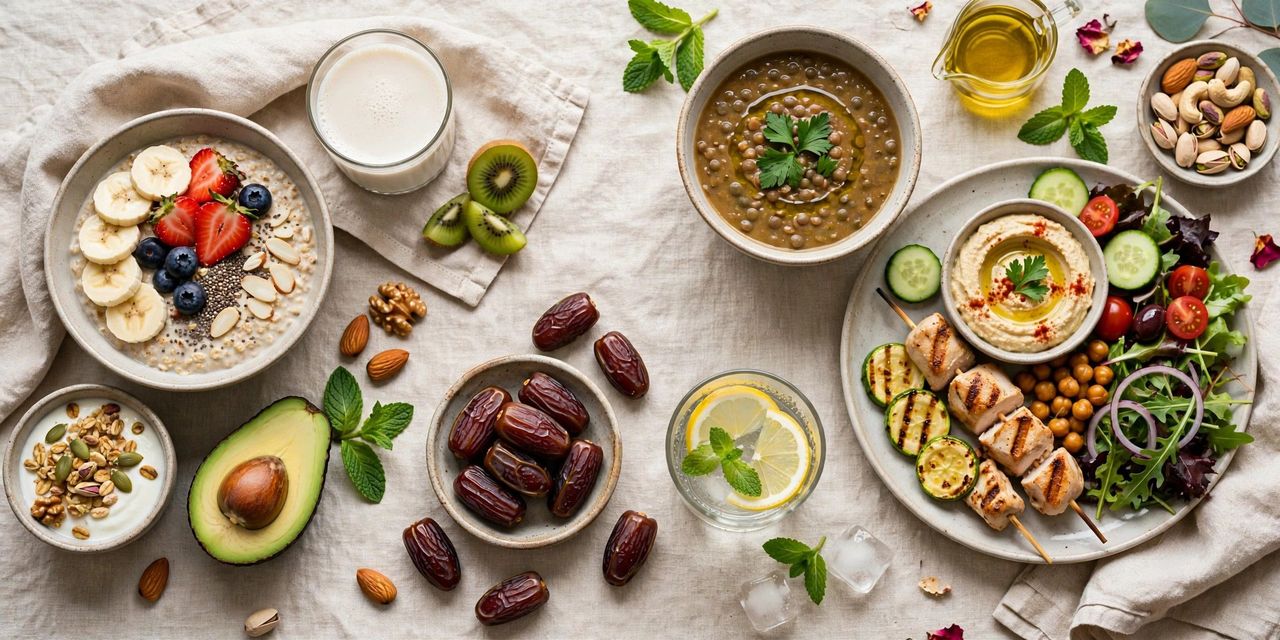
A good Ramadan is not survived, it is enjoyed. The difference between an exhausting fast and an energising one is rarely willpower; it is the small, practical choices made at the two meals and in the hours between them. This guide gathers the habits that help families fast with steady energy, clear heads and peaceful nights. If you are new to the basics, start with Sehri and Iftar explained.
Hydration: Your First Priority
Thirst, not hunger, is what makes most fasts feel hard. Spread your water intake across the evening instead of drinking a huge amount at once: a glass at iftar, a glass after taraweeh, a bottle beside you through the night, and a final glass at sehri. Keep caffeine modest, because extra tea and coffee can increase thirst and disturb sleep, and treat sugary drinks as occasional treats rather than your main hydration.
Sehri Choices That Last All Day
- Build the plate around slow release foods: oats, wholemeal bread, brown rice, lentils and chickpeas.
- Add protein for staying power: eggs, yogurt, cheese, milk or leftover chicken.
- Include fruit or vegetables for fibre and natural water, such as bananas, oranges or cucumber.
- Keep very salty, fried and spicy dishes rare at sehri; they invite thirst by mid morning.
- Even on the sleepiest morning, eat something small rather than nothing at all.
Iftar Without the Overeating Trap
After a day of fasting, the table can feel like a celebration and a challenge at the same time. Open with dates and water, pray Maghrib, then begin with soup or salad before reaching for the fried favourites. Eat slowly enough for your body to notice it is full, take a smaller second portion instead of a heaped first one, and leave room to feel comfortable at taraweeh. The goal is to finish iftar satisfied, not sleepy.
Sleep: Protect the Quiet Hours
Ramadan reshapes the night, so plan sleep instead of chasing it. A short nap after midday prayer can restore focus for the afternoon, and an earlier night after taraweeh protects the sehri wake up. Keep the hour before bed free of heavy food and bright scrolling, and keep your wake up time steady across the month so your body clock settles into the new rhythm within the first week.
Exercise During Ramadan
Movement still matters in Ramadan; only its timing changes. Gentle walking after iftar aids digestion, light training is often best in the hour before iftar or later in the evening after food and water, and intense workouts in the middle of a fasting day can leave you drained and dehydrated. Listen to your body, shorten sessions on hard days, and remember that consistency at low intensity beats one heroic workout followed by three days of exhaustion.
Common Mistakes to Avoid
- Skipping sehri and expecting willpower to do the work of food and water.
- Breaking the fast with a mountain of fried food, then feeling too heavy to pray or move.
- Drinking all the day's water in ten minutes at iftar, which the body cannot absorb well.
- Staying awake all night and sleeping the entire fasting day away, missing the month's purpose.
- Cutting caffeine suddenly on day one; easing down in the week before Ramadan prevents the classic first days headache.
Keep your worship steady alongside your health with our Ramadan duas guide, and save your best energy for the nights described in our Laylatul Qadr guide.
General wellness note: This article offers general lifestyle information only and is not medical advice. Readers with health conditions, including diabetes, heart or kidney concerns, or those taking regular medication, should consult their doctor before fasting and follow medical guidance about whether and how to fast.
Frequently Asked Questions
How much water should I drink during Ramadan nights?
Aim for steady glasses spread between iftar and sehri rather than one large amount at once. Most adults do well with around six to eight glasses across the evening, adjusted for weather and activity.
What is the best food for Sehri?
Slow energy foods with protein work best: oats, eggs, yogurt, whole grains, lentils and fruit. They release energy gradually and help you feel full for much of the day.
When is the best time to exercise in Ramadan?
Light exercise after iftar or a moderate session shortly before iftar suits most people. Avoid intense training in the middle of the fasting day, especially in hot weather.
How can I avoid headaches in the first days of Ramadan?
Reduce tea and coffee gradually in the week before Ramadan, sleep consistently, hydrate well each evening and never skip sehri. Headaches usually fade as the body adjusts within a few days.
Should people with medical conditions fast?
That is a decision for the individual with their doctor and, if they wish, a scholar. This guide is general wellness information, not medical advice, and health conditions should always be discussed with a medical professional first.
Conclusion
Fast smart and Ramadan becomes the month people describe with shining eyes: lighter bodies, quieter minds and fuller hearts. Small habits, kept daily, will carry you beautifully to Eid.
May your fasts be easy, your energy steady and your month deeply blessed.
Eid & Ramadan Picks
Lanterns, decorations and thoughtful gifts for Ramadan and Eid.


Prices shown at the time of publishing and can change. Links take you to AliExpress, where shipping and delivery details are shown.