Introduction
A seasonal event menu should suit the season, the guests, and the host's time. The best menus are not the longest. They are the ones where every dish has a clear purpose, food can be served easily, and dietary needs are covered without fuss.
This guide explains how to plan a seasonal event menu step by step, from understanding guests to serving on the day.
Start with Guests and Season
Before choosing dishes, consider two things: who is coming, and what season it is.
Ask about dietary needs, allergies, and preferences early. Common needs include vegetarian options, gluten-free options, and dairy-free options. Knowing these in advance allows the menu to include everyone, rather than adding a separate dish at the last minute.
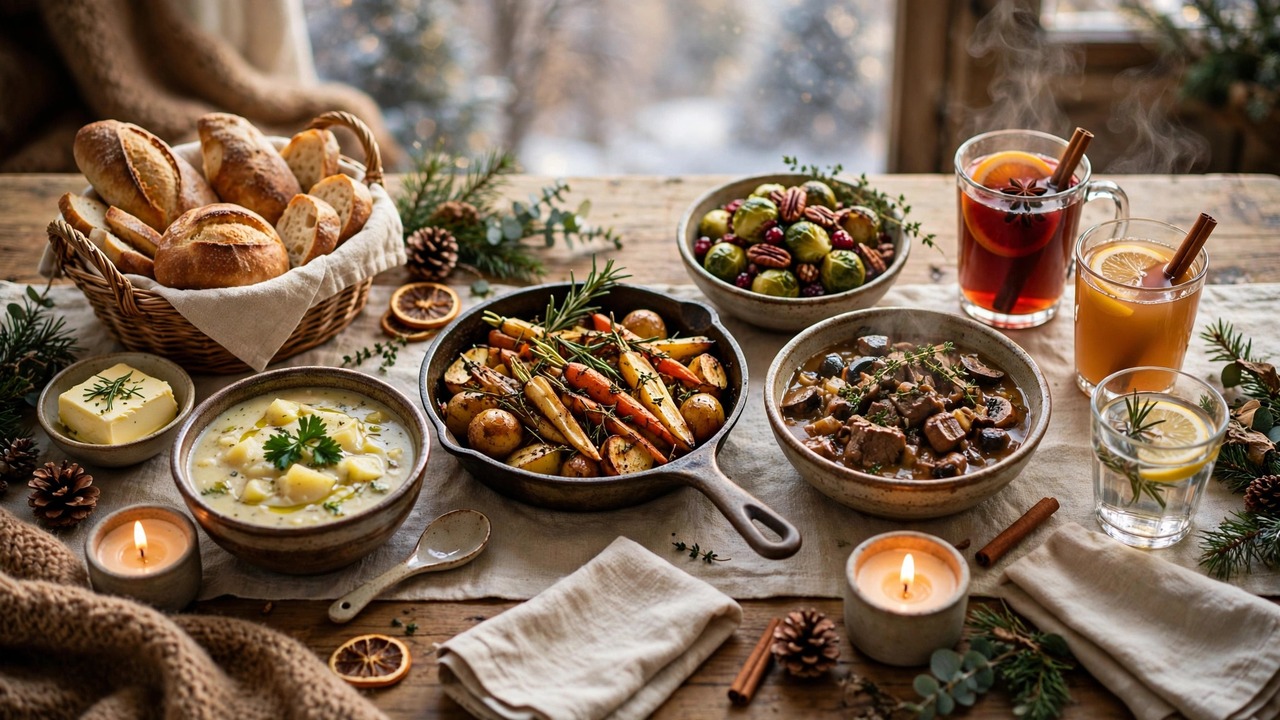
Seasonal thinking helps too. In winter, warm and filling dishes suit the weather and the mood. In warmer seasons, lighter dishes and fresh ingredients suit better. Choose ingredients that are in season where possible, as they tend to taste better and are easier to find.
Choose a Simple Menu Structure
A clear menu structure prevents overplanning. A useful structure for most seasonal events is:
- One main dish, or one main option for each major dietary need.
- Two or three side dishes or finger foods.
- One dessert, or one dessert plus a simple fruit option.
- Drinks, including water, plus warm or cold drinks to suit the season.
This structure covers variety without requiring the host to cook many different dishes at once. If the event is casual, finger foods and shared plates can replace a formal main dish, as long as there is enough food for everyone.
Balance Flavours and Textures
A good menu balances flavours and textures. Include a mix of warm and cold, soft and crunchy, rich and fresh. Avoid serving several very rich dishes together, as guests may feel overwhelmed.
Include at least one fresh, light option, such as a salad, fresh fruit, or a simple vegetable dish. This balances heavier seasonal dishes and gives guests a choice.
Keep seasoning simple and familiar. A seasonal event is not the best time to try many new, complex dishes at once. Choose dishes the host can cook confidently.
Plan Preparation in Advance
Preparation planning is as important as dish choice. For each dish, note whether it can be made in advance, how it will be kept at a safe temperature, and how it will be served.
Make-ahead dishes reduce stress on the day. Dishes that need constant attention in the kitchen keep the host away from guests. Choose at least half the menu from make-ahead options where possible.
Write a simple preparation timeline: what to prepare the day before, what to prepare in the morning, and what to finish just before serving. This prevents a rushed final hour.
Serve Clearly and Safely
On the day, label dishes clearly, especially for dietary needs. Use simple labels that state the dish name and any major dietary information, such as vegetarian or gluten-free.
Keep serving areas tidy and uncrowded. Guests should be able to serve themselves without queuing in a narrow space. Keep hot food hot and cold food cold, and store leftovers safely and promptly after the event.
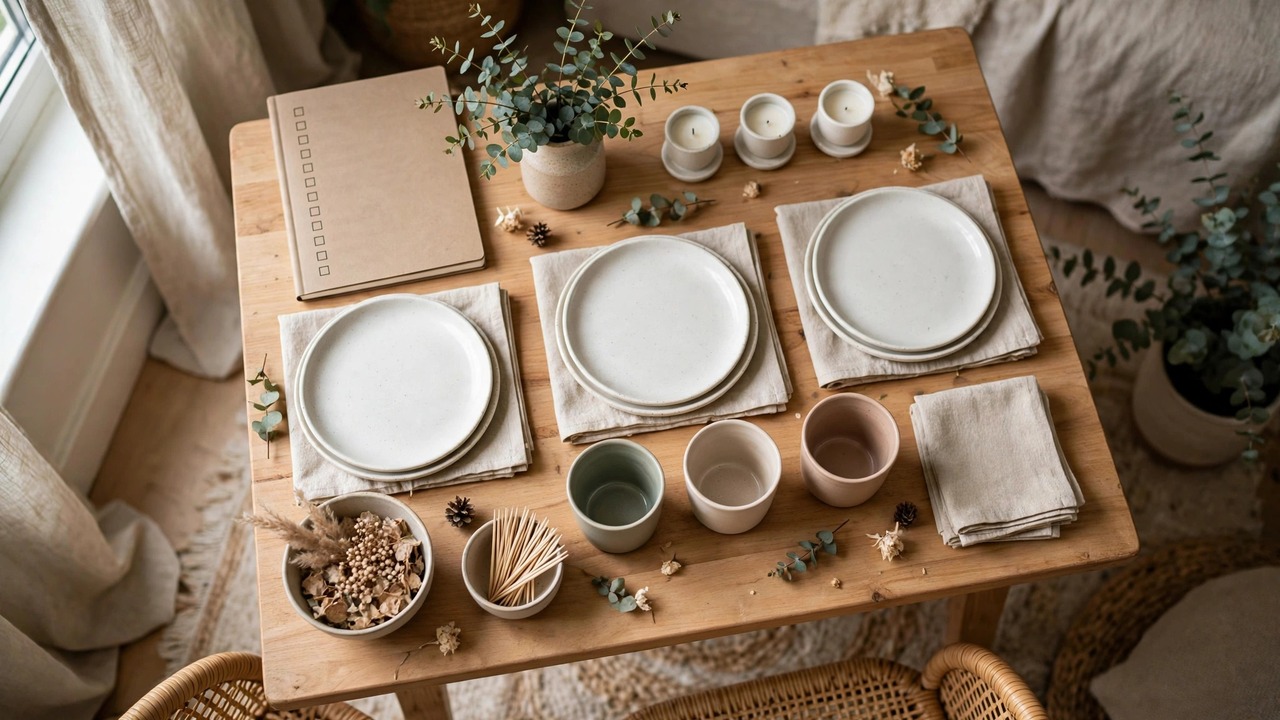
Provide enough plates, glasses, cutlery, and napkins, and keep water available throughout the event.
Practical Tips
- Ask about dietary needs and allergies early.
- Choose seasonal dishes that suit the weather and the occasion.
- Use a simple structure: main, sides, dessert, and drinks.
- Balance rich dishes with fresh, light options.
- Choose dishes the host can cook confidently.
- Plan at least half the menu as make-ahead dishes.
- Write a preparation timeline for the day before and the day itself.
- Label dishes clearly for dietary needs.
- Keep serving areas tidy and water available throughout.
Related finds for easy serving and drinks
For drinks and simple serving, these finds fit the menu plan above: a portable blender for quick drinks, a small juicer for fresh juice, and an insulated bottle to keep drinks warm for guests.
- Portable USB Rechargeable Blender
- 1pc 450ml Juicer with 2 Cups, Portable USB Rechargeable Mini Blender for Fresh Juice
- Thermos Bottle Stainless Steel Thermal Water Bottle Cup Thermal Coffee Mug Insulated Vacuum Tumbler Rubber Paint Sports Kettle
Conclusion
Seasonal event menu planning works best when it is simple, inclusive, and prepared in advance. Understand the guests, choose a clear structure, balance flavours, and plan preparation carefully. A menu planned this way lets the host spend time with guests, which is the real purpose of the event.