Introduction
A housewarming party is a lovely way to share a new home with family and friends. It does not need to be elaborate. The best housewarmings feel relaxed, welcoming, and personal, with time to show guests around, share food, and enjoy the new space together. Good planning keeps the day simple, even if the home is still settling in.
Set Realistic Expectations
A new home does not need to be perfect for a housewarming. Guests understand that boxes, unfinished rooms, and ongoing work are part of moving. Focus on the main living areas, the kitchen, and the entrance, and close off rooms that are not ready.
Decide how many guests the space can comfortably hold, and keep the guest list realistic. A smaller, relaxed gathering often feels warmer than a crowded party in a home that is still being organised.
Guest List and Invitations
Invite neighbours, close family, and friends who will appreciate seeing the new home. Include a mix of people who know you well and new neighbours you would like to welcome. Send invitations with clear details: date, time, address, parking or transport notes, and any guidance on gifts, if applicable.
For gifts, keep guidance simple and optional. Many hosts prefer no gifts, or welcome practical house items. Whatever you prefer, communicate it clearly and without pressure, so guests feel comfortable.
Plan the Tour and Flow
Guests will naturally want to see the home. Plan a simple flow: welcome at the entrance, a short tour of main rooms, then food and conversation in the main living area or garden. You do not need to show every room, especially those still being set up.
Keep walkways clear, remove trip hazards, and ensure bathrooms are clean and stocked. A tidy entrance and living area make a strong first impression, even if other rooms are still in progress.
Food and Drinks
Keep food simple, plentiful, and easy to serve. Finger food, shared platters, and drinks that guests can help themselves to work well for a housewarming. Confirm dietary needs in advance, and label dishes clearly.
Set up a drinks station with water, a choice of hot and cold drinks, and glasses nearby. This keeps guests comfortable and allows the host to focus on welcoming people rather than serving throughout.
Decoration and Atmosphere
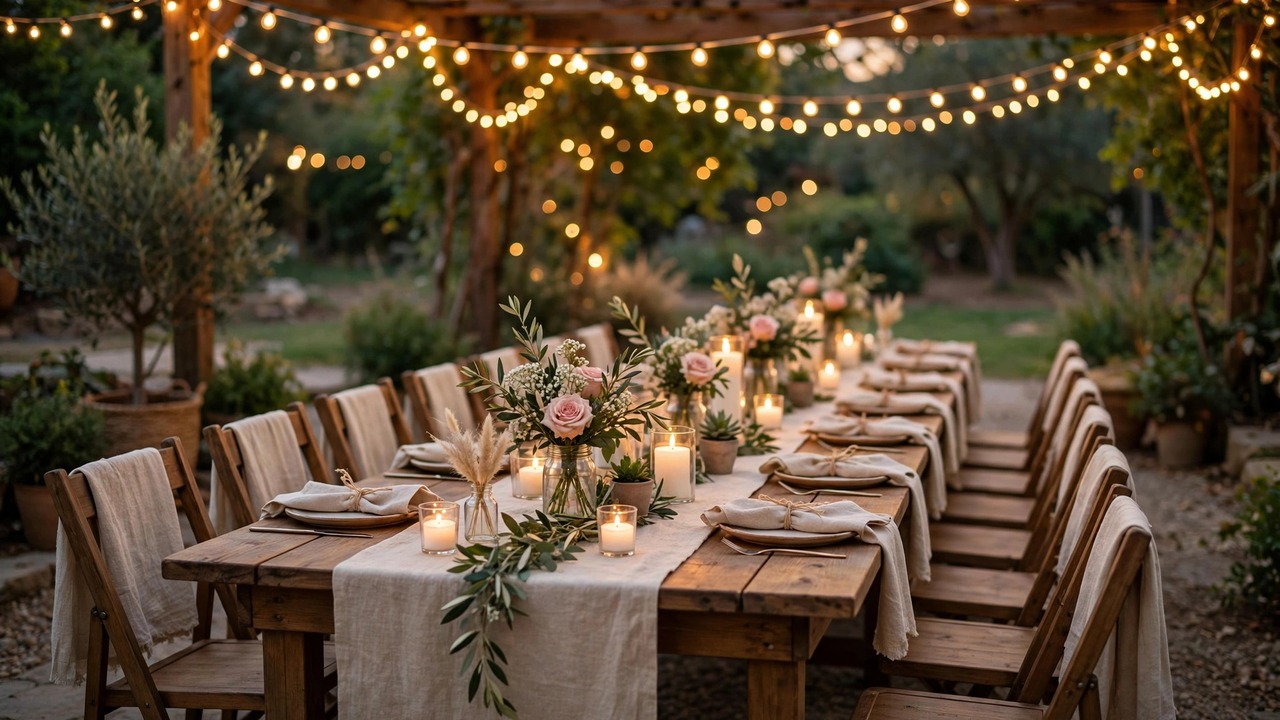
Use light, fresh flowers, and a few personal touches to make the home feel welcoming. A clean, well-lit living area with comfortable seating matters more than elaborate decoration. Music at a low volume helps conversation and creates a warm atmosphere.
Avoid over-decorating a home that is still being arranged. A few thoughtful touches, such as candles in safe holders, a plant, or a framed photograph, are enough to make the space feel like home.
Practical Tips for Hosts
Prepare the main areas the day before where possible: clean, tidy, and set up seating and food areas. Store valuables, fragile items, and moving boxes safely out of guest areas. Have extra seating, plates, and cups ready, in case more guests arrive than expected.
On the day, welcome guests personally, show them around briefly, and introduce people who may not know each other. Keep an eye on food and drinks, but allow plenty of free time for conversation.
Related Finds for a New Home
A new home feels welcoming with a few personal touches for the living area and garden. These finds suit a first gathering in a new space.
- Cute Mini Resin House, Fairy Garden Landscape Decor
- 2pcs Hanging Flower Pots Lightweight Durable Plastic Indoor
- Cute Mushroom Table Lamp, Touch Control Dimmable Rechargeable
As an affiliate, EventBuzz may earn a commission on qualifying purchases at no extra cost to you.
Conclusion
A housewarming party is about sharing a new beginning, not presenting a perfect home. Keep the guest list realistic, focus on main living areas, serve simple food, and allow time for tours and conversation. Planned with warmth and realism, a housewarming becomes a joyful first memory in a new home, for hosts and guests alike.