Introduction
Halloween at home should be fun and safe for children. A few simple checks before the evening, covering costumes, decorations, food, and supervision, can prevent most common problems. This guide offers practical safety advice for families celebrating Halloween at home, without taking away from the fun.
Check Costumes Before the Evening
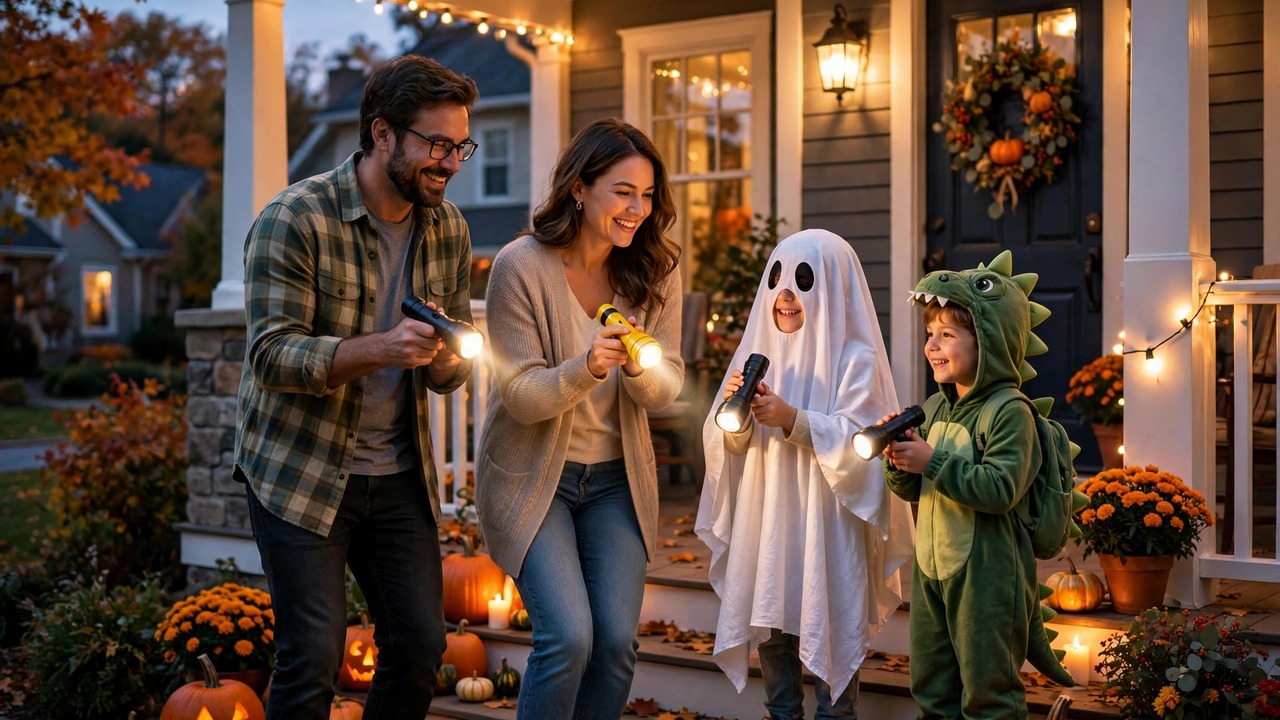
Costume safety starts with a trial run at home. Check that the costume fits well, allows easy movement, and does not drag on the ground. Trim any long parts that could cause a trip, and secure loose accessories with safety pins or tape.
Check vision and breathing. Avoid masks that limit sight or make breathing difficult, and consider face paint as a safer alternative. Choose comfortable shoes that work indoors and outdoors, and avoid high heels or slippery soles for children.
For evening activities, light colours and reflective details help others see children after dark. A small torch or a reflective strip on a costume can improve visibility without changing the look of the outfit.
Make Decorations Safe
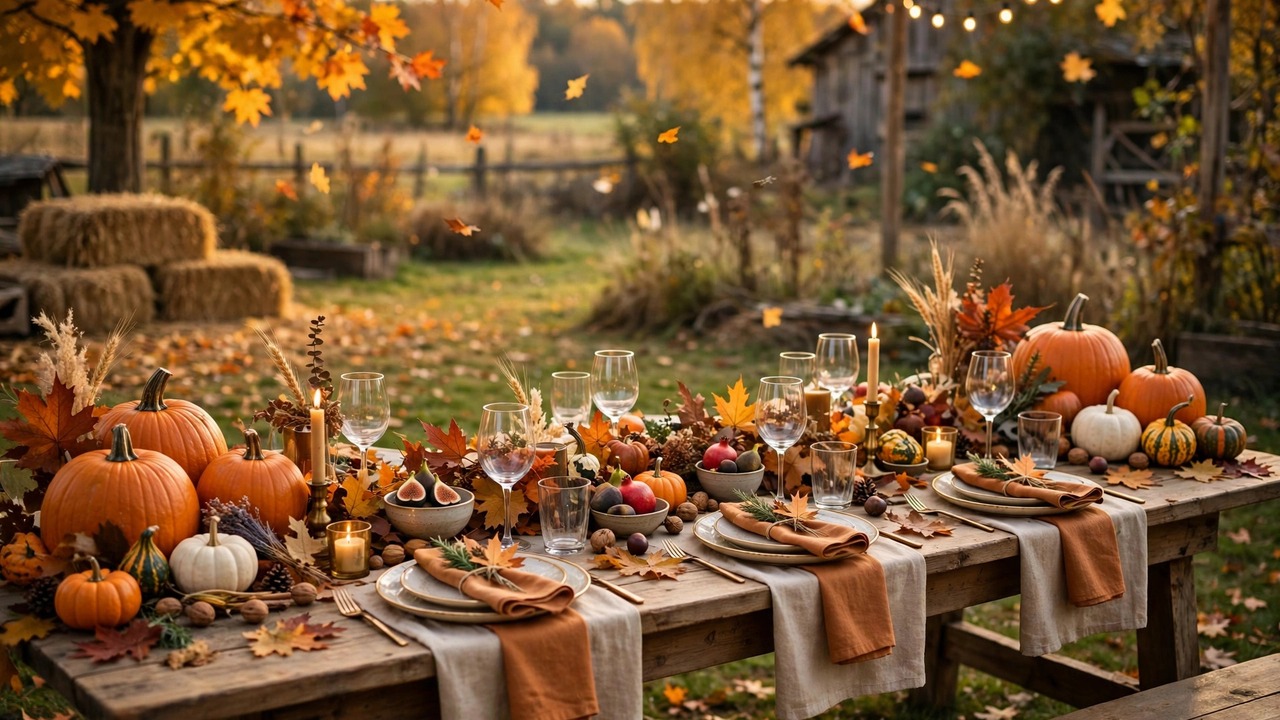
Decorations should be placed where they cannot cause a trip, a fall, or a fire. Keep walkways clear of cords, low decorations, and anything that could be stepped on. Keep candles away from curtains, paper, costumes, and children's reach, and use battery-operated lights where open flames would be risky.
Check that decorations do not block exits, stairways, or smoke alarms. Keep stairways well lit and free of decorations, and keep sharp or heavy decorations out of reach of younger children. Walk through the decorated space yourself before children arrive, and look for hazards from a child's height.
Plan Food Safety
Food safety is especially important where allergies are involved. Ask parents in advance about allergies and dietary needs, and keep a list of ingredients for homemade treats. Keep allergen-free options separate, with their own serving utensils, to avoid cross-contact.
Keep food at safe temperatures, and do not leave perishable food out for long periods. Serve food in small batches, and store leftovers promptly. For shop-bought treats, keep original packaging where ingredients need to be checked.
Supervise Activities
Supervise all activities, especially those involving movement, water, or outdoor areas. Set clear boundaries for where children may play, and make sure children know where adults are at all times. Keep play areas tidy, with no wet floors, loose cords, or sharp corners in the way.
For outdoor activities, stay in well-lit, familiar areas, and keep children together in small groups with an adult nearby. Agree on a simple plan in advance: stay together, stay in lit areas, and find an adult if separated.
Prepare for the Unexpected
Keep a small first-aid kit, a phone, and a torch accessible during the evening. Know where the nearest exits are, and keep them clear. If a child feels unwell, tired, or overwhelmed, give them a calm space to rest, away from noise and activity.
End the evening with a calm activity, such as a story or a quiet snack, so children can wind down before going home. A clear, calm ending helps the evening feel safe and complete.
Helpful Finds for This Gathering
These finds match the ideas in this article. They are listed here so readers can see a relevant option without changing the plan.
- 1pc Bright Handheld LED Flashlight, USB Rechargeable, Portable Foldable Work Light, Mini COB Torch, Hook Design, Lightweight Outdoor Lantern for Camping, Fishing, Repair, Emergency Lighting — A rechargeable handheld flashlight that fits the safety advice to keep a torch accessible and walkways well lit.
- 2 3 5 7pcs mini keychain flashlight 1200lm bright led — Small keychain flashlights that fit reflective visibility for children after dark.
- 20pcs Orange Pumpkin String Lights with Timer — 11ft Battery Operated LED — Battery-operated pumpkin string lights that fit the battery-operated light advice where open flames would be risky.
As an affiliate, EventBuzz may earn a commission on qualifying purchases at no extra cost to you.
Conclusion
Halloween safety for kids at home comes down to a few simple checks: safe costumes, safe decorations, careful food planning, and steady supervision. Plan ahead, walk through the space before the evening, and keep the focus on fun within clear, safe boundaries. That way, children can enjoy Halloween fully, and parents can relax.