Introduction
Planning a menu for a fall gathering is easier when the menu stays seasonal, simple, and prepared in advance. Autumn food is naturally warm and comforting, and a short menu built around seasonal produce will feel generous without requiring a long day in the kitchen. This guide offers practical steps for planning a fall gathering menu.
Start with the Gathering, Not the Menu
Before choosing dishes, think about the gathering itself: how many guests, how long the gathering will last, and whether it will be indoors or outdoors. A small, relaxed gathering needs a shorter menu than a larger, longer one. A standing gathering needs finger foods, while a seated gathering can include a warm main dish.
Write down the number of guests, any dietary needs you already know, and the serving style. Use those notes to choose dishes, rather than starting with recipes and trying to fit them to the gathering afterwards.
Build Around Seasonal Produce
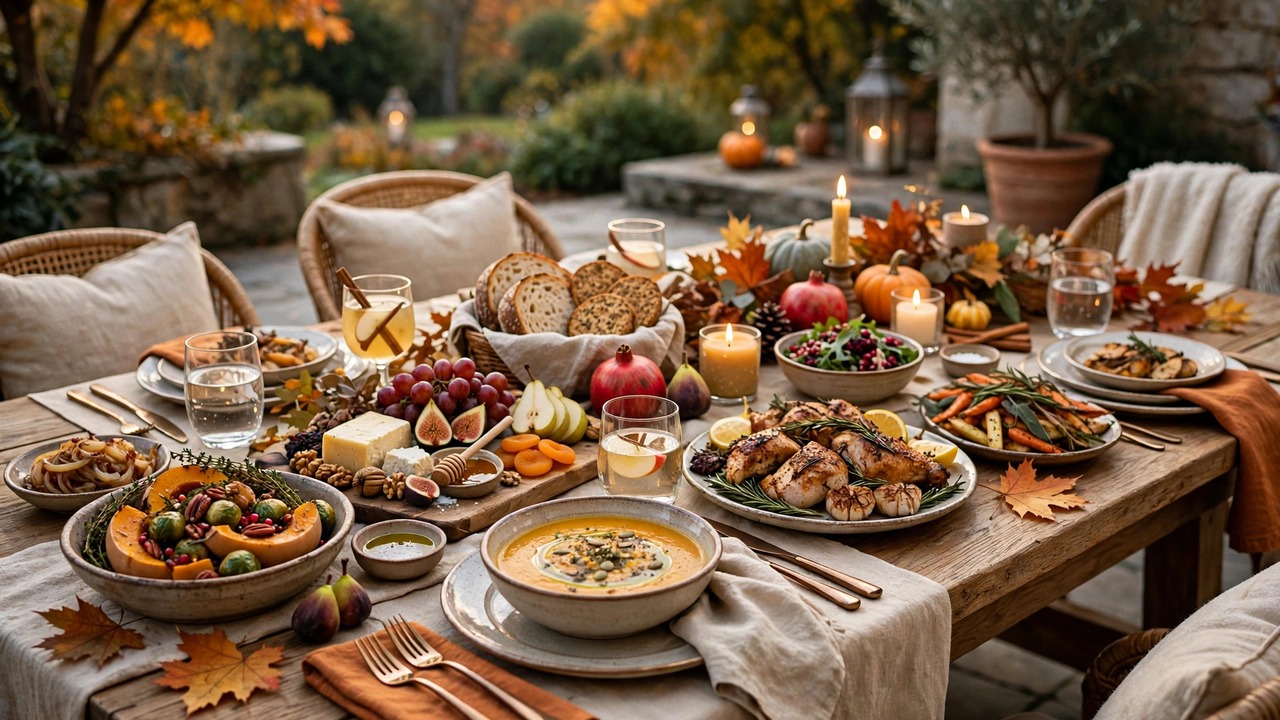
Seasonal produce gives a fall menu its character without extra effort. Choose dishes that feature autumn vegetables, fruits, and grains, and that can be prepared with simple cooking methods. A warm soup, a roasted vegetable dish, a seasonal salad, bread, and a simple dessert form a complete menu without requiring many different techniques.
Keep flavours simple and familiar. Guests enjoy food they recognise, prepared well, more than unfamiliar dishes prepared under pressure. Choose recipes you have made before, or that you can test in advance, rather than trying several new recipes on the day.
Plan for Dietary Needs Early
Ask guests about dietary needs in advance, and plan at least one option for each need, rather than trying to adapt every dish. Keep dietary options clearly labelled, with main ingredients listed, and serve them with separate utensils to avoid cross-contact.
A simple approach is to build the menu so that most dishes are naturally suitable for most guests, with one or two clear alternatives for specific needs. This keeps preparation manageable and ensures every guest has a satisfying meal.
Prepare in Stages
Divide preparation into stages: a few days before, the day before, and the day of the gathering. Foods that keep well, such as soups, baked goods, and salads that do not wilt, can be prepared ahead. Foods that need to be fresh, such as a final salad or a warm bread, can be finished on the day.
Make a short checklist for each stage, and tick items off as you complete them. A checklist prevents last-minute forgetting and keeps the day of the gathering calm. Set up serving dishes, utensils, and labels the day before, so the day itself is for final cooking and plating only.
Serve Simply and Keep It Warm
Serve food in a way that suits the gathering. For a seated meal, serve dishes family-style in the centre of the table, so guests can help themselves. For a larger or more casual gathering, set up a serving table with clear labels and a logical order, from main dishes to sides to desserts.
Keep warm food warm and cold food cold, and avoid leaving perishable food out for long periods. Serve in smaller batches and refill as needed, rather than putting everything out at once. Keep water available throughout the gathering, alongside one warm and one cold drink option.
Helpful Finds for This Gathering
These finds match the ideas in this article. They are listed here so readers can see a relevant option without changing the plan.
- Portable USB Rechargeable Blender — A portable blender that fits a simple drink option prepared ahead for a fall gathering.
- 1pc 450ml Juicer with 2 Cups, Portable USB Rechargeable Mini Blender for Fresh Juice — A small portable juicer with cups that fits fresh seasonal drinks served in stages.
- Coffee Machine 12 Cups No Disassembly Required — A coffee machine that fits keeping a warm drink available throughout a seated gathering.
As an affiliate, EventBuzz may earn a commission on qualifying purchases at no extra cost to you.
Conclusion
Fall gathering menu planning works best when the menu is seasonal, short, and prepared in stages. Start with the gathering itself, build around seasonal produce, plan for dietary needs early, and serve simply. A calm host, a warm meal, and time to enjoy guests are what make a fall gathering memorable.