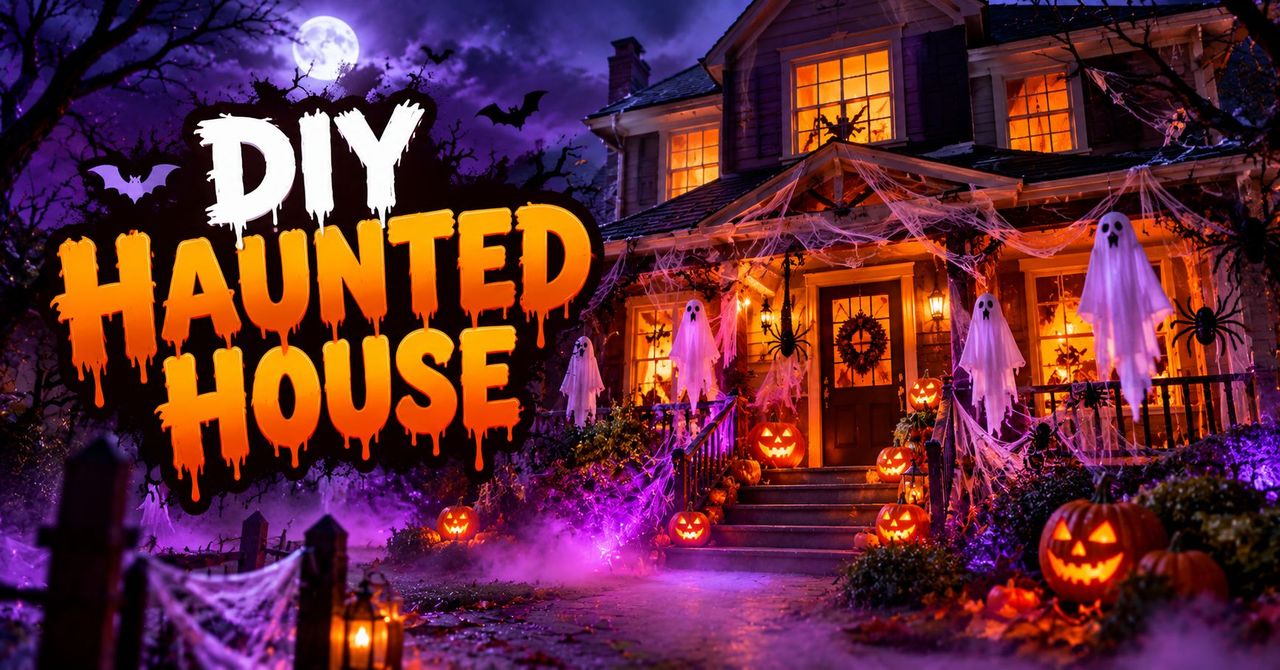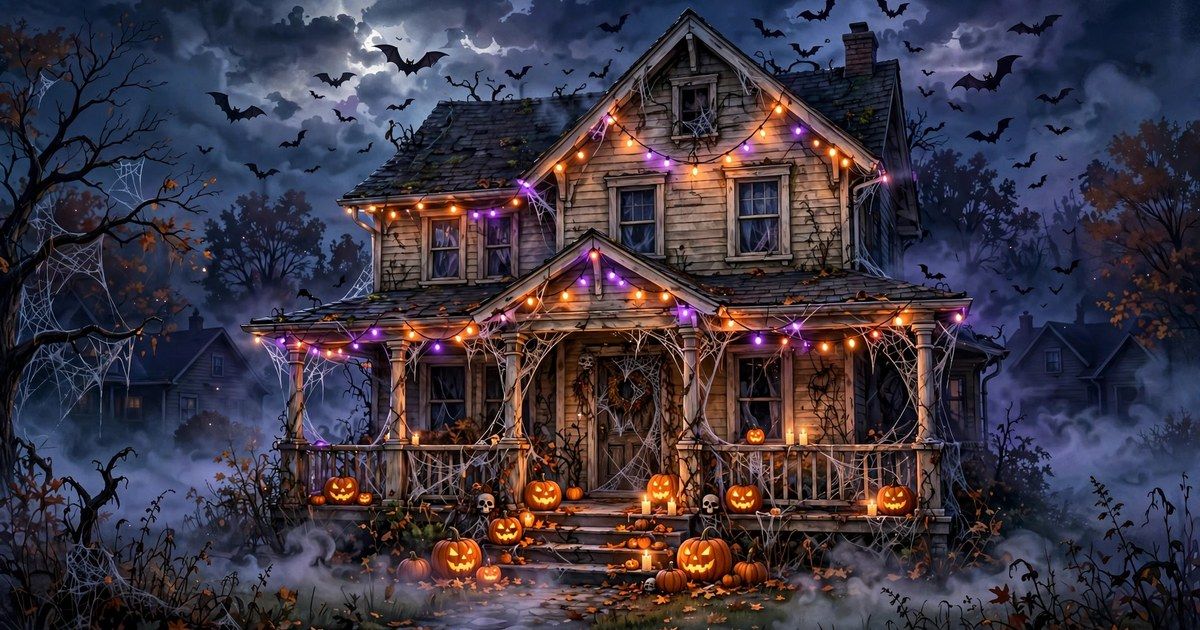
Turning your home into a haunted house is the ultimate Halloween flex — part decoration project, part theater production, and the thing the whole neighborhood talks about for weeks. You do not need a big budget or professional props. What you need is a plan: a route through the space, a lighting scheme that hides the cheap stuff and highlights the scares, and a few well-timed surprises. Here is how to transform an ordinary home into a genuinely spooky haunt.
The Entrance: First Impressions That Set the Tone
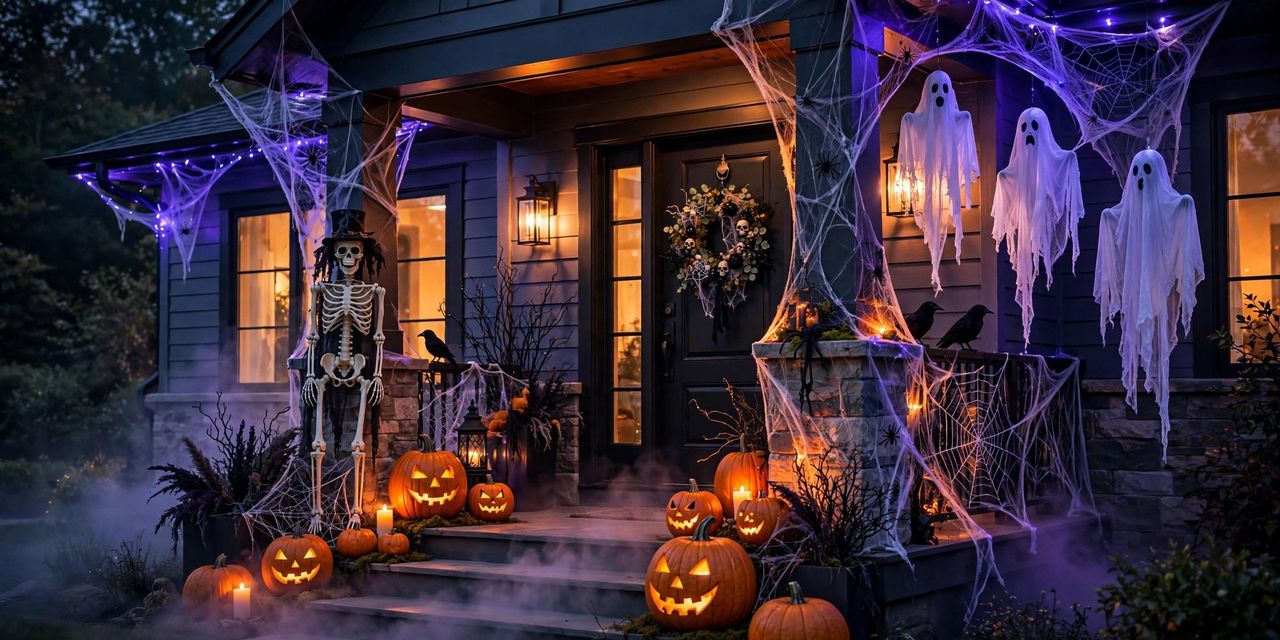
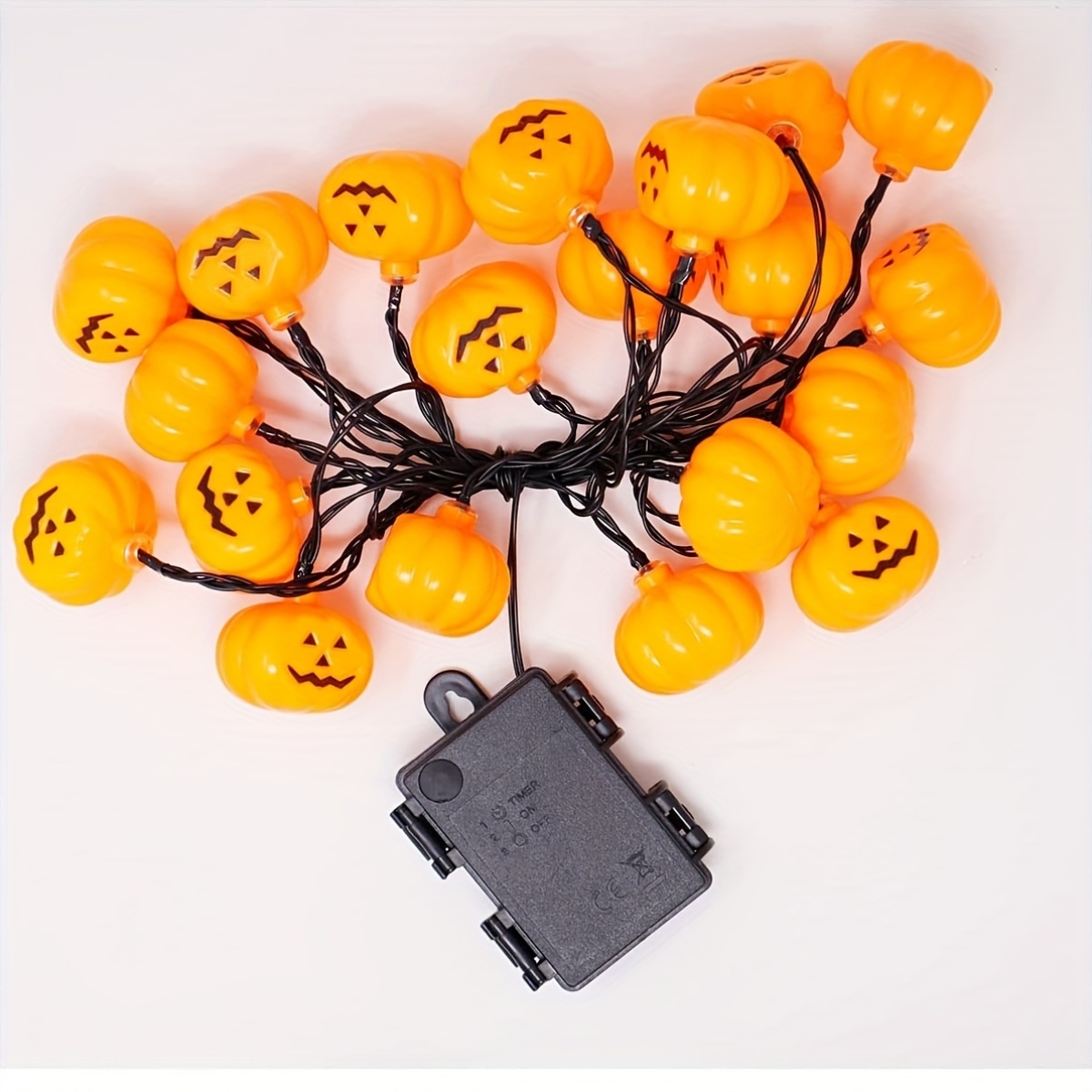
The entrance does half the work. Line the walkway with jack-o'-lanterns or LED candles so guests approach through a corridor of flickering light. Hang torn black fabric or cheesecloth from the porch ceiling to create a low, brushing ceiling that makes everyone duck — instant unease. A motion-activated prop or a costumed greeter at the door sets the rule: this is not a house with decorations, it is an experience. Keep the entrance well-lit enough to be safe on stairs, but dim enough that the inside feels like descending somewhere.
Themed Rooms and Zones
Divide your space into 3 to 5 themed zones rather than decorating randomly. A mad scientist lab (beakers, blinking lights, bubbling sounds), a spider's lair (webbing stretched wall to wall with a giant spider drop), a haunted nursery (rocking chair that moves on its own via fishing line), and a graveyard finale all give guests a sense of journey. Each zone needs one hero scare — a single standout moment — supported by background detail. Close doors between zones and use curtains or black plastic sheeting to force a one-way route; controlling the path controls the pacing.
Lighting and Fog: The Real Magic
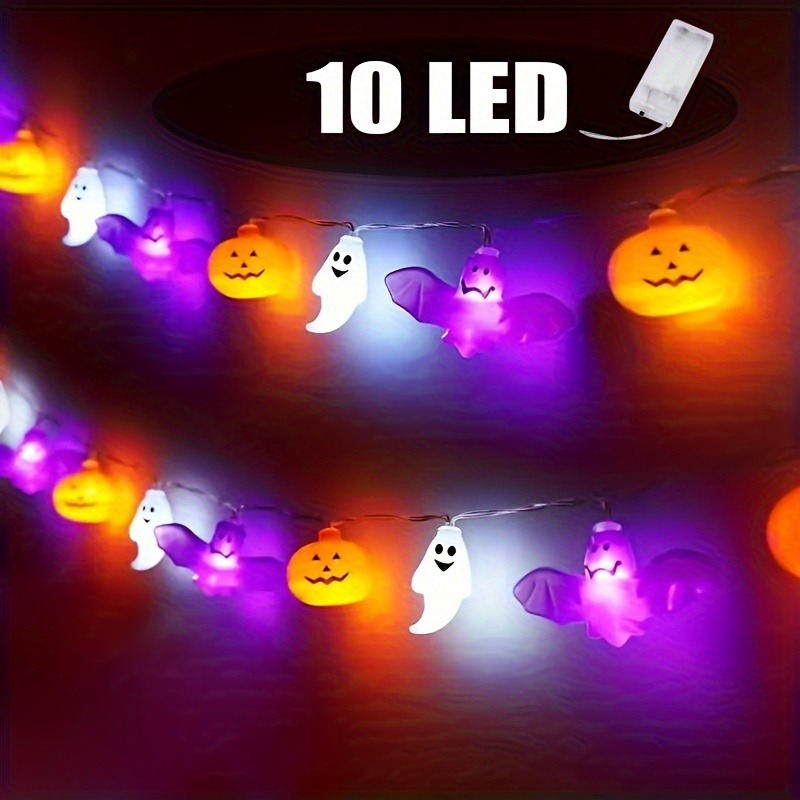
Lighting is the highest-impact, lowest-cost tool you have. Kill the overhead lights entirely and relight each zone with colored LEDs: red for dread, green for the lab, deep purple for hallways. Uplighting — lights placed on the floor aimed at walls or props — creates the long shadows that make everything look bigger and stranger. A single low-lying fog machine transforms any room; run it in bursts rather than constantly so it does not set off smoke alarms or choke your actors. Strobe lights in short bursts disorient guests just enough to make the next scare land harder.
Sound, Actors, and the Art of the Scare
Sound design sells the illusion. A hidden Bluetooth speaker per zone playing loops — dripping water, distant screams, a music box melody — fills the silence that would otherwise break the spell. If you have volunteers to act, brief them on the golden rule: stillness beats jumping. A motionless figure in the corner that turns its head as guests pass is scarier than any jump scare. Rotate actors every 30 minutes so they stay sharp, give them water and a chair, and always — always — have a clearly marked, well-lit exit route plus an adult supervising. Scares are fun; injuries are not.
Shop This Look


Prices shown at the time of publishing and can change.