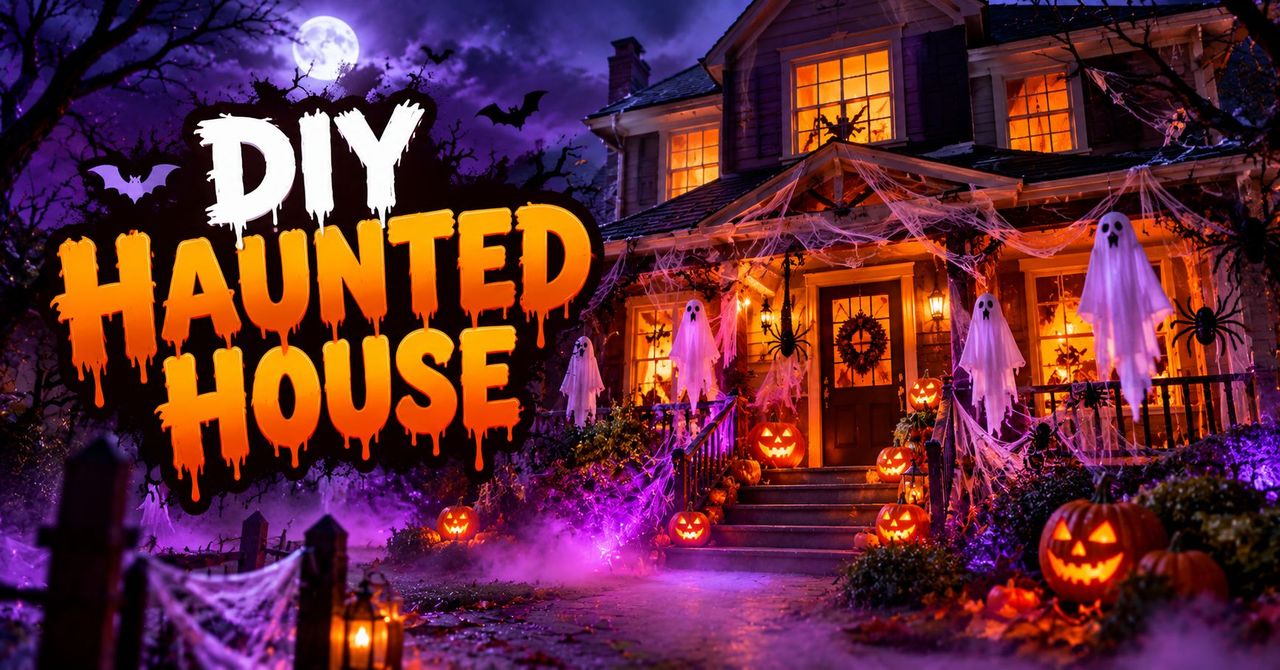
Turning your home into a haunted house is the ultimate Halloween project — thrilling for guests and unforgettable for the neighborhood. This DIY Halloween haunted house guide for 2026 walks you through every room with budget-friendly props, clever lighting tricks, and safety essentials, whether you are building a kid-friendly spooky walk or a genuinely terrifying haunt.
Planning Your Haunted House
- Choose your scare level: Family-friendly (spooky but fun), moderate (jump scares, creepy atmosphere), or extreme (intense, actors, strobe effects). Match it to your audience.
- Map the route: Sketch a one-way path through your space — garage to living room, or a loop through the yard. One-way flow prevents bottlenecks.
- Set a budget: A great home haunt can cost $50-$200 using dollar-store supplies, things you own, and DIY props.
- Recruit helpers: You will need actors for scares, someone at the entrance managing groups, and a reset crew between groups.
- Time it right: Run your haunt for 2-3 hours on Halloween night. Send groups through every 3-5 minutes.
The Entrance: First Impressions Matter
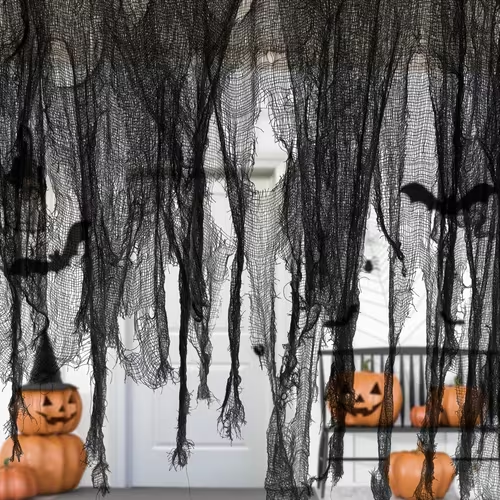
- Hang tattered black fabric or cheesecloth over the doorway for guests to push through.
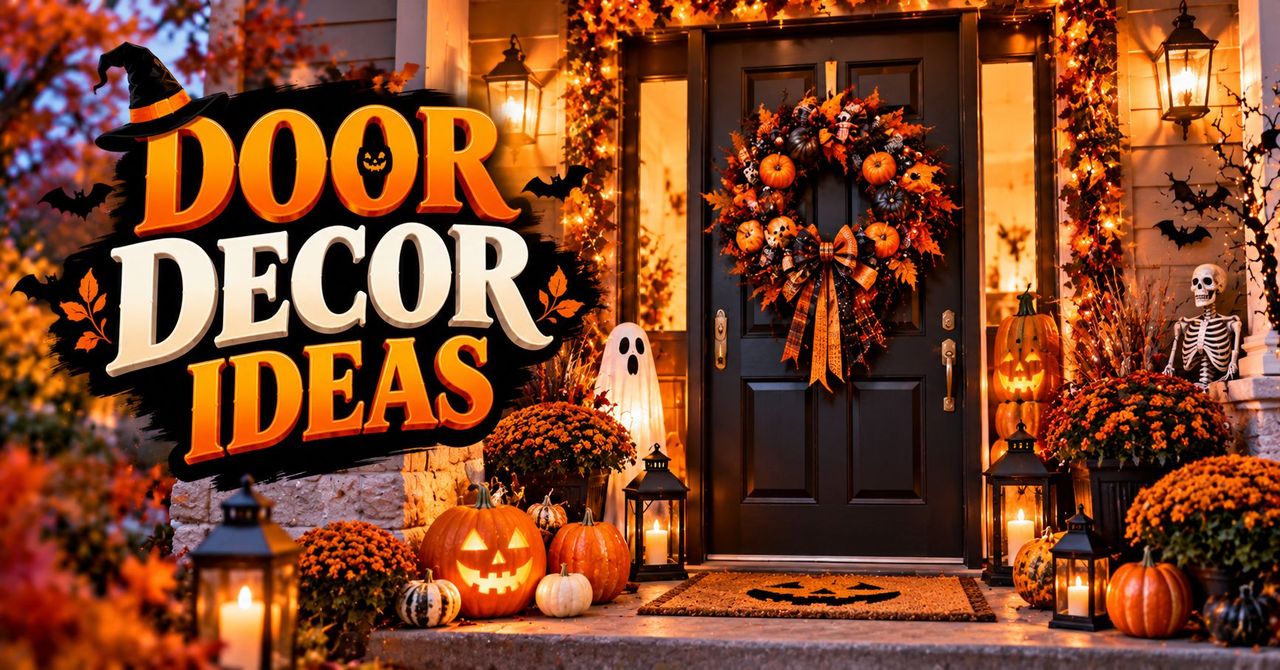
- Place flickering lanterns or LED candles along the walkway.
- Add a "Enter If You Dare" sign in dripping-blood lettering.
- Play distant thunder and creaking-door sounds from a hidden speaker.
- Station a silent, motionless "statue" actor who moves when guests pass — an instant classic scare.
Room-by-Room Haunt Ideas
The Spider Tunnel (Hallway)
Stretch fake spider webs across a hallway at face height and hang large plastic spiders. Dim the lights and add a floor-level fog machine. Guests must duck and push through — deliciously uncomfortable.
The Mad Scientist Lab (Kitchen or Garage)
Fill jars with water, food coloring, and plastic body parts. Label them "Specimen 13" and "Do Not Open." Add bubbling sounds, green lighting, and a lab-coated actor who "has been expecting" the guests.
The Creepy Doll Room (Bedroom)
Arrange dolls facing the entrance with one noticeably turned around each time a new group enters. Add a music box playing a distorted lullaby. This room unsettles without a single jump scare.
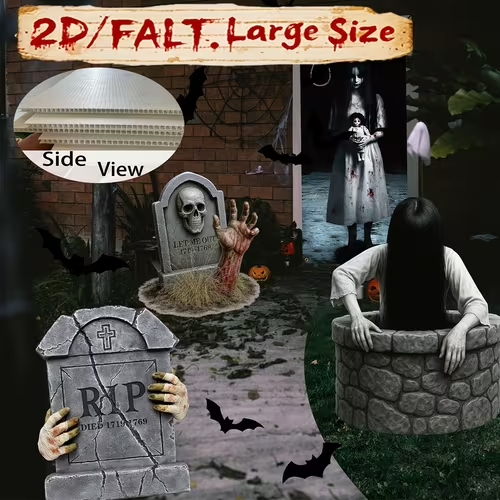
The Graveyard (Yard or Large Room)
Cardboard tombstones with funny epitaphs ("Here lies my diet"), a fog machine, and an actor who rises slowly from behind a stone as guests pass.
The Final Scare (Exit)
End with your biggest moment — a chainsaw actor (chain removed, obviously), a sudden blackout with screaming, or a friendly "you survived" photo op that flips into one last scare.
Lighting Tricks That Create Terror
- Black lights: Make white and neon objects glow eerily. Cheap and transformative.
- Strobes: Use sparingly — they disorient and amplify scares. Always post a warning for epilepsy.
- Uplighting: Place lights on the floor pointing up at props or actors for unnatural, frightening shadows.
- Flicker effects: Flickering bulbs or candles suggest electrical failure and abandonment.
- Colored gels: Red and green gels over regular lamps create instant atmosphere for pennies.
Sound Design on a Budget
- Use free horror ambience tracks from streaming services — creaking, wind, distant screams.
- Hide Bluetooth speakers behind props for directional sound.
- Record your own whispers and play them at low volume in dark corners.
- Silence is a tool too — a suddenly quiet room before a scare is devastatingly effective.
DIY Props That Look Professional
- Hanging corpses: Stuff old clothes with newspaper, add a mask, hang from the ceiling.
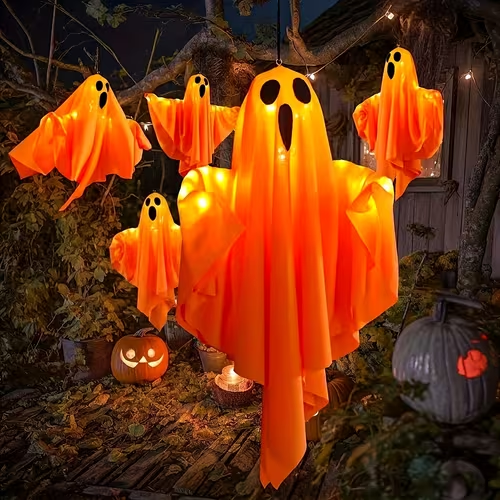
- Floating candles: LED tea lights on fishing line from the ceiling — magical and eerie.
- Bloody handprints: Washable red paint on windows and mirrors (test first!).
- Specimen jars: Dollar-store jars + water + food coloring + plastic toys = instant lab horror.
- Portrait gallery: Print creepy portraits, put them in thrifted frames, and have one "follow" guests with eyes that move.
Safety Essentials (Non-Negotiable)
- Keep all walkways clear and well-marked — guests in the dark will trip.
- Use LED candles only; never real flames near fabric props.
- Post warnings for strobe lights, fog, and intense scares at the entrance.
- Have a well-lit "chicken exit" for anyone who wants out early.
- Actors must never touch guests — scares should be visual and auditory only.
- Keep a first-aid kit and phone handy; assign one person as safety monitor.
- Check local rules — some neighborhoods restrict haunted houses or require permits.