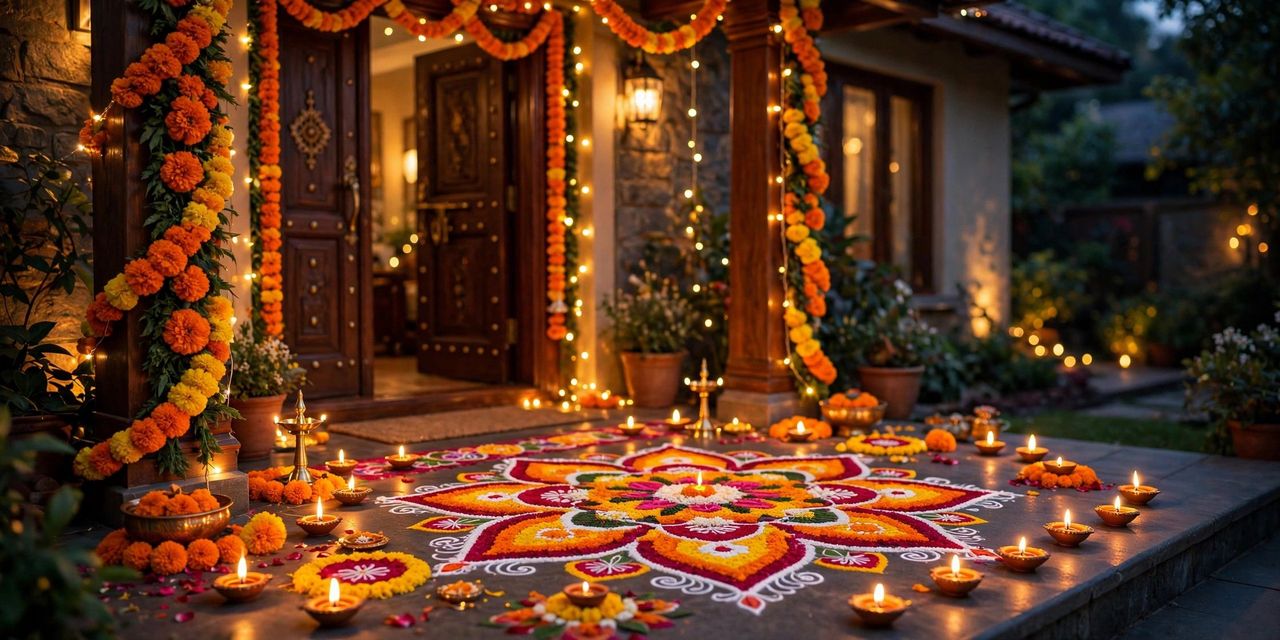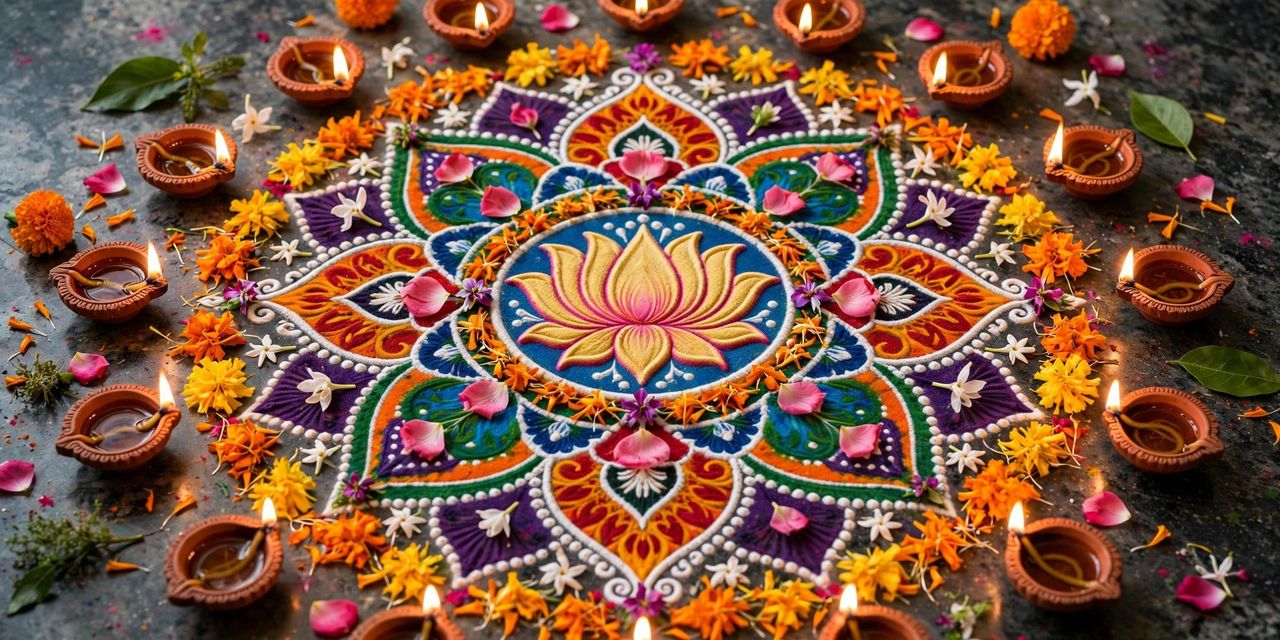
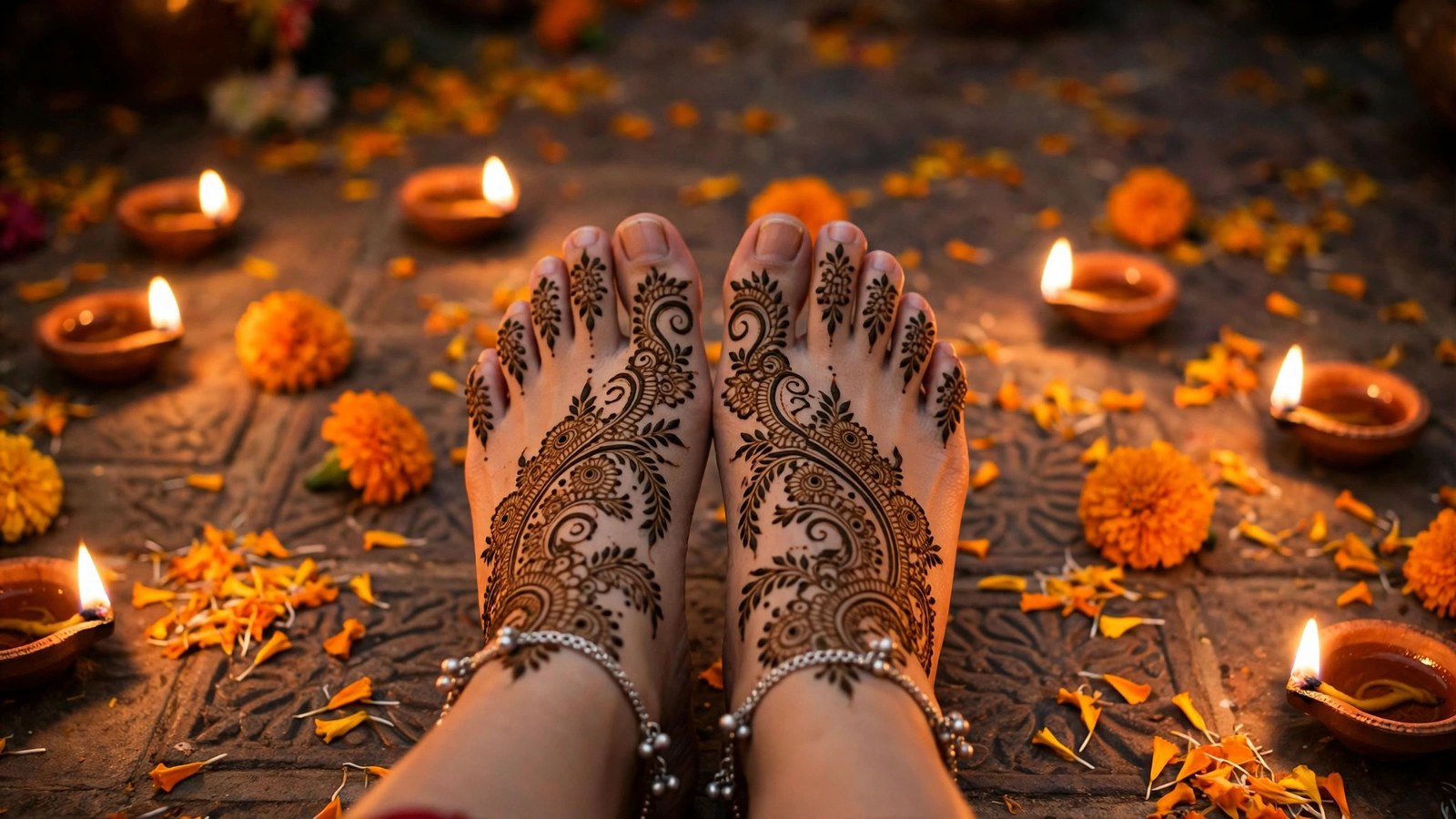
Mehndi for feet is one of the quieter Diwali traditions, and that is exactly what makes it special. While hand mehndi gets all the attention, foot mehndi is the detail that completes a festive look, especially with open footwear such as juttis, sandals, and kolhapuris. When you step into the pooja room or walk across a rangoli-covered floor, decorated feet carry the celebration with every step.
Foot mehndi has a long history in Indian celebrations, and Diwali is one of the occasions where it feels most at home. The designs are usually simpler than hand patterns, because the foot is a smaller canvas and the skin there takes the stain differently. That simplicity is a strength. A clean, well-placed foot design looks elegant rather than busy, and it pairs beautifully with anklets, toe rings, and festive footwear.
Why Foot Mehndi Deserves a Place in Diwali
Diwali is a festival you experience on your feet. You walk through the house lighting diyas, you stand through Lakshmi Puja on Sunday 8 November 2026, you greet guests at the door, and you move between the kitchen and the living room all evening. Decorated feet turn all of that movement into part of the celebration.
Foot mehndi also photographs wonderfully. A photo of decorated feet beside a diya, on a rangoli, or next to a pair of new juttis is one of the most shared Diwali images every year. If you are wearing a saree or a lehenga with an open sandal, the mehndi becomes visible with every step, adding a layer of detail that no other accessory can match.
Popular Feet Mehndi Designs for Diwali 2026
The most popular design starts with a mandala on the top of the foot, just above the toes. From the mandala, fine lines and small flowers spread toward the ankle, and each toe gets a small dot or a tiny flower of its own. The design follows the natural shape of the foot, which is why it looks graceful rather than crowded.
Ankle-length designs are the next step up. These start at the toes and run all the way to the ankle, sometimes with a band around the ankle that looks like a henna anklet. The band is a clever trick. It frames the design, hides the point where the pattern ends, and looks beautiful with a real silver anklet worn over it.
Arabic-style foot designs use bold flowers and leaves with open spaces between them. They are quicker to apply and they suit feet particularly well, because the larger motifs read clearly on the curved surface of the foot. If you are short on time, an Arabic design on the feet and a detailed design on the hands is a practical combination.
For a minimal look, a single small motif on each foot is enough. A tiny lotus, a paisley, or a small diya shape near the ankle looks refined and modern, and it works well with contemporary outfits and heeled sandals. Minimal designs are also the best choice for children, who rarely sit still long enough for a detailed pattern.
Choosing a Design for Your Footwear
- Juttis and kolhapuris: a mandala on the top of the foot, visible through the open front.
- Heeled sandals: an ankle-band design, which frames the foot above the shoe.
- Barefoot at home: a full design from toes to ankle, since nothing covers it.
- Closed shoes: keep it minimal, a small motif near the ankle that peeks out.
Think about your footwear before you choose the design. A detailed pattern hidden inside a closed shoe is wasted effort, while a design placed where the shoe leaves the foot open gets seen all evening.
When to Apply Foot Mehndi
Foot mehndi follows the same timing as hand mehndi. The stain deepens over 24 to 48 hours, so the best days to apply it are Friday 6 November, Dhanteras, and Saturday 7 November, Choti Diwali. Applied on either day, the colour will be rich and deep by Diwali night on Sunday 8 November 2026.
Feet need a little more patience than hands. The skin on the top of the foot is thinner, and the paste can smudge easily if you walk around while it dries. Plan to sit for at least an hour after application, with your feet resting on a clean cloth. Put on loose socks only after the paste is fully dry, and avoid tight shoes for the first day.
Keep the paste on for six hours or more, and overnight if you can. In the morning, scrape the paste off gently and rub a little coconut oil over the stain. Avoid washing your feet with soap for the first twelve hours, and wear open footwear while the colour settles.
Aftercare for Foot Mehndi
Feet face more water and friction than hands, so the stain can fade faster if you are not careful. The first day is the most important. Avoid long showers, and if you need to wash your feet, use plain water and pat them dry instead of rubbing.
Moisturise the stain lightly with coconut oil or mustard oil once a day. This keeps the skin soft and helps the colour last through the whole five-day festival, from Dhanteras on Friday 6 November to Bhai Dooj on Tuesday 10 November. Avoid scrubbing the feet or using exfoliating products until the festival is over.
Foot Mehndi for Children and Beginners
Children love foot mehndi because it feels like a treat rather than a task. A simple flower on each foot, with a dot on every toe, takes ten minutes and makes them feel part of the celebration. Let them choose their own design from a few simple options, and they will sit still far longer than you expect.
Beginners should start with the mandala. Draw a small circle on the top of the foot, add petals around it, and then add dots and short lines radiating outward. The shape of the foot guides the design, and even a simple mandala looks complete once the toes are dotted. Stencils made for feet are also available and give a clean result in minutes.
Helpful Finds to Complete the Look
Foot mehndi looks its best with the right finishing touches. A delicate jewellery set, a roomy festive handbag, and a touch of fragrance turn a simple foot design into part of a complete Diwali look.
- Women's Jewelry Set - Elegant Geometric Link Necklace & Earrings, KC Golden Plated
- Women's Purple Tote Bag — Structured Roomy Handbag with Double Handles
- Luxury Women's Jewelry Bundle with Gift Box
- Elegant Women's Jewelry Set - Chic Square Pendant Necklace & Teardrop Earrings, Golden-Tone
As an affiliate, EventBuzz may earn a commission on qualifying purchases at no extra cost to you.
Conclusion
Diwali mehndi designs for feet are a small detail with a big effect. A mandala on the top of the foot, an ankle band, or a bold Arabic pattern all add grace to festive footwear and complete the Diwali look from head to toe. Apply the mehndi on Dhanteras or Choti Diwali, give it time to dry and deepen, and protect it from water on the first day. Your feet will carry the colour of the festival through every step of the celebration. Pair your look with ideas from our Diwali outfits guide, and plan the festival days with our Diwali 2026 date and Lakshmi Puja calendar. For hand patterns to match, see our Diwali mehndi designs for hands.