Diwali is a festival of abundance, and that is exactly why it is so easy to overspend. The lights are beautiful, the sales are tempting, the gift lists keep growing, and every market stall seems to hold something your home suddenly needs. Then January arrives, and the festival glow fades into a credit card statement. It does not have to be that way. With a simple Diwali budget plan made before the shopping starts, you can celebrate generously, give thoughtful gifts, decorate beautifully, and still wake up after the festival without financial worry. This guide shows you how, step by step.
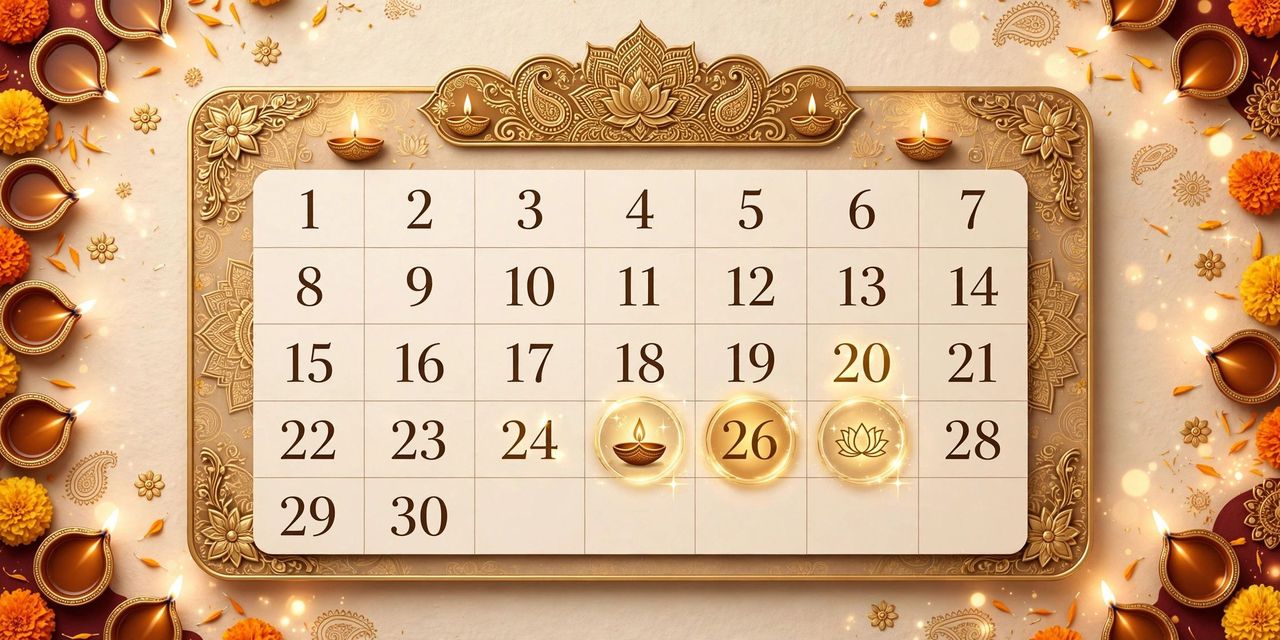
Diwali 2026 falls on Sunday, 8 November, with the five-day festival running from Dhanteras on Friday, 6 November through Bhai Dooj on Tuesday, 10 November. The best time to plan your budget is now, before the first purchase, while every decision is still calm and rational.
Step 1: Set Your Total Diwali Budget
Start with one number: the total amount you can comfortably spend on Diwali without borrowing or dipping into savings meant for something else. A practical rule is to spend no more than what you can set aside from one month's discretionary income, after rent, bills, groceries and savings are covered. If that number feels small, it is not a problem. Diwali has never been about how much you spend; it is about how much thought you put in. A home lit with twenty clay diyas and a handmade rangoli feels more festive than a house full of expensive decorations bought on credit.
Step 2: Split the Budget into Five Buckets
A single total is hard to manage, so split it into five buckets. The exact split depends on your family, but a balanced starting point looks like this.
- Decorations and lights, 15 percent: diyas, fairy lights, rangoli, garlands, candles and table decor. This is the bucket where reusing last year's items saves the most.
- Gifts, 25 percent: usually the biggest bucket. Family, friends, colleagues, neighbours and staff all add up, so list every recipient before you shop.
- Food and sweets, 25 percent: ingredients, ready sweets, snacks, the festive dinner and drinks. Homemade sweets cost far less than shop-bought ones and taste better.
- Clothes and outfits, 20 percent: festive outfits and footwear for the family. Buying early avoids the last-minute premium.
- Buffer, 15 percent: the surprise bucket, for unexpected guests, a forgotten item, or a last-minute gift. If you do not spend it, it stays saved.
Adjust the percentages to fit your family. A family that hosts a big Diwali party will need more in the food bucket; a family that exchanges many gifts will need more in the gifts bucket. The point is not the exact numbers, but that every rupee or dollar has a job before the shopping begins.
Where Diwali Money Actually Goes
Most families are surprised by where their Diwali money disappears. It is rarely the big purchases. It is the small ones: the extra string of lights, the third box of sweets, the impulse decor item, the gift for someone added to the list at the last moment. These small leaks add up to more than the big-ticket items, and they are the hardest to notice because each one feels tiny on its own.
How to Save on Every Diwali Category
Decorations
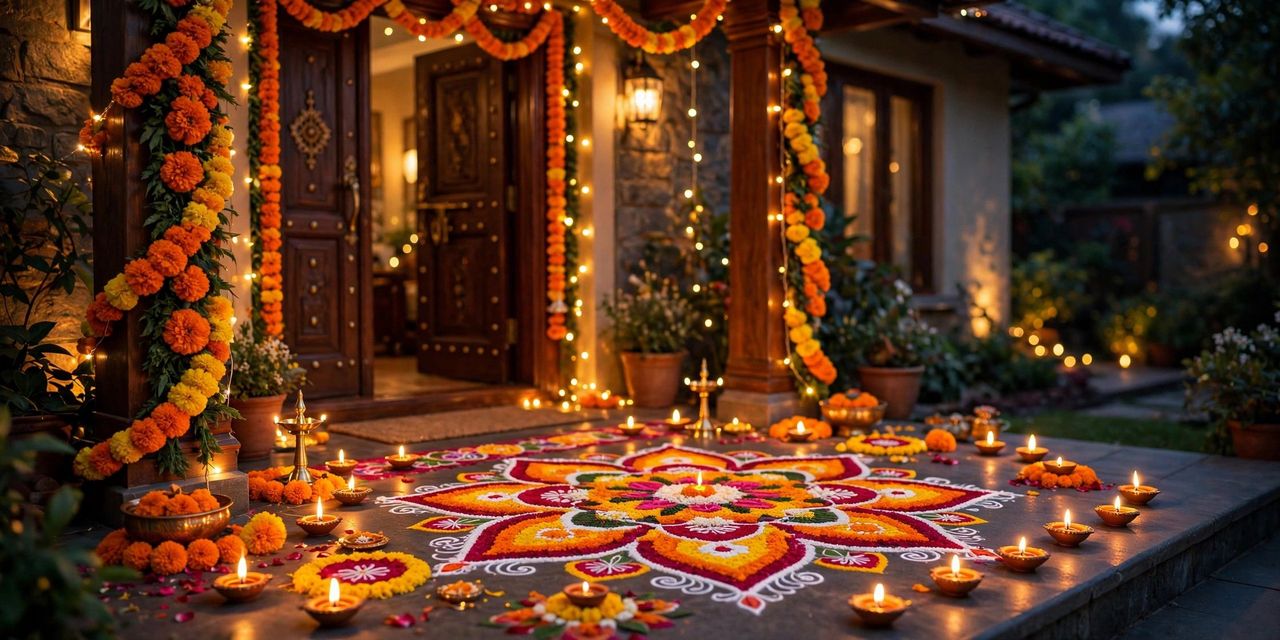
Reuse last year's fairy lights and lanterns after testing them, buy clay diyas from local potters instead of packaged sets, make your own rangoli with colours you already have, and use fresh marigolds, which are cheaper and more beautiful than artificial garlands. A single statement piece, like a beautiful table runner or a set of candles, does more than five small impulse buys.
Gifts
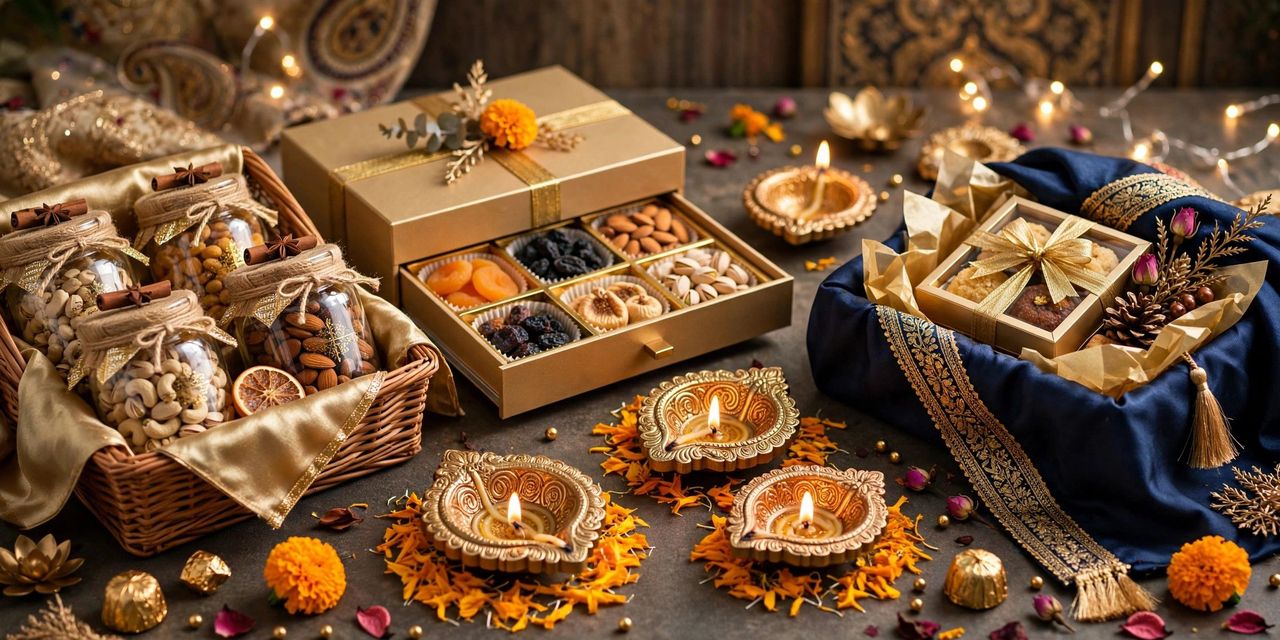
Set a per-person limit before shopping, and stick to it. Homemade gifts, like a box of sweets you made yourself or a jar of homemade snacks, cost less and mean more than a generic hamper. For colleagues and neighbours, one good box of sweets is enough; nobody remembers the size of the hamper, but everyone remembers the thought. Our Diwali gift ideas 2026 guide has thoughtful options at every budget level.
Food and Sweets
Cook at home where you can. A batch of homemade laddoo or chakli costs a fraction of the shop price and fills the house with festival smells. Buy dry ingredients in bulk a week early, plan the Diwali dinner menu in advance so you buy exactly what you need, and cook for the guests you actually expect, not the guests you fear might arrive.
Clothes
Buy early, compare prices across two or three shops, and consider reusing a good outfit from last year with new accessories. A new stole, a piece of jewellery or a fresh pair of shoes can make last year's outfit feel new. Children outgrow clothes fast, so buy theirs last, closest to the festival, to get the size right.
Fireworks
Fireworks are the easiest category to overspend on, because they are bought in the excitement of the moment. Set a fixed amount, buy once, and consider skipping loud crackers altogether: they are expensive, polluting and frightening for pets and small children. Sparklers and a few small fireworks give children the same joy for a fraction of the cost. Our eco-friendly Diwali 2026 guide has a full green celebration plan.
Tracking Your Spending During the Festival
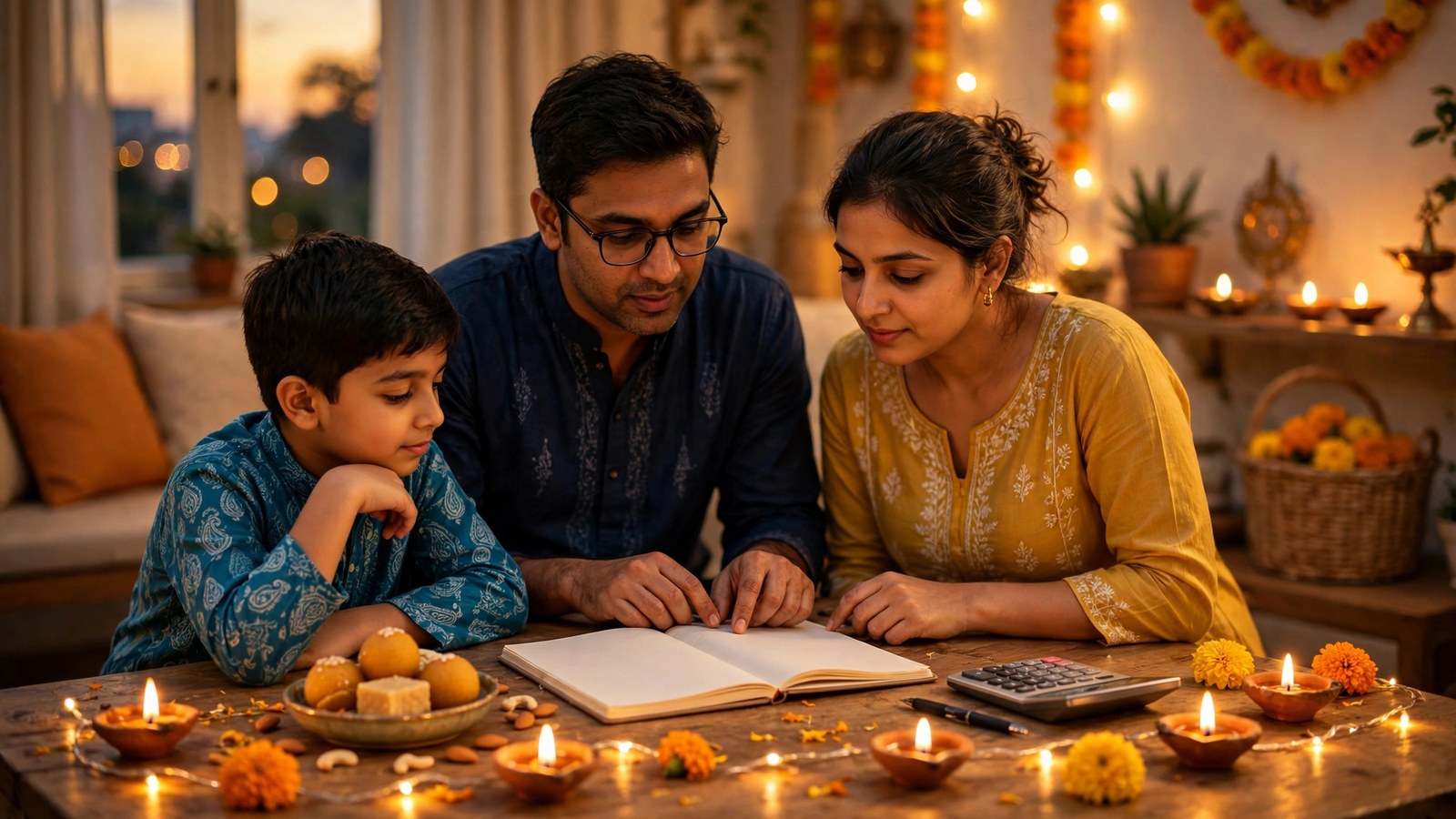
A budget only works if you track it. Keep a simple running note on your phone: date, item, bucket, amount. Update it the moment you buy something, not at the end of the day, because end-of-day memory is generous and forgets the small purchases. Check the totals every evening during the festival week. If one bucket is running over, move money from another bucket consciously, rather than discovering the overspend after the festival.
Festive Finds That Save Money and Look Good
Smart Diwali shopping is about choosing items that last: reusable lights, good storage for decorations, and candles that can be used long after the festival. These practical finds keep the celebration bright without wasting money on single-use items.
- LED Strip Lights Room
- 12-Pack Women's Candle Set, Small Soy Candles
- 3 Pack Large Clothes Storage Bags
- Candles Made Soy Wax in Scents Like Lavender Cedar
As an affiliate, EventBuzz may earn a commission on qualifying purchases at no extra cost to you.
Conclusion
A Diwali budget is not a restriction; it is a permission slip. It gives you permission to spend joyfully on the things that matter, because you know the things that do not matter are already handled. Set one total, split it into five buckets, track every purchase, and keep a buffer for surprises. Then light your diyas on Sunday, 8 November 2026, enjoy the festival with your family, and wake up the next morning knowing the celebration was fully yours, fully paid for, and fully worth it. That is the real prosperity Diwali promises.