Diwali, the festival of lights, is one of the most widely celebrated festivals in the world. Every autumn, millions of homes across India and in Indian communities abroad glow with rows of small oil lamps called diyas, while families gather for prayers, feasts, gifts and fireworks. If you are celebrating for the first time, returning to traditions after years away, or simply curious about what Diwali is and how it works, this complete Diwali guide covers everything: the dates, the meaning, the five days, the rituals, the food, the decorations and how to celebrate well, wherever you are.
When Is Diwali 2026?
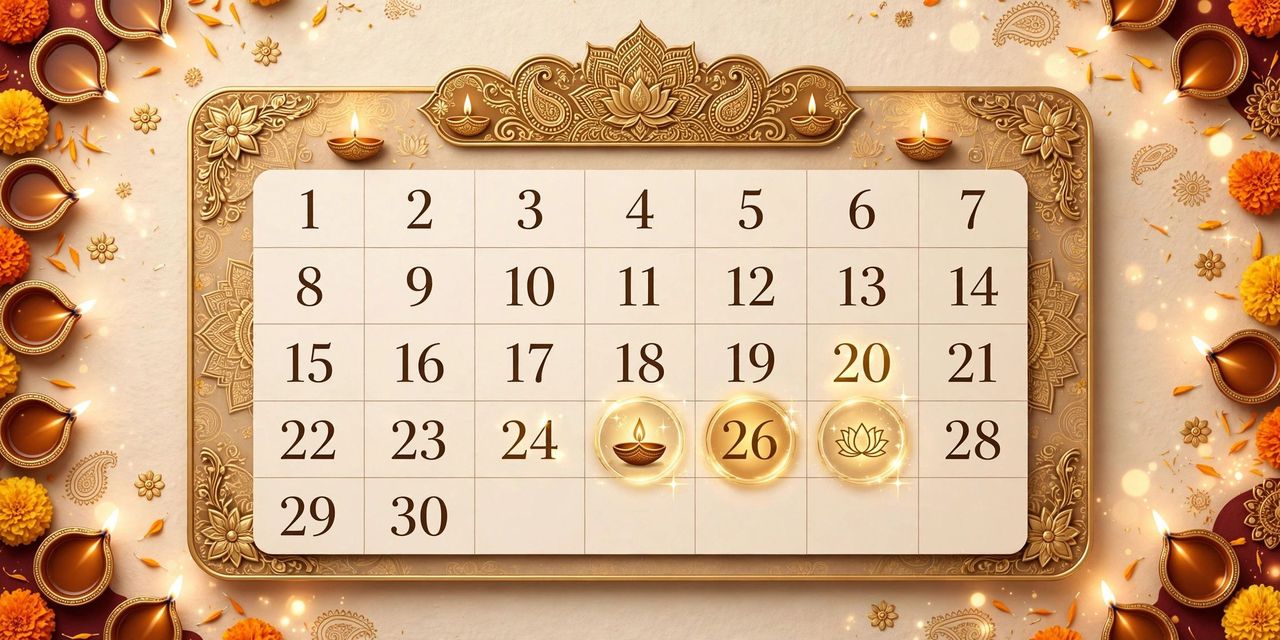
Diwali 2026 falls on Sunday, 8 November 2026. The date changes every year because Diwali follows the Hindu lunar calendar, falling on the new moon night of the month of Kartik, usually in October or November. In 2026, the festival spans five days.
- Dhanteras, Friday 6 November 2026: the first day, dedicated to wealth and health. People buy gold, silver or new utensils, and homes are cleaned and decorated.
- Choti Diwali, Saturday 7 November 2026: also called Naraka Chaturdashi, a day of early-morning rituals, oil baths and the first lighting of diyas.
- Diwali, Sunday 8 November 2026: the main day, with Lakshmi Puja in the evening, rows of diyas, fireworks and family feasts.
- Govardhan Puja, Monday 9 November 2026: a day honouring Lord Krishna and the Govardhan hill, celebrated with food offerings and community meals.
- Bhai Dooj, Tuesday 10 November 2026: the final day, celebrating the bond between brothers and sisters, with gifts and shared meals.
For exact puja timings and the full day-by-day calendar, see our Diwali 2026 date and Lakshmi Puja calendar. Timings vary slightly by city, so check your local panchang for the precise Lakshmi Puja muhurat in your area.
What Is Diwali and Why Do We Celebrate It?
Diwali means a row of lamps, from the Sanskrit word Deepavali. The festival celebrates the victory of light over darkness and good over evil, a theme that appears in several stories across Hindu, Jain and Sikh traditions. The best-known story is from the Ramayana: Lord Rama returned to Ayodhya after fourteen years of exile and his victory over the demon king Ravana, and the people lit rows of lamps to welcome him home and guide his path through the dark night. That is why the lighting of diyas remains the heart of the festival.
Other traditions add their own layers. Many celebrate the goddess Lakshmi, who is believed to visit clean, well-lit homes on Diwali night and bless them with prosperity. Jains mark the day Lord Mahavira attained nirvana. Sikhs celebrate Bandi Chhor Divas, the day Guru Hargobind was released from imprisonment. Different stories, one shared image: light pushing back the dark. For the full story, read our Diwali history and story 2026 guide.
The Five Days of Diwali Explained
Day 1: Dhanteras
Dhanteras opens the festival with a focus on health and wealth. The day honours Dhanvantari, the god of Ayurveda, and people traditionally buy something new, especially gold, silver or a steel utensil, as a sign of prosperity. Homes get their final deep clean, and the first diyas appear on doorsteps in the evening. Many families also buy new clothes and begin their sweet-making in earnest.
Day 2: Choti Diwali
Choti Diwali, the small Diwali, commemorates Lord Krishna's victory over the demon Narakasura. The day starts early with an oil massage and bath before sunrise, and by evening the house is lit with diyas. It is also the day many families finish their rangoli and put up the last of the decorations.
Day 3: Diwali, the Main Day
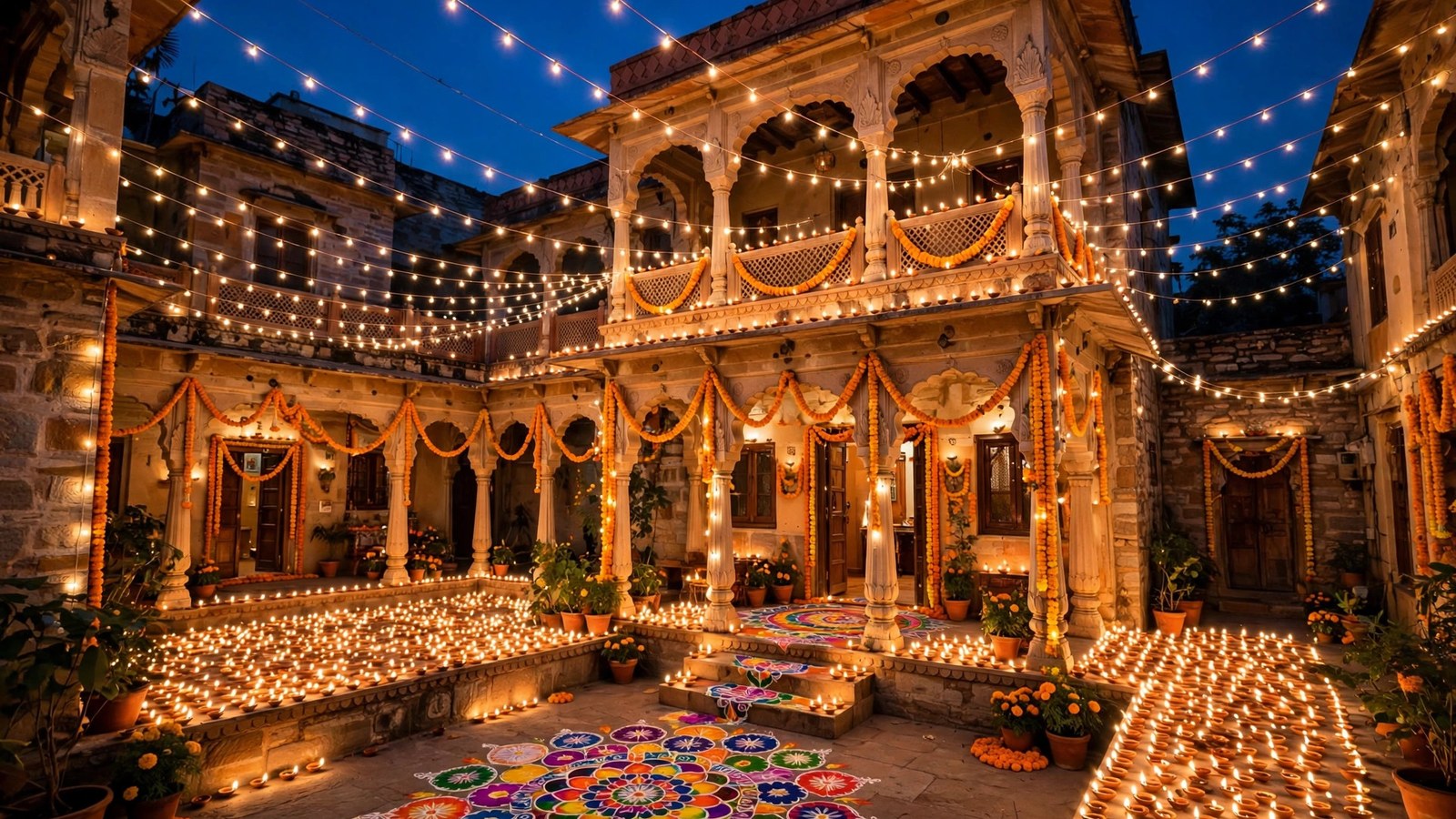
The main day begins with morning prayers and the exchange of sweets and gifts. As evening falls, families perform Lakshmi Puja, inviting the goddess of wealth into their homes. Then the diyas are lit in rows along windows, balconies and doorways, fireworks light up the sky, and everyone gathers for a festive dinner. New clothes are worn, elders are greeted, and the whole neighbourhood glows.
Day 4: Govardhan Puja
Govardhan Puja honours the story of Krishna lifting the Govardhan hill to protect the people of Vrindavan from torrential rain. Families prepare a large spread of food, sometimes called Annakut, a mountain of food, and offer it in thanks. It is a quieter, food-centred day after the excitement of Diwali night.
Day 5: Bhai Dooj
Bhai Dooj closes the festival with the bond between siblings. Sisters apply a tilak on their brothers' foreheads and pray for their long life, and brothers give gifts in return. It is a warm, personal day, and a good reminder that Diwali is, above all, a family festival.
Diwali Rituals and Traditions
Diwali Decorations, Food and Gifts
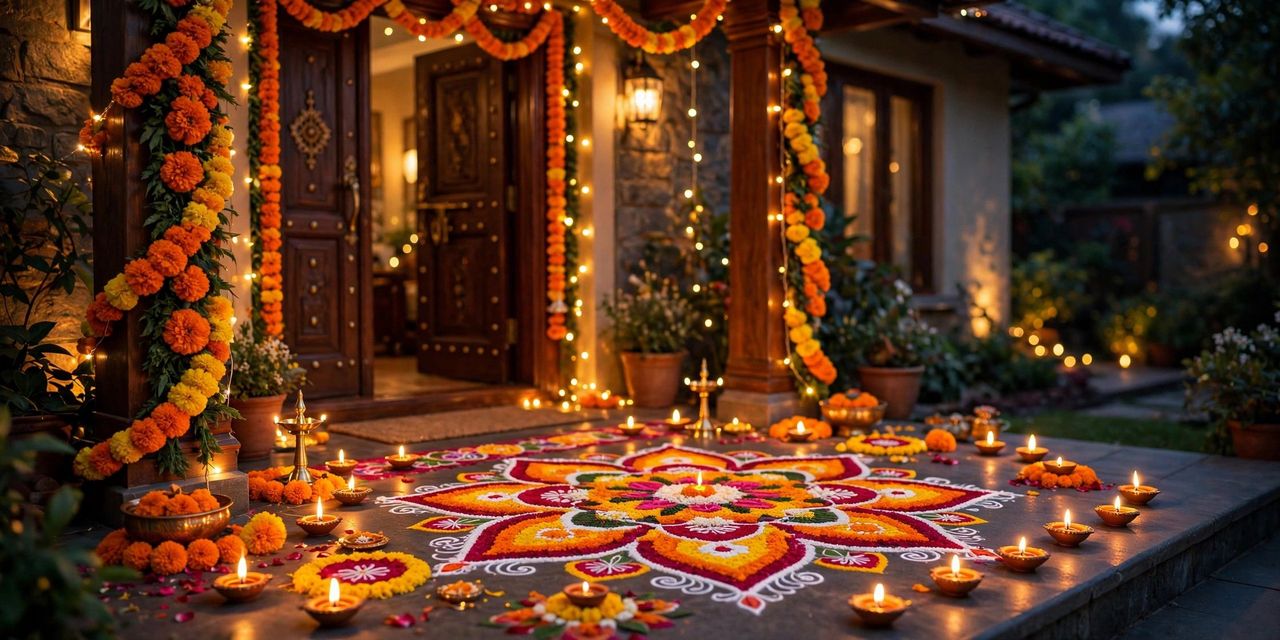
Decorating for Diwali is half the joy. Marigold garlands frame the door, torans hang above entrances, fairy lights trace the windows, and the rangoli anchors the entrance. Inside, the dining table becomes the centre of the celebration, dressed with a festive runner, candles and a bowl of flowers. Our Diwali decoration ideas at home guide has room-by-room ideas that work in any size of home.
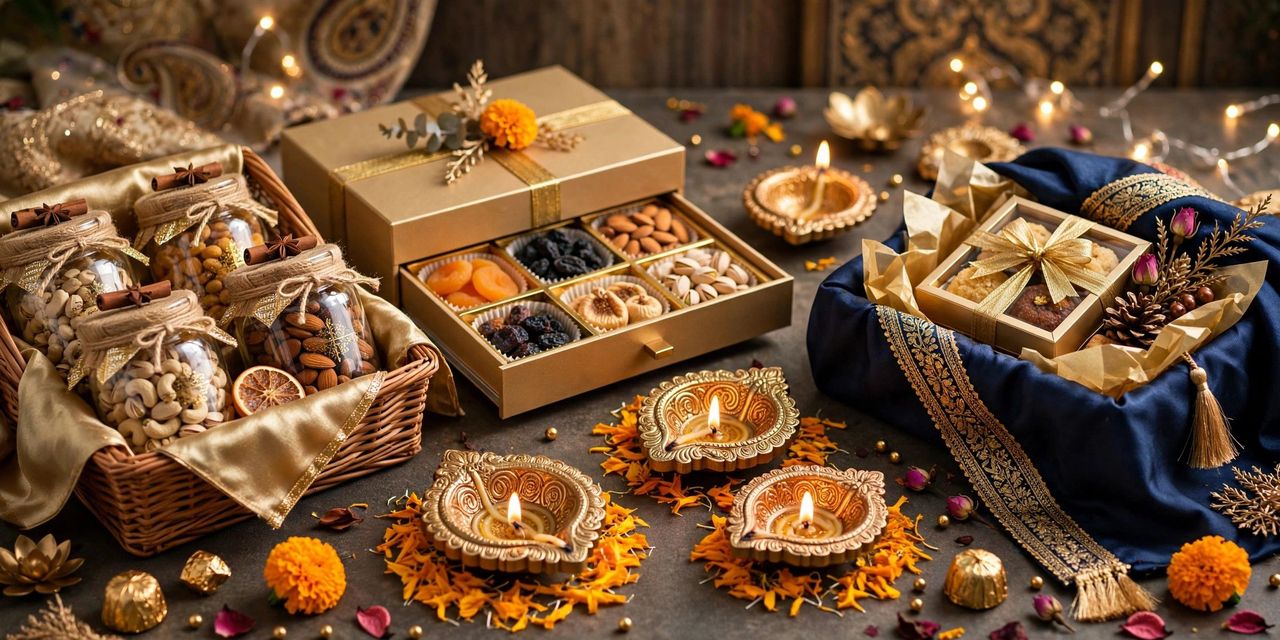
Food is the other half. Sweets like laddoo, barfi, kaju katli and gulab jamun fill the house, and savoury snacks like chakli, namkeen and samosas balance them out. Many families cook a special dinner on Diwali night, and boxes of sweets are exchanged with neighbours, colleagues and relatives all week. For recipes, see our Diwali sweets and recipes collection.
How to Celebrate Diwali at Home: A Simple Plan
If this is your first Diwali, here is a simple plan. A week before, deep-clean the house and finish your Diwali shopping list 2026 so the festival days are free for celebration. On Dhanteras, buy one new thing for the home and light your first diyas. On Choti Diwali, finish decorations and prepare the rangoli. On Diwali day, wear new clothes, perform Lakshmi Puja in the evening, light your diyas, enjoy dinner with family, and exchange gifts. On Govardhan, cook a generous meal and rest. On Bhai Dooj, celebrate with your siblings.
Festive Finds for Your Diwali Home
A few warm lights transform a home faster than any other decoration. LED strips along a shelf, fairy lights around a window, and a row of candles on the dining table create the glow that makes Diwali feel like Diwali, even in a small flat.
- Smart RGB LED Strip Lights for Bedroom, 91.44-3048.0cm, 44-Key Remote, Music Sync, Timer and App Control
- Floral Battery Operated Candle Set, Remote Timer
- 1pc Star Fairy Lights, 40 LED Star String Lights
- 4pcs Peony Shaped Rose Scented Candle Gift Box
As an affiliate, EventBuzz may earn a commission on qualifying purchases at no extra cost to you.
Conclusion
Diwali is a festival that rewards the simplest things: a clean home, a lit lamp, a shared meal and a family gathered in one room. The dates and rituals matter, but the feeling matters more. Whether you celebrate with a grand puja and a house full of guests or with a single diya on a windowsill far from home, you are part of a tradition thousands of years old, and that is something worth cherishing. Diwali 2026 arrives on Sunday, 8 November, so start your preparations now, light your lamps with joy, and let the festival of lights do what it has always done: remind us that light, in the end, always wins.