Introduction
Christmas planning feels much easier when it is written down. A simple checklist helps you decide what matters, what can wait, and what does not need to be bought or built at all. This guide gives you a practical planning structure you can adapt to a small family gathering, a larger party, or a quiet celebration at home.
The aim is not a perfect event. It is a calm event, where guests feel welcome, the host is not exhausted, and the day itself can be enjoyed rather than managed minute by minute.
Start With the Basics
Before you buy anything, answer four short questions in writing:
- Who is coming, and how many people will there be?
- Where will the celebration take place?
- What time of day works best for guests?
- What is the overall feel you want: relaxed, festive, formal, or playful?
As an affiliate, EventBuzz may earn a commission on qualifying purchases at no extra cost to you.
These answers shape every later decision, from seating to food to decoration. If you are unsure about numbers, plan for a comfortable range and keep seating and food flexible.
Make a Simple Timeline
A timeline prevents last-minute rushing. Work backwards from the celebration, in broad stages rather than exact dates:
- Early planning: guest list, theme, and overall budget approach
- Middle planning: food plan, decoration plan, and activity plan
- Final week: shopping, preparation, and setup
- Celebration day: setup, hosting, and simple cleanup
Keep each stage short. A checklist with ten clear tasks is more useful than a long list that never gets finished.
Guest List and Invitations
Send clear details early: date, time, address, what guests should bring if anything, and any practical notes such as parking or dress style. Keep the message friendly and short.
If guests ask what they can bring, give them one simple option rather than a long list. Clear communication reduces questions later and helps guests feel confident about attending.
Food, Drink, and Seating
Plan food around what you know how to prepare well. Choose dishes that can be prepared in advance where possible, and keep at least one simple option for guests with common dietary needs.
For seating, make sure there is enough room for everyone to sit comfortably, with space to move around. A simple table layout, clear serving areas, and drinks within easy reach make hosting much easier.
Decoration and Atmosphere
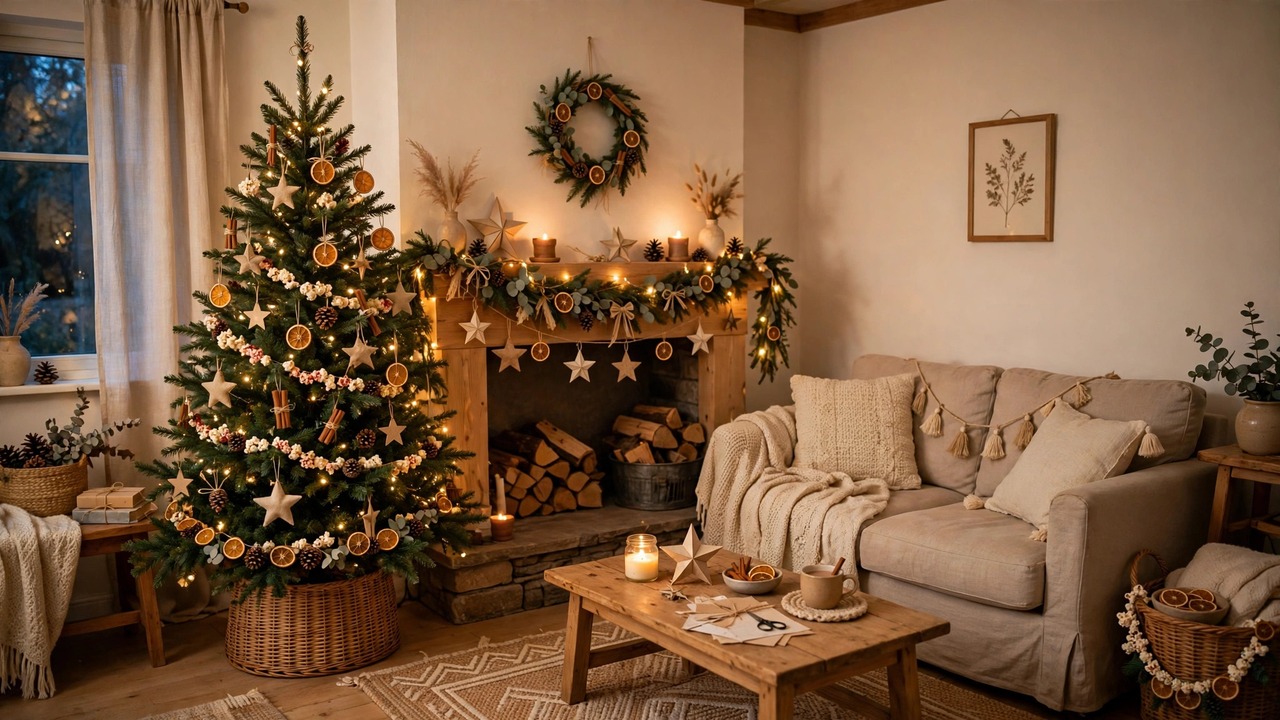
Choose one theme in a single sentence, for example "warm evening at home" or "simple festive gathering." Use that sentence to decide every decoration purchase. If an item does not fit the theme, skip it.
Lighting matters more than quantity. Warm lamps, candles in safe holders, and a tidy background create a festive feel without a large number of decorations.
Activities and Music
Plan one main activity and leave the rest optional. A shared game, a short music moment, or a simple photo time gives guests something to enjoy together without a rigid schedule.
Keep music at a level that allows conversation. A simple playlist, prepared in advance, avoids searching for music during the event.
A Practical Checklist to Copy
- Guest list confirmed
- Invitations sent with clear details
- Food and drink plan written down
- Seating and serving areas planned
- Decoration theme chosen
- One main activity planned
- Music playlist ready
- Simple cleanup plan ready
Related Finds
For a calm planning start, a few small, reusable touches can make the space feel festive without adding to the checklist.
- Cute Mushroom Table Lamp, Touch Control Dimmable Rechargeable
- Cute Mini Resin House, Fairy Garden Landscape Decor
- USB Sunset Projector Spotlight Lamp
Conclusion
Good Christmas planning is mostly about clarity: a clear guest list, a clear food plan, a clear theme, and a clear timeline. Keep the plan small, write it down, and leave room for the day to unfold naturally. Guests remember feeling welcome and unhurried far more than they remember a perfect table.