Introduction
Christmas is celebrated in many different ways around the world. While the festive season shares common themes of family, food, giving, and light, each culture adds its own customs, foods, music, and stories. Learning about these traditions is a simple way to appreciate the diversity of the season and to find inspiration for your own celebration.
This guide offers a gentle overview of traditions from different regions, without claiming that any single tradition represents a whole country or culture. Traditions vary by family, region, and community.
Common Themes Across Traditions
Despite differences, many Christmas traditions share similar ideas:
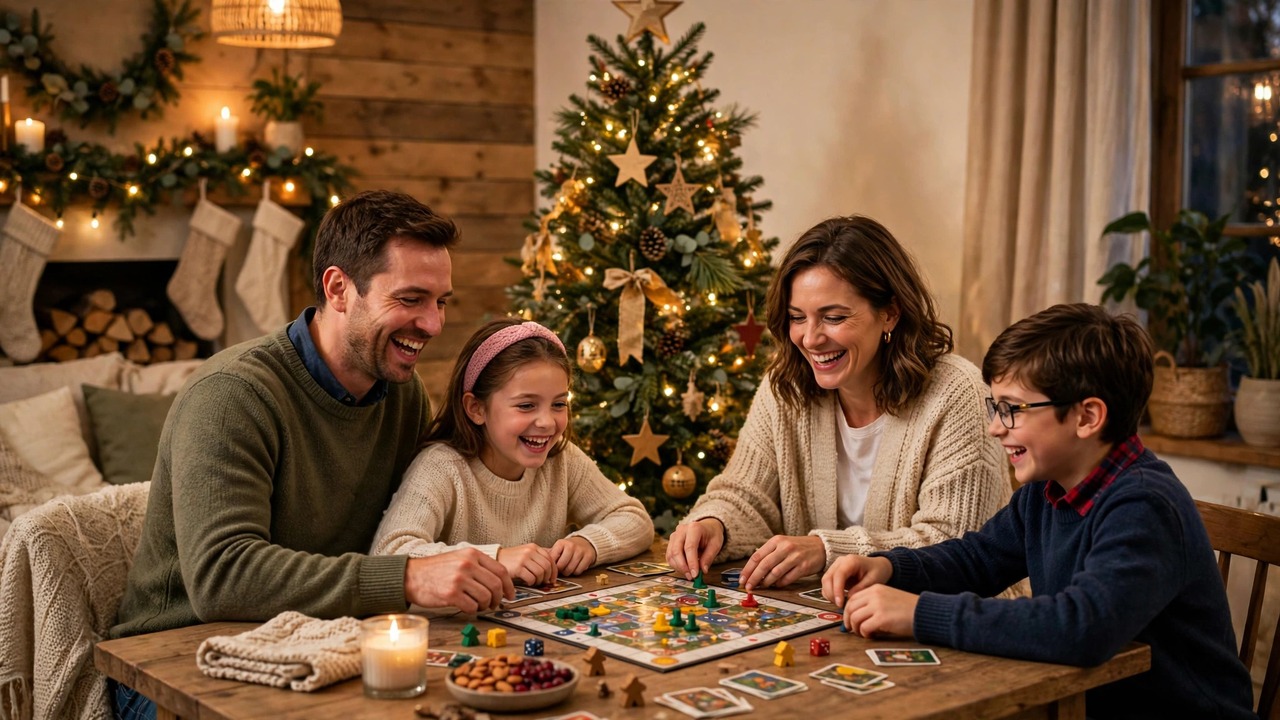
- Gathering with family and friends
- Sharing food prepared with care
- Giving gifts or small tokens of appreciation
- Decorating homes with light and natural greenery
- Music, singing, or storytelling
- A moment of reflection or gratitude
As an affiliate, EventBuzz may earn a commission on qualifying purchases at no extra cost to you.
These shared themes show why Christmas feels familiar even when the details differ greatly from place to place.
Northern and Central Europe
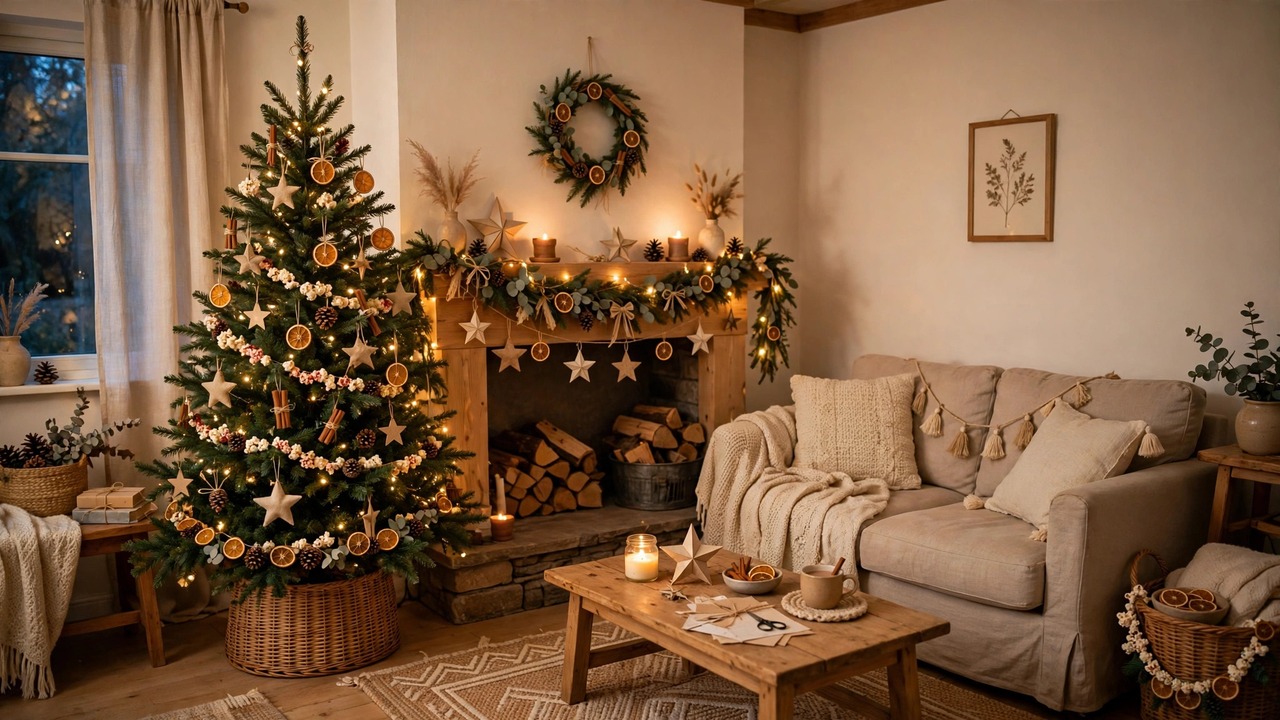
In many parts of Northern and Central Europe, Christmas markets, warm drinks, and candlelight are central to the season. Families often decorate homes with simple natural items, such as evergreen branches and candles, and gather for a festive meal.
Advent traditions, such as lighting candles over several weeks or opening a small daily calendar, help build anticipation gradually rather than focusing only on a single day.
Southern Europe
In Southern Europe, festive meals are often long, relaxed, and shared with extended family. Seafood, roasted meats, and sweet pastries vary by region, and the meal itself is often the main celebration, lasting well into the evening.
Nativity scenes, displayed in homes and public spaces, are a common tradition in many Southern European communities, often made with care and added to over years.
The Americas
In North America, traditions often include decorating a tree, exchanging gifts, and gathering for a festive meal. Music, from carols to popular festive songs, plays a large role, and many families have their own annual customs, such as watching a favourite film together or driving to see decorated homes.
In parts of Latin America, celebrations often include music, dancing, and community gatherings, with festive foods and processions that bring neighbours together. Family remains central, with celebrations often extending over several days.
Asia, Africa, and Oceania
In regions where Christmas is a smaller or newer celebration, it is often marked in a simpler, more personal way. In some communities, it is a time for church services, family meals, or small gifts. In others, it has become a festive season focused on light, decoration, and time with loved ones, adapted to local climate and customs.
In warmer climates, outdoor gatherings, beach meals, or evening celebrations under lights are common, showing how traditions adapt naturally to place and season.
Learning From Other Traditions
You do not need to adopt another culture's traditions wholesale to enjoy them. Small inspirations can enrich your own celebration:
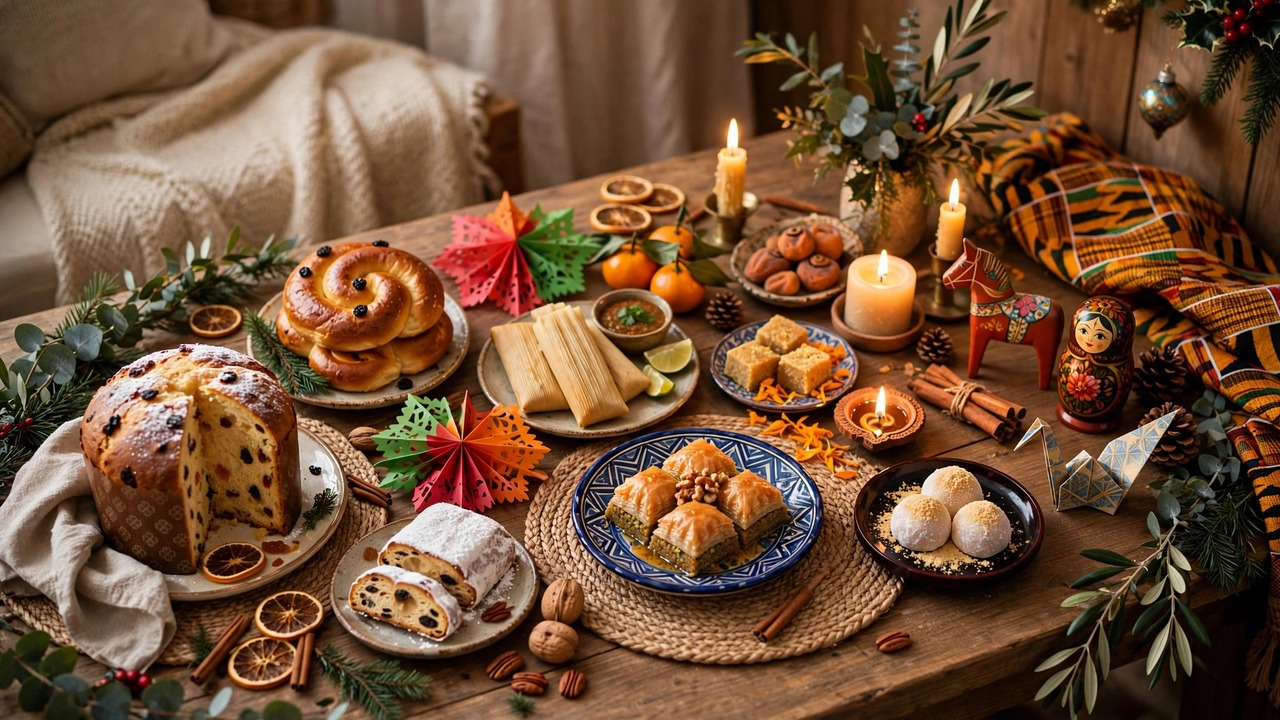
- Try a new festive dish from another region, adapted to ingredients you can find locally
- Add a simple new custom, such as a shared story time or a gratitude moment
- Learn a festive song or story from another tradition and share it with guests
- Decorate with a natural element inspired by another region, such as simple greenery or candles
The aim is appreciation and curiosity, not imitation. Respect the origins of traditions you explore, and adapt them thoughtfully.
Related Finds
Across traditions, light and small, thoughtful decoration are shared themes, and these fit that gentle, seasonal feel.
- Christmas Themed Cute Scented Candle Set Santa Claus Tree Snowman Gloves New Year Kerzen Room Table Decoration Atmosphere Items
- Cute Mini Resin House, Fairy Garden Landscape Decor
- USB Sunset Projector Spotlight Lamp
Conclusion
Christmas traditions around the world differ in food, music, decoration, and timing, but they share a common heart: gathering, generosity, and light in the darker season. Exploring these traditions can inspire your own celebration, help you understand other cultures better, and remind you that festive joy takes many beautiful forms.