Introduction
A Christmas menu works best when it is built around dishes you know well and can prepare without stress. A long, ambitious menu often leads to a tired host and a rushed meal. A shorter menu, planned in advance, leaves time to enjoy the food and the company.
This guide helps you plan a Christmas menu that is simple, balanced, and enjoyable to prepare.
Start With What You Know
Choose dishes you have made before and that you enjoy cooking. Christmas is not the best time to try many new recipes at once. If you want to try something new, limit it to one dish and keep the rest familiar.
Write the full menu down, including drinks and dessert. A written menu helps you shop accurately and prepare in stages.
Balance the Menu
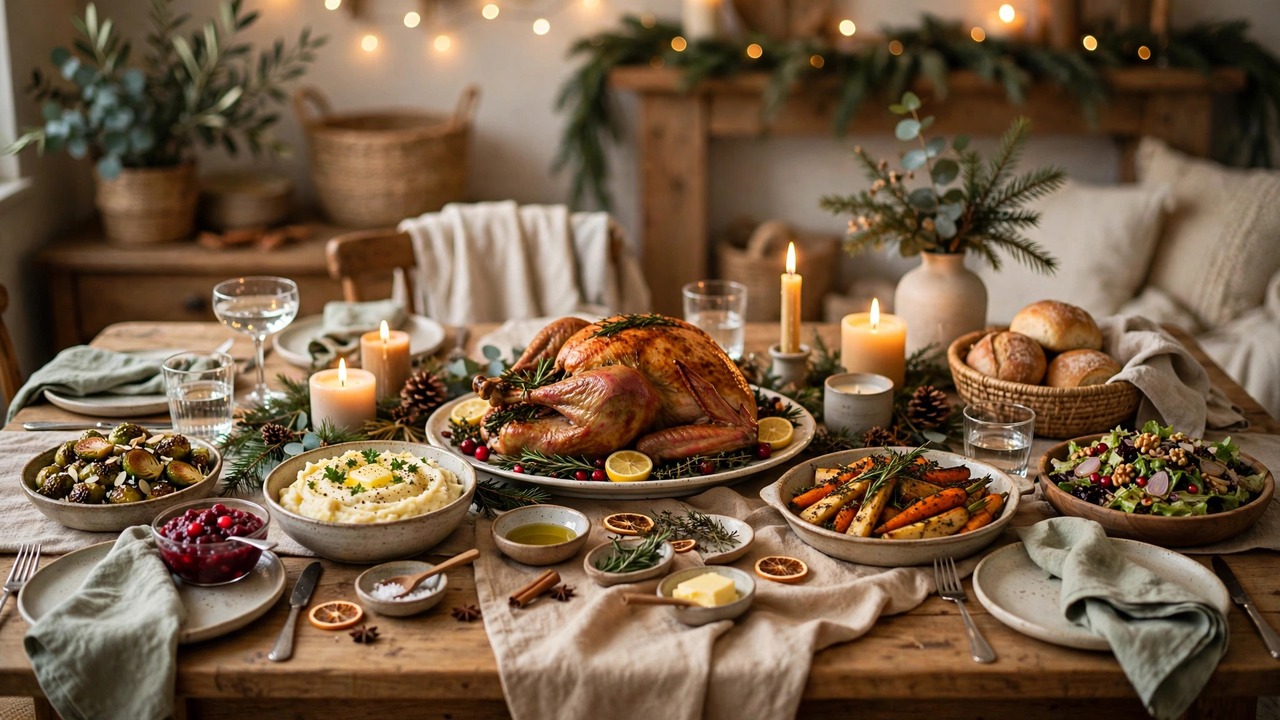
A balanced menu usually includes:
- One main dish, chosen for your guests and your cooking confidence
- Two or three simple sides that complement the main dish
- One fresh element, such as a salad or simple vegetables
- One dessert, plus a simple alternative such as fruit
- Drinks, including water and a non-alcoholic option
As an affiliate, EventBuzz may earn a commission on qualifying purchases at no extra cost to you.
Balance does not mean abundance. A few well-prepared dishes feel better than a crowded table of half-finished ones.
Consider Dietary Needs
Ask guests in advance about dietary needs, allergies, or preferences. Keep at least one simple option for common needs, and label dishes clearly at serving time. This small step makes guests feel welcome and avoids awkward moments at the table.
If you are unsure about a dietary need, choose a simple, clearly labelled dish rather than guessing about ingredients.
Plan Preparation in Stages
Break preparation into stages to avoid doing everything on the day:
- Early stage: shopping list, non-perishable items, and any dishes that can be prepared and stored safely
- Middle stage: preparation that can be done a day ahead, such as chopping, marinating, or baking
- Final stage: cooking, reheating, and plating on the day
A staged plan keeps the kitchen calm and gives you time to set the table and welcome guests.
Shopping and Quantities
Shop from your written menu, not from memory. Buy quantities based on your guest number, with a small margin for extra servings, but avoid buying far more than needed. Leftovers are useful, but excessive leftovers create waste and extra storage work.
Check what you already own before shopping: spices, oils, baking supplies, and serving dishes. This simple check saves time and money.
Serving and Timing
Plan serving order in advance: starters if any, main dish, sides, dessert, and drinks. Keep serving areas tidy and drinks within easy reach. If guests are helping themselves, arrange food in a clear order so serving flows smoothly.
Aim to finish cooking before guests sit down where possible, so you can join the meal rather than remaining in the kitchen throughout.
Related Finds
A relaxed menu is easier with a few practical kitchen basics, for preparation, measuring, and storing leftovers safely.
- Portable USB Rechargeable Blender
- Precision Digital Kitchen Scale, 5kg/10kg Capacity, LCD Display, Multi-Unit g/oz/lb, Battery Operated, Auto Shut-Off
- [Glass Food Storage] 16pcs Glass Container
Conclusion
Good Christmas menu planning is simple: choose familiar dishes, balance the menu, consider dietary needs, and prepare in stages. A calm kitchen leads to a relaxed meal, and a relaxed meal is what guests remember most.