Toddler gifting looks easy and is quietly technical. A one to three year old is developing at a speed no other age matches, explores the world mouth first, and has strong opinions delivered at high volume. This guide to christmas gifts for toddlers for 2026 is organized by developmental stage rather than by toy category, and safety is not a section here; it is the filter every single idea has already passed through.
There is no shop section in this guide, deliberately: toddler safety depends on the exact product, its age grading and its materials, so we cover the ideas editorially and urge you to buy from sellers whose safety labeling you can verify in person or on the listing. For older children, see our gifts for kids by age guide and the tweens guide; for babies, our baby’s first Christmas guide covers the keepsake end of the scale.
Safety First: The Checks That Matter Most
Before any toddler gift charms you, run the safety checks. Follow the manufacturer’s age grading and treat it as expertise, not marketing: toys graded three plus often contain parts sized for older children. Anything that fits through a toilet paper roll is a choking hazard for under threes. Check for button batteries and strong magnets in any toy, both genuine medical emergencies if swallowed, and make sure battery compartments screw shut.
Inspect construction the way a toddler will test it: pull at seams, eyes and wheels, because they will. Avoid long cords and strings, latex balloons among the most dangerous common objects for this age, and any paint or finish that looks likely to flake. Buy from reputable sellers, keep receipts, and register or note the maker so recall news can reach you. No gift is delightful if it is not safe first.
Ages One to Two: Push, Stack, Bang, Repeat
The youngest toddlers are mastering movement: pulling up, cruising, first steps, then running before the brakes develop. Gifts that match this stage include sturdy push toys with wide bases, large stacking and nesting toys, simple shape sorters with big pieces, and balls sized for small hands. Everything should be washable, because everything will be mouthed, dropped in food and carried everywhere.
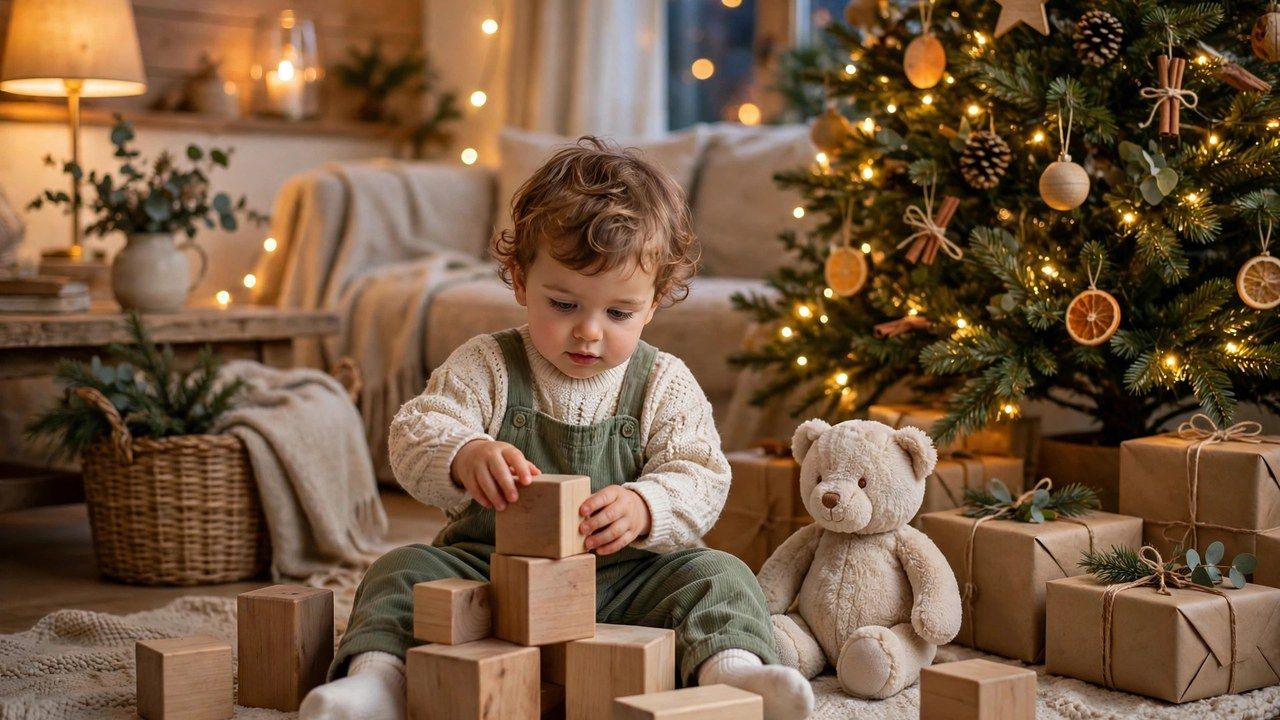
At this age, repetition is learning, so a toy that does one thing satisfyingly beats a noisy electronic hub doing twenty things confusingly. Simple beats smart: no app pairing, no small accessories, no volume that cannot be turned down. A set of big wooden blocks or large soft blocks will be played with daily for two years, which no novelty toy at this age can claim.
Ages Two to Three: First Pretend and First Words
Two year olds add pretend play and language at astonishing speed, and gifts can feed both. A simple play kitchen with a few large accessories, chunky pretend tools, dolls and stuffed animals sized for carrying, and push along vehicles all support the stories they are starting to tell. Dress up pieces should be simple, with no small fasteners or long ties.
Books become major gifts now: board books with real photographs or clear illustrations, lift the flap books for interaction, and short rhyming stories they will demand nightly. A toddler’s repeated book is not a failure of variety; repetition is how language locks in. Give the book they will ask for forty times, and give the parents your sympathy along with it.
Open-Ended Toys: The Ones That Last for Years
| Open-ended gift | What it builds | Why it lasts |
|---|---|---|
| Large blocks | Stacking, balance, first engineering, sharing | The play changes as the child grows |
| Play kitchen and food | Pretend, language, social scripts | New stories every month for years |
| Push and ride toys | Strength, coordination, confidence | Used daily, indoors and out |
| Art basics: fat crayons, big paper | Fine motor skills, expression | Consumable, creative, screen free |
| Board books | Language, routine, bonding | Reread hundreds of times |
The pattern in the table is the toddler gift principle: one toy, many games. Open-ended toys grow with the child because the child supplies the novelty. Closed toys, especially single purpose electronic ones, entertain briefly and then have nothing left to say. When relatives ask what to buy, this table is the list to send them.
Movement Gifts for Small Bodies and Small Homes
Toddlers need to move the way adults need coffee, and movement gifts save household sanity in winter. Soft indoor climbing shapes, a small slide rated for their age, tunnels to crawl through and ride on toys that scoot all channel the energy productively. Check the footprint honestly against the family’s space; a generous gift that consumes the living room is a burden wearing a bow.
Outdoor movement gifts, a first balance bike for the older toddler end, a push trike with a parent handle, a bucket and tools for digging, suit families with gardens and mild winters. Always pair wheeled gifts with a properly fitted helmet chosen with the parents, because sizing a helmet by guesswork is exactly how good intentions go wrong.
Gifts Parents Will Genuinely Thank You For
The most appreciated toddler gifts often help the household: sturdy storage the child can use themselves, a contribution toward the next size of shoes or winter gear, a set of their everyday consumables dressed up as a gift, or the gift of time, a standing offer of a Saturday morning so the parents can rest. Ask the parents what stage is coming next and gift slightly into it.
Coordinate with the parents for anything large, loud or numerous. Toddlers do not need quantity; five relatives each giving a big plastic toy creates a January problem in a small home. A family agreement, one main gift, books and consumables around it, produces a calmer Christmas and a calmer home. Our gifts for new parents guide extends this same kindness first thinking.
What to Avoid, Plainly
Avoid toys with small detachable parts, button batteries in unsecured compartments, strong loose magnets, long strings, and anything graded for older children however advanced the toddler seems. Avoid adult style collectibles, fragile items and toys so loud they cannot be quieted. Avoid clothing in guessed sizes beyond the generous end, and never gift a pet, live animals are family decisions, never surprises.
Also avoid the duplicate trap: the famous toy of the season bought by three relatives independently. A quick family message thread in November, who is buying what, prevents the pile of identical gifts and frees budget for the open-ended classics that actually get used.
Honest Pros and Cons of Simple Gifts
Pros: simple, open-ended gifts are safer, last for years, develop real skills and never need batteries or updates. Cons: they photograph less dramatically and can look plain next to flashing novelty gifts on Christmas morning. Accept the trade. By February the simple gifts are the household’s daily infrastructure and the flashing ones are silent in a cupboard, and every parent knows which giver understood their child.
Conclusion
Safe, simple and delightful is a complete toddler strategy: check the age grading and the small parts, match the gift to the developmental stage they are in this month, choose open-ended toys that grow, and coordinate with the parents on anything large. The toddler will not remember the price or the brand. They will remember, in their bodies, a toy that fit their hands and their stage perfectly.