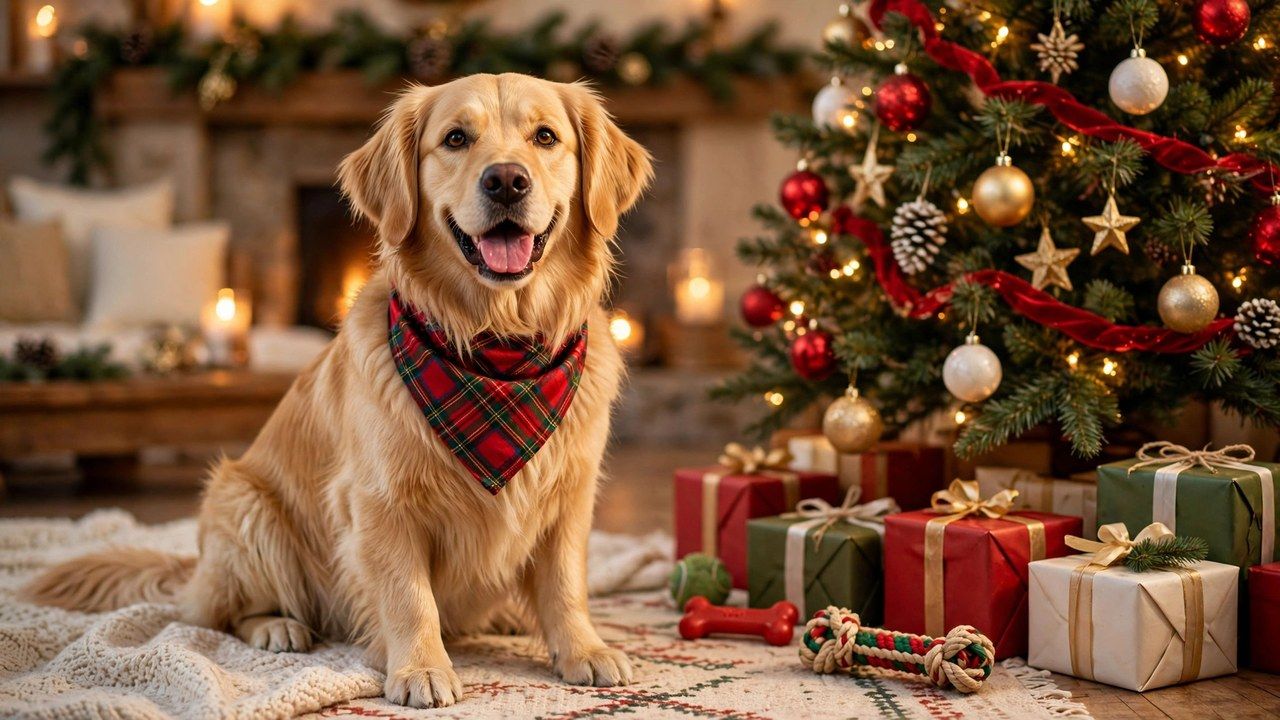
Dogs may not understand Christmas, but they absolutely understand a new toy, a special treat and a household in a generous mood. Surveys this season suggest most dog owners buy their dog a present, and the best dog Christmas gifts are the ones chosen like you would choose for any family member: matched to their size, their chewing style and their health. This guide to dog christmas gifts for 2026 covers treats, toys and festive extras, with safety guidance woven through every section, because the most loving gift is one that cannot hurt them.
If you are also shopping for a feline housemate, our Christmas gifts for cats guide takes the same safety first approach for cats. And if your dog features in the family photos this year, the Christmas photo ideas guide has tips for getting pets into the frame without chaos. Start here with the rule that governs everything below: supervise first play, read every label, and when a product and your dog disagree, the dog wins.
Start With Your Dog, Not the Display
Pet store holiday displays are built for human eyes: red, plush and adorable. Your dog experiences gifts through mouth feel, smell and durability, so shop from their profile instead. Note three things before you buy anything. First, size and breed, because a toy safe for a retriever can be a choking hazard for a terrier. Second, chewing style: gentle carriers, enthusiastic shredders and power chewers who dismantle toys in minutes each need completely different construction. Third, health: age, weight, dental condition and any allergies or a sensitive stomach narrow the treat list fast.
Puppies and senior dogs sit at opposite ends of the same caution. Puppies teethe and explore with their mouths, so they need soft, purpose made puppy toys and nothing small enough to swallow. Seniors often have worn teeth and slower digestion, so softer chews and gentler treats suit them better than the rock hard options marketed to power chewers. When you know your dog’s profile, the rest of this guide becomes a filter instead of a gamble.
Treats: The Gift They Smell First
Treats are the easiest dog gift to get right and the easiest to get wrong. Get them right by reading the ingredient list the way you would your own food: a named protein first, a short list you recognize, and no vague byproduct language. Get them wrong by buying novelty shaped biscuits loaded with sugar, artificial color and fillers just because they look like candy canes. Dogs do not care what a treat looks like. They care how it smells and tastes, so a simple, high quality treat beats a festive shaped mediocre one every time.
Safety specifics matter here. Avoid treats containing xylitol, also listed as birch sugar, which is extremely toxic to dogs and appears in some sugar free human foods. Avoid cooked bones of any kind, which can splinter, and be cautious with very hard chews for dogs with weak teeth. Rawhide divides opinion among vets because of blockage risk when large pieces are swallowed, so many owners choose digestible alternatives instead. Introduce any new treat in a small amount first and watch digestion for a day, and keep holiday treats to a small share of daily calories, because January weight gain is as real for dogs as for people.
Toys by Chewing Style
Gentle players who carry toys around and sleep with them do well with plush toys, including festive shapes, as long as seams are strong and any squeaker is well enclosed. Enthusiastic shredders need toys designed to be deconstructed safely, like layered puzzles and rope toys you supervise, because the shredding itself is the fun. Power chewers need dense rubber or nylon toys rated for strong chewers, sized generously so they cannot fit entirely in the mouth. A toy that is too small is the single most common buying mistake, so when between sizes, always size up.
Whatever the style, the first session with a new toy should be supervised. Watch how pieces come off, whether stuffing gets pulled and eaten, and whether your dog tries to swallow fragments. Retire any toy that breaks into small pieces, loses chunks, or gets small enough to fit fully in the mouth. A gift rotation also helps: put half the new toys away and swap them weekly, and Christmas toys stay exciting well into the new year. For outdoor play ideas, our outdoor lighting ideas can help you light the evening garden session safely.
Puzzle Toys and Enrichment Gifts
The most underrated dog Christmas gifts are the ones that give them a job. Lick mats spread with a little plain yogurt or pumpkin puree, snuffle mats that hide treats in fabric folds, and food puzzle toys that release kibble slowly all turn ten frantic seconds of eating into ten calm minutes of problem solving. Enrichment gifts are especially kind for dogs who get anxious when visitors arrive, routines change and furniture moves for the tree, which is to say, most dogs in December.
Choose difficulty honestly. A beginner puzzle for a dog new to enrichment builds confidence, while a puzzle that is too hard just creates frustration and a chewed up toy. Start easy, let them win, and increase difficulty over the following weeks. Enrichment also protects your celebrations: a dog happily working a lick mat during dinner is a dog not counter surfing the Christmas dinner preparations.
Festive Extras: Bandanas, Beds and Blankets
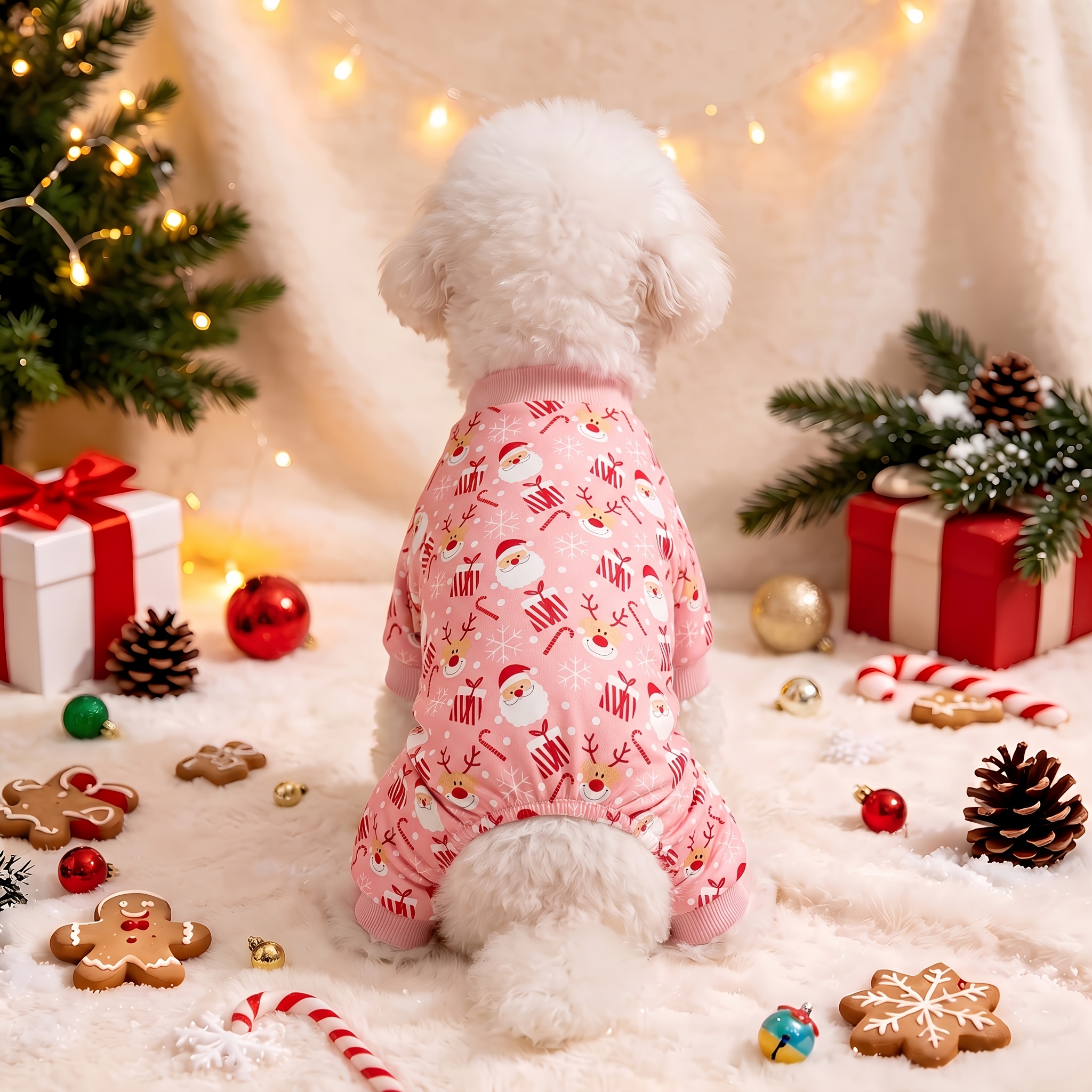
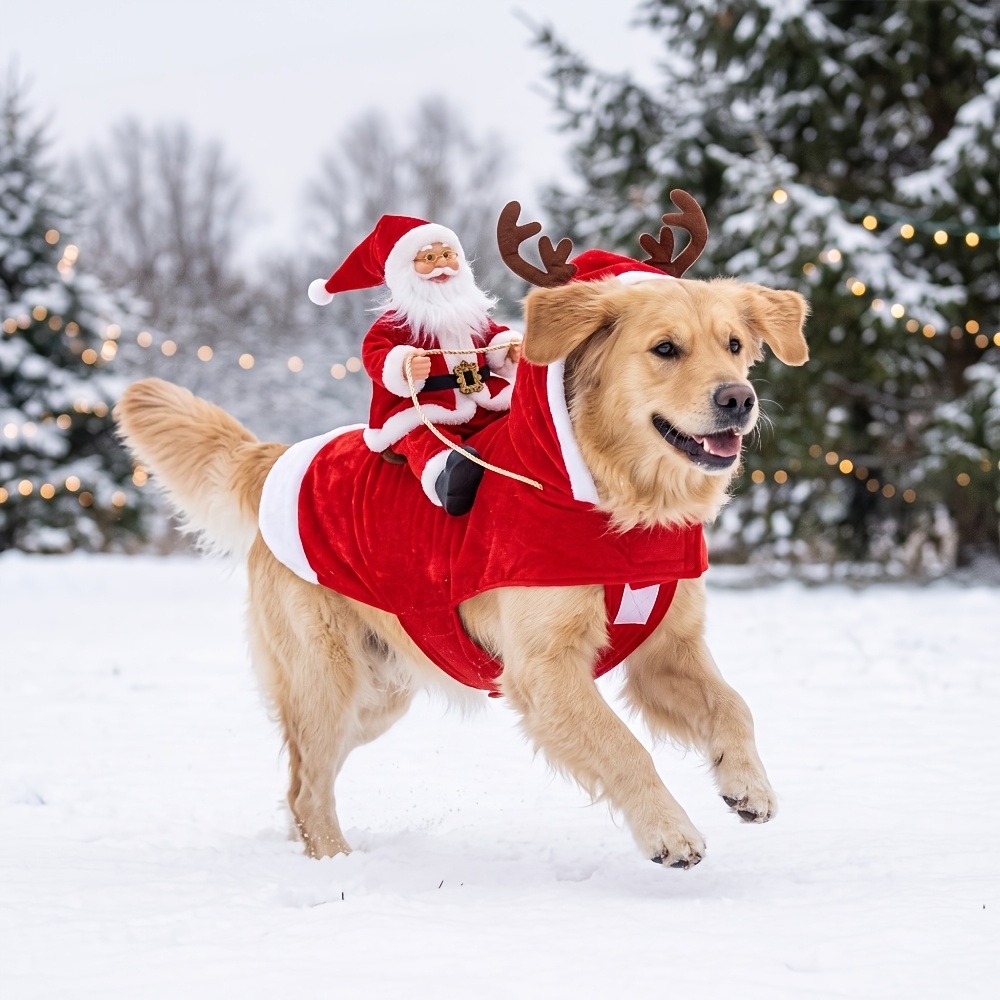
Not every gift needs to be eaten or destroyed. A festive bandana or a well fitted holiday sweater gives you the photo you want and gives the dog nothing to chew, provided the fit is loose, breathable and easy to remove the moment they seem bothered. Never force clothing on a dog who freezes, scratches at it or tries to roll it off; some dogs love dressing up and some plainly do not, and both answers deserve respect. Antlers and headpieces should be brief photo props only, never left on unsupervised.
Comfort gifts last longest of all. A new bed placed near, but not under, the tree gives your dog a sanctioned spot in the middle of the celebration instead of exile from it. A washable blanket of their own also helps in January, when the decorations vanish and routines normalize. If your dog sleeps in your room, our Christmas bedroom decor guide shows how to fold a dog bed into a festive bedroom without tripping over it.
Gifts for the Dog Walker and the New Puppy Owner
Some of the best dog gifts are really gifts for the human dog team. A hands free leash for winter walks, a reflective lead for dark December evenings, a treat pouch that clips to a coat, or a paw washer cup for muddy returns all get used daily. For someone who got a puppy this year, a starter bundle of puppy safe chews, an extra washable blanket and a gentle training treat pouch is more welcome than any single novelty toy.
Experience gifts work for dogs too. A voucher style promise is not something a dog can unwrap, but booking a secure field for an off lead run, planning a beach day in the spring, or simply committing to a long festive walk every day of the holiday week gives them the only currency they truly value, which is time with you. Our Christmas Eve traditions guide includes simple ways to fold pets into the evening.
A Safety Checklist Before You Wrap Anything
Run every dog gift through this filter before it goes under the tree. One: sized for your dog, with nothing that fits wholly in the mouth. Two: no small detachable parts, glued on eyes, bells or buttons that can be chewed off and swallowed. Three: treat ingredients read in full, with no xylitol, no cooked bones and no mystery fillers. Four: tinsel, ribbon and wrapping kept entirely out of reach, because swallowed ribbon is a veterinary emergency, not a funny story. Five: first play supervised, and any damaged toy removed immediately.
Also mind the house itself. Keep chocolate, grapes, raisins, macadamia nuts and rich fatty scraps away from dogs during the celebrations, store guest medications out of reach, and give your dog a quiet retreat room during parties. A gift guide can only do so much; the safest Christmas present is an owner who has thought ahead. If anything is swallowed that should not be, contact your vet promptly rather than waiting to see.
Honest Pros and Cons of Novelty Dog Gifts
Pros: festive dog gifts include your dog in the family ritual, novelty shapes make wonderful photos, and holiday ranges often bundle toys and treats at friendly prices. Cons: novelty construction is often weaker than everyday ranges, themed treats can prioritize looks over ingredients, and dogs genuinely do not care that a toy is shaped like a reindeer. Buy the quality first and let the festive version win only when quality is equal, and your dog will never know the difference while staying far safer.
Conclusion
The best Christmas gift for a dog is a considered one: a treat with ingredients you have actually read, a toy matched to how they really chew, something that gives their brain a job, and a comfortable place to enjoy it all near the family. Wrap it if you like, supervise the first play, and enjoy the one family member whose joy at a gift is never, ever performed.