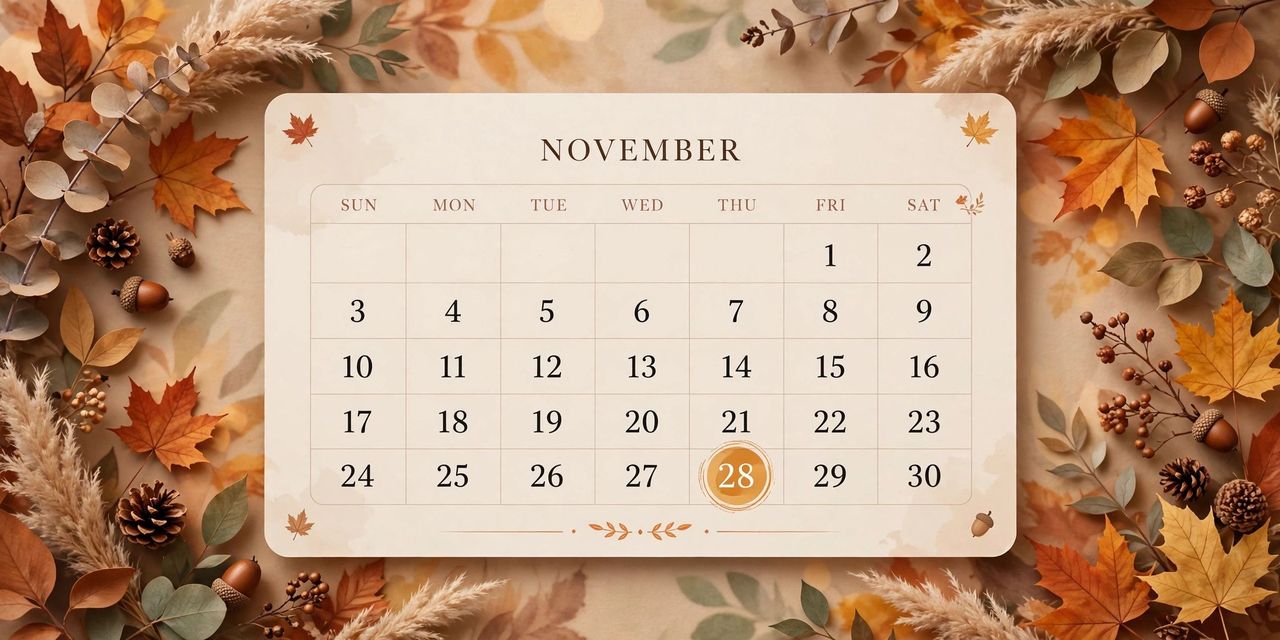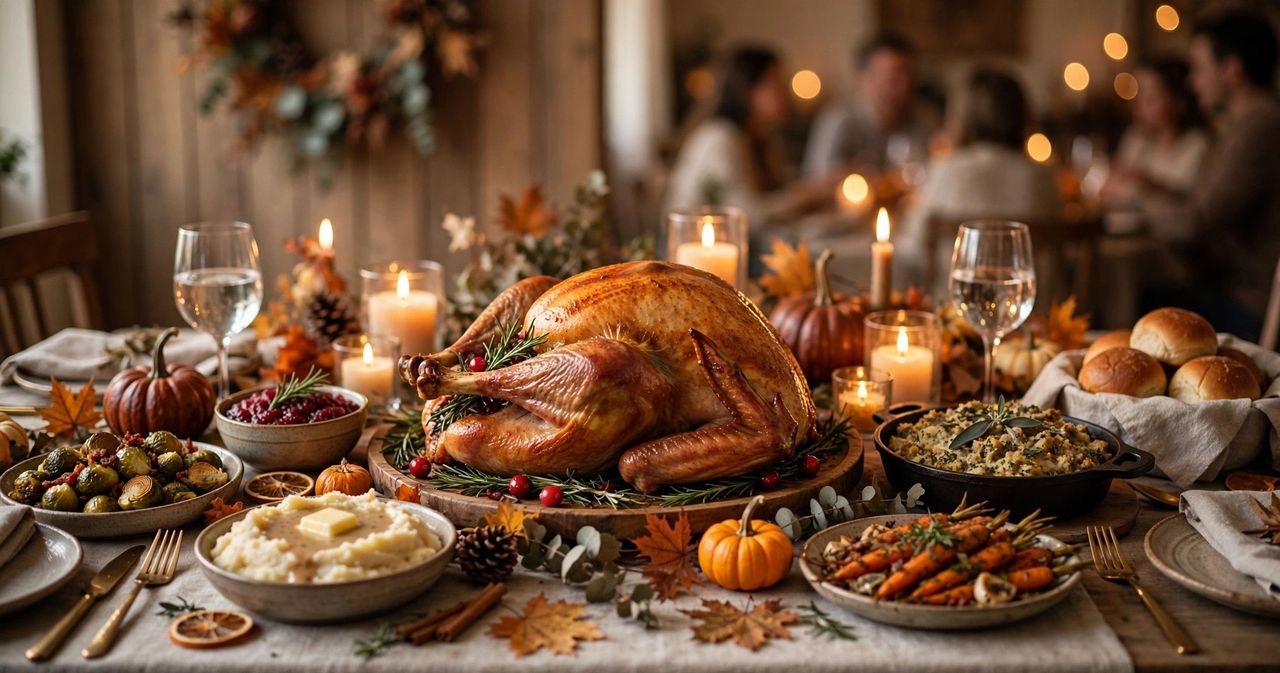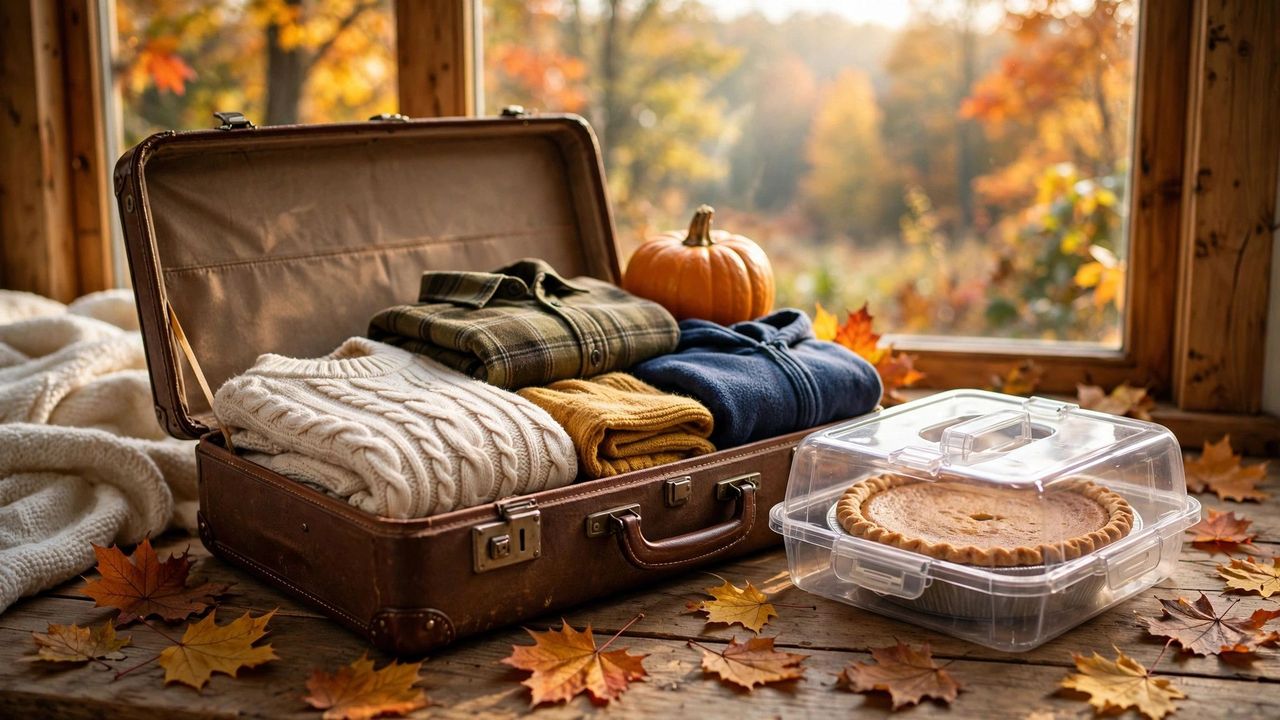
Thanksgiving week is one of the busiest travel periods of the year in the United States, with millions of people heading home for the holiday. Whether you are flying across the country or driving a few hours, the same rules apply: book early, build in buffer time, and expect crowds. With Thanksgiving falling on November 26 in 2026, here is how to plan flights, survive the airport, handle the drive, and get your famous pie there in one piece.
When to Book & When to Fly
- Book flights early: For Thanksgiving week, booking 6 to 8 weeks ahead generally gets you the best combination of price and schedule choice. Waiting until November means higher fares and worse flight times.
- Fly on Thanksgiving Day itself: Flights on Thursday morning are often cheaper and noticeably less crowded — and you can still make an evening dinner.
- Avoid the Wednesday crush: The day before Thanksgiving is traditionally the single busiest travel day. If you must fly Wednesday, take the earliest flight you can.
- Return Saturday, not Sunday: Sunday after Thanksgiving is the busiest return day. Flying Saturday or even Monday usually means lower fares and shorter lines.
- Consider nearby airports: A smaller regional airport an hour away can mean cheaper fares and far shorter security lines.
Airport Survival for Peak Travel
- Arrive earlier than usual: Give yourself at least 2 hours for domestic flights during Thanksgiving week, 3 for international. Security lines are at their longest.
- Pack light and carry on: A carry-on bag eliminates the baggage carousel wait and the risk of lost luggage ruining your trip.
- Charge everything: Bring a portable charger. Outlets are contested territory at crowded gates.
- Bring snacks and an empty water bottle: Airport food lines are long and prices are high. Fill the bottle after security.
- Know your rights: If your flight is cancelled or significantly delayed, you are entitled to rebooking or a refund. Ask the airline about meal and hotel vouchers for long delays.
Driving on Thanksgiving Week
- Leave early or late: Wednesday afternoon and evening have the worst traffic. Leaving Wednesday morning — or even Tuesday — saves hours.
- Check the car now: Tires, brakes, fluids, battery, and wipers. Late November weather can turn fast in many regions.
- Pack a winter emergency kit: Blanket, flashlight, phone charger, snacks, water, and a basic first-aid kit. Especially important for northern routes.
- Share the driving: Long holiday drives after a big meal are a recipe for drowsy driving. Split shifts and take breaks every couple of hours.
- Watch the weather: Check forecasts for both your route and destination starting a few days out, and have a backup plan if a storm is coming.
Packing & Transporting Holiday Food
- Know the TSA food rules: Solid foods like pies, turkeys, and casseroles can go through security in carry-on bags. Gravy, cranberry sauce, and other liquids or gels must follow the 3.4-ounce rule unless checked.
- Use a hard-sided cooler: For driving, a cooler with ice packs keeps dishes at safe temperatures for hours. Perishable food should not sit at room temperature for more than 2 hours.
- Transport pies flat: Place pies in a box or on a flat surface in the trunk or back seat, never stacked. A little non-slip shelf liner underneath prevents sliding.
- Freeze what you can: Dishes like casseroles and pie dough travel better frozen and can thaw at your destination.
- Label everything: Mark dishes with reheating instructions so your host knows what goes in the oven and for how long.
Hotels, Pets & Backup Plans
- Book hotels early: Hotels near popular family destinations fill up for Thanksgiving week. Book when you book your flights.
- Pet plans: Arrange boarding or a pet sitter weeks ahead — they book up for holidays fast. If driving with pets, pack their food, medications, and a familiar blanket.
- Have a Plan B: Keep your host's phone number handy, know the nearest hotel to their house, and consider travel insurance for expensive trips.
- Build in a buffer day: If possible, arrive a day before the main event and leave a day after. The extra day turns a frantic trip into a real visit.