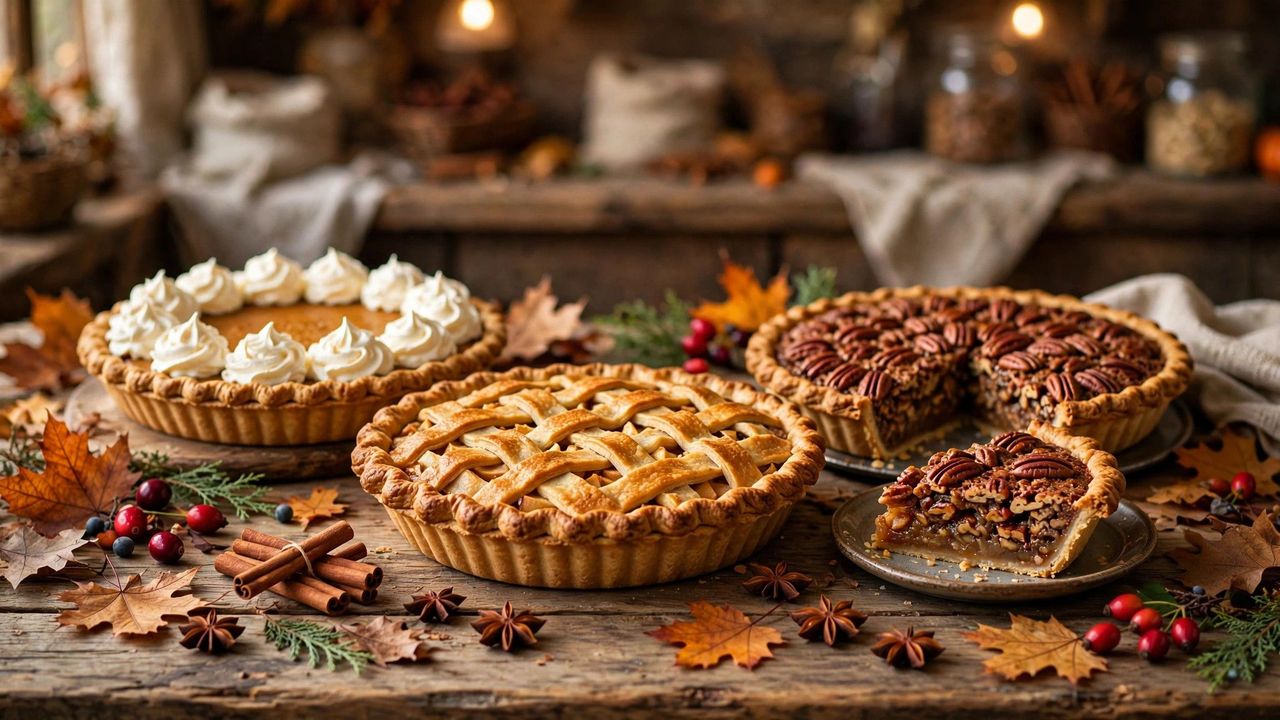
A good Thanksgiving pie is mostly a good crust. The filling can be perfect, but a tough, soggy, or shrunken crust will be what guests remember. The good news is that crust technique is simple once the reasons behind it are clear: cold fat makes layers, resting prevents shrinking, and baking long enough sets both crust and filling. Use these Thanksgiving pie baking tips for flaky crusts, blind baking and everyday fixes, whether the pie filling is pumpkin or apple.
Think of pie baking as a sequence, not a single skill. Make the dough, rest it, roll it, line the dish, chill it again, fill it, and bake it until it is truly done. Rushing any one step shows up later, usually as shrinking or a pale, soft base. The Thanksgiving pie recipes collection gives you pies to practise on, and the Thanksgiving apple desserts guide shares the same dough skills in galettes and crisps.
Flaky Crusts: Cold, Light and Rested
Flakiness comes from small pieces of cold butter or shortening left visible in the dough. In a hot oven those pieces melt, release steam, and leave thin layers behind. If the fat melts into the flour before baking, the layers never form. Keep the fat cold, use cold water, and work on a cool surface. If the kitchen is warm, chill the dough more often, even between rolling and lining the dish.
Handle the dough as little as possible. Mix until it just holds together when pressed, gather it into a flat disc, wrap it, and rest it in the refrigerator. Resting lets the flour absorb the water and relaxes the dough so it does not shrink in the oven. When rolling, roll from the centre outward, turn the dough often, and lift it gently rather than stretching it. Stretching is the main cause of a crust that pulls away from the dish as it bakes.
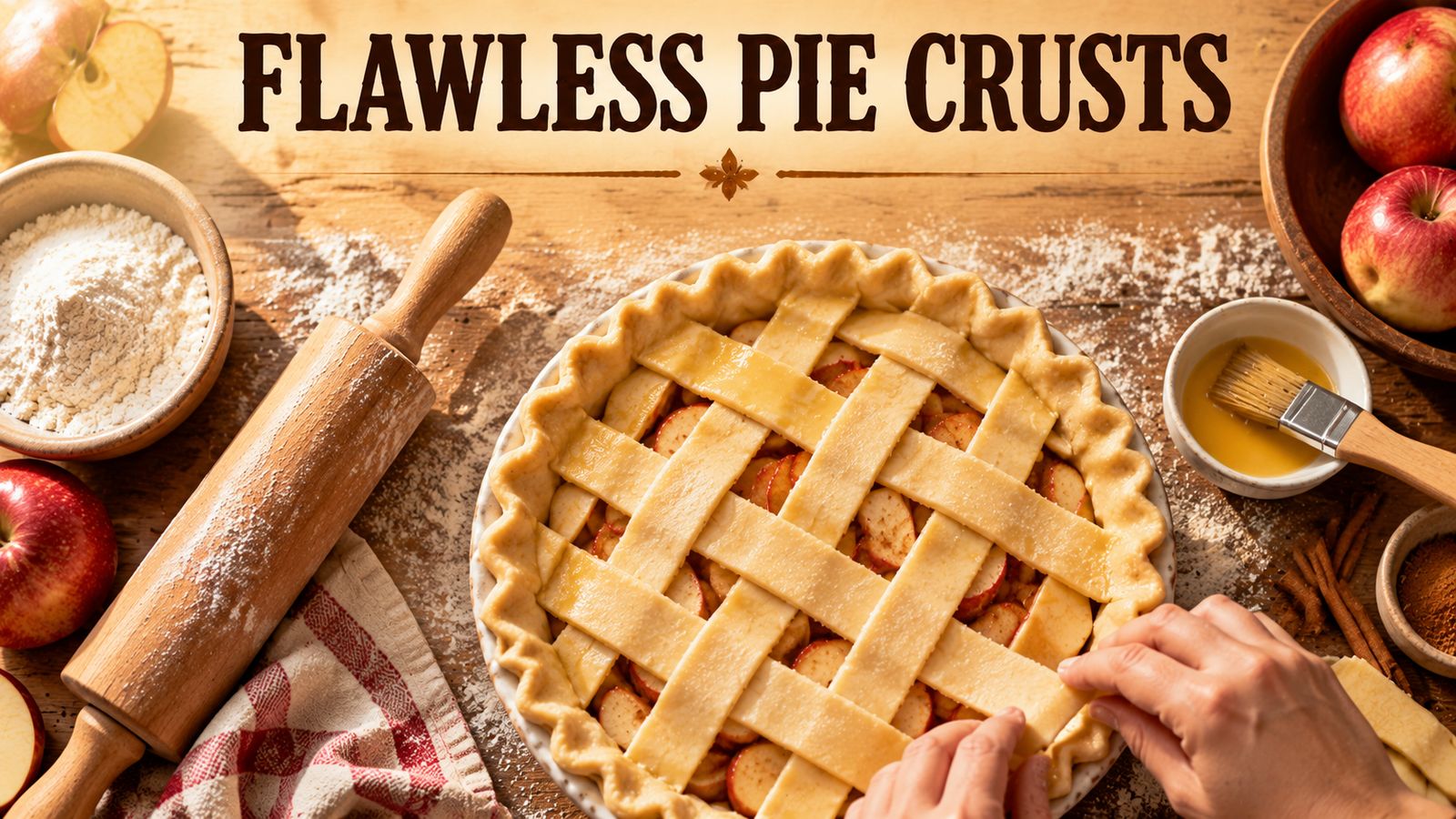
For the top, choose the finish that suits the pie. A full top crust holds in steam and needs vents cut for steam to escape. A lattice looks festive and lets steam out naturally, and it also lets you see when the filling bubbles. A crumb topping is the most forgiving option and suits fruit pies well. Whichever top you choose, brush the edge with water or milk where two pieces of dough meet so they seal.
Blind Baking, Step by Step
Blind baking means baking the crust before the filling goes in. It is essential for pies with no-bake fillings, such as cream pies, and very helpful for wet fruit fillings that would otherwise leave a soggy base. Line the chilled dish with dough, trim and crimp the edge, and prick the base lightly with a fork.
Line the dough with baking paper and fill it with pie weights, dried beans, or rice so the base stays flat and the sides do not slump. Bake until the edge is set and lightly coloured, then remove the paper and weights and bake a little longer until the base looks dry and lightly golden. For a fully baked shell, keep baking until the base is golden all over. For a partially baked shell that will return to the oven with filling, stop when the base is set but still pale.
Watch the sides most of all. If the sides slump, the dough was probably too warm or was stretched into the dish. Next time, chill the lined dish until firm before baking and leave a little extra dough standing above the rim, since it will settle as it bakes. A metal or glass dish browns the base more reliably than a ceramic dish that heats slowly.
Pie Baking Timing, Temperature and Doneness
Start most pies in a hot oven so the crust sets quickly, then reduce the heat to finish the filling gently if the recipe calls for it. Bake on a lower rack so the base gets direct heat. A fruit pie is done when the filling bubbles visibly through the vents or lattice, not merely when the top looks golden. A custard pie is done when the centre still trembles slightly, because it will finish setting as it cools.
Cooling is part of baking. Fruit pies need several hours to cool and set, and slicing too early is a common reason for runny servings. Custard pies should cool at room temperature and then chill if they will be served cold. Keep finished pies covered once cool, and refrigerate cream and custard pies promptly. The pumpkin pie alternatives guide applies the same cooling rule to cheesecakes and tarts.
Fixes for Common Pie Problems
Most pie problems have a simple cause and a simple fix. Use the list below to diagnose what happened, then change one thing next time rather than changing the whole recipe.
Fixes for common pie problems. (1) Soggy bottom: bake on a lower oven rack, use a metal or glass pie dish, and blind bake the base for wet fillings. (2) Shrinking crust: rest the dough after rolling, do not stretch it into the dish, and chill the lined dish before baking. (3) Tough crust: keep butter and water cold, handle the dough as little as possible, and stop mixing as soon as it holds together. (4) Burnt edges: shield the rim with foil or a pie shield once the edge is golden, while the centre finishes baking. (5) Runny filling: thicken fruit with flour or cornflour, bake until the filling bubbles, and cool the pie fully before slicing. (6) Cracked top: avoid overbaking custard pies, cool them gradually, and accept small cracks on a pie that will be served with cream. (7) Pale crust: brush with milk or beaten egg, sprinkle with sugar, and bake until the colour is a deep golden brown. (8) Lattice tearing: keep lattice strips cold, work quickly, and patch small tears with a spare strip pressed gently into place.
Make-Ahead Pie Plan
Pie dough freezes well, so make a double batch early in the week and freeze discs wrapped tightly. Thaw a disc in the refrigerator overnight before rolling. Fruit pies can be assembled and frozen unbaked in some cases, then baked from frozen with extra time, but check the specific recipe first, because custard fillings do not freeze unbaked in the same way.
Bake fruit pies the day before if the oven is busy on Thanksgiving, and reheat slices gently or serve at room temperature. Cream pies should be finished on the day, with the shell baked ahead and the filling and topping added closer to serving. Label each pie with its flavour and any allergens, especially nuts, so serving is calm and safe.
Conclusion
Great pie baking is patient pie baking: cold dough, a rested crust, a properly blind-baked base, and a full bake until the filling bubbles. Learn those four habits and the fixes above will rarely be needed. Your Thanksgiving pies will slice cleanly, hold their shape, and taste as good as they look.
Shop the Look: Pie Baking Tools
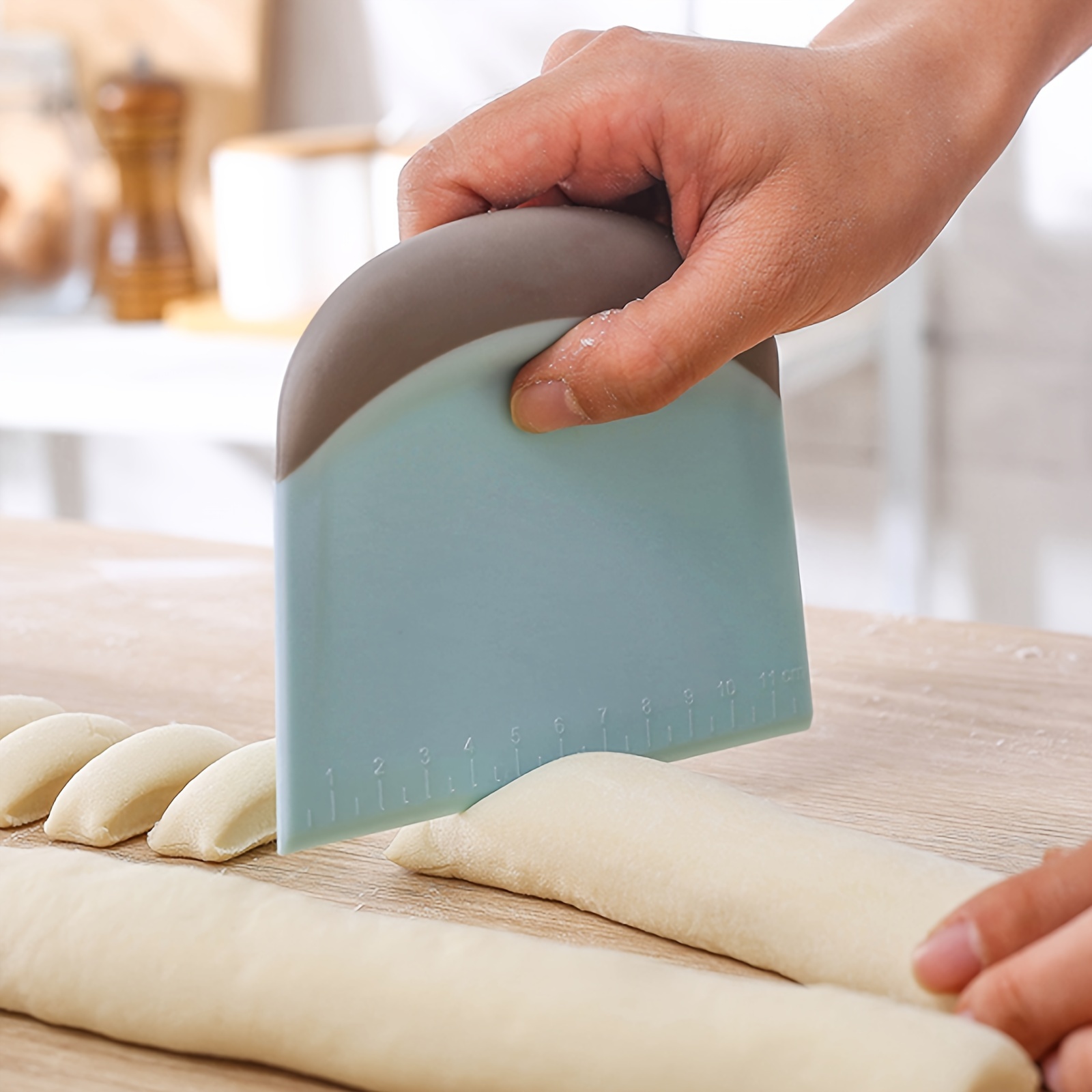
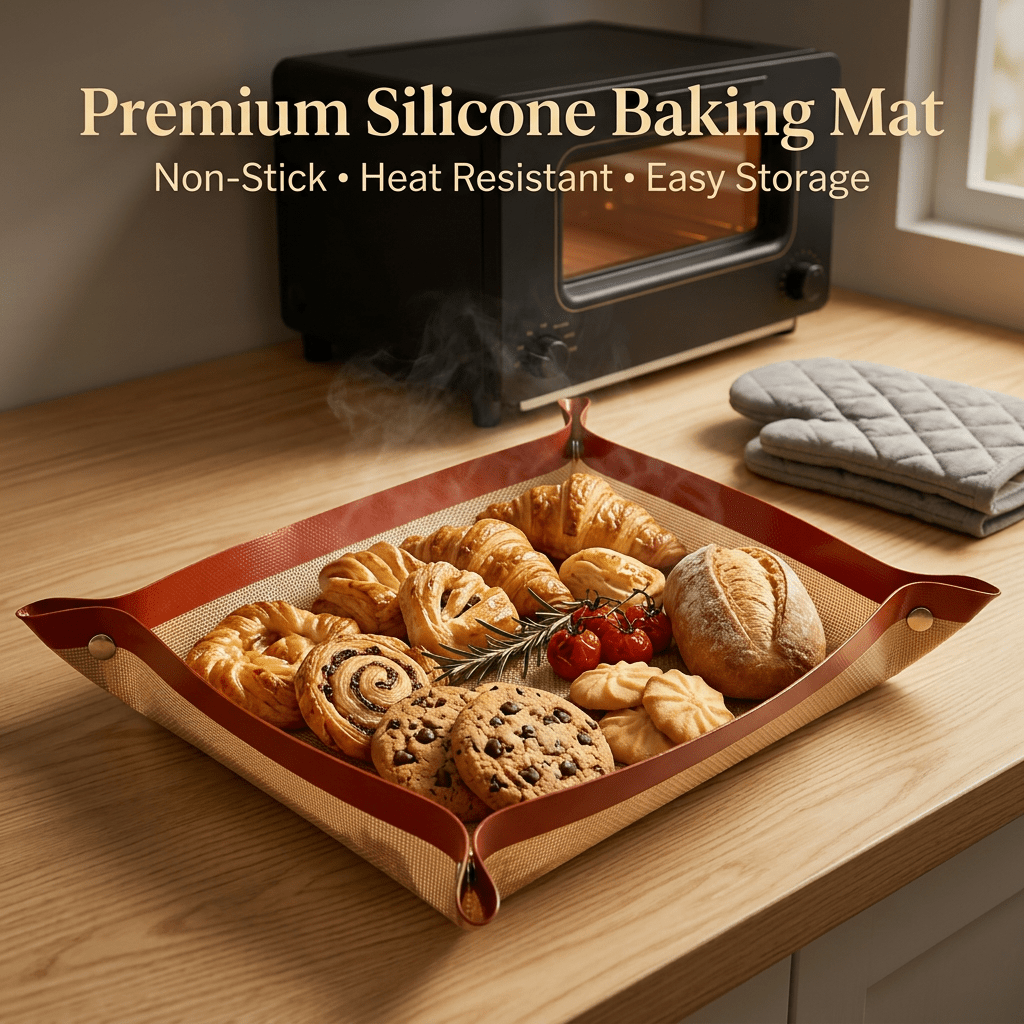
Dough tools and baking trays for flaky crusts and golden pies.




As an affiliate, EventBuzz may earn a commission on qualifying purchases at no extra cost to you.