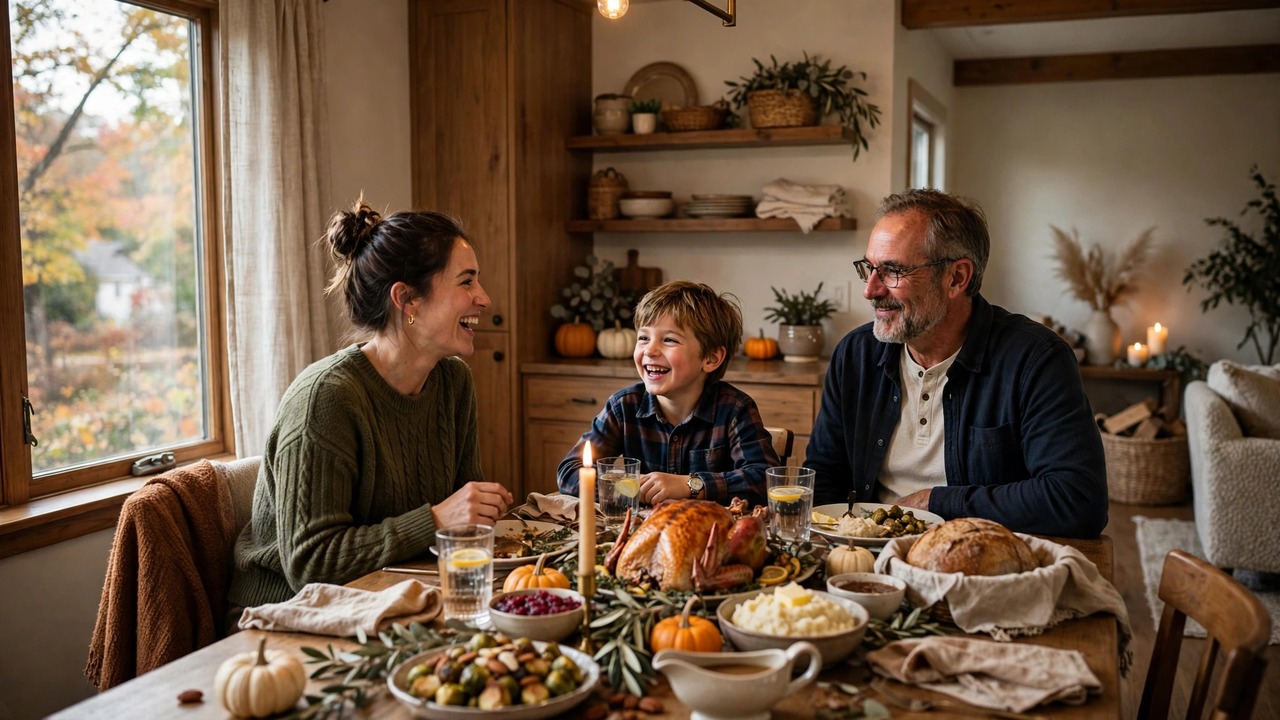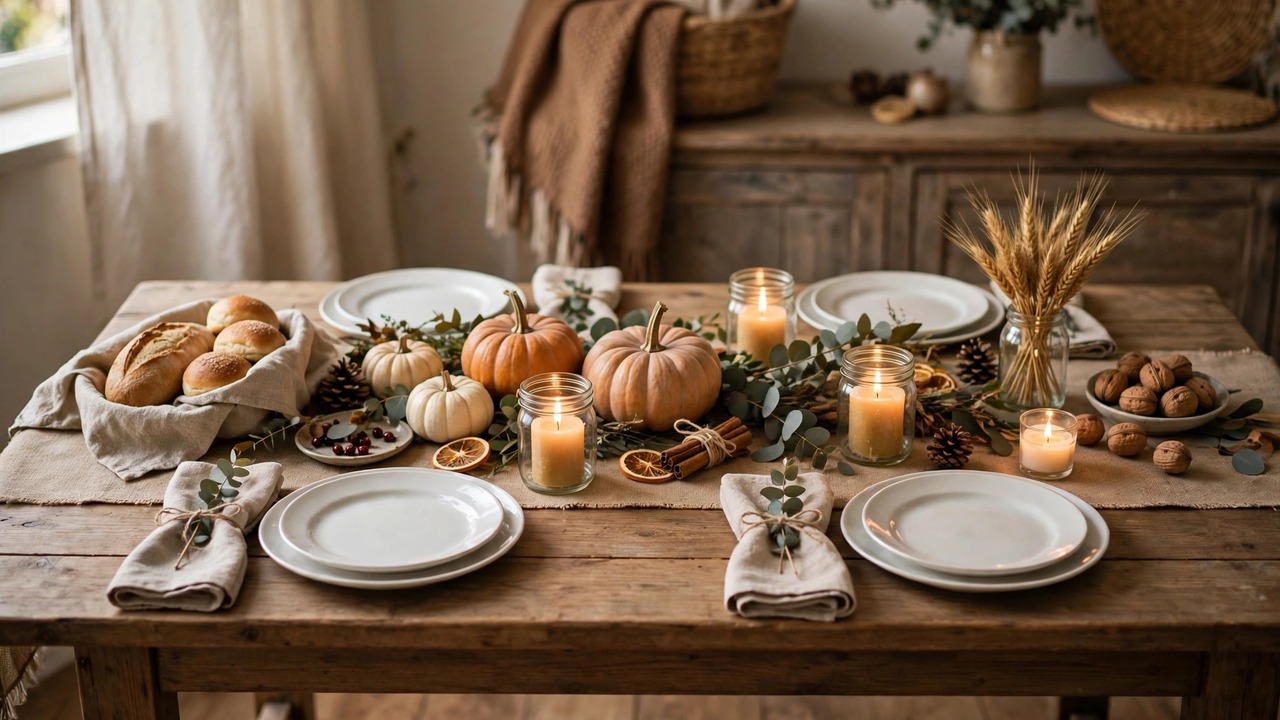
A good Thanksgiving menu is not the biggest menu. It is a balanced menu that fits the guests, the kitchen, and the time available. Planning the menu well in advance makes shopping easier, cooking calmer, and the meal itself more enjoyable.
Start With the Main Dish
Choose one main dish as the centre of the meal. Everything else should support it, not compete with it. Once the main dish is decided, the rest of the menu can be built around flavours that go well with it, rather than a long list of unrelated dishes.
Consider the cooking time and oven space the main dish needs. If it takes a long time in the oven, choose sides that can be prepared on the stove, made ahead, or served at room temperature.
Balance the Plate
A balanced menu usually includes a mix of textures and flavours: something soft, something crisp, something rich, and something fresh. A simple salad or fresh vegetable side can balance richer dishes, and a light dessert can follow a filling main course without making the meal feel heavy.
Avoid repeating the same flavour or texture in every dish. Variety on the plate makes the meal feel complete, even when the menu itself is short.
Plan for Dietary Needs
Ask guests about dietary needs, allergies, and preferences early, and plan at least one dish that everyone can enjoy. Labelling dishes clearly at the table helps guests choose with confidence, and it avoids awkward questions during the meal.
Keep dietary dishes simple and familiar, rather than creating a completely separate menu. A side dish that happens to suit several dietary needs is often easier than a special dish made only for one guest.
Keep the Number of Dishes Manageable
A smaller menu, cooked well, is better than a large menu cooked in a rush. Choose a number of dishes that fits the kitchen, the serving dishes available, and the time for preparation. Each dish should have a clear place on the table and a clear time in the cooking plan.
If guests are contributing dishes, include those in the count. The total menu, including guest contributions, should still feel manageable.
Make Ahead Where Possible
Some dishes improve when made ahead, and others can be partly prepared in advance. Sauces, dressings, and desserts are often good candidates for early preparation. Write down which parts of each dish can be done the day before, and which parts must be done on the day.
This approach spreads the work across several days, and it keeps the kitchen calmer when guests arrive.
Plan Drinks and Dessert Simply
Drinks do not need to be complicated. Water, a simple hot drink, and one or two other options are usually enough. Keep glasses and serving items ready in advance, so drinks can be served without searching for supplies during the meal.
For dessert, one or two well-chosen options are usually better than a large selection. A familiar dessert, served simply, often feels more welcoming than an elaborate dessert that adds stress to the day.
Helpful Finds for the Kitchen
Simple preparation tools can make a balanced menu easier to manage. - 16-in-1 Manual Vegetable Chopper Set, 8 Blades with Container and Grater, Gray can help with vegetable preparation for sides, - Portable USB Rechargeable Blender can help with a quick sauce or drink, and - 24pcs Kitchen Storage Container Set Meal Prep Containers can help with make-ahead preparation and storage.
- 16-in-1 Manual Vegetable Chopper Set, 8 Blades with Container and Grater, Gray
- Portable USB Rechargeable Blender
- 24pcs Kitchen Storage Container Set Meal Prep Containers
As an affiliate, EventBuzz may earn a commission on qualifying purchases at no extra cost to you.
Conclusion
Thanksgiving menu planning works best when it is simple and balanced. Start with one main dish, balance flavours and textures, plan for dietary needs, keep the dish count manageable, prepare ahead where possible, and keep drinks and dessert simple. A menu planned this way leaves more time for guests, and that is what makes the meal memorable.