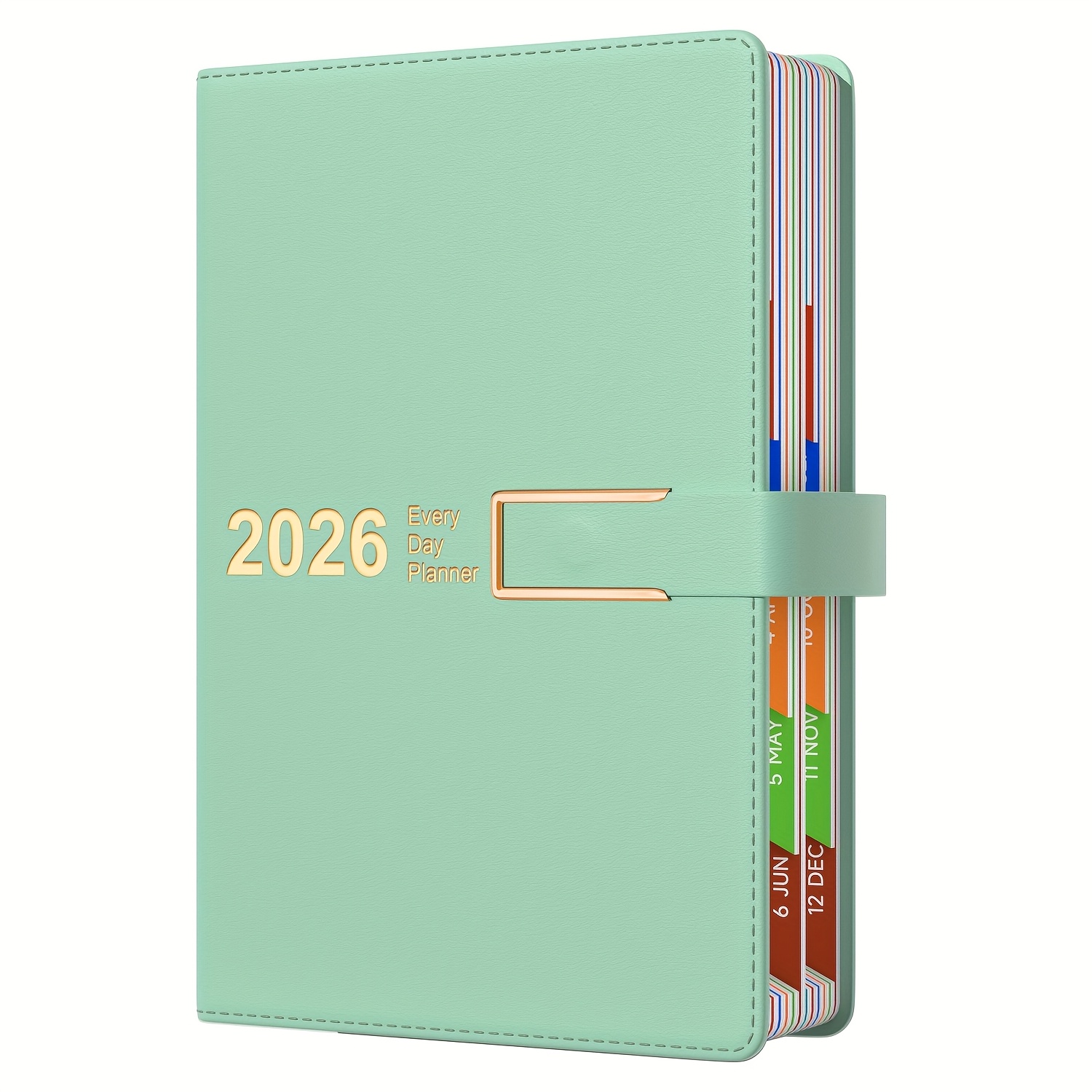
Most resolutions fail not because people lack willpower, but because they lack a system. "Get fit" is a wish; "walk 20 minutes every weekday morning" is a plan. This New Year resolution planner for 2027 gives you the structure that turns wishes into plans: how to choose the right goals, break them into actions, track them without burnout, and review them so they survive past February.
Step 1: Choose Fewer, Better Goals
The biggest planning mistake is the list of twelve resolutions. Aim for three to five goals, each in a different area of life — health, money, relationships, career, and personal growth, for example. For each goal, write it as an outcome plus a behavior: not "save money" but "save $200 a month by cooking at home four nights a week." Specific, measurable goals let you know whether you are winning. If a goal feels huge, shrink the first step until it feels almost too easy — "open the running app" beats "run a marathon" as a January commitment.
Step 2: Break Goals Into Quarterly Milestones
A year is too long to stay motivated without checkpoints. Divide each goal into four quarterly milestones — smaller wins that prove progress is happening.
- Q1 (Jan–Mar): Build the habit. Focus on consistency, not results — show up, log the reps, keep the streak.
- Q2 (Apr–Jun): Measure and adjust. What is working? Change the approach where it is not.
- Q3 (Jul–Sep): Push further. Increase the difficulty or expand the goal now that the base is solid.
- Q4 (Oct–Dec): Finish strong and decide what continues into 2028.
Write each milestone as one sentence with a date: "By March 31, I will have walked 20 minutes daily for 60 days."
Step 3: Track Daily, Review Weekly
Tracking is the engine of a resolution planner. The method matters less than the consistency — use whatever you will actually open every day.
- Habit tracker grid: A simple calendar where you mark an X for each day you complete the habit. Streaks are powerfully motivating.
- One-line journal: Each evening, write one sentence about the day's progress. It takes 60 seconds and reveals patterns.
- Weekly review (15 minutes): Every Sunday, score the week: what worked, what blocked you, and one adjustment for next week.
- Monthly scorecard: Rate each goal 1–10, note the trend, and decide whether the plan needs changing.
Step 4: Design Your Environment
Willpower is unreliable; environment is not. Shape your surroundings so the right choice is the easy choice: lay out workout clothes the night before, keep a water bottle on your desk, unsubscribe from sale emails if you are saving money, and put your phone in another room while you read. Tell one person your goals — an accountability partner who asks "did you walk today?" doubles follow-through. And plan for failure in advance: decide now what you will do on the day you miss. The rule that saves most resolutions is "never miss twice" — one bad day is life, two is a new habit.
Step 5: The Planner Pages You Need
Whether you use a notebook or an app, set up these pages before January 1st: a vision page (one paragraph on what 2027 should feel like), a goals page (your three to five specific goals), a milestones page (quarterly checkpoints for each goal), a monthly habit tracker, a weekly review template (wins, blocks, next-week adjustment), and a wins log — a running list of every achievement, however small. On hard days in March, the wins log is what keeps you going. Review the whole planner on the first Sunday of each month; a resolution system you never look at is just decoration.