Kwanzaa is a seven-day celebration of African heritage, family and community, observed every year from December 26 to January 1. Created in 1966 by Dr. Maulana Karenga, it is a cultural holiday — not a religious one — built around seven principles and seven symbols. Whether your family has celebrated for decades or you are lighting your first kinara, this guide covers the 2026 dates, the meaning of each day, and how to celebrate all seven nights.
When Is Kwanzaa 2026?
Kwanzaa 2026 begins on Saturday, December 26, 2026 and ends on Friday, January 1, 2027. Each of the seven days honors one principle, the Nguzo Saba:
- Day 1 — Dec 26, Umoja (Unity): strive for and maintain unity in the family, community, nation and race.
- Day 2 — Dec 27, Kujichagulia (Self-Determination): define, name, create and speak for ourselves.
- Day 3 — Dec 28, Ujima (Collective Work and Responsibility): build and maintain our community together, and solve our problems together.
- Day 4 — Dec 29, Ujamaa (Cooperative Economics): build and maintain our own stores, shops and businesses, and profit from them together.
- Day 5 — Dec 30, Nia (Purpose): make our collective vocation the building and development of our community.
- Day 6 — Dec 31, Kuumba (Creativity): do always as much as we can to leave our community more beautiful and beneficial than we inherited it.
- Day 7 — Jan 1, Imani (Faith): believe with all our hearts in our people, our parents, our teachers, our leaders, and the righteousness and victory of our struggle.
Each evening the family gathers, lights a candle, and discusses the principle of the day — often with a reading, a story, or a memory from the year.
The Seven Principles (Nguzo Saba)
The Nguzo Saba are the heart of Kwanzaa. They were drawn from African traditions of harvest festivals and community values, and each one is meant to guide daily life all year, not just during the holiday week. Umoja opens the celebration with togetherness; Imani closes it with faith in the future. Many families keep a poster of the seven principles on the wall through the week and read one aloud each night before the candle is lit.
The Seven Symbols of Kwanzaa
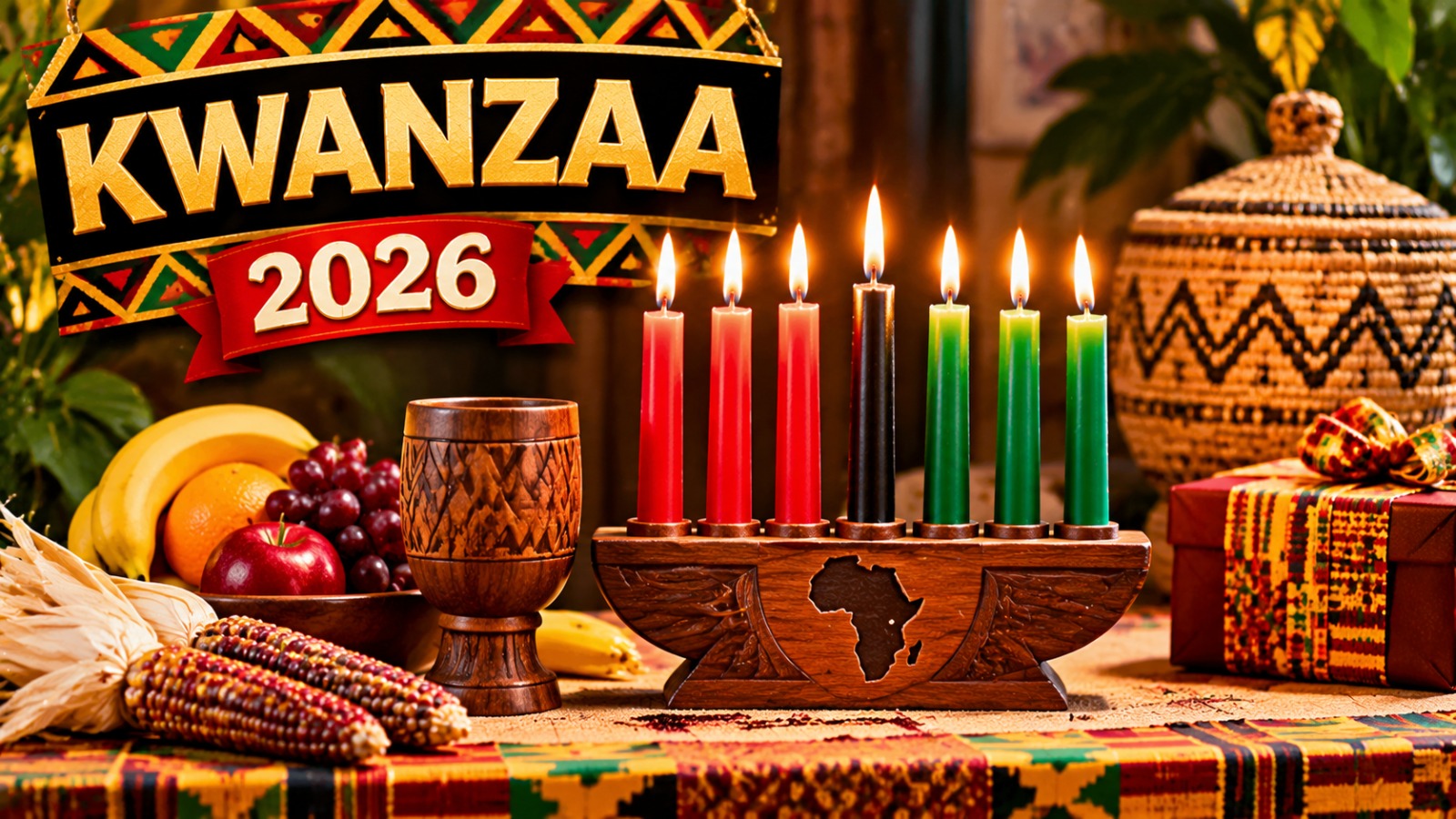
Every Kwanzaa display is arranged on a straw mat called the mkeka, and it holds seven symbols:
- Kinara: the candle holder with seven branches, the centerpiece of the celebration.
- Mishumaa Saba: the seven candles — one black in the center, three red on the left, three green on the right.
- Mazao: crops, usually fruits and vegetables, representing the harvest and the rewards of collective work.
- Muhindi: ears of corn, one for each child in the family, representing children and the future.
- Kikombe cha Umoja: the unity cup, used for the libation — pouring a little water or juice in honor of ancestors.
- Zawadi: gifts, often handmade, given mainly to children, with an emphasis on meaning over price.
- The flag: black, red and green — the colors of the Pan-African flag.
How to Light the Kinara
The kinara holds seven candles: black in the center, red on the left, green on the right. On night one, light the black candle for Umoja. Each following night, add one more candle, alternating sides — red on night two, green on night three, red on night four, green on night five, red on night six, green on night seven. Candles are placed from the outside in and lit from left to right, newest first. The lighting usually happens after dark, when the family can gather, and it is often accompanied by the libation from the unity cup and a short discussion of the day’s principle. If open flames are a concern with small children around, battery-operated candles make a safe stand-in for the display — see the picks below.
Traditions: Food, Music and the Karamu Feast
Kwanzaa is a week of gathering. Families share meals with African and African-diaspora dishes — from collard greens and black-eyed peas to jollof rice and sweet potato pie — and many communities host drumming, dancing and storytelling nights. The celebration peaks on December 31 with the Karamu, a communal feast with music and performances, often held at a community center. Gifts (zawadi) are usually exchanged on January 1, the final day, with handmade and educational gifts carrying the most meaning. For decor inspiration, see our Kwanzaa Decorations 2026 guide, and for the winter festival season, our Hanukkah 2026 guide and New Year’s Day traditions.
Kwanzaa Candle Picks
Real candles for the kinara, plus a safe battery option for homes with small children.
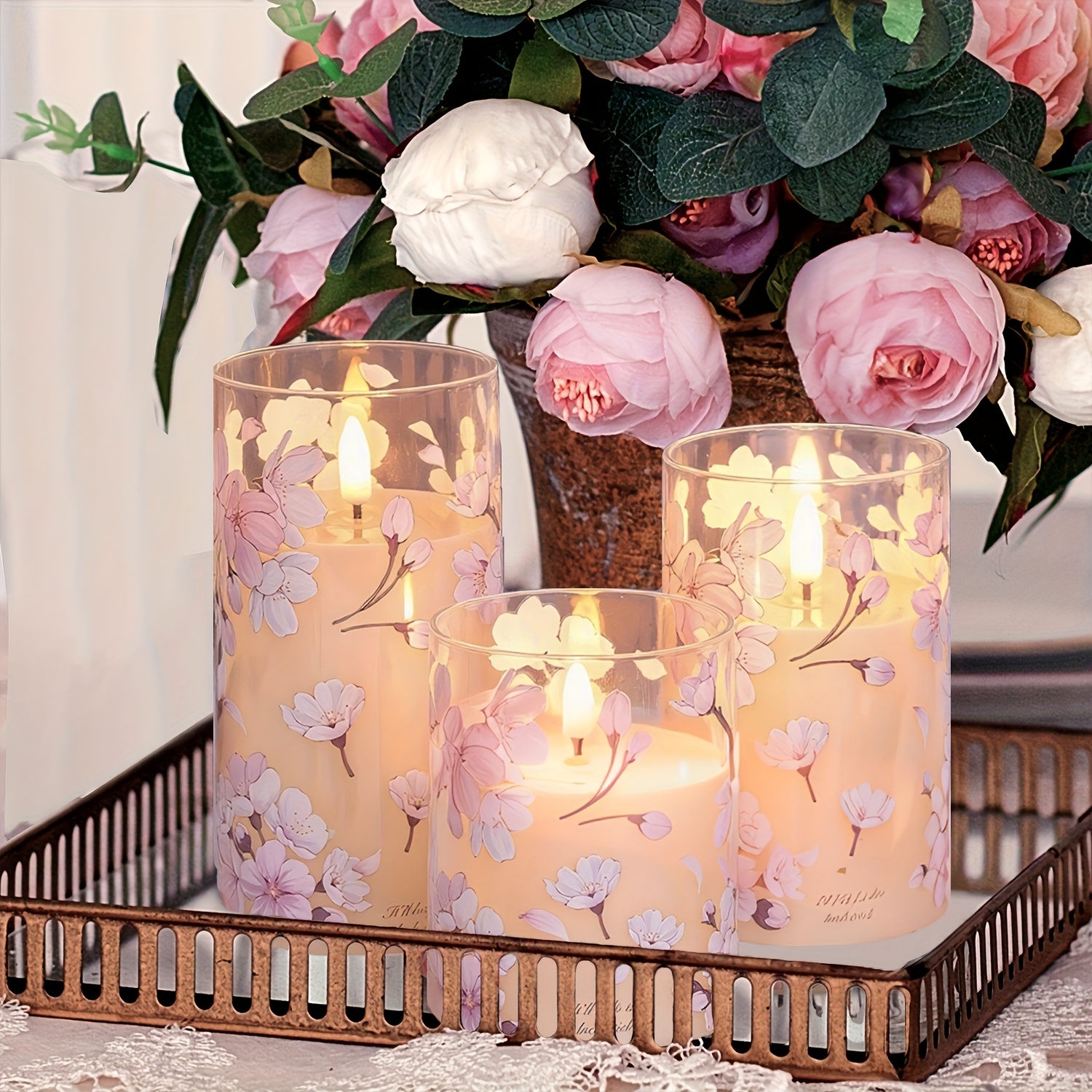
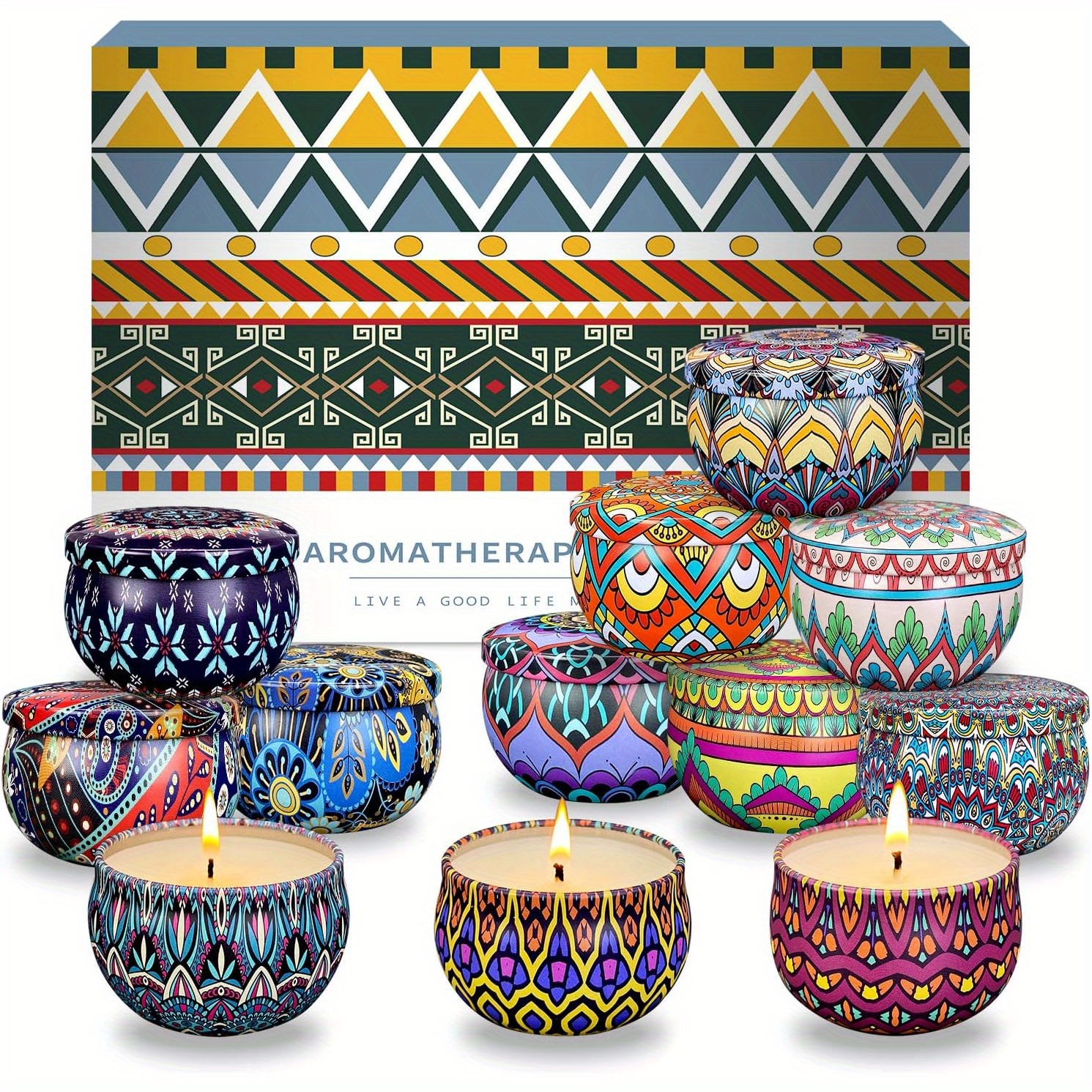
Prices change often — the live deal page shows the current price. Links open the product page on QA Affiliate, our sister shopping site.
Pair your candlelight with the season’s other celebrations: play a round of Hanukkah games with the family, and plan the year ahead with our New Year’s Day traditions guide.