
Halloween Candy Guide 2026: Most Popular Treats and Smart Swaps
Published October 9, 2026 · Updated October 9, 2026 · By EventBuzz Team
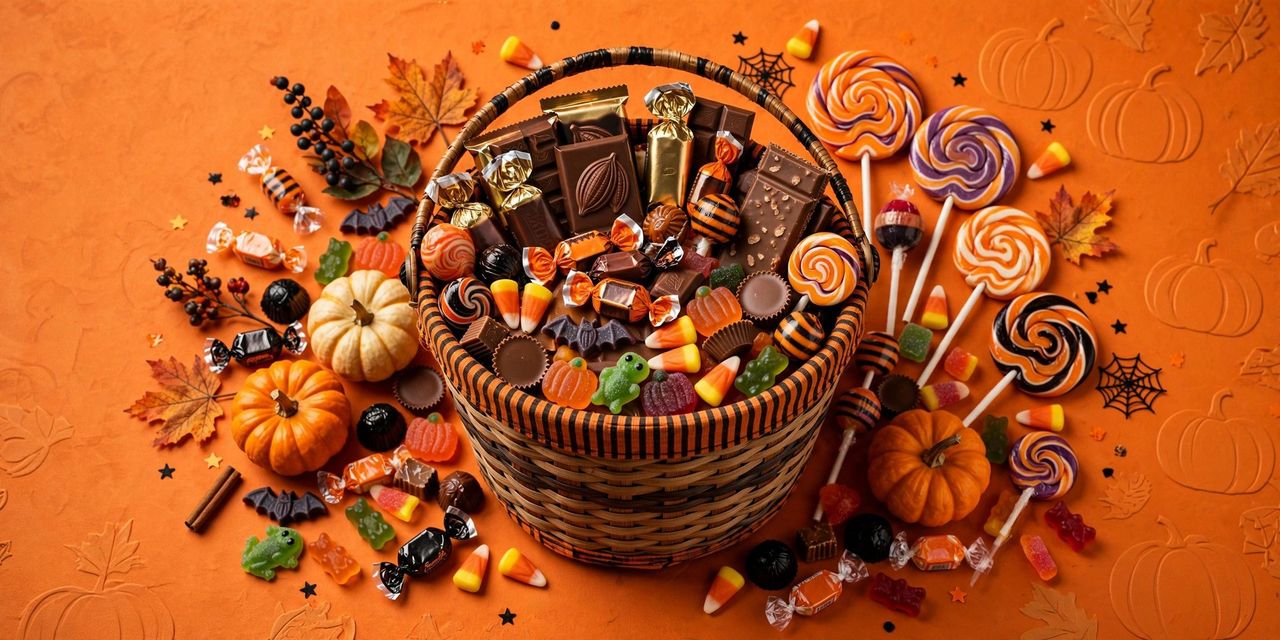
Candy is the currency of Halloween, and getting your bowl right matters more than your costume does. Buy too little and you are switching the porch light off at 7 p.m. Buy the wrong mix and you will be eating leftover candy corn until Christmas. Halloween 2026 falls on Saturday, October 31, so expect a longer, busier trick-or-treat night than usual. This guide ranks the most popular Halloween treats, tells you exactly how much to buy, shows you how to save money buying in bulk, and covers allergy-friendly swaps, storage and safety basics.
The Most Popular Halloween Candies, Ranked
Every year the same heavyweights dominate trick-or-treat bags. This ranking blends consistent sales performance, kid preference, and trade value — because yes, the post-Halloween candy economy is real.
1. Reese's Peanut Butter Cups
The undisputed champion. Chocolate plus peanut butter in fun-size and pumpkin shapes. The pumpkin-shaped version trades at a premium in every schoolyard negotiation.
2. M&M's
Plain and Peanut both rank near the top. The fun-size packs are portion-friendly, and peanut M&M's are the one candy parents reliably "inspect" into their own mouths.
3. Snickers
The most filling fun-size bar. Peanuts, caramel and nougat make it the candy adults are happiest to receive as leftovers.
4. Kit Kat
Crispy, light and endlessly snackable. Kit Kat is the consensus candy — nobody is thrilled, nobody is disappointed, and it always disappears.
5. Skittles
The leading fruity candy and a top pick for kids who skip chocolate. Also one of the better allergy-aware choices, though always check the label.
6. Hershey's Milk Chocolate
The classic. Mini Hershey bars and Hershey's Kisses are cheap in bulk, instantly recognisable, and melt happily into November hot chocolate.
7. Twix
Cookie, caramel and chocolate. "Left or right Twix" debates keep it culturally relevant far beyond Halloween night.
8. Starburst
Chewy, fruity and individually wrapped. The two-piece packs are perfect portion control for treat bags and classroom giveaways.
9. Sour Patch Kids
The sour vote is strong with older kids and teens. If your street skews 10+, a bag of Sour Patch Kids raises your house's reputation fast.
10. Milky Way
The gentle caramel-nougat bar. A favourite with younger kids and anyone who finds Snickers too nutty.
11. Butterfinger
Crisp, peanut-buttery and divisive — which makes it an elite trading candy. Some kids hoard it; others swap it away at a discount.
12. Candy Corn
No Halloween candy is more argued about. Roughly a third of people love it, a third tolerate it, and a third use it as decoration only. Buy a small bag for tradition's sake, not as your main event.
The golden rule of the treat bowl: lead with chocolate, support with fruity, and never let any single candy exceed half your stock. Variety is what makes your house the one kids remember.
How Much Candy to Buy Per Household
The formula is simple: expected trick-or-treaters × 2 pieces each, plus a 20 percent buffer. Kids remember generous houses, and a Saturday Halloween means more visitors over a longer window.
- Quiet street or apartment building (10–25 kids): one large variety bag, roughly 1–2 lb (0.5–1 kg). If you run out, porch light off is the universal signal.
- Average suburban street (30–60 kids): 3–5 lb (1.5–2.5 kg) across two or three varieties. This is most households.
- Busy, decorated, destination street (75–150 kids): 6–10 lb (3–4.5 kg), plus a backup bag you only open if needed — unopened bags can often be returned or saved.
- Trunk-or-treat or school event: ask the organiser for last year's attendance and buy for 2 pieces per child plus buffer. Organisers usually underestimate.
Not sure about your street? Ask a neighbour who lived there last Halloween — it is the single most reliable data point. New to the neighbourhood? Buy mid-range, and choose candy your own household will happily finish, because there will be leftovers either way.
Budget Bulk-Buying Tips
Halloween candy is a commodity — the same bag can vary 40 percent in price between stores. Here is how the smart shoppers play it:
- Buy 1–2 weeks early. Warehouse clubs (Costco, Sam's Club, BJ's) and big supermarkets run their sharpest candy promotions in mid-October. The week of Halloween, prices creep back up as urgency takes over.
- Compare price per ounce, not per bag. Bag counts are marketing. Unit price per ounce or per 100 g is on the shelf tag — use it. Fun-size variety bags usually beat single-brand bags on value.
- Mix premium and value. Fill two-thirds of the bowl with great-value crowd-pleasers (M&M's, Kit Kat, Starburst) and one-third with premium names (Reese's, Snickers). Kids see abundance; you see a sensible receipt.
- Stack store coupons and loyalty apps. Candy is a loss-leader category in October; digital coupons routinely stack with sale prices.
- UK note: supermarkets like Tesco, Asda and Sainsbury's discount multipack sweets heavily from mid-October. "Tub" formats (Celebrations, Heroes, Quality Street) are the best per-gram value for treat bowls.
- Buy next year's non-perishables on November 1. Clearance candy drops 50–75 percent. Hard candy, lollipops and well-stored chocolate survive fine — just check dates.
Allergy-Friendly and Smart Swap Options
Roughly 1 in 13 children has a food allergy, and peanut, milk and tree-nut allergies are the big Halloween hazards. A few thoughtful swaps make your house welcoming to everyone:
- Reliably safer sweets (check labels every year): Skittles, Starburst, Smarties (US version), gummy bears, jelly beans, lollipops, Dum Dums, and marshmallow treats. Recipes change, so "usually safe" still means read the pack.
- Purpose-made allergen-free brands: YumEarth, No Whey!, Free2b and Enjoy Life make chocolate-style and gummy treats free from the top allergens — and they genuinely taste good.
- The teal pumpkin signal: placing a teal-coloured pumpkin (or a teal sign) by your door tells families you offer non-food treats for kids who cannot eat candy. It is part of the Teal Pumpkin Project and costs you one extra bowl.
- Non-food treasure bowl: stickers, glow sticks, temporary tattoos, mini bubbles, pencils, erasers shaped like ghosts, vampire teeth, and small puzzles. Younger kids often choose these over candy anyway.
- Smart swaps for your own kids: offer a "buy-back" (a coin or small prize per traded piece), swap-in fruit snacks or juice boxes, or let them pick a toy at the "Switch Witch" exchange after sorting the haul.
Keep allergen-free options in a separate bowl so loose peanuts from open bags never contaminate them, and let the child choose rather than handing treats directly into bags when allergies are mentioned.
Storage Tips: Making Candy Last
Halloween regularly produces more candy than a family should eat in a week. Store it right and it keeps for months:
- Cool, dark, dry wins: a pantry cupboard at room temperature keeps chocolate good for 6–12 months. Heat and sunlight are the enemies; humidity makes wrappers stick.
- Freeze chocolate: sealed in a freezer bag, chocolate keeps up to a year. Thaw in the fridge, then at room temperature, to avoid white "bloom" — which is harmless anyway, just cocoa butter rising.
- Hard candy and lollipops: the marathon runners — about a year in a sealed jar. Keep silica packs from other packaging to control moisture.
- Gummies and chewy candy: best within 6–9 months. Reseal the bag or transfer to an airtight container so they do not turn into one giant chew.
- Repurpose the surplus: chop chocolate into December baking, melt leftovers into hot chocolate, or donate sealed extras — many dentists, shelters and "candy buy-back" programmes accept unopened candy in early November.
Candy Safety Basics
The classic Halloween safety advice exists because it works. Run through it before the big night:
- Inspect everything: an adult should sort the haul on a table before eating starts. Discard anything unwrapped, re-wrapped, torn, or homemade from strangers' houses. Commercially wrapped, sealed candy is the standard.
- Mind choking hazards: hard candy, whole nuts, gum and small chewy pieces are risky for children under four. Pull them out of toddler bags and swap in safer treats.
- Check dates on older-looking stock: rare, but old clearance candy sometimes circulates. A quick glance at best-before dates costs nothing.
- Allergy families read labels twice: fun-size and seasonal packaging sometimes use different recipes and different factories than the standard version of the same candy.
- Nothing while walking: kids eat at home under decent light, not mid-route in the dark — it prevents both choking and "mystery wrapper" arguments later.
- Giving side etiquette: hand out only factory-sealed treats, and if you bake homemade goods, save them for neighbours and friends who know you — most parents bin anonymous homemade items on principle.
Frequently Asked Questions
What is the most popular Halloween candy in 2026?
Reese's Peanut Butter Cups consistently top Halloween popularity rankings, followed by M&M's, Snickers, Kit Kat and Skittles. Chocolate dominates the top of the list because it pleases the widest range of trick-or-treaters.
How much candy should I buy for Halloween?
Estimate your expected trick-or-treater count, multiply by two pieces per child, then add a 20 percent buffer. Quiet streets may need one or two variety bags; busy suburban streets can need five to ten pounds or more.
When is the cheapest time to buy Halloween candy?
The best prices usually appear one to two weeks before October 31 during warehouse and supermarket promotions. Day-after-Halloween clearance drops prices by 50 to 75 percent, which is perfect for stocking up for parties or next year if storage allows.
What candy is safest for kids with allergies?
Look for candies labelled free from the top allergens. Popular safer picks include Skittles, Starburst, Smarties (US), gummy bears, lollipops and allergen-free brands such as YumEarth and No Whey. Always check the label, as recipes change.
How long does Halloween candy stay fresh?
Chocolate keeps six months to a year in a cool, dark place. Hard candy and lollipops last around a year. Gummies and chewy candy are best within six to nine months. Freeze leftover chocolate for up to a year.
What can I give instead of candy on Halloween?
Popular non-candy treats include stickers, glow sticks, mini puzzles, pencils, temporary tattoos, bubbles and small toys. Many households offer a candy bowl and a non-food bowl so every child can choose.
Conclusion
Stock the champions, buy two pieces per expected visitor, shop the mid-October sales, and keep a second bowl of safe, non-food treasures — that is the entire formula for a legendary 2026 treat bowl. For everything else you need before Saturday, October 31, explore our Halloween guides:
Happy Halloween — may your bowl never empty before the last vampire knocks!
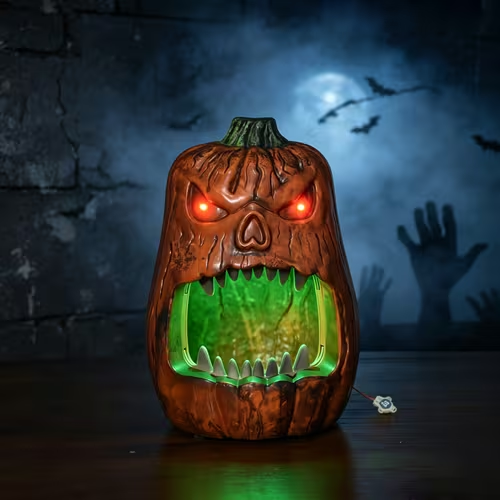
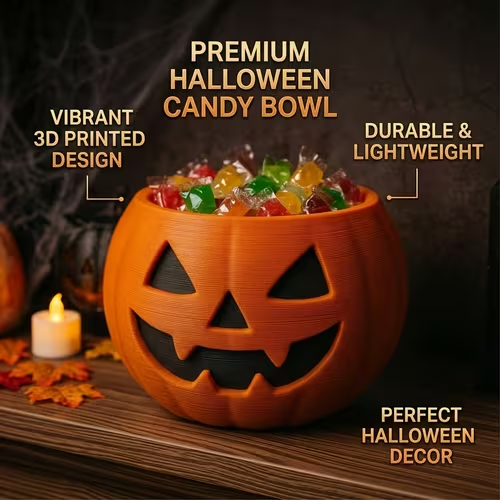
Candy Bowls and Trick or Treat Picks
Bowls, buckets and stands for the candy table and the front door.
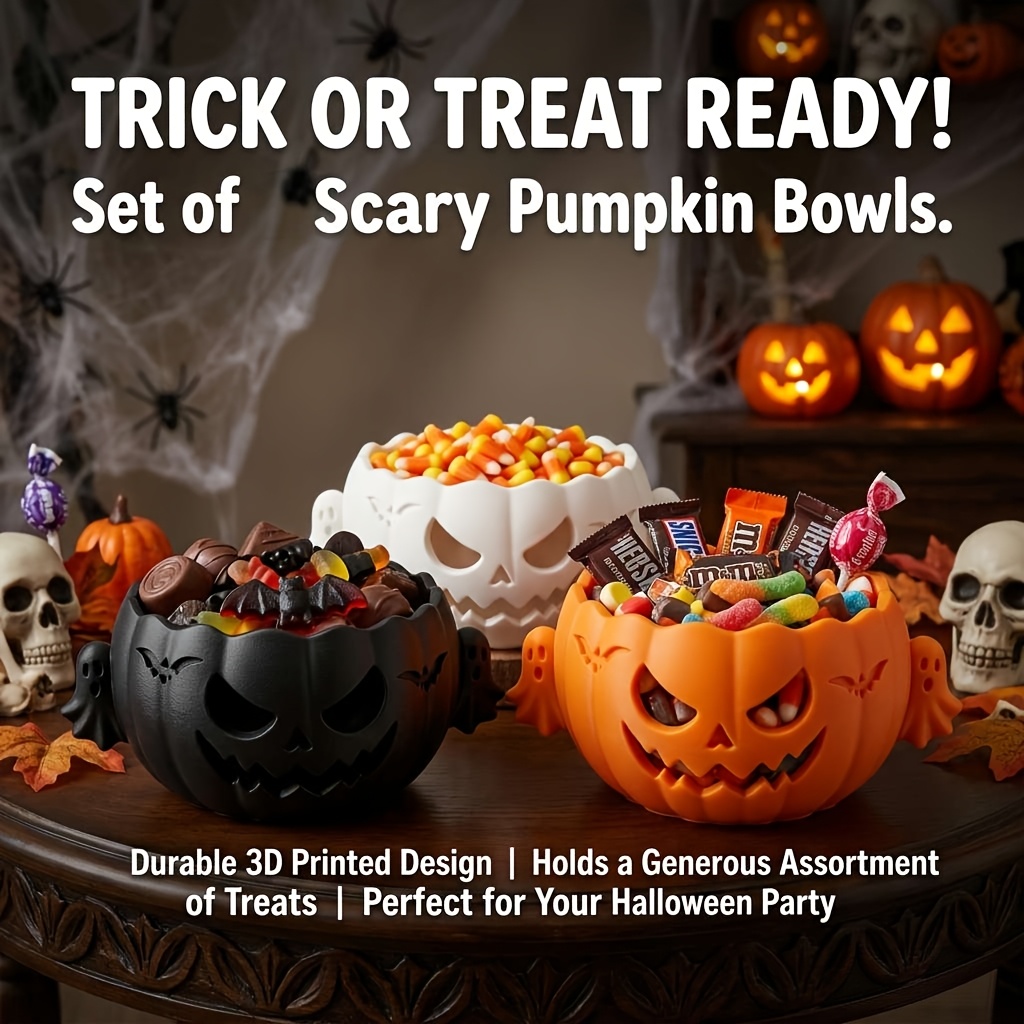
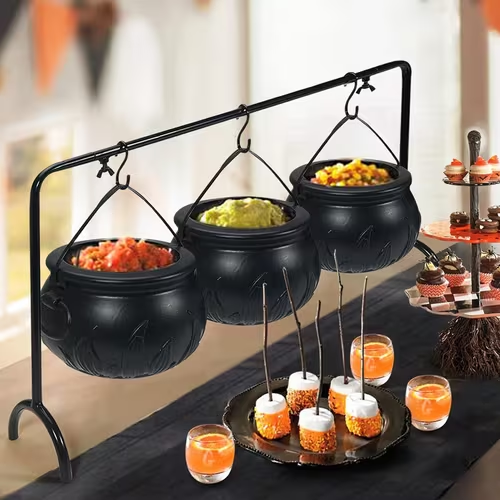
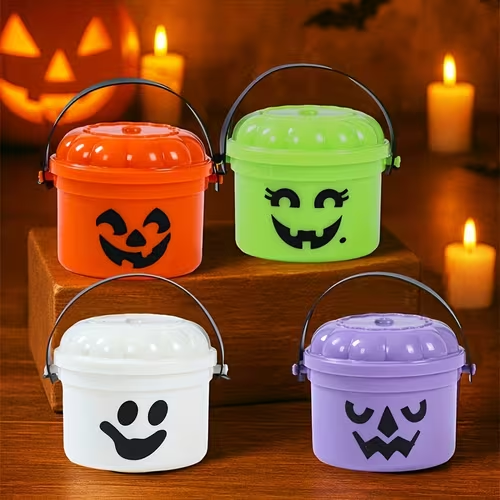
Prices shown at the time of publishing and can change. Links take you to Temu, where shipping and delivery details are shown.