
Halloween Safety Tips for Kids 2026: A Parent Guide to a Safe Night
Published October 9, 2026 · Updated October 9, 2026 · By EventBuzz Team
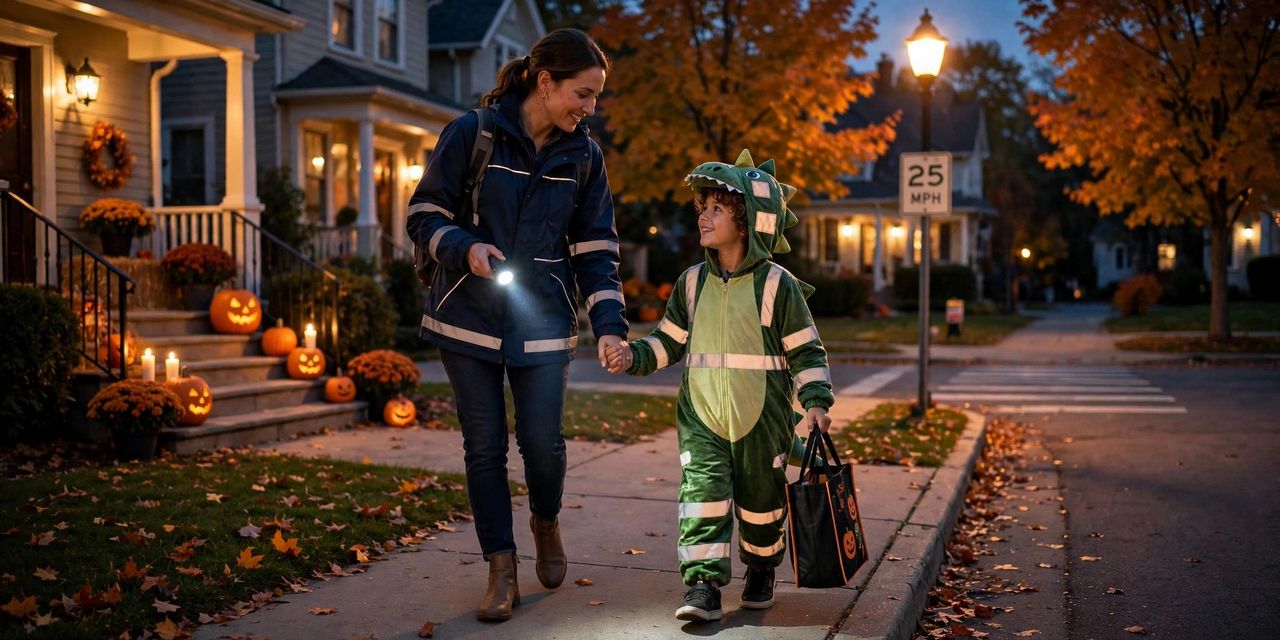
Halloween is meant to feel magical, not stressful. In 2026, Saturday, October 31 gives families a full weekend evening to enjoy trick-or-treating, but the same basics still decide whether the night runs smoothly: a costume children can see and walk in, a familiar route, an adult plan for every age, and a calm candy check at home.
This guide walks parents through each stage in order. Work through the checklists before the costume goes on, and most problems never get a chance to start.
Costume Safety: Visible, Comfortable and Easy to Move In
The safest costume is one that fits the street as much as the theme. Check the outfit in daylight, then again at dusk with shoes on.
Make your child easy to see
- Add reflective tape or stickers to the front, back and sides of the costume and treat bag.
- Choose light colours where you can, or add a bright vest, sash or light-up accessory over dark costumes.
- Give each child a glow stick, glow necklace or small flashlight. Keep a spare in your pocket.
- Turn on any light-up shoes or accessories before you leave, not halfway round the block.
Check the fit before the first door
- Hem capes, dresses and trousers so nothing drags on the pavement and causes a trip.
- Avoid oversized hats, wigs and hoods that slip over the eyes.
- Use flat, closed-toe shoes your child already walks well in. Leave costume shoes with heels or smooth soles at home.
- Test stairs, kerbs and sitting down. If your child cannot manage all three, adjust the costume now.
Face paint versus masks
Face paint is usually safer than a mask because it leaves vision and breathing clear. Pick non-toxic, skin-safe products and do a patch test on the inner arm a day or two before Halloween. Wash it off before bed.
If your child prefers a mask, check that eye holes are wide, the nose and mouth are not covered tightly, and your child can take it off alone in two seconds. Many children walk more safely carrying the mask and wearing it only for photos at the door.
Flame safety and props
Look for a flame-resistant label on store-bought costumes, wigs and capes. Keep loose fabric away from pumpkins with real candles, porch heaters and open flames.
Props should be soft, short and clearly toys. Swap hard plastic swords for foam versions, round off sharp points, and skip anything that could be mistaken for a real weapon in the dark.
Quick costume test: can your child see clearly, breathe easily, walk without holding fabric up, and be spotted from across the street? If yes to all four, the costume is ready.
Route Planning: Decide the Streets Before You Leave
A short plan made at home beats decisions made on a noisy pavement. Walk the route once in daylight if it is new to your family.
- Choose familiar, well-lit streets with pavements and houses taking part. Skip dark shortcuts, alleys and houses with no lights on.
- Plan the full loop in advance. Share it with the adults in your group and set a sensible end point.
- Walk it first in daylight to spot broken pavements, roadworks, dogs behind low fences and tricky crossings.
- Keep groups manageable. Four to six children per adult group is easier to watch at doors and crossings.
- Agree timing. For Halloween 2026 on Saturday, October 31, many families aim for dusk, roughly 5:30 to 6:30 p.m., and finish by 8 to 9 p.m. Check local curfews and community hours first.
Cross at corners and marked crossings, look left and right twice, and keep phones away while crossing. If traffic is heavy, hold younger children's hands and make the adult the one facing traffic.
Candy Checking Rules: Sort First, Eat Later
Set one clear family rule before you go out: no eating from the bag until an adult has checked it at home.
The home check, step by step
- Empty the bag onto a clean table under good light.
- Keep only factory-sealed items with packaging fully intact.
- Throw away anything unwrapped, torn, loose, discoloured or with an unusual smell.
- Keep homemade treats only from families you know and trust.
- Read allergen labels carefully. When in doubt, leave it out.
- Remove choking hazards for under-fours: hard sweets, whole nuts, popcorn and round chewy items.
- Sort a small "tonight" pile and store the rest out of reach.
If your child has an allergy plan, carry it plus any medication your doctor has advised, and tell your group which sweets are safe swaps.
Supervision by Age: Match Freedom to Readiness
Age guides are a starting point, not a promise. Maturity, traffic, route length and local rules matter just as much.
Under 5: hand-in-hand the whole way
One adult per one or two toddlers is realistic. Keep to one or two familiar streets and finish early.
Ages 6 to 9: adult in sight at every door
One adult can watch three or four children who stay together. The adult waits at the pavement, children visit doors in pairs, and nobody moves on until the group is back.
Ages 10 to 12: short route, firm check-ins
Many children this age can walk a planned route in a group of three or more with an adult nearby or on call. Set check-ins every 20 to 30 minutes and fix a return time.
Teens: trust, with a shared plan
Teens should share their route, keep location sharing on if your family uses it, stay in a group, and agree a home time.
The buddy rule applies at every age: nobody walks, waits or crosses alone, and nobody enters a house or car, however friendly the invitation.
Home and Porch Safety: For Hosts as Well as Walkers
If you are handing out treats, your porch is part of someone else's route.
- Clear leaves, hoses, toys and decorations from the walkway and steps.
- Turn porch and path lights on early.
- Secure pets in another room. Even friendly dogs can be startled by costumes.
- Use LED candles in pumpkins near the path. Keep real candles away from costumes.
- Driving at trick-or-treat time? Slow right down and watch for children between parked cars.
- Not taking part? Leave the porch light off or add a polite note. Taking part? A lit pumpkin signals an open door.
Phone and Emergency Plan: Agree It Before the Costumes Go On
Most Halloween worries shrink when everyone knows the plan.
- Charged phones: leave with a full battery; pack a power bank for longer routes.
- Contact card: younger children carry a card with a parent name and phone number.
- Location sharing: older kids turn on family location sharing for the evening if everyone agrees.
- Meeting point: pick one obvious, well-lit spot on the route.
- If separated: stop, stay somewhere bright, and ask a police officer, shop worker or another parent with children for help.
- Emergency numbers: save your local emergency number before you go out, as numbers vary by region.
Rehearse the plan once with younger children so they can repeat it back to you.
Frequently Asked Questions
What time should kids start and finish trick-or-treating on Halloween 2026?
Halloween 2026 falls on Saturday, October 31. Most families head out at dusk, around 5:30 to 6:30 p.m. local time, and finish by 8 p.m. for younger children or 9 p.m. for older kids. Always check any local curfew or community trick-or-treat hours first.
Should kids wear face paint or a mask for Halloween?
Face paint is usually the safer choice because it does not block vision or breathing. Choose non-toxic, skin-safe paint and do a small patch test a day or two before. If your child wears a mask, check that the eye holes are large, the fit is secure, and they can remove it quickly on their own.
How do I make my child's costume more visible to drivers?
Add reflective tape or stickers to the costume and treat bag, choose light colours where you can, and give your child a glow stick, light-up necklace or small flashlight. Bright accessories on the front, back and sides make children far easier for drivers to see at dusk.
What candy should be thrown away after trick-or-treating?
Throw away anything unwrapped, with torn or loose packaging, homemade treats from people you do not know, and items that look discoloured or smell unusual. Remove hard candies, whole nuts and round items that are choking hazards for children under four, and always check allergen labels before eating.
At what age can kids trick-or-treat without an adult beside them?
There is no single legal age everywhere, so follow local rules and your child's maturity. Children under 10 should have an adult with them. Many 10 to 12 year olds can walk a familiar route in a group with planned check-ins, while teens should still share their location and agree a return time.
What should my child do if they get separated on Halloween night?
Teach your child to stop, stay in a well-lit place, and ask a trusted adult such as a police officer, shop worker or another parent with children for help. Agree a clear meeting point before you go out, and make sure younger children carry a card with your name and phone number.
Conclusion
A safe Halloween is mostly a prepared one: a costume that glows and fits, a route you already know, candy checked at the table, and a plan everyone can repeat. Do those four things and Saturday, October 31, 2026 can be all treats.
Keep the fun going with our other family Halloween guides:
Have a bright, safe and happy Halloween night!
Halloween Party Picks
Costumes, decorations and party essentials to make your Halloween 2026 unforgettable.
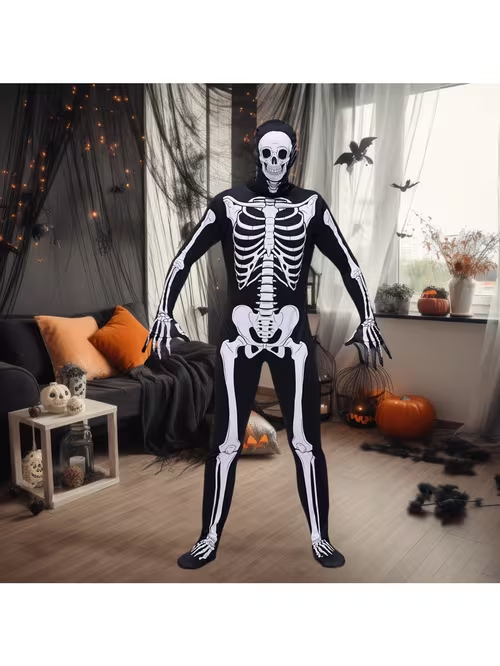

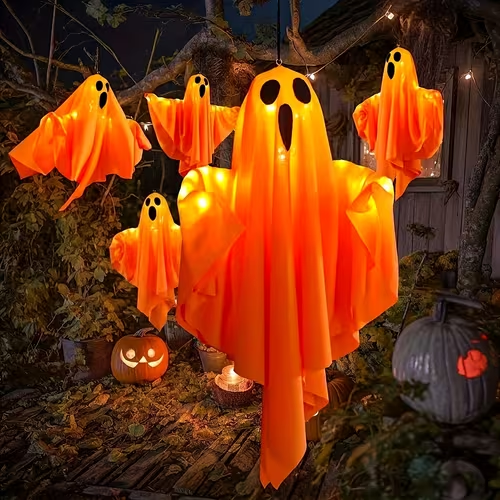

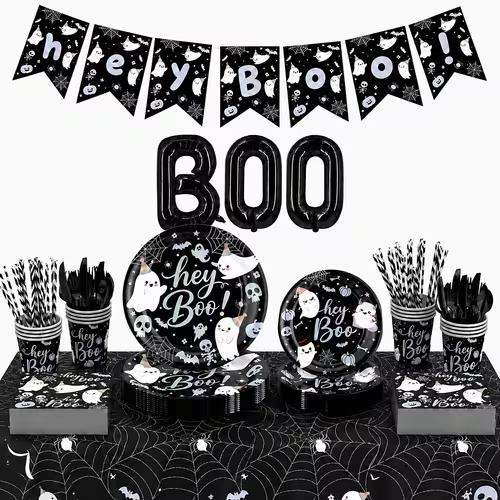
Prices shown at the time of publishing and can change. Links take you to AliExpress, where shipping and delivery details are shown.