
Halloween Around the World 2026: How 15 Countries Celebrate
Published October 9, 2026 · Updated October 9, 2026 · By EventBuzz Team
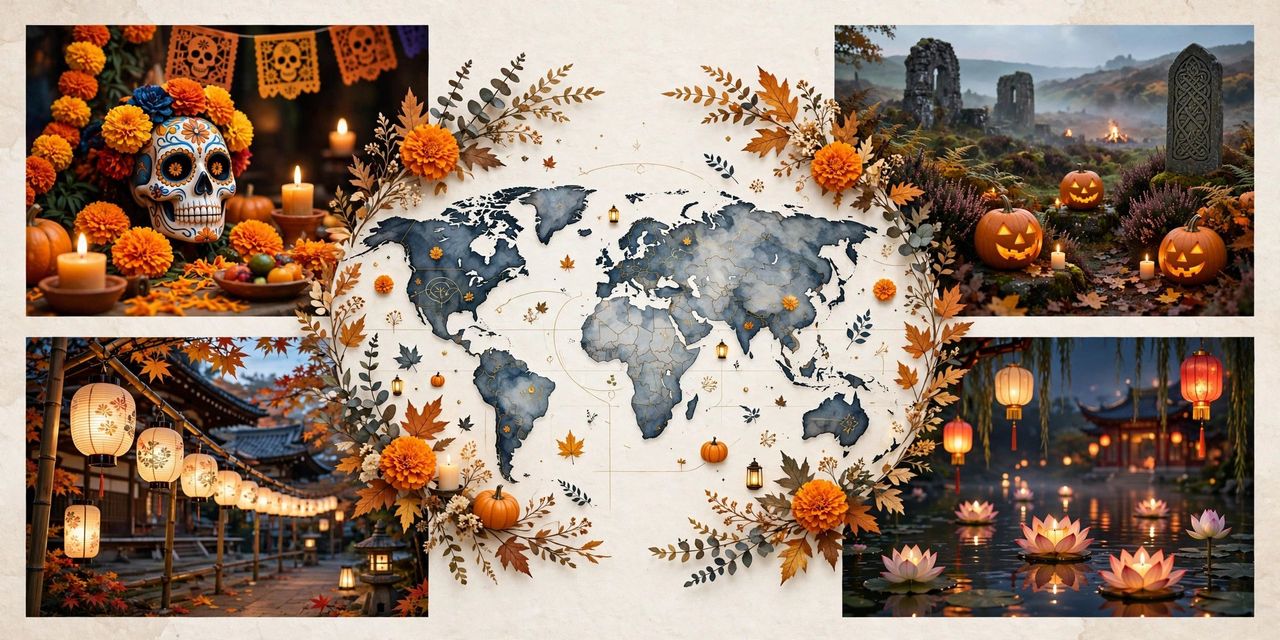
Halloween feels global now, but it began in one small, misty corner of the world. Halloween 2026 falls on Saturday, October 31, and this guide travels through 15 countries to show how each marks the season — some with bonfires and ancient ritual, some with solemn cemetery candles, and some with street costumes barely a generation old.
Where Halloween Began: Samhain and the Road Around the World
More than 2,000 years ago, Celtic communities in Ireland and Scotland marked Samhain (pronounced "sow-in") from sunset on October 31 to sunset on November 1. It ended the harvest and opened the darker half of the year. Believing the boundary between the living and the dead had thinned, people lit bonfires, set out food for ancestors and wore disguises so wandering spirits would not recognise them.
In the 19th century, Irish emigrants carried these customs to North America, where turnip lanterns became pumpkins and mischief softened into trick-or-treating. American film, television and retail then exported the modern version almost everywhere. Yet it rarely replaced local customs. Instead it layered over older days of remembrance — which is why October 31 to November 2 can mean a costume party in one city and a candlelit cemetery in another.
Halloween Around the World: 15 Countries
Each country lists when the season is marked, the traditions that define it, and the foods you are most likely to meet.
1. Ireland — Where It All Began
When: October 31, with Samhain roots running into November 1. Traditions: Ireland is Halloween's homeland. Families light bonfires, children trick-or-treat in costume, and Derry hosts major parades and fireworks. Costumes echo the Samhain belief in disguising yourself from spirits.
Foods: The essential bake is barmbrack, a spiced fruit loaf hiding charms such as a ring or coin. Colcannon, apples and nuts complete the table.
2. United States — The Modern Halloween Capital
When: The evening of October 31. Traditions: Trick-or-treating is the centrepiece, with costumed children collecting sweets from decorated homes. Haunted houses, adult costume parties, horror-film marathons and streets competing over decorations complete the picture.
Foods: Candy above all. Caramel apples, pumpkin pie, roasted pumpkin seeds and pumpkin-spice everything fill shops from late September.
3. Mexico — Halloween Meets Día de los Muertos
When: Children may trick-or-treat on October 31, asking for a calaverita, but the heart of the season is Día de los Muertos on November 1–2 — related in timing, yet distinct from Halloween. Traditions: Families build ofrendas (home altars) with photographs, candles and marigolds said to guide spirits home, then gather in cemeteries with music and Catrina skull face paint.
Foods: Pan de muerto sweet bread, sugar skulls, tamales and hot chocolate or atole shared at the graveside.
4. United Kingdom — Pumpkins, Then Bonfires
When: October 31. Traditions: Trick-or-treating, costume parties and pumpkin carving are standard; Scotland historically carved turnips and played apple-bobbing games. The season then pivots to Guy Fawkes Night on November 5, a separate event with bonfires and fireworks.
Foods: Toffee apples and Halloween sweets, pumpkin soup, plus parkin cake on Bonfire Night.
5. Canada — A Northern Mirror of the USA
When: October 31. Traditions: Canada mirrors its southern neighbour: trick-or-treating (coats over costumes), elaborate home displays, haunted attractions and office costume contests. Some towns float carved pumpkins across ponds after Halloween.
Foods: Halloween candy dominates, with pumpkin pie, caramel apples and hot cider for cold door-knocking nights.
6. Germany — New Costumes, Older Lanterns
When: October 31, but Halloween is a growing, youth-led import, not a traditional public holiday. Traditions: Costume parties, theme-park horror nights, pumpkin festivals and trick-or-treating in some neighbourhoods. Germany's own lantern season is St. Martin's Day, November 11, when children carry glowing lanterns in procession and sing for sweets.
Foods: Pumpkin soup and sweets in autumn, and Weckmann sweet bread figures for St. Martin's Day.
7. Japan — The Street-Costume Spectacle
When: October 31 and the surrounding weekends. Traditions: Halloween here is a modern, commercial phenomenon, not a traditional family holiday. It centres on elaborate street costumes and cosplay, famously in Tokyo's Shibuya district, plus parades and theme-park events. Door-to-door trick-or-treating is rare; the party is public and visual.
Foods: Pumpkin puddings, purple sweet-potato desserts and limited-edition Halloween sweets in convenience stores and bakeries.
8. Philippines — Undas and Pangangaluluwa
When: Costumes appear on October 31, but the defining observance is Undas, November 1–2. Traditions: Families travel to cemeteries to clean tombs, light candles and spend the day beside their dead, often with tents, music and shared meals. In Pangangaluluwa, singers once went house to house performing for souls in exchange for prayers or treats.
Foods: Kakanin rice cakes such as bibingka and biko, pancit noodles and grilled meats at cemetery picnics.
9. Poland — A Sea of Candles on November 1
When: Halloween parties exist on October 31, mainly among young people, but the true focus is All Saints' Day, November 1, followed by All Souls' Day. Traditions: Families travel across the country to lay flowers and light znicze glass candles on graves. By night, cemeteries glow with thousands of flames.
Foods: Home-centred rather than festive: a shared family meal after the cemetery, with only party sweets for Halloween.
10. Italy — Ognissanti and Sweets for the Dead
When: Halloween parties grow each October 31, when children ask for "dolcetto o scherzetto," but All Saints' Day (Ognissanti) on November 1 is a public holiday, followed by All Souls' Day. Traditions: Cemetery visits with flowers and candles, Mass and long family lunches.
Foods: Bone-shaped ossa dei morti biscuits and bean-shaped fave dei morti almond cookies baked for the dead.
11. France — La Toussaint and Chrysanthemums
When: Halloween on October 31 is a modest commercial event; the solemn centre is La Toussaint, All Saints' Day on November 1, a public holiday. Traditions: Families clean graves and lay flowers — above all chrysanthemums, France's flower of remembrance. Trick-or-treating is limited.
Foods: No traditional Halloween dish; bakeries sell novelty pastries, and autumn brings roasted chestnuts and family meals.
12. Spain — Todos los Santos and Huesos de Santo
When: Costume parties grow each October 31, while Día de Todos los Santos on November 1 remains a public holiday. Galicia also revives its Celtic heritage as Samaín. Traditions: Cemetery visits with flowers and Mass; in Galicia, pumpkin carving and fires consciously revive the Celtic past.
Foods: Huesos de santo — marzipan "saint's bones" filled with sweet yolk cream — plus buñuelos fritters and roasted chestnuts.
13. Romania — Dracula Tourism and Remembrance
When: October 31, with remembrance around November 1. Traditions: Bran Castle near Brașov, marketed as Dracula's Castle, hosts costumed Halloween parties trading on Bram Stoker's Dracula and Transylvanian legend. Alongside the tourism, Romanians mark the dead with church services, cemetery visits and candles.
Foods: Colivă, the sweetened wheat dish served for the dead, plus pumpkin dishes and party food at events.
14. Australia — Halloween in Springtime
When: October 31, but in late spring with warm, long evenings. Traditions: Halloween is growing quickly. Participation is opt-in: a decorated house or porch pumpkin signals trick-or-treaters are welcome. Schools, clubs and shopping centres run costume events.
Foods: Lollies (sweets), Halloween bakery treats and backyard barbecue party food in the spring warmth.
15. South Korea — Costume Nights in the City
When: October 31 and the surrounding weekend. Traditions: Halloween grew through Seoul's international districts such as Itaewon and through kindergartens, cafés and theme parks. It is mainly an urban costume-and-party night rather than a door-to-door tradition.
Foods: Cafés lead with pumpkin lattes, ghost-shaped pastries and Halloween dessert sets made to be photographed.
A Note on Pakistan and the UAE
Halloween is not an official public holiday in Pakistan or the UAE and is not a traditional local festival in either country. Where it appears, it is through private parties, international-school events, community and compound gatherings, and mall or hotel parties, mainly among expatriate and urban communities. If you attend or host an event, check the venue's rules first — costume, photography and noise policies vary — and keep celebrations within private or clearly permitted spaces.
Wherever you celebrate, enjoy the host culture's version, join remembrance customs only as a respectful guest, and never assume October 31 means the same thing on both sides of a border.
Frequently Asked Questions
When is Halloween 2026?
Halloween 2026 falls on Saturday, October 31, 2026. In many countries the focus then shifts to All Saints' Day on November 1 and, in Mexico and the Philippines, remembrance days continuing to November 2.
Where did Halloween originate?
Halloween traces back to Samhain, the ancient Celtic festival of Ireland and Scotland marking the end of harvest. Irish emigrants carried Samhain customs to North America in the 19th century, where they evolved into modern Halloween.
Is Day of the Dead the same as Halloween?
No. Mexico's Día de los Muertos (Day of the Dead) on November 1-2 is a distinct remembrance tradition centred on ofrendas, marigolds and welcoming ancestral spirits. It follows Halloween on October 31 but has its own meaning, rituals and foods such as pan de muerto.
Which countries mark All Saints' Day on November 1?
Poland, Italy, France and Spain all mark All Saints' Day on November 1 with cemetery visits, candles and flowers — chrysanthemums are customary in France. The Philippines marks Undas across November 1-2 with family gatherings in cemeteries.
Is Halloween a public holiday around the world?
No. Halloween on October 31 is not an official public holiday in most countries, including the United States, the United Kingdom and Pakistan and the UAE, where it is marked only through private, school, community and commercial events. November 1 is a public holiday in several European countries for All Saints' Day.
Why do people carve pumpkins at Halloween?
Carved lanterns began in Ireland and Scotland, where turnips were hollowed out for Samhain. Emigrants in North America found pumpkins larger, softer and easier to carve, and the grinning jack-o'-lantern became Halloween's most recognised symbol worldwide.
Conclusion
One festival, fifteen personalities: Ireland's bonfires and barmbrack, America's candy economy, Mexico's marigolds, Poland's candlelit cemeteries and Japan's costumed streets. With Halloween 2026 on a Saturday, you have a full weekend to celebrate in the local style. Keep exploring:
Happy Halloween — wherever in the world October 31 finds you!
Halloween Party Picks
Costumes, decorations and party essentials to make your Halloween 2026 unforgettable.
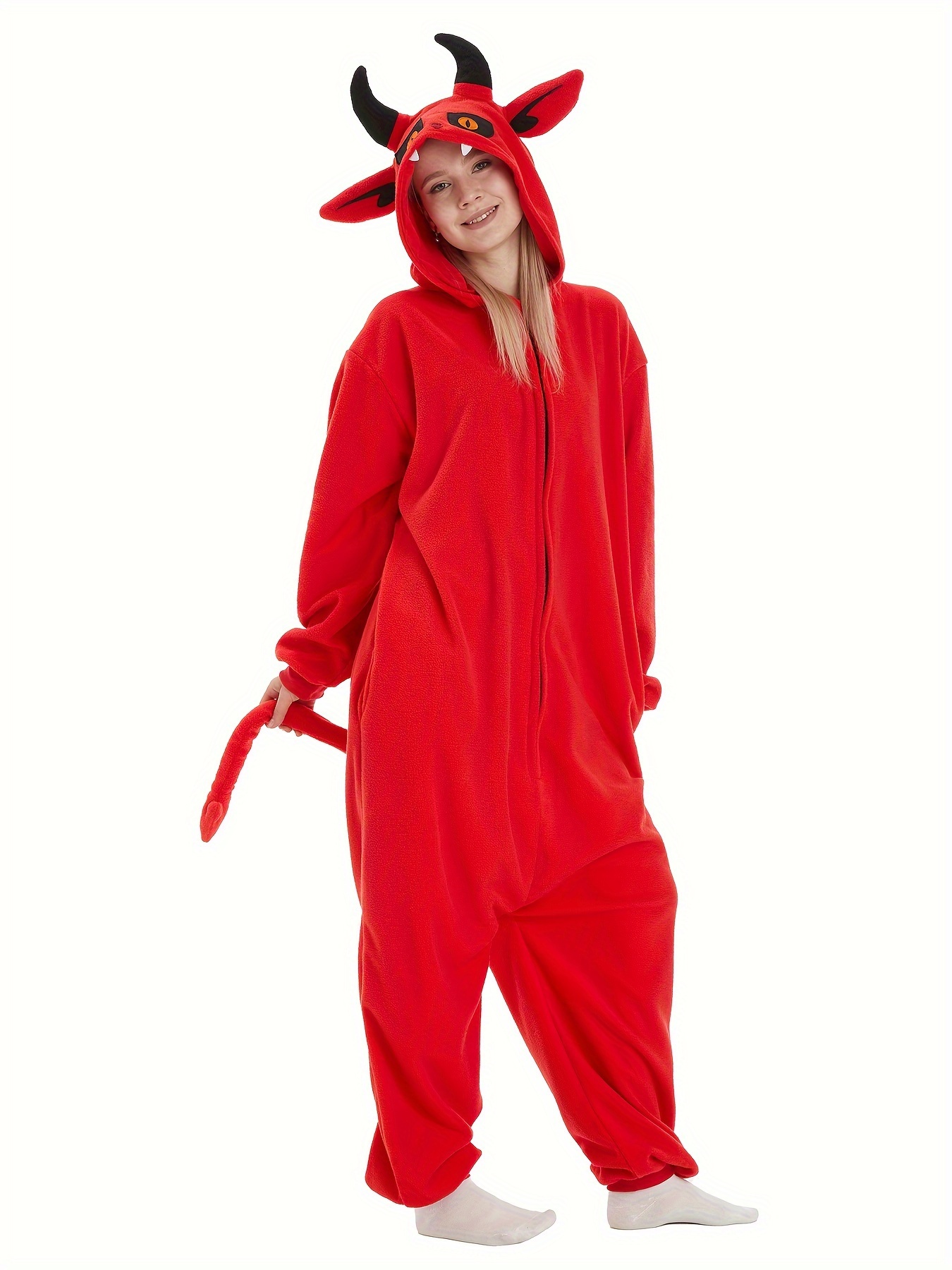
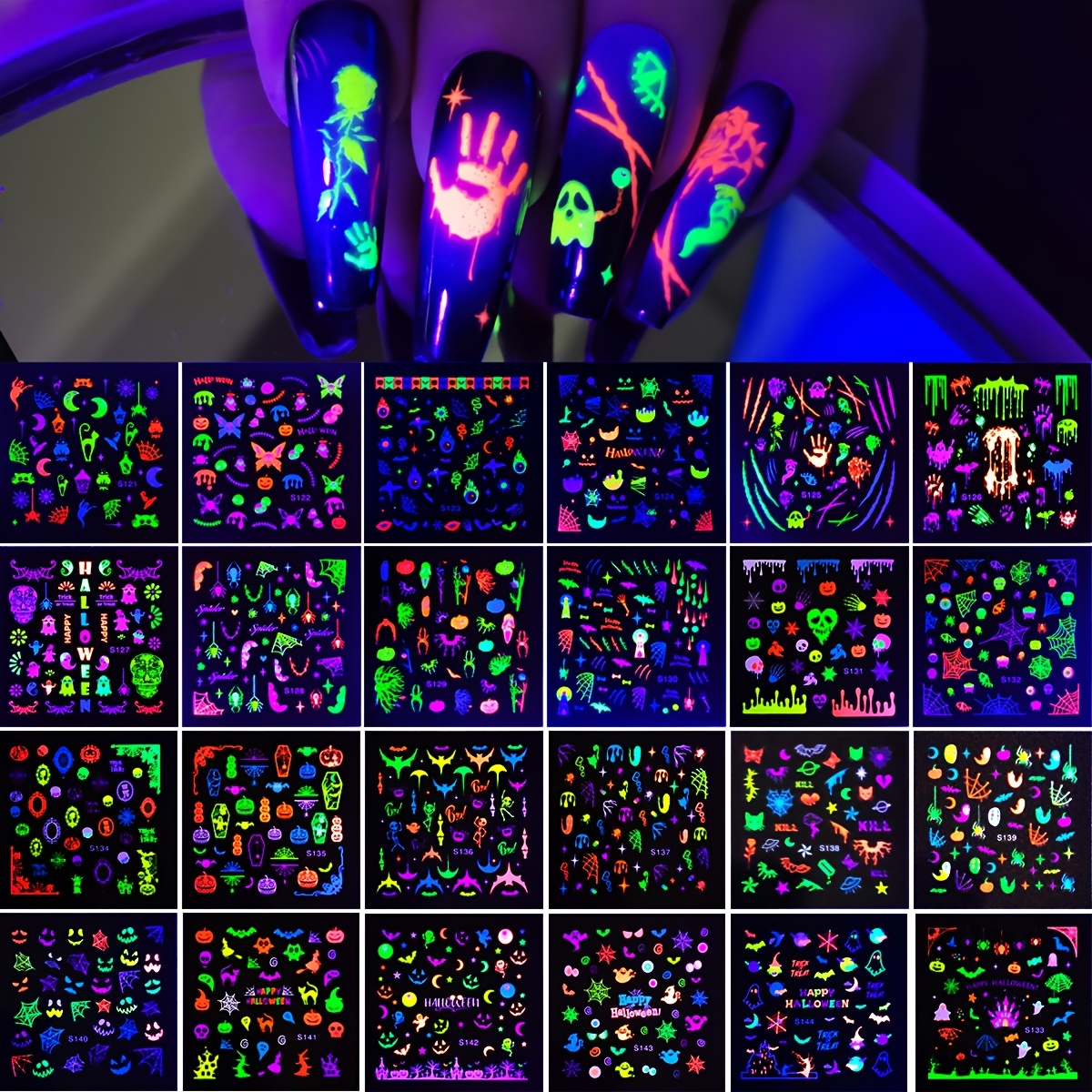

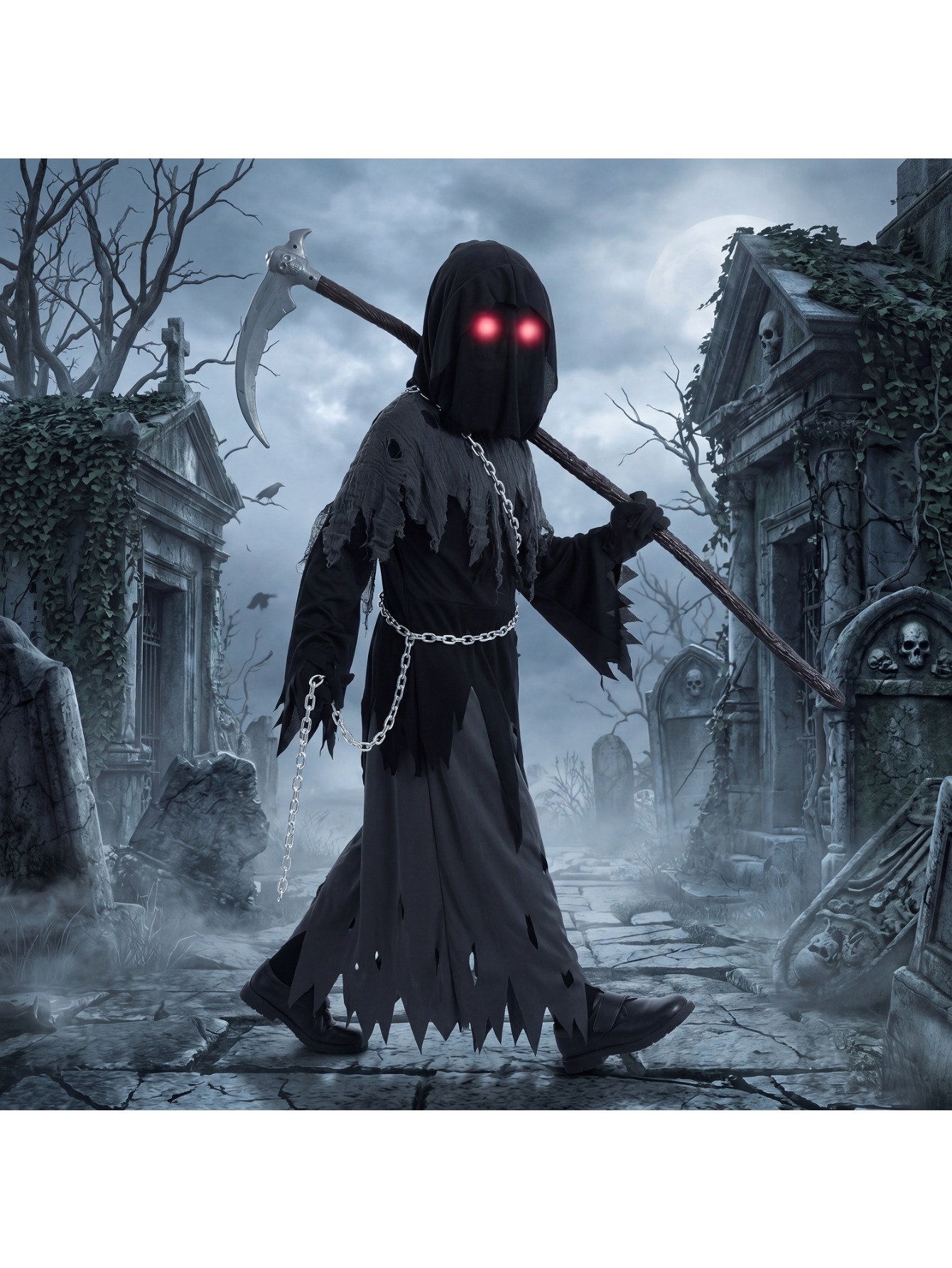
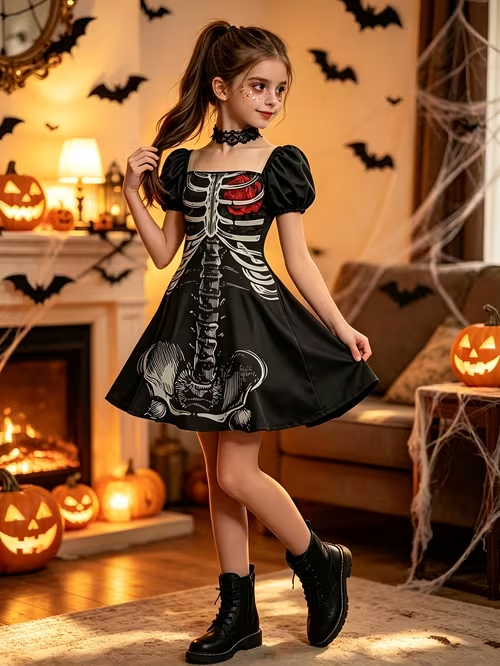
Prices shown at the time of publishing and can change. Links take you to AliExpress, where shipping and delivery details are shown.