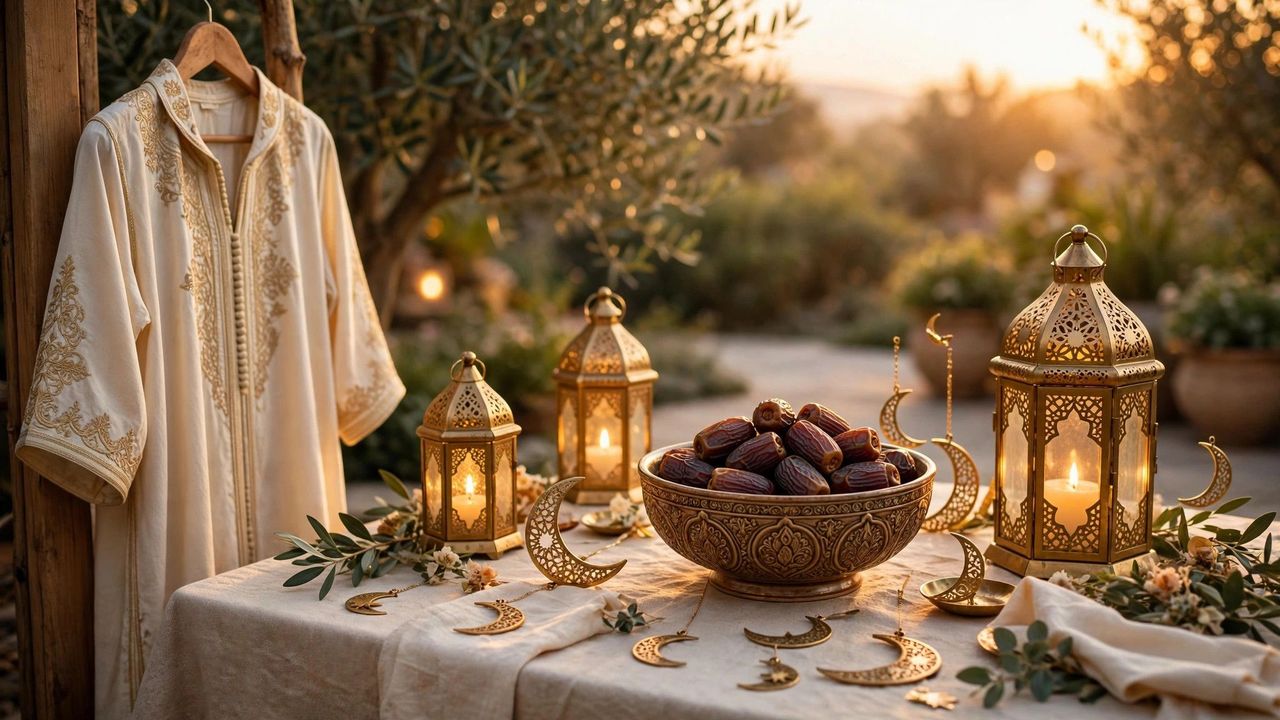
Eid al-Adha 2027 is expected around mid-May 2027, subject to the sighting of the moon. Known as the Festival of Sacrifice, it is one of the two most important celebrations in Islam, honoring the willingness of Prophet Ibrahim to sacrifice what he loved most in obedience to God. Families gather for special prayers, share festive meals and distribute meat to relatives, neighbors and those in need. This guide covers the traditions, preparations and celebration ideas to help you get ready.
When Is Eid al-Adha 2027?
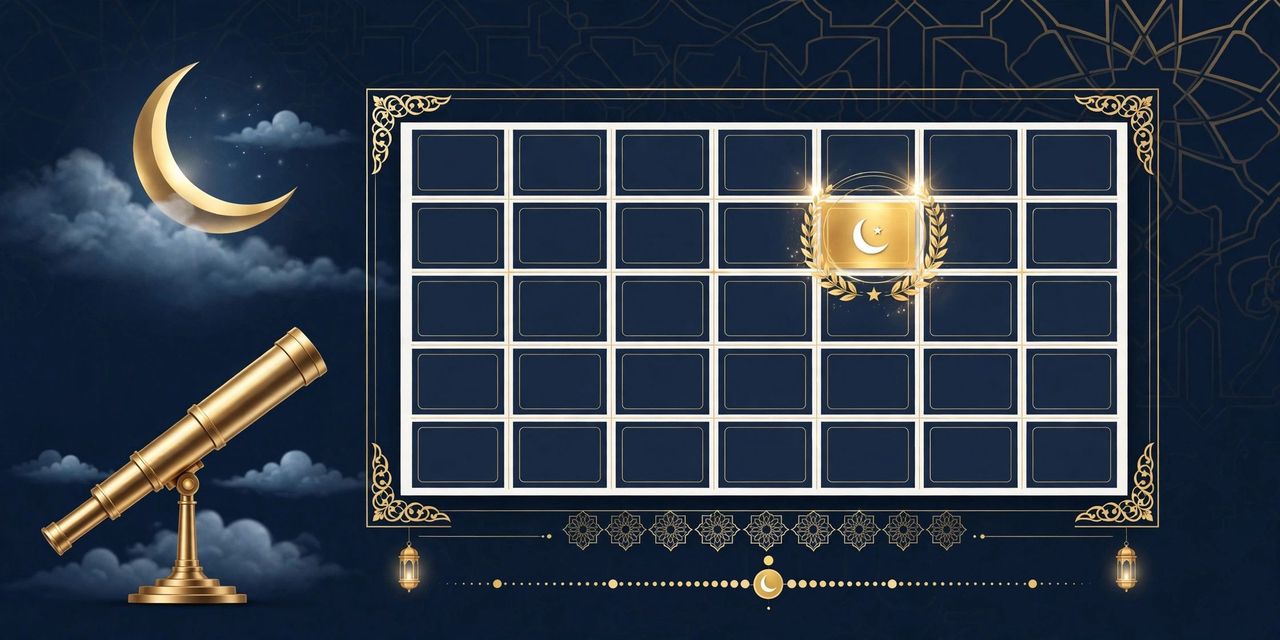
Eid al-Adha falls on the 10th day of Dhul-Hijjah, the final month of the Islamic lunar calendar, and the celebrations last for three days. Because the Islamic calendar is about eleven days shorter than the solar year, the date moves earlier each year; in 2027 it is expected around mid-May. The exact date is confirmed by the sighting of the new moon, so it can shift by a day depending on location. The festival coincides with the Hajj pilgrimage in Mecca, which is taking place at the same time.
The Meaning and Traditions
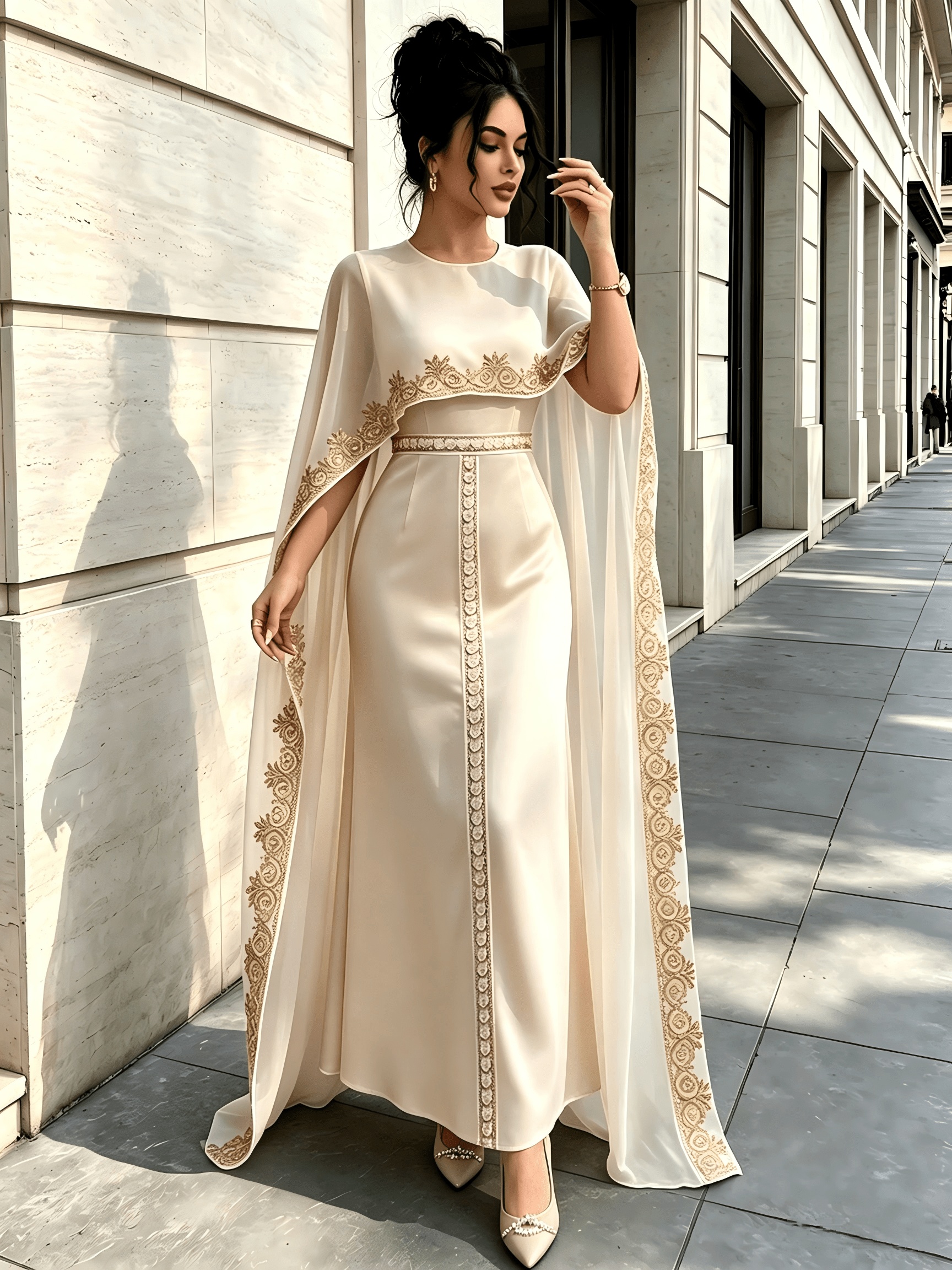
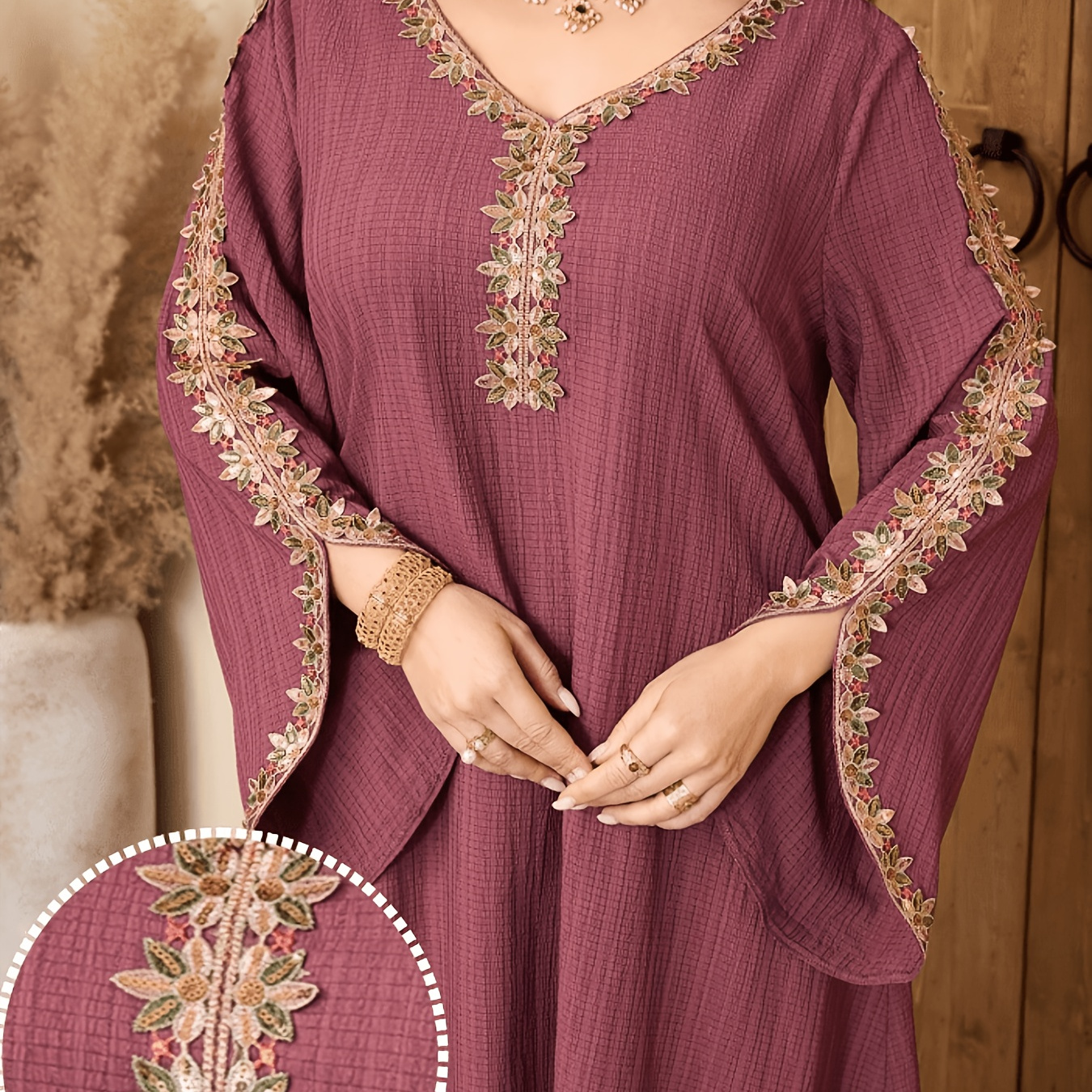
At the heart of Eid al-Adha is the story of Prophet Ibrahim, who was prepared to sacrifice his son in obedience to God before God provided a ram instead. To honor this, Muslims who are able perform Qurbani, the sacrifice of an animal, and divide the meat into three parts: one for the family, one for relatives and friends, and one for the poor and needy. The day begins with the Takbeer, special praises of God, followed by the Eid prayer performed in congregation, often outdoors or in large halls. New clothes, greetings of "Eid Mubarak" and visiting family complete the traditions.
Preparing Your Home
Start preparations a week or two before Eid. Deep clean the house and set up guest spaces, since visiting and hosting are central to the celebration. Decorate with warm, festive touches: lanterns, crescent and star ornaments, fairy lights and fresh flowers create a welcoming atmosphere. Plan the kitchen early: stock up on staples, prepare dishes that can be made ahead, and organize serving dishes for guests. If you are arranging Qurbani, confirm the details with your local provider or charity well in advance, as slots fill quickly.
Celebrating the Day
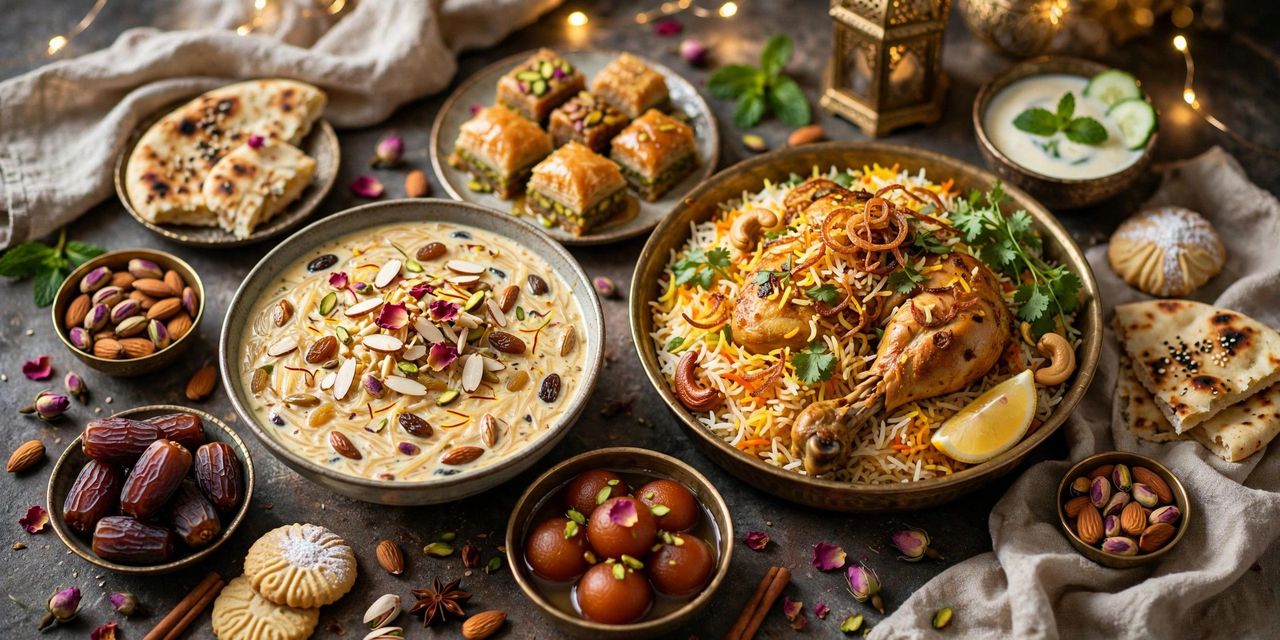
Eid morning starts early: dress in your best, often new, clothes and head to the Eid prayer with family. After prayers and embraces, the day unfolds in visits, with elders giving Eidi, small gifts of money, to children. The festive table is the centerpiece: traditional dishes vary by culture but always emphasize generosity and togetherness. Share food with neighbors regardless of faith, and make sure the portion for the needy reaches those who need it. End the day the way it began, with gratitude, family and the warmth of a celebration done well.