Mehndi is one of the most loved parts of Diwali. Long before the diyas are lit on Sunday 8 November 2026, hands across India are already decorated with henna, and the smell of fresh mehndi fills the house. It is a quiet, happy ritual, usually done with mothers, sisters, and friends sitting together, sharing stories while the paste dries. A good mehndi design does not need to be complicated. Some of the most beautiful patterns this year are the simplest ones.
Diwali mehndi designs sit at the meeting point of tradition and personal style. The festival itself celebrates light winning over darkness, and henna has always been part of that celebration, a mark of joy, good luck, and new beginnings. This guide covers easy patterns for beginners, elegant ideas for the main day, and practical tips to get a deep, rich colour.
Why Mehndi Matters at Diwali
Henna has been part of Diwali for generations. In many families, applying mehndi is the first festive act of the season, done a day or two before the main celebration. The deep reddish-brown stain is said to bring good fortune, and the darker the colour, the more the blessings, or so the old saying goes. For married women, mehndi is also tied to love and togetherness, and many brides compare the depth of their henna colour with a smile.
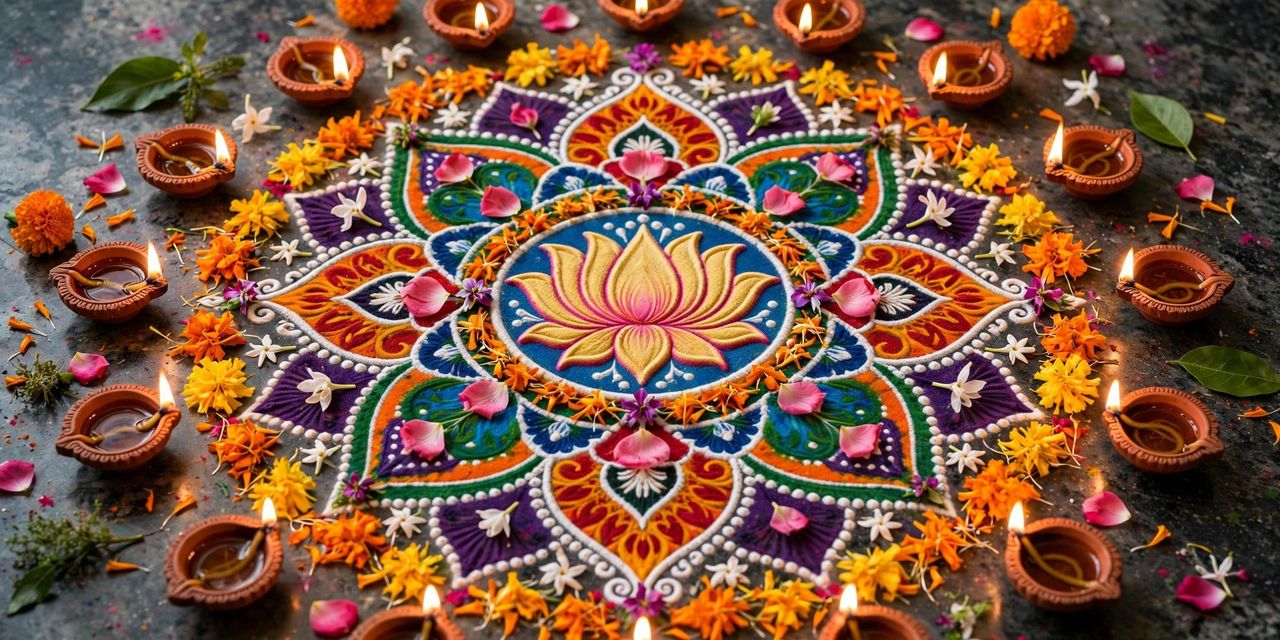
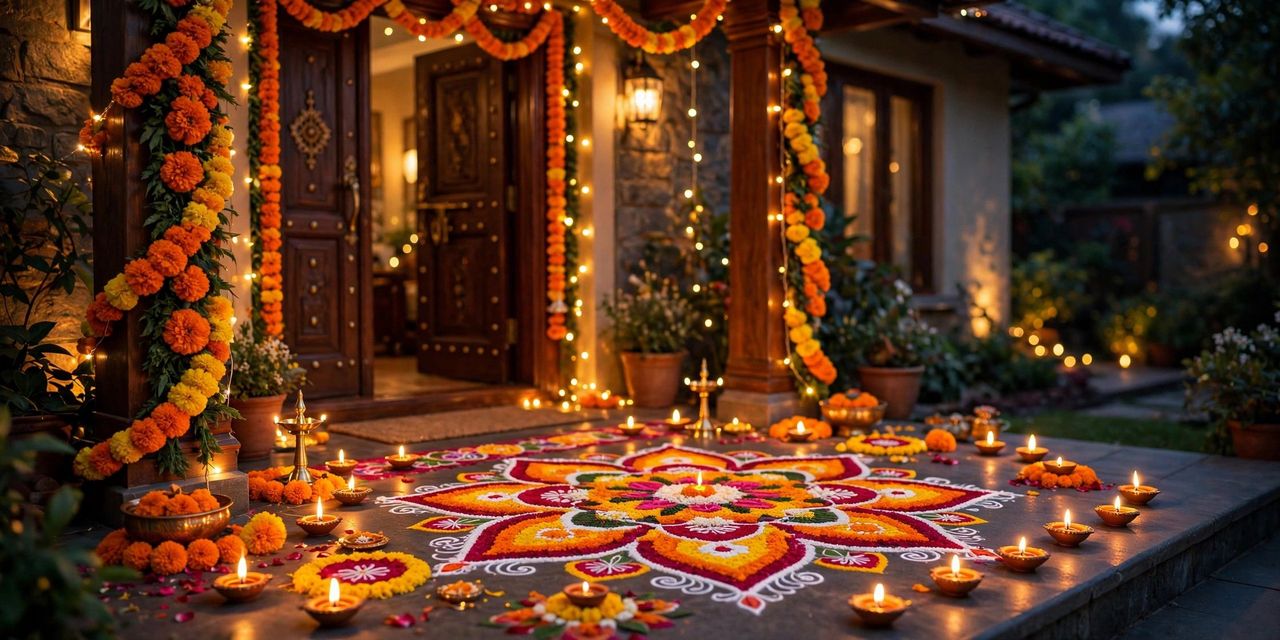
Beyond the beliefs, mehndi is simply a beautiful way to mark the occasion. It photographs wonderfully next to diyas and rangoli, it matches every festive outfit, and it gives hands a finished, celebratory look. Unlike jewellery, it costs almost nothing, and unlike makeup, it lasts for days. That is why even people who never wear henna through the year make an exception for Diwali. If you are short on time, even a small design on the back of one hand is enough to feel part of the festival.
Timing matters. Henna needs several hours to develop its colour, so most people apply it on Choti Diwali, Saturday 7 November 2026, or on the morning of Diwali itself. Apply it early, keep it on for at least four to six hours, and the stain will be at its richest by the time the evening puja begins. For the full Diwali calendar, see our Diwali 2026 date and Lakshmi Puja calendar.
Simple Mehndi Designs for Beginners
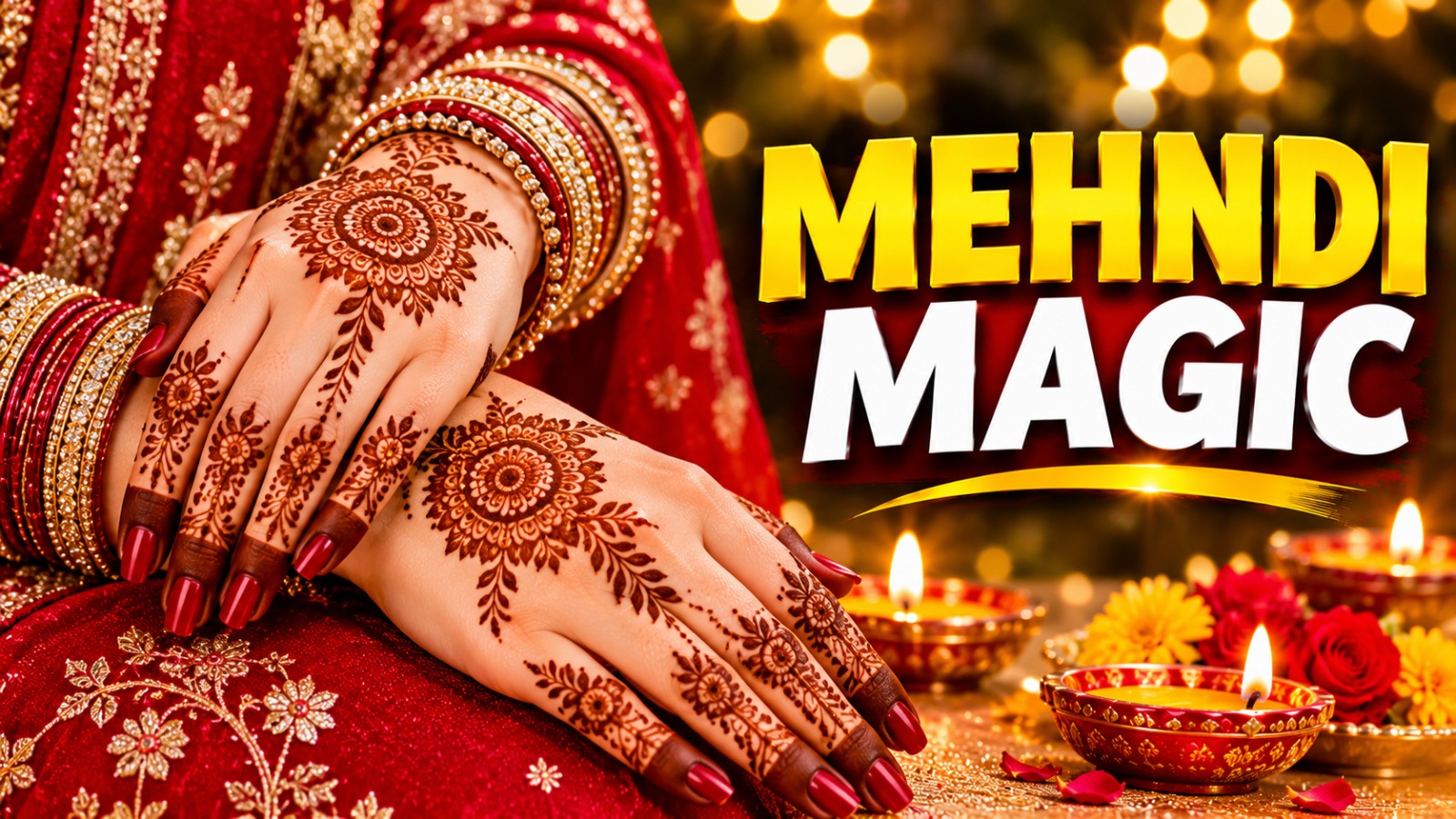
If you are new to henna, start small. Simple mehndi designs look clean and elegant, and they forgive small mistakes far better than dense, detailed work. A single flowing vine across the back of the hand, a small mandala on the palm, or a trail of leaves up one finger can look lovely on its own, and you can always add more once you feel confident.
Floral vines are the easiest place to begin. Draw a gentle curving line from the wrist toward the middle finger, then add small five-petal flowers and tiny leaves along it. Keep the spacing even and the lines smooth, and the result will look neat even if your hand is not perfectly steady. Mandala designs are another good start: a small circle in the centre of the palm, ringed with dots and petals, gives a finished look with very little drawing.
Finger trails are perfect when you are short on time. Decorate just the fingertips and the first joints, leaving the palm bare, and the design looks modern and light. Bracelet-style bands around the wrist, made of a simple chain of dots and scallops, are equally quick and pair beautifully with bangles. Minimal dot-and-line patterns, sometimes called jewellery mehndi, imitate a ring or a bracelet and suit people who prefer a subtle look.
- Floral vine: one curving stem with small flowers and leaves, ideal for the back of the hand.
- Palm mandala: a small circle with petals and dots, finished in ten minutes.
- Finger trails: decorated fingertips and joints, palm left bare for a modern look.
- Wrist bracelet: a band of scallops and dots that matches your bangles.
- Minimal dots: tiny dots and short lines for a delicate, jewellery-like effect.
Beautiful Mehndi Designs for the Main Day
For Diwali evening itself, many people want something fuller. A full-hand design covers the palm and the back of the hand with connected patterns, usually built around a large central motif. Paisleys, peacocks, lotus flowers, and diya shapes are classic Diwali choices, and they sit naturally beside the festival decor. A peacock feather on the back of the hand, with its eye picked out in fine lines, is a favourite this year.
Arabic mehndi is a good middle ground between simple and full. It uses bold, flowing shapes with open spaces, so it looks rich without taking hours to draw. The gaps between the patterns let the skin show through, which makes the design feel light and modern. Indo-Arabic fusion mixes that boldness with fine Indian detail, such as tiny dots and shaded petals, for a design that looks intricate from a distance and delicate up close.
How to Make Your Mehndi Colour Darker
The secret to a deep mehndi stain is patience. Fresh henna paste needs time on the skin, and the colour keeps developing for up to 48 hours after the paste is removed. Leave the dried paste on for at least four hours, and overnight if you can. The longer it stays, the darker the stain.
A lemon and sugar solution, dabbed gently over the dried paste, helps it stick to the skin and keeps it moist. Apply it once the paste feels dry, using a cotton ball, and avoid soaking the design. Warmth also helps: keeping your hands warm after removing the paste encourages the colour to deepen. Many people rub a little mustard oil or coconut oil over the stain once the flakes are off, which seals in the colour.
Avoid water for the first few hours after removing the paste, and skip soap on the design for as long as you can. Water fades fresh henna quickly. If you must wash your hands, use plain water and pat dry, then apply a little oil again. With these steps, a good cone should give a rich brown that lasts for a week or more.
Mehndi Aftercare and Common Mistakes
The most common mistake is washing the design too soon. The stain looks orange at first, and many people panic and scrub it, but the colour darkens naturally over the next day. Give it time. Another mistake is using a cone that is too old or too runny, which makes lines spread and blur. Test the cone on paper first: the paste should flow smoothly and hold a fine line.
Conclusion
Diwali mehndi designs do not need to be perfect to be beautiful. A simple floral vine, a small mandala, or a bold Arabic pattern all carry the same festive feeling, and the time spent applying henna with family is part of the celebration itself. Choose a design that fits your skill and your schedule, apply it on Choti Diwali so the colour is at its best on the main day, and let your hands tell the story of the festival. For more festive inspiration, explore our rangoli designs for Diwali and our Diwali outfits guide.
Helpful Finds for Diwali
A few festive finds that pair well with the ideas in this guide. Each one is linked to the QA Affiliate store so you can take a closer look.
- Sophisticated Jewelry Set — Rhinestone Necklace & Earrings, Vintage Luxe Style
- 3-Piece Layered Golden Necklace Set
- Complete 17pcs Makeup Brush Set with Storage Bag and Sponge
- Burgundy Ethnic Print Maxi Dress
As an affiliate, EventBuzz may earn a commission on qualifying purchases at no extra cost to you.