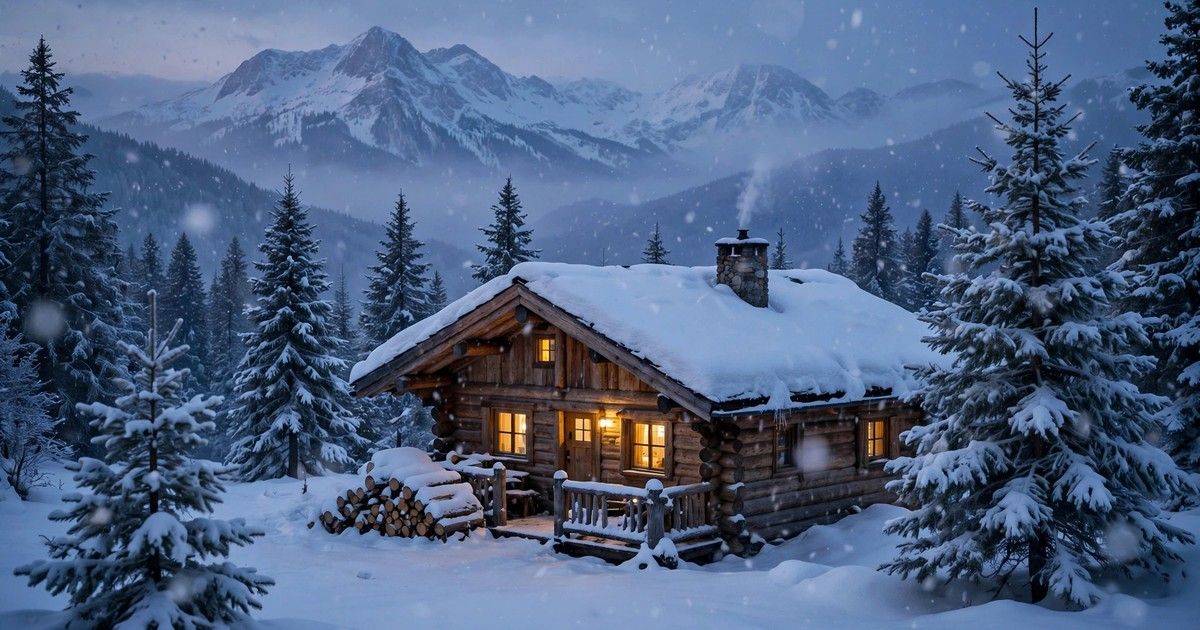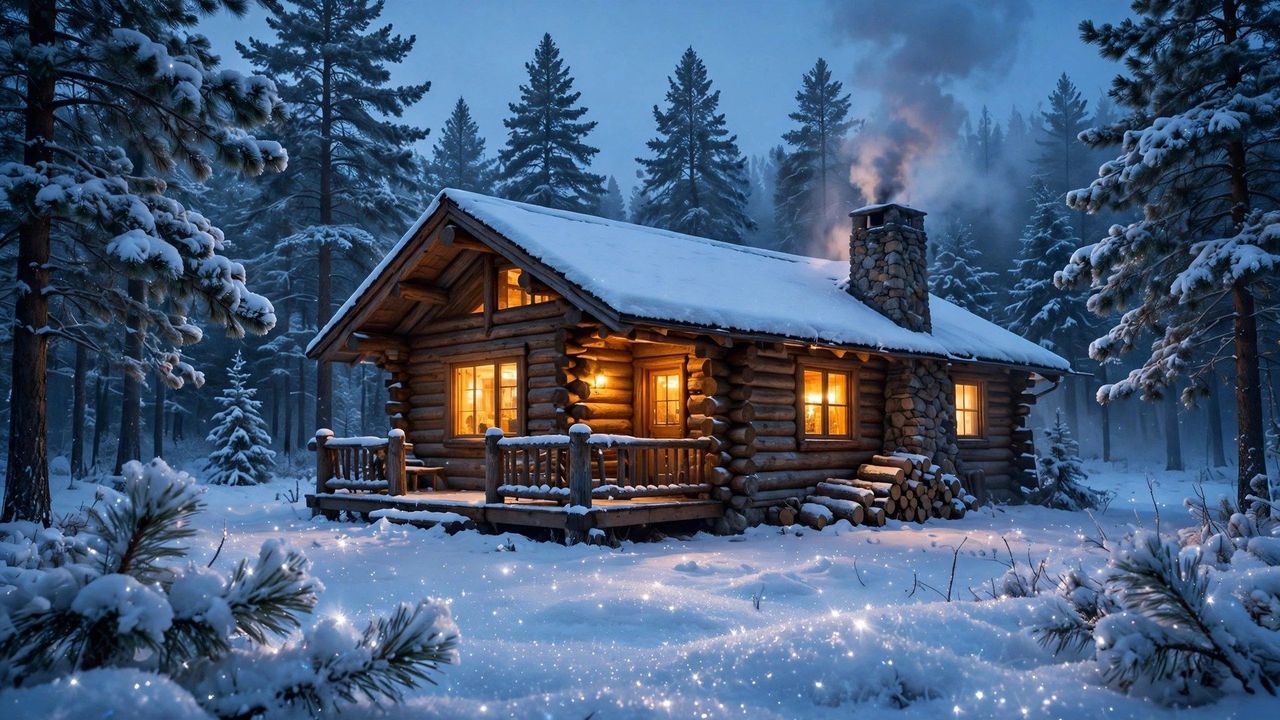
Few things beat a winter cabin: snow piled on the porch rail, a fire going, nowhere to be. But the difference between a magical getaway and a miserable one is planning. Cold-weather trips punish poor preparation fast. This guide covers choosing the right cabin, when to book, what to pack, how to eat well, and how to stay safe, so your escape is all cozy and no chaos.
Choosing the Right Cabin
Start with heat and hot water, the two things that ruin trips when they fail. Read recent winter reviews specifically, not just the overall rating, and look for mentions of the heating system keeping up in deep cold. A wood stove or fireplace is wonderful for atmosphere, but make sure there is also a real furnace as backup. Check the water situation: some cabins have wells that freeze or slow in extreme cold.
Match the cabin to your group. For couples, a one-bedroom with a hot tub and a fireplace beats a sprawling lodge. For families, prioritize a full kitchen, a washer-dryer for snowy clothes, and a mudroom or entryway for boots. For groups of friends, count bathrooms, not bedrooms; one bathroom for six people is a trip-ruiner. Ask the host directly about cell service and wifi if you need to work, and about road conditions and whether you will need chains or all-wheel drive to reach the property.
When to Book and What It Costs
For peak dates, Christmas through New Year and Presidents' Day weekend, book 3 to 6 months ahead; the best cabins sell out fast. For January and early February, you can often book 4 to 8 weeks out and find the year's lowest rates, typically 30 to 50 percent below holiday pricing. Midweek stays (Sunday to Thursday) are dramatically cheaper than weekends everywhere.
Watch for hidden costs: cleaning fees, hot tub fees, pet fees, and firewood charges can add hundreds. A cabin that looks cheap at $150 a night with a $250 cleaning fee is worse than $220 a night with a $75 fee for a short stay. Message the host before booking to confirm what is included: linens, towels, firewood, coffee, basic spices. The answers tell you a lot about how well the place is run.
The Winter Packing List
Cabin packing is about layers and redundancy, because you cannot just pop to a store in a snowstorm:
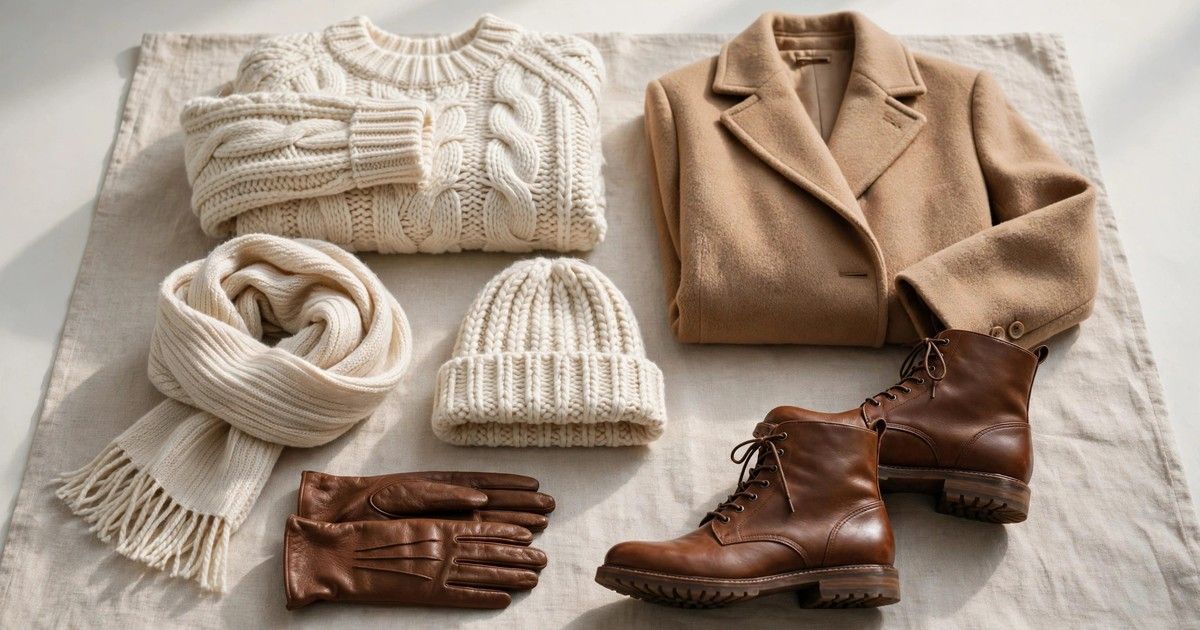
- Clothing: Thermal base layers, wool socks (3 pairs), insulated boots, a warm mid-layer, a windproof outer shell, hat, gloves plus a backup pair, and a scarf or neck gaiter.
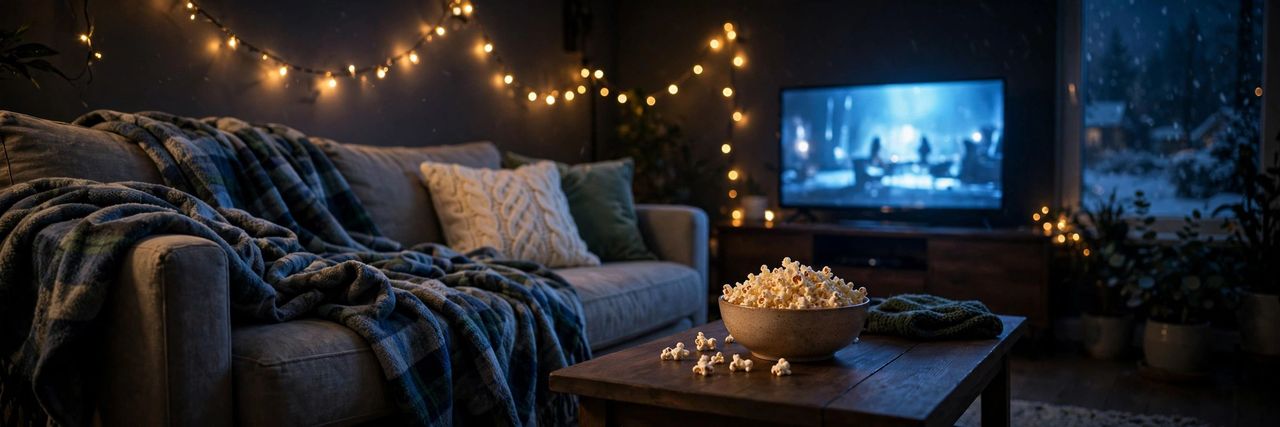
- Cozy gear: Slippers or cabin socks, your favorite blanket, a robe, and lounge clothes for fireside evenings.
- Kitchen: Your must-have spices, good coffee and filters, cooking oil, and any specialty ingredients, plus a sharp knife if you cook seriously.
- Fun: Board games, a deck of cards, books, a Bluetooth speaker, and downloaded movies in case wifi is slow.
- Practical: Flashlight, phone charger and battery pack, basic first-aid kit, and any medications, plus chains if the host advises.
Pack the car with an emergency kit too: blankets, water, snacks, and a shovel. You will probably never need it, which is exactly the point.
Food: Eat Like Royalty Without a Restaurant
The best cabin trips revolve around the kitchen. Plan one big slow-cooked meal, a braised short rib or a hearty chili that simmers all afternoon while you are out playing. Stock breakfast supplies for slow mornings: eggs, good bread, pancake mix, bacon. Bring a "fancy night" kit: steaks or salmon, a nice bottle of wine, and a chocolate dessert.
Prep at home before you go: chop vegetables, marinate meats, and portion snacks into bags. At the cabin, a hot drink station, coffee, tea, cocoa with marshmallows, becomes the gathering point. And plan one meal out at a local spot; small mountain towns often hide excellent restaurants, and supporting them is part of the getaway. Grocery shop on the way in, not after arrival, when you are tired and the light is fading.
Activities and Cold-Weather Safety
Balance active days with fireside ones. Good cabin activities: snowshoeing or cross-country skiing on nearby trails, sledding, a scenic winter drive, visiting a local brewery or hot springs, and a dedicated "do nothing" day with books and the hot tub. If the cabin has a hot tub, the protocol is: warm up inside first, keep a robe and dry towel within arm's reach, limit soaks to 15 minutes in deep cold, and hydrate.
Safety basics: tell someone your itinerary, keep phones charged, and know where the nearest hospital and plowed main road are. If you are driving in snow country, check conditions each morning and do not trust GPS shortcuts on unplowed forest roads. Keep the fireplace flue open when burning and never leave it unattended. With those boxes checked, the only thing left is to watch the snow fall with a warm drink in hand, which is the entire point.