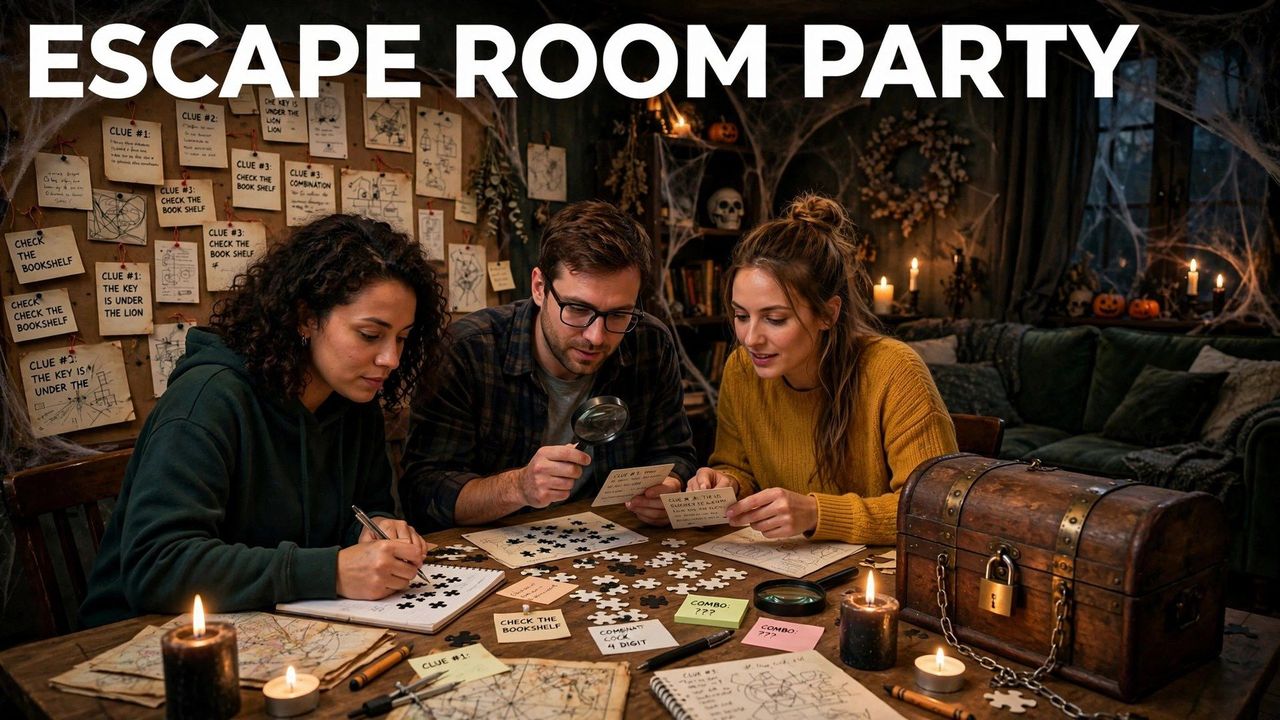
Escape rooms and Halloween were made for each other. The locked doors, the cryptic clues, the race against the clock — add cobwebs and candlelight and you have the most memorable party format of the season. Best of all, you do not need to rent a venue: a DIY Halloween escape room in your living room costs a fraction of the commercial version and lets you tailor every puzzle to your guests.
This 2026 guide shows you how to host one: choosing a theme, designing a puzzle chain that actually works, the props and tech that sell the atmosphere, and tips for running it smoothly for kids, teens, or adults. Plan for 60 minutes of game time and one unforgettable night.
Choosing Your Theme
A strong theme turns random puzzles into a story. The best DIY options:
- Haunted mansion: guests must find the hidden will to inherit the manor before the ghost claims them. Classic and flexible.
- Witch's curse: break the spell by brewing the counter-potion from hidden ingredients. Great for kids.
- Zombie lab: find the antidote formula before the "outbreak" timer hits zero. High energy, perfect for teens.
- Mummy's tomb: decode hieroglyphs to escape the pharaoh's chamber. Educational twist for school-age kids.
- Vampire's lair: locate the stake and the coffin's secret before sunrise (the timer). Dramatic and romantic for adults.
Pick one theme and commit — every puzzle, prop, and decoration should serve the story.
Designing a Puzzle Chain That Works
An escape room is a chain: each solved puzzle reveals the clue or key to the next. Aim for 6–8 puzzles for a 60-minute game. Mix puzzle types so different thinkers shine: a combination lock opened by a riddle, a hidden key revealed by blacklight, a jigsaw whose assembled image shows a code, a word cipher, a "find the difference" between two creepy paintings, and a final multi-part lockbox. Golden rules: test every puzzle yourself, then have one friend playtest — what is obvious to the designer is often opaque to players. Always build in a hint system (three hint cards, or the host as a "spirit guide"), because a stuck group is a bored group.
DIY Puzzles: Cheap, Clever Ideas
- Lockbox finale: a box with a 3-digit lock; the code comes from three earlier puzzles. The ultimate payoff.
- Blacklight messages: write clues in invisible ink (lemon juice or UV pen); players find the blacklight flashlight mid-game.
- Riddle cards: aged paper (tea-stained) with rhyming riddles pointing to hiding spots around the room.
- Photo puzzle: cut a creepy photo into pieces; the back of the assembled puzzle shows a code.
- Cipher wheel: print a decoder wheel; an encoded message reveals the next location.
- Weight puzzle: a locked box that opens when the right "ingredient" weight is placed on a kitchen scale.
- Sound clue: play a reversed audio message guests must decode (free apps reverse audio).
Dollar-store locks, boxes, and UV pens keep the whole build under $30.
Props, Lighting & Atmosphere on a Budget
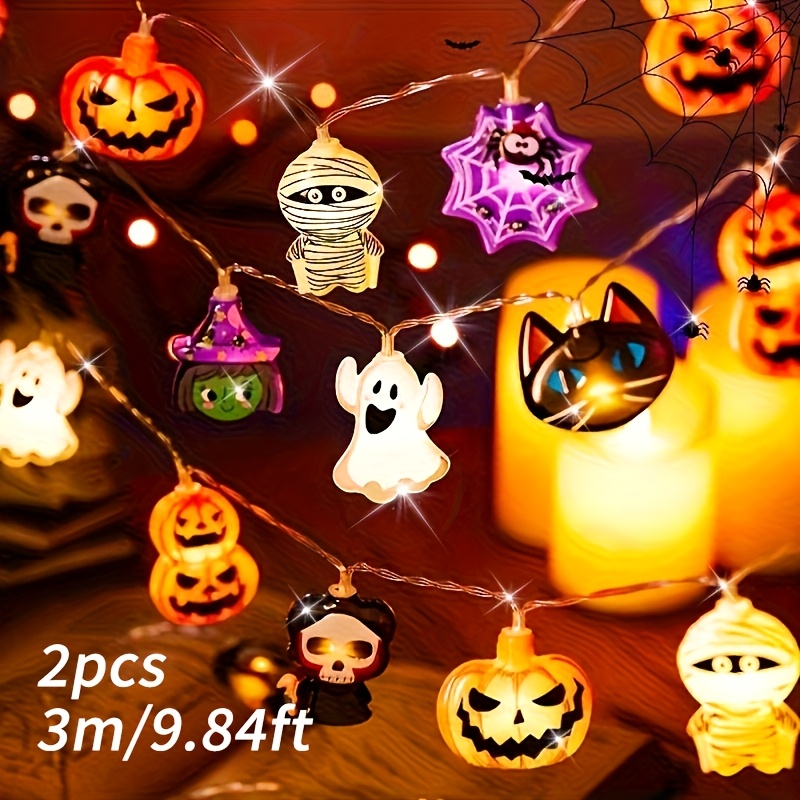
Atmosphere is half the game. Dim the overheads and light the room with battery candles, string lights, and one colored bulb. Hang plastic sheeting "cobwebs," scatter aged papers and old books, and play a looping ambient soundtrack (creaking house, distant thunder) from a hidden speaker. Dress the host as a character — the butler, the mad scientist — who delivers the briefing in role. A fog machine at the entrance sets the tone before the timer even starts. Keep pathways clear and avoid real flames; excitement plus darkness plus candles is a combination to manage carefully.
Running Game Night: Hosting Tips
Brief players clearly: the goal, the time limit, the hint system, and what is off-limits (no forcing locked furniture, no climbing). Split large parties into competing teams running the room in sequence, or build two parallel tracks. Watch from the side with your answer key; offer hints before frustration peaks — around the 10-minute-stuck mark. Photograph the winning moment. End with a reveal: open the final box together, hand out small prizes (or candy), and debrief over snacks. The debrief, where everyone relives their "aha!" moments, is half the fun — do not rush it.
Escape Rooms for Kids, Teens & Adults
Scale difficulty to your audience. For kids under 10: 4–5 simple puzzles, a 30-minute timer, picture clues instead of ciphers, and a grown-up "helper ghost" in the room. Teens want challenge and story — go darker, add the zombie-lab urgency, and let them keep score. Adults appreciate cleverness over jump scares: layered ciphers, red herrings, and a satisfying narrative payoff. Mixed ages? Design for the youngest solver but add optional bonus puzzles for the adults. Whatever the group, end with everyone succeeding — adjust hints so the finale lands in the last five minutes for maximum drama.
Printable Kits vs. Fully DIY
Short on prep time? Printable escape room kits — sold on marketplaces for $15–$30 — give you a tested puzzle chain, printable clues, and a host guide in one download. They are the fastest path to a working game, and Halloween editions are everywhere each October. Fully DIY costs less and lets you customize every puzzle to your guests (inside jokes make the best clues), but demands that afternoon of design and playtesting. The hybrid approach wins for most hosts: buy a printable kit for the puzzle backbone, then reskin it with your theme's decorations, story, and one or two custom puzzles featuring your friends. You get reliability plus personality — and you still finish setup before dinner.