Homemade Christmas candy is the gift that tastes better than anything from a store and costs a fraction of boutique chocolate. Most recipes need only a handful of ingredients and no special equipment, and a single afternoon of candy-making fills a dozen gift boxes. Whether you are treating your family or building teacher and neighbor gifts, these easy 2026 Christmas candy recipes deliver maximum holiday charm with minimum fuss.
No-Bake Favorites
Start with candies that never touch the stove. Peppermint bark is the easiest win: melt dark chocolate, spread it on a parchment-lined pan, top with melted white chocolate, sprinkle crushed candy canes, chill, and break into shards. Oreo truffles mix crushed cookies with cream cheese, get dipped in chocolate, and taste like they came from a chocolatier. Chocolate peanut butter balls (buckeyes) need only peanut butter, butter, powdered sugar, and a chocolate dip.
Rum balls with crushed vanilla wafers, cocoa, and a splash of rum improve over a few days in a tin, making them the perfect make-ahead gift candy. Roll any truffle in cocoa, crushed nuts, or sprinkles for a professional finish.
Classic Cooked Candies
A candy thermometer opens the door to the classics, and it is easier than it sounds. English toffee with butter, sugar, chocolate, and almonds hits the hard-crack stage at 300°F and shatters beautifully. Soft caramels cooked to 248°F, cut into squares, and wrapped in wax paper are endlessly giftable. Peppermint patties with a creamy mint center dipped in dark chocolate taste like the holidays.
Rocky road clusters of melted chocolate, mini marshmallows, and roasted nuts need no thermometer at all, and chocolate-covered pretzels with holiday sprinkles take 20 minutes and please every age group. The rule for cooked candy: do not stir once it boils, watch the thermometer closely, and work quickly when it hits temperature.
Candy-Making Tips for Beginners
Candy-making rewards precision, but these tips keep it stress-free:
- Use a thermometer: A $10 candy thermometer removes all guesswork. Clip it to the pan without touching the bottom.
- Watch the humidity: Candy sets best on dry days. On humid days, cook 2 degrees higher to compensate for moisture in the air.
- Line everything: Parchment paper or silicone mats prevent sticking and make cleanup trivial.
- Use good chocolate: Real chocolate (not chips with stabilizers) melts smoother for dipping and bark.
- Work in batches: Doubling candy recipes can cause uneven cooking. Make two small batches instead of one big one.
If a batch fails, it is almost always still delicious. Grainy fudge becomes ice cream topping, and broken toffee becomes a cookie mix-in. There are no true failures in candy-making, only repurposed successes.
Packaging Candy as Gifts
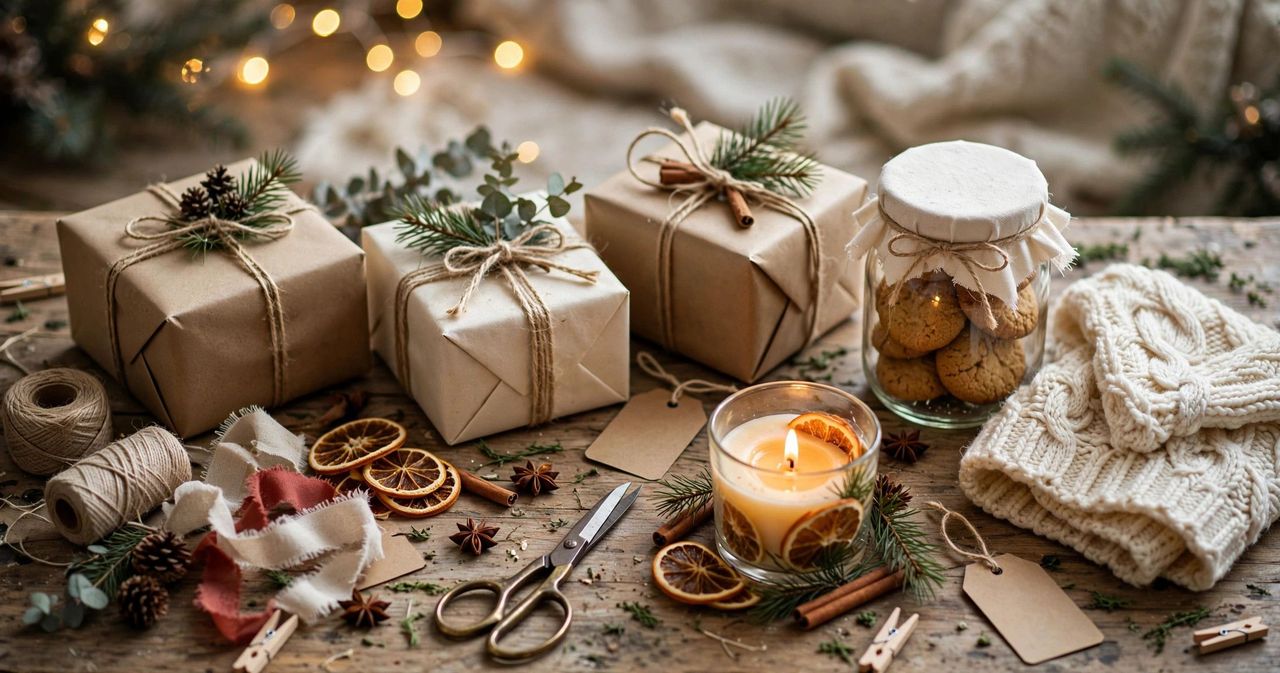
Presentation turns homemade candy into a real gift. Layer pieces in small kraft boxes or mason jars with parchment between layers, tie with ribbon, and add a handwritten tag listing the varieties. A trio of peppermint bark, truffles, and caramels in a $2 box looks like a $25 gift. Add a sprig of pine or a candy cane to the ribbon for instant Christmas charm.
Include a small card with storage notes: most homemade candy keeps 2 to 3 weeks in an airtight container at room temperature, and truffles with fresh cream should be refrigerated and eaten within a week.
Storing Your Candy
Store different candies separately so strong flavors like peppermint do not migrate. Keep everything in airtight containers at cool room temperature, away from sunlight. Chocolate-based candies bloom (turn whitish) if stored too warm, but they are still perfectly edible. Freeze extra batches for up to 3 months; thaw unopened at room temperature to prevent condensation.